

The developments and outcomes of the recent summit have given the EU more reason for concern than optimism. This is because the consensus reached and expressed at the meeting was very limited and general, more nominal than substantive. Meanwhile, disagreements among members are deep and specific, fundamental rather than temporary.
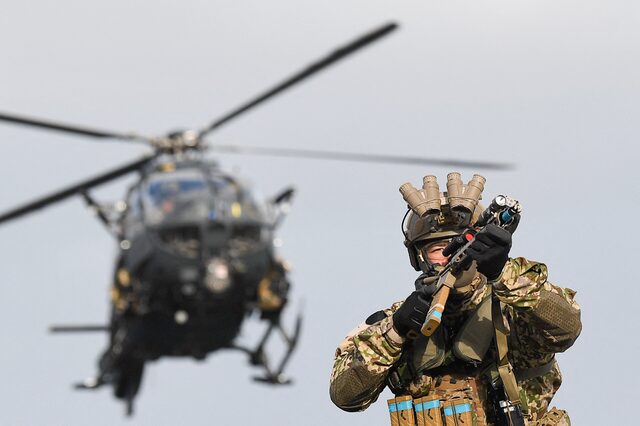
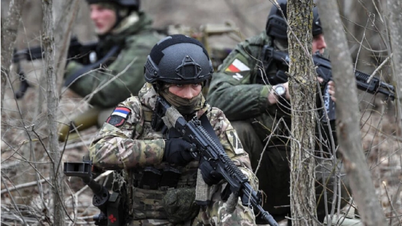
A German soldier participating in training.
At this high-level meeting, EU members agreed to significantly strengthen their defense capabilities in line with the proposed European rearmament and the new defense strategy put forward by the European Commission. However, the EU only agreed in general terms, not in specifics or institutionalized into binding policies for its members. The bloc still leaves it up to members to voluntarily implement the policy of strengthening their capabilities. While this policy is timely, it is largely nominal and lacks substance, as many members do not fully understand the European Commission's view on the necessity of strengthening their armaments, or will only strengthen their armaments to a level that does not meet the European Commission's expectations.
Disagreements within the EU regarding continued support for Ukraine have transformed the 27-member EU into a 26+1 group. This meeting required a joint statement from 26 members – excluding Hungary – on continued support for Ukraine. However, even this statement lacked specific figures on the amount of money and weapons to be supplied to Ukraine. Hungary even declared that it would henceforth veto any EU decision on continued support for Ukraine.
Such disagreements are detrimental to the EU both now and in the long term because they will significantly limit the extent to which the bloc supports Ukraine, and will also leave the bloc without the necessary consensus on important future decisions regarding the new US administration and Russia.
Source: https://thanhnien.vn/dong-thuan-nho-bat-dong-lon-185250324225551061.htm

![[Photo] The courage of new recruits of Brigade 144 on the training ground.](https://vphoto.vietnam.vn/thumb/1200x675/vietnam/resource/IMAGE/2026/05/27/1779881651341_anh-man-hinh-2026-05-27-luc-18-32-52.png)

![[Photo] General Secretary and President To Lam and his wife begin their official visit to Thailand.](https://vphoto.vietnam.vn/thumb/1200x675/vietnam/resource/IMAGE/2026/05/27/1779881249412_anh-man-hinh-2026-05-27-luc-18-10-51.png)




































![[Photo] The courage of new recruits of Brigade 144 on the training ground.](https://vphoto.vietnam.vn/thumb/402x226/vietnam/resource/IMAGE/2026/05/27/1779881651341_anh-man-hinh-2026-05-27-luc-18-32-52.png)





















Comment (0)