

The Politburo 's decision to waive tuition fees for all students in public schools from preschool to high school starting from the 2025-2026 school year brings great joy to millions of parents with children of school age. This helps alleviate the financial burden on millions of families, creating fairness for all citizens, so that everyone can have access to education, as President Ho Chi Minh wished in 1946.
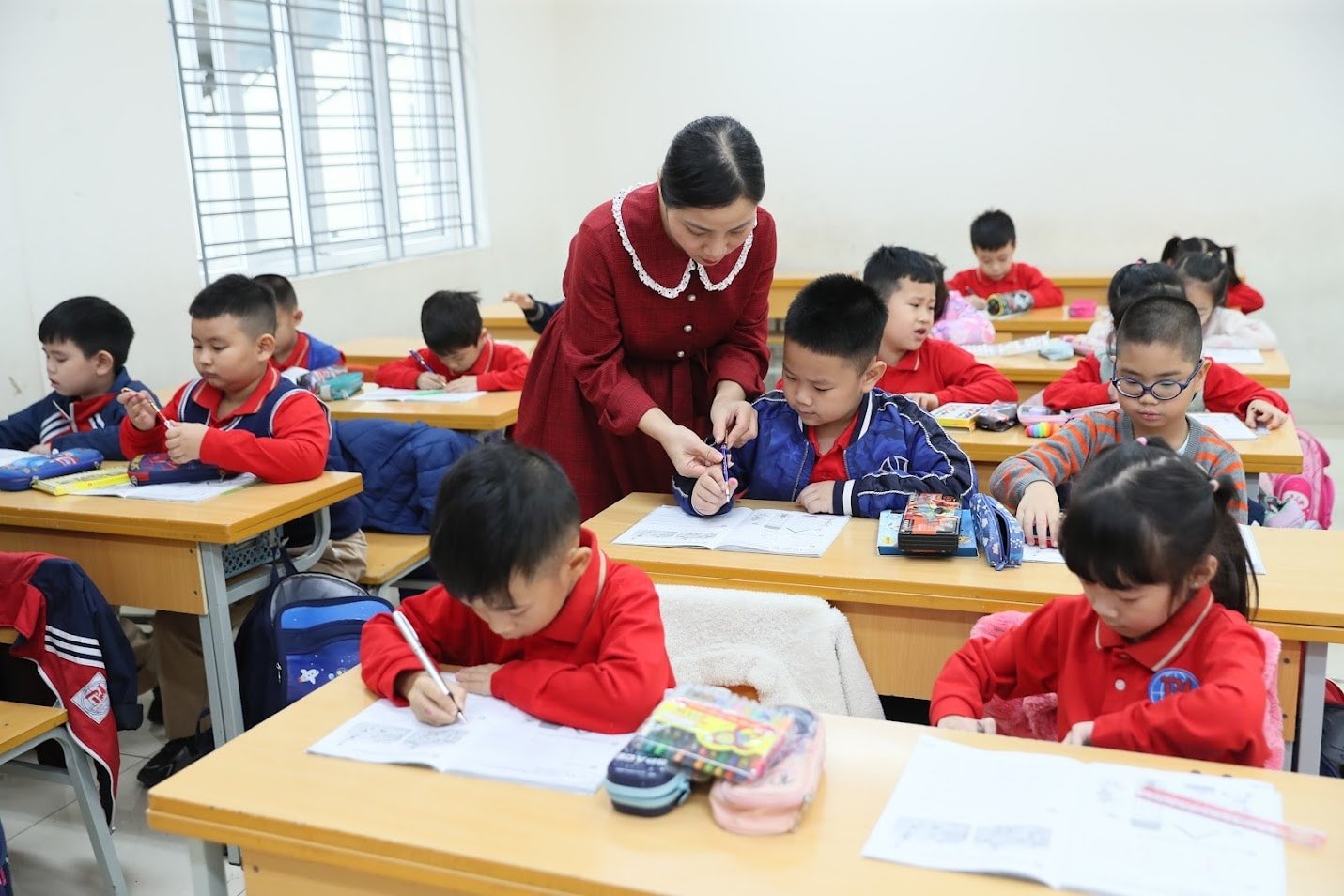
Humane policies that are in line with the people's will.
Speaking to a reporter from Dai Doan Ket Newspaper, Dr. Bui Thi An, former Member of Parliament in the 13th term, said that she and voters nationwide have long hoped for this, but for it to become a reality, it requires great determination and the concerted efforts of the entire political system.
“I was surprised that this important decision was made in the context of our vigorous implementation of Resolution No. 18-NQ/TW, dated October 25, 2017, of the 6th Conference of the Central Committee of the 12th Party Congress on “Some issues on continuing to innovate and reorganize the organizational structure of the political system to be streamlined, effective and efficient.” It's not just about waiving tuition fees for teachers' children as previously feared. Students in private schools will also receive tuition fee subsidies equivalent to the tuition fees of public schools. All students will be given the opportunity to access education in a fairer and more comprehensive way,” – Dr. Bui Thi An observed.
As a parent, Mr. Le Van Ha (Phu Xuyen district, Hanoi) said that when he heard this news on the media, his whole family was very excited. He and his wife are self-employed and have to leave their children in their hometown with their grandparents while they work in the city. The cost of raising two children in primary and secondary school, although not as high in the countryside as in the city, still leaves them with almost no savings. If tuition fees are waived, they will save money each year for medical expenses, especially since both sets of parents are elderly and frail.
According to Ms. Nguyen Thi Van Hong, Principal of Chuong Duong Secondary School (Hoan Kiem District, Hanoi), this decision not only brings joy to parents and students but also to the entire education sector. Even for a school in the heart of the capital, which is not considered to be facing any significant difficulties, the school still has to wait for 3-5 parents who haven't prepared their tuition fees and request to pay late each tuition collection period. "Wasting tuition fees at public schools is a policy that brings joy to the people, contributing to raising the level of education and improving the ranking of indicators for a happy nation," Ms. Hong shared.
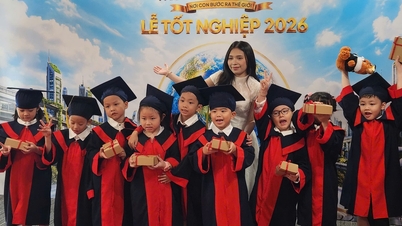
Expressing her delight at this decision, teacher Nguyen Thi Hien - Chairwoman of the Board of Directors of Doan Thi Diem Primary School (Hanoi) - said that this policy helps all preschool children and primary and secondary school students nationwide have the opportunity to participate in learning without paying tuition fees. The enrollment of private schools will not be affected; in fact, it will create positive impacts, affirming the positive changes in the first steps of national development policy, in line with the spirit of the 2013 Constitution, the 2019 Education Law, Resolution 29-NQ/TW, the amended Capital City Law, etc., which states: Education and training are top national priorities; investing in education and training is investing in development.
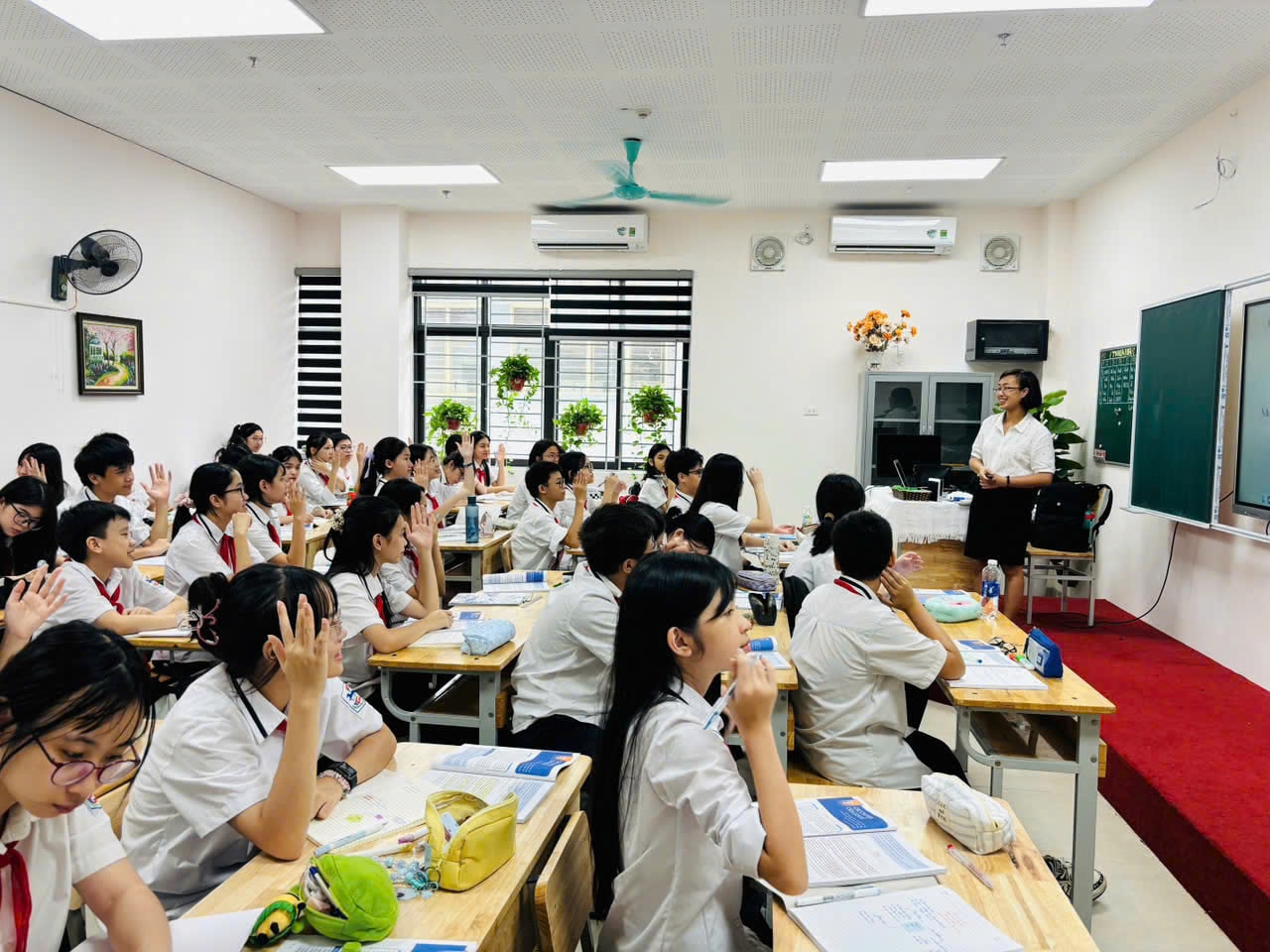
Ensuring social security and fairness for all students.
To date, 10 provinces and cities have issued resolutions of the Provincial People's Council on waiving tuition fees for preschool and primary education for the 2024-2025 school year: Quang Ninh, Hai Phong, Yen Bai, Quang Nam, Khanh Hoa, Da Nang, Ba Ria - Vung Tau, Binh Duong, and Long An. However, many students and families in other localities are still required to pay tuition fees.
According to current regulations, from September 1, 2025, the State will provide free tuition for all public school students from 5-year-old kindergarten to high school. In addition, the Government has also stipulated a policy of reducing tuition fees by 50-70% and providing financial support for many groups of poor students, students from disadvantaged backgrounds, students from social policy groups, and ethnic minority students (attending public and private schools). Besides the tuition-free groups as stipulated above, the Ministry of Education and Training proposed, and the Politburo agreed, to add tuition-free tuition for kindergarten students from 3 months to 4 years old and general education students. Accordingly, all kindergarten, primary, lower secondary, and upper secondary school students in public schools will be exempt from tuition fees. Students in private schools will receive tuition fee subsidies equivalent to the tuition fees of public schools as stipulated by law. The difference in tuition fees between public and private schools will be paid by the student's family.
Currently, tuition fees are applied by localities according to Government Decree No. 81/2021/ND-CP, with fees divided by educational level into three areas: urban, rural, and mountainous. Specifically, tuition fees for preschool are approximately 50,000 - 540,000 VND/month, for lower secondary school are 50,000 - 650,000 VND/month, and for upper secondary school are 100,000 - 650,000 VND/month.
According to statistics from the Ministry of Education and Training, there are currently 23.2 million students nationwide (excluding students in vocational and continuing education centers), including 3.1 million preschool children under 5 years old; 1.7 million preschool children aged 5; 8.9 million primary school students; 6.5 million lower secondary school students; and 3 million upper secondary school students. Of these, the majority of students in private schools are concentrated in major cities, and statistics from recent years show that this number accounts for only a few to less than 10% of the total student population. With tuition fee exemption, an estimated 30 trillion VND will need to be allocated annually. If the local budgets of provinces and cities that have already implemented tuition fee exemption are subtracted, the central government will need to allocate less than this amount. In reality, the required budget will depend on the specific tuition fees of each province and centrally-governed city, as decided by the Provincial People's Council based on the minimum and maximum tuition fee rates stipulated by the Government.
For the policy to be effective, according to Dr. Bui Thi An, thorough preparation of financial resources is needed to ensure that the quality of education is not affected when tuition fees are no longer collected. At the same time, budget allocation needs to be rational so that public schools can continue to improve their facilities, teaching quality, and teacher benefits.
Regarding concerns about increased competition in public schools, Dr. Bui Thi An acknowledges that this has been a long-standing problem for localities, not something that only arose after the tuition fee exemption policy was approved. She believes it is necessary to consider expanding the public school system and improving the quality of private schools so that people have more choices that suit their financial capabilities, circumstances, and family desires.
Professor Pham Tat Dong also acknowledged that, along with Circular 29 on supplementary teaching and learning being strongly implemented, the decision to waive tuition fees for public school students has sent a strong message about the direction of teaching and learning in schools towards a fee-free system. Going forward, people hope that localities and the education sector will continue to research and propose reductions in fees other than tuition in the coming school years to ensure fairness in access to education, "leaving no one behind." Students will go to school to learn, free from worries about tuition fees, social contributions, and excessive fees that often arise at the beginning of each school year.
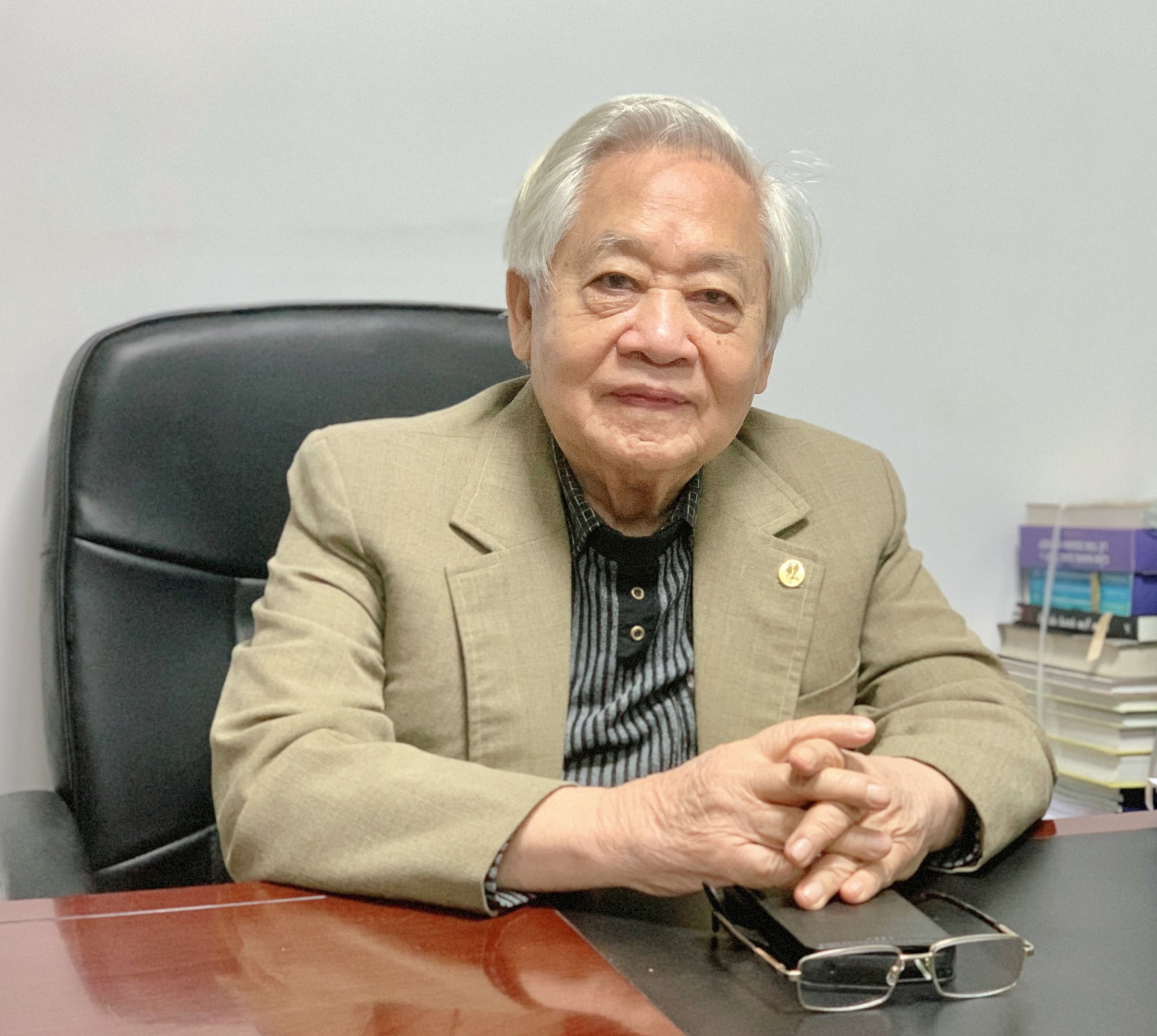
Professor Pham Tat Dong - former Vice President of the Vietnam Association for the Promotion of Learning: Consensus will overcome all difficulties.
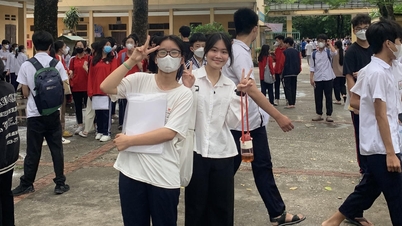
From the perspective of a student or a family, tuition fees may seem like a small amount to many, but in reality, for many families in rural, mountainous, and even urban areas, it is a significant issue. Tuition fee support will help students feel more secure in their studies and have more confidence in life and a better future. In fact, many students, especially in remote areas, cannot continue their education due to insufficient financial resources.
It is necessary to recognize the enormous impact of the tuition fee waiver policy on society as a whole, as an action affirming positive changes in the country's development policies. A wave of enthusiasm among the general public creates encouragement, leading to trust and consensus on important policies that prioritize the people. When the people agree, no difficulty is insurmountable.
Source: https://daidoanket.vn/mien-hoc-phi-cho-hoc-sinh-truong-cong-dot-pha-buoc-vao-ky-nguyen-moi-10300829.html




































































Comment (0)