

- What is excess visceral fat?
- What diseases can excess visceral fat cause?
- Diseases associated with excess visceral fat
- Measures to reduce excess visceral fat
- Exercises to reduce excess visceral fat
Unlike subcutaneous fat, visceral fat accumulates deep within the body and is directly linked to many serious health problems. So what is excess visceral fat, and what diseases does it cause?
What is excess visceral fat?
Visceral fat is fat that accumulates around vital organs such as the liver, stomach, intestines, and heart. When the amount of this fat exceeds acceptable levels, the body is considered to have visceral fat excess.
Unlike subcutaneous fat, which is visible to the naked eye, visceral fat is harder to detect. However, you may suspect it if your waist circumference is large, especially in men over 90cm and women over 80cm.
Excess visceral fat not only affects body shape but also disrupts metabolic processes, leading to numerous serious health problems.

Visceral fat is one of the health risks that is often overlooked by many people.
What diseases can excess visceral fat cause?
Visceral fat acts like an endocrine organ, secreting inflammatory substances and harmful hormones. This increases the risk of many dangerous diseases such as:
- Cardiovascular disease: Visceral fat increases bad cholesterol (LDL) and decreases good cholesterol (HDL), leading to atherosclerosis.
- Type 2 diabetes: Reduces insulin sensitivity, leading to hyperglycemia.
- High blood pressure: Puts pressure on the circulatory system.
- Stroke: Caused by a blocked or ruptured blood vessel.
In addition, visceral fat affects liver function and increases the risk of non-alcoholic fatty liver disease.
Diseases associated with excess visceral fat
Excess visceral fat is closely linked to many chronic diseases, including:
1. Metabolic syndrome
This is a collection of risk factors such as abdominal obesity, hypertension, dyslipidemia, and hyperglycemia.
2. Fatty liver disease
When too much fat accumulates in the liver, it can lead to hepatitis, cirrhosis, and even liver cancer.
3. Endocrine disorders
Visceral fat affects the hormones leptin and adiponectin, causing disturbances in the sense of hunger and satiety.
4. Cancer
Studies show that visceral fat is associated with an increased risk of colorectal cancer, breast cancer, and pancreatic cancer.
Measures to reduce excess visceral fat
To reduce visceral fat, a combination of a healthy diet and lifestyle is necessary:
1. A scientific diet
- Reduce sugar and refined starch.
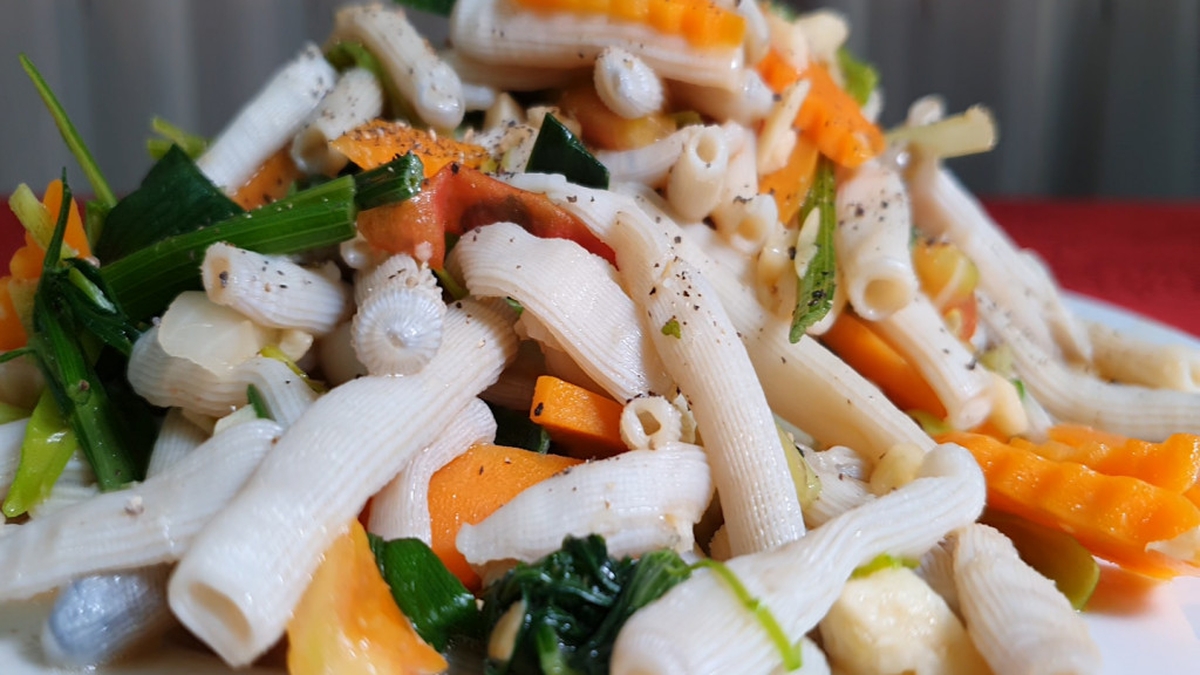
- Increase your intake of vegetables and fruits.
- Supplement your diet with lean protein sources like fish and chicken breast.
- Limit fast food and processed foods.
2. Stress management
Prolonged stress increases the hormone cortisol, which promotes the accumulation of visceral fat.
3. Get enough sleep.
Getting 7-8 hours of sleep each day helps balance hormones and reduce fat accumulation.
4. Limit alcohol consumption.
Alcohol is a major cause of fat accumulation around the liver.

Excess visceral fat is a potential health hazard that can lead to many serious diseases such as cardiovascular disease, diabetes, and cancer.
Exercises to reduce excess visceral fat
Exercise plays a crucial role in burning visceral fat. Some effective exercises include:
1. Cardio (cardiovascular)
Exercises like running, cycling, and swimming help burn calories quickly and reduce overall body fat.
2. HIIT (High-Intensity Interval Training)
HIIT helps increase metabolism and burn fat even after the workout.
3. Strength training
Exercises like squats and deadlifts help build muscle, thereby burning more energy.
4. Yoga and Pilates
It helps reduce stress, improve flexibility, and effectively support the reduction of visceral fat.
Excess visceral fat is a potential health hazard that can lead to many serious diseases such as cardiovascular disease, diabetes, and cancer. Early recognition and control measures are essential to protect the body.
Start by making lifestyle changes, eating healthily, and maintaining an exercise routine to reduce visceral fat and improve your quality of life.
Source: https://suckhoedoisong.vn/du-thua-mo-noi-tang-gay-nen-nhung-benh-gi-169260531171223029.htm

![[Photo] General Secretary and President To Lam presides over a meeting on preparations for the review of one year of operation of the three-tiered government system.](https://vphoto.vietnam.vn/thumb/1200x675/vietnam/resource/IMAGE/2026/06/02/1780391821195_a1-bnd-4595-9717-jpg.webp)




























































































Comment (0)