

The recent apology letters sent by several officials and civil servants in some wards and communes of Thanh Hoa City to citizens for failing to process applications on time have sparked two opposing viewpoints.
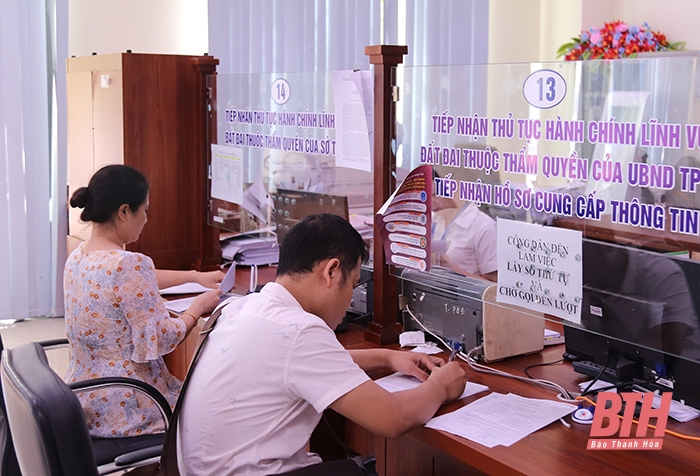
Much of the public supports this action, considering it necessary. However, some people argue that it's just a fait accompli! The delay has already happened, and the fact that citizens didn't receive the necessary documents in time for their personal and professional needs has already occurred. How can a letter of apology compensate for the losses suffered by citizens?
The public has the right to express their opinions on any event; however, those opinions must be objectively assessed and based on facts.
The reason why many professional civil servants at the ward level in Thanh Hoa City are unable to process citizens' applications on time stems from a malfunctioning software system. This is a shared software system, not one belonging to any particular ward or commune, so it's not possible to proactively fix the problem early. Software system errors are unexpected and can be considered force majeure at the grassroots level. Some officials and civil servants will readily blame the software and shirk their responsibility. Similar situations have occurred in several places.
The digital transformation aimed at building a digital government in Vietnam is in its initial stages, and software errors are therefore unavoidable and need to be addressed gradually. What is needed is for every official and citizen to share in these difficulties and obstacles. If everyone stubbornly insists on their own reasoning—officials using software malfunctions as a shield, and citizens using delayed appointments to accuse the government of breaking its promises—it will only complicate the issue and widen the gap between the people and the government.
In the letters sent to citizens, the basic writing style is as follows: This delay causes inconvenience, expense, and travel costs for citizens, so we hope citizens will contribute their opinions so that (the letter writer) can better perform their duties in receiving and processing documents. In these letters, we see the sincerity of the writer, and more importantly, the willingness of the government where the professional civil servants are working. No one wants to experience delays that require such letters, whether writing the letters is voluntary or requested. Those who receive the letters believe that even if they are frustrated, they will understand the difficulties that the team of officials and civil servants, especially those at the grassroots level, are currently facing, and will feel more empathetic. These apology letters probably go beyond simply apologizing for a specific incident; more importantly, they express the government's willingness to listen and serve the people. Therefore, do not consider these letters as merely a formality.
Tue Minh
Source


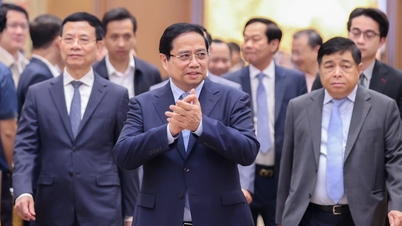
![[Photo] Prime Minister Pham Minh Chinh presides over a meeting on private sector economic development.](/_next/image?url=https%3A%2F%2Fvphoto.vietnam.vn%2Fthumb%2F1200x675%2Fvietnam%2Fresource%2FIMAGE%2F2025%2F12%2F20%2F1766237501876_thiet-ke-chua-co-ten-40-png.webp&w=3840&q=75)





















































































Comment (0)