

Professionalizing "traditional dishes"
At the end of April, upon learning that Hong Van's pork and rice paper roll restaurant in Nghia Hiep area, Dai Loc commune, had been selected to participate in the Food Tour Da Nang 2026, Ms. Nguyen Thi Hong Van (the owner) began working at a completely different pace than usual.
She renovated the restaurant, invested in an air-conditioned room to serve large groups of customers, and also set up a rustic kitchen space right in front of the entrance with an oven, winnowing trays, baskets, and other familiar items from the countryside of Quang Nam province.
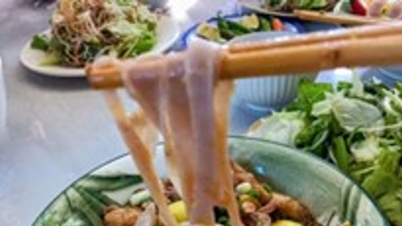
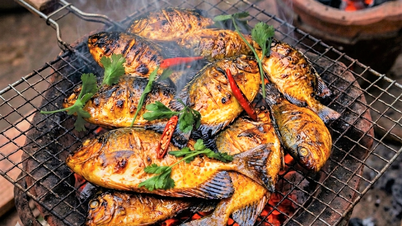
In addition to familiar dishes like pork rice paper rolls, eel Quang noodles, and shredded chicken, the menu also includes braised snakehead fish with fermented fish sauce, pork with fermented fish sauce, and steamed mackerel wrapped in cassava rice paper – dishes that evoke the feeling of a family meal.
“Previously, the restaurant mainly served regular customers and locals; if the food was delicious, customers would find their way there. Participating in the Food Tour made me realize I needed to prepare more carefully, from ingredients to how I presented the dishes. Tourists from far away want to know why this dish is from Dai Loc, where the ingredients come from, and how it's made. Therefore, I have to maintain the authentic taste of my hometown while also doing everything meticulously so they can appreciate the value of our regional cuisine ,” Ms. Van said.
During the program's launch, Hong Van restaurant continuously received phone calls for reservations from travel companies and family groups. The number of customers doubled, requiring the kitchen to prepare earlier and staff to work in more clearly defined shifts. For Ms. Van, this was the pressure of her first time working in tourism , where each dish served represented the region and destination.
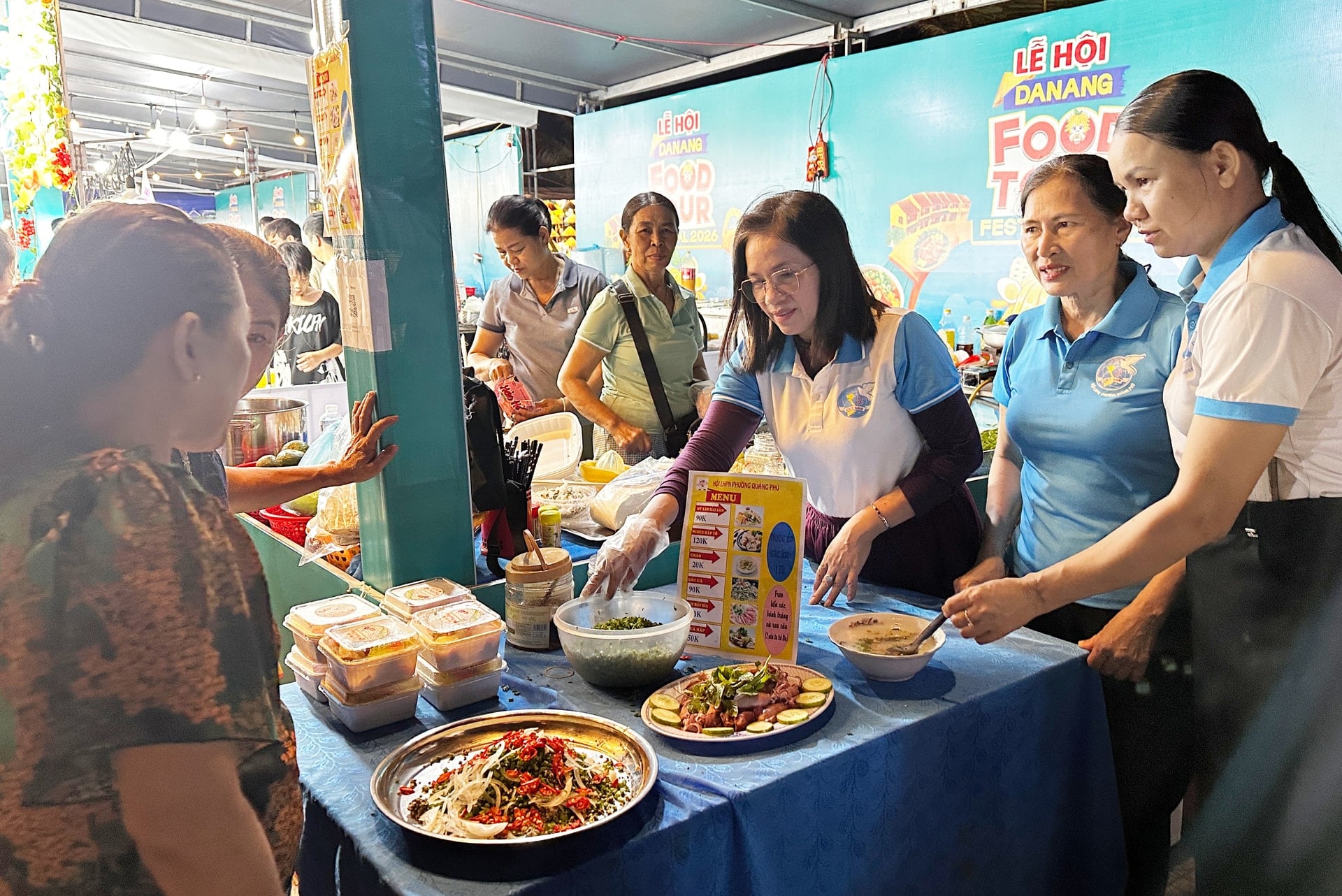
While in Dai Loc, a local eatery is beginning to familiarize itself with tourists on organized tours, at Tam Thanh beach (Quang Phu ward), within the framework of the "Taste of the Sea" festival, many traditional street food stalls are also making their first appearance in a large festival setting.
Amidst the modern stalls and brightly lit stage, there are still familiar dishes like stir-fried clams, clam porridge, steamed squid, steamed fish, herring salad – dishes associated with the daily meals of coastal residents.
Ms. Tran Thi Binh, President of the Women's Union of Quang Phu Ward, said that the union's booth chose to showcase familiar dishes of the local people instead of elaborate menus.
According to Ms. Binh, each coastal region has its own unique dishes associated with its local produce and lifestyle, and if properly organized, these dishes can become a way to tell the story of maritime culture.
“For a long time, the people of Tam Thanh have been eating stir-fried clams, clam porridge, and steamed squid after going to the beach and swimming. These dishes are familiar to the locals but are new to tourists. When participating in the festival, we want to introduce what the locals eat every day so that tourists can learn more about life in the coastal region,” Ms. Binh said.
A special mark
Food Tour Da Nang 2026 shows a remarkable shift in culinary tourism, as humble dishes have the opportunity to step out of their familiar surroundings and meet tourists.
When chefs specializing in local cuisine begin to tell their stories, preserving the original flavors through more refined service, local cuisine finds a path to reach further, through the very simplicity that creates the lasting impression of the region.
With Hong Van restaurant, based on her initial experiences in the tourism industry, Ms. Hong Van plans to add more activities for tourists to directly participate in, such as making banh beo (rice cakes) in a rice husk oven and enjoying them with bamboo utensils. Food tours open up opportunities for local dishes to enter the tourism industry, while also forcing restaurant owners to change their service methods while still preserving the inherent simplicity.
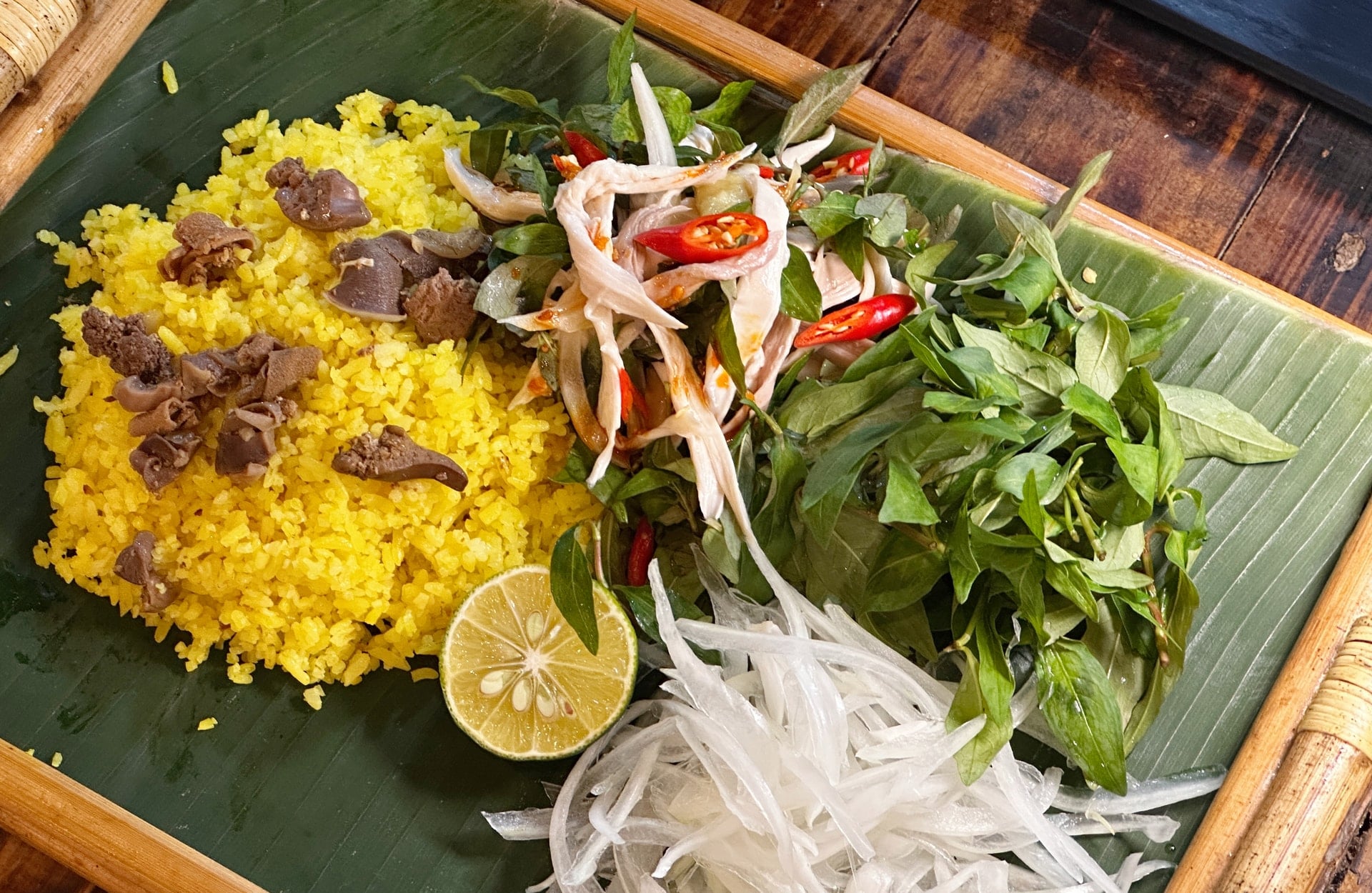
The "Taste of the Sea" event in Tam Thanh recently showcased a diverse range of local cuisine. Besides seafood dishes, the festival also featured Quang noodles with flying fish, shrimp pancakes, fish cake noodle soup, chicken rice, and even specialties from the Tra My highlands such as smoked meat and rice wine.
The presence of local stalls brings the festival closer to everyday life, allowing visitors to sample dishes originating from rural markets, home kitchens, and the memories of each region.
It's noteworthy that many of the people behind these stalls were initially unfamiliar with the tourism industry. But when they entered the festival, they had to learn how to prepare ingredients more thoroughly, maintain consistent food quality, display items cleanly, and interact with unfamiliar customers. This contributed to positive changes, as street vendors began to adapt to the new demands.
Source: https://baodanang.vn/ganh-vi-que-vao-food-tour-3338083.html

![[Photo] General Secretary and President To Lam presides over the meeting to approve the draft report on the results of the second inspection by the Politburo of the Standing Committee of the Hanoi City Party Committee.](https://vphoto.vietnam.vn/thumb/1200x675/vietnam/resource/IMAGE/2026/05/26/1779789811432_a2-bnd-4430-9620-jpg.webp)





































































Comment (0)