

In the small, smoky kitchen, the aroma of roasted sticky rice permeates the air, blending with the lively laughter and chatter, creating a unique Tet atmosphere of the highlands. Among many types of cakes, such as tò te, bánh rợm, bánh chưng đen, bánh bồng, etc., bánh khảo still holds a special place, simple yet rich in cultural identity.
For the Giáy people, bánh khảo (a type of Vietnamese cake) is not just a New Year's dish, but also a story told through memories and the skillful hands of their grandmothers and mothers. The way they make the cake is also how they preserve their traditions and pass on their culture to future generations.
The main ingredient for making banh khao (a type of Vietnamese rice cake) is glutinous rice. However, to make a batch of cakes that meet the standards, the rice selection process is very meticulous. The rice must be of good quality, with round, plump, fragrant grains, washed thoroughly, and then soaked in warm water until evenly swollen. After that, the rice is drained and roasted in a cast iron pan until the grains turn a light yellow color, all ten grains are uniform, and when bitten into, they are crispy.
The roasted rice is then ground into a very fine powder. According to the experience of the Giáy people, the finer the powder, the chewier and more fragrant the cake will be. But this is only the beginning. The most important step, and the secret to the unique flavor of bánh khảo, is the fermentation of the dough.
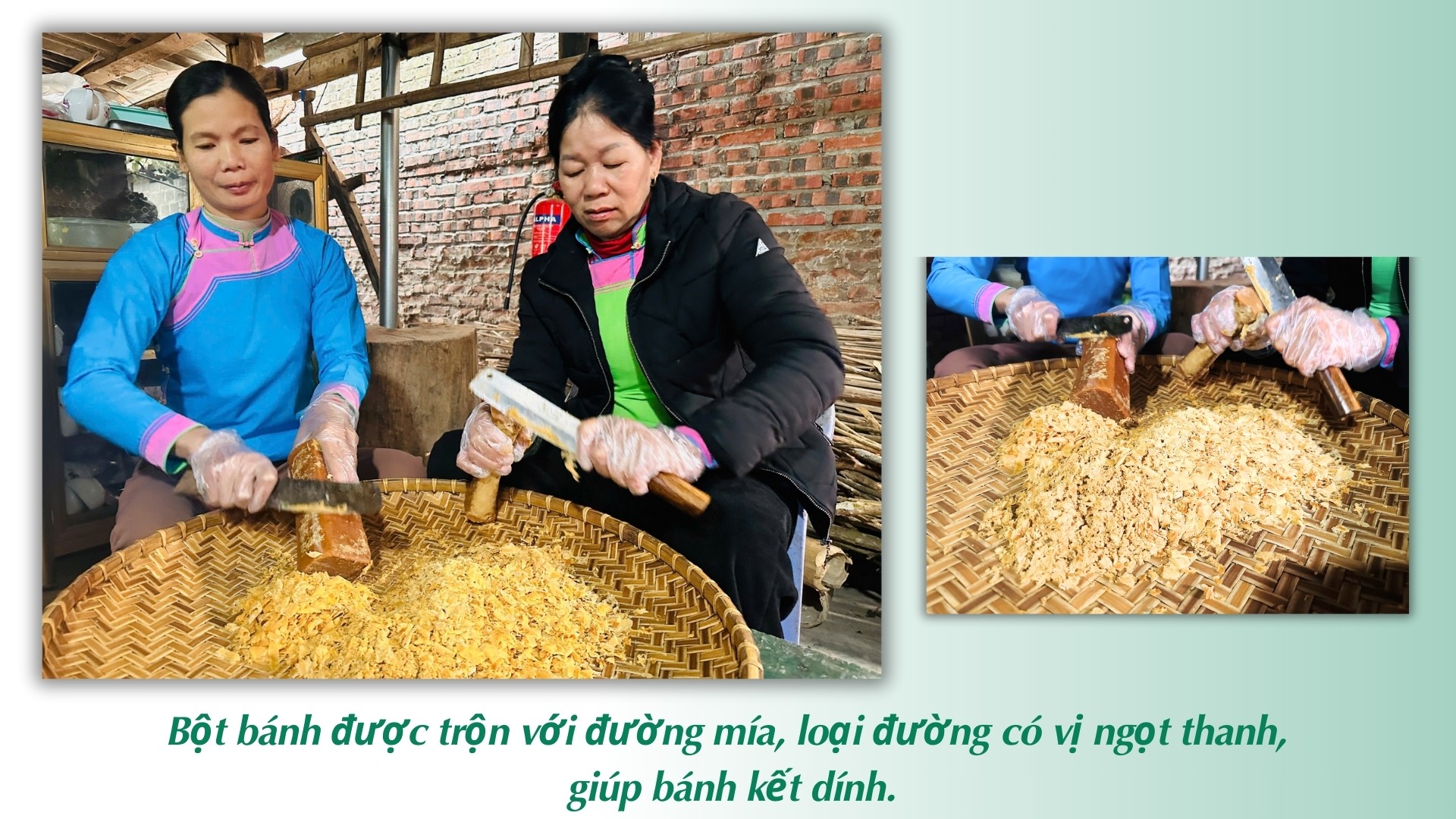
The Giáy people have two ways of fermenting dough: fermenting with sugarcane stalks or burying it underground. In Bản Xèo, most families still maintain the traditional method of burying it underground. The dough is wrapped tightly and placed on sufficiently moist and well-ventilated ground for 3 days. During that time, the dough gradually absorbs moisture and ferments naturally. This step determines the success or failure of the cake; if the dough is too dry, the cake will be crumbly, and if it is too moist, the cake will be soggy and won't fit into the mold.
Once the dough reaches the correct moisture level, Giáy women knead it entirely by hand. This process requires a lot of strength and patience, taking at least two hours, sometimes up to four hours. The dough must be kneaded until it is sufficiently fluffy and smooth, yet still retains a certain degree of stickiness.
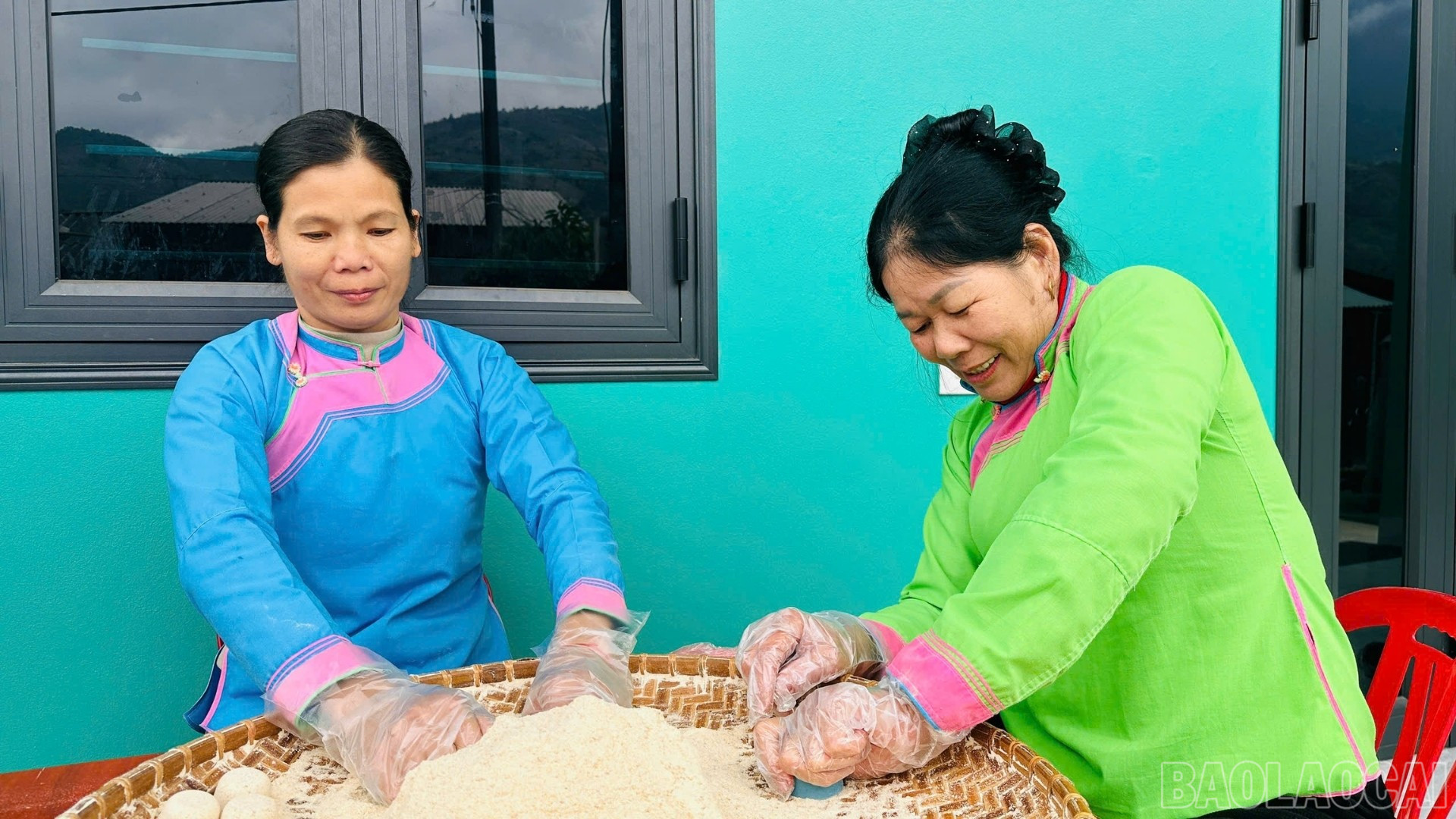
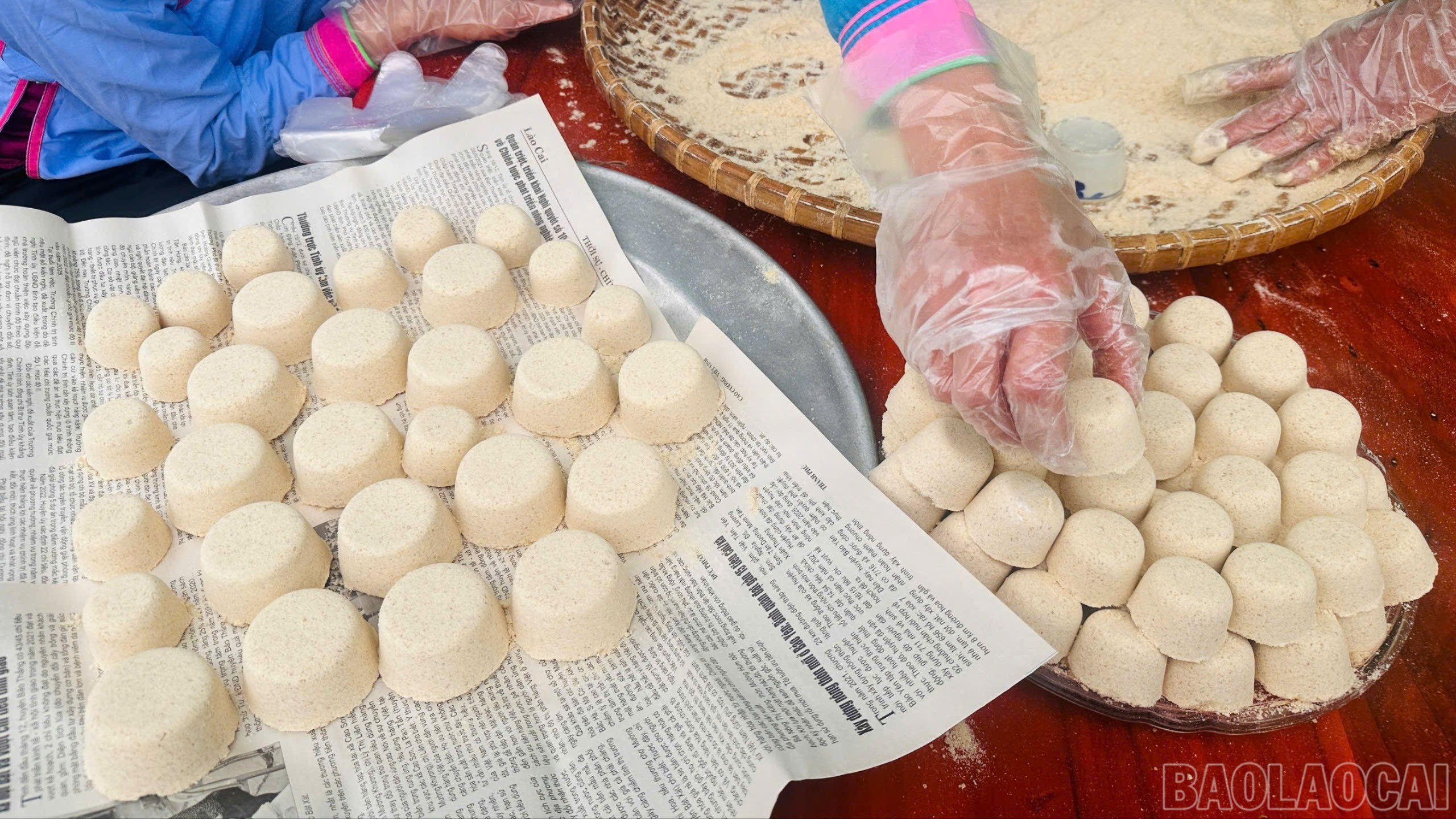
Next, the flour is mixed with cane sugar, a traditional type of sugar with a mild sweetness, which helps the cake bind together and maintain its shape when pressed into a mold. The molds for making "banh khao" cakes are also very diverse; some places make them square, others round, and they vary in size, but the common point is that the cake must be sharp, have a smooth surface, feel firm to the touch, and have the fragrant aroma of roasted glutinous rice.
According to elderly people, the "bánh khảo" cake originated from the ingenuity of women in the highlands during times of scarcity. Using only rice and sugar, they devised a method of roasting, grinding, fermenting, and molding to create cakes that could be easily carried while working in the fields. In the past, after Tet (Lunar New Year), these cakes were even saved for consumption throughout the month of January. A tired person returning from working in the fields could feel full after eating just 3 to 4 cakes.
Nowadays, life is more prosperous, but banh khao (rice flour cake) is still present on the altar during Tet (Lunar New Year), in the offerings to ancestors, and in gift packages sent to relatives and friends. Banh khao has also been creatively modified with fillings such as peanuts and sesame seeds, creating a rich, nutty flavor that harmonizes with the sweetness of sugar and the aroma of roasted glutinous rice.
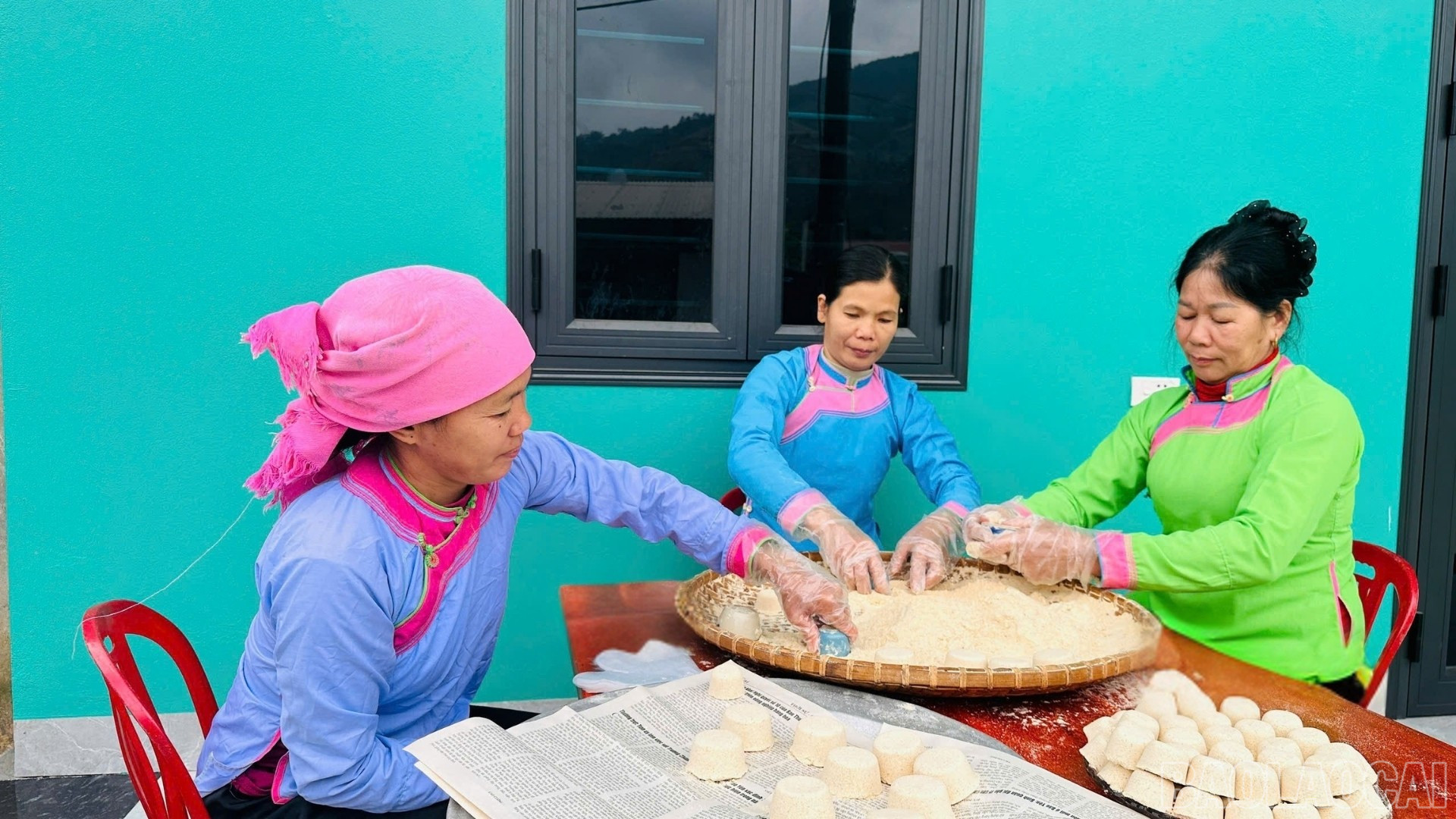
Mrs. Lang Thi Chu, also from Na An village, plans to make about 15 kilograms of rice for banh khao (a type of Vietnamese cake) this year. Of that, 5 kilograms will be for her family and relatives to enjoy during Tet (Vietnamese New Year), and she will take 10 kilograms to sell at the market.
“Every year in the twelfth lunar month (December), we start preparing the glutinous rice to make these cakes. Nowadays, there are many other Tet sweets and cakes, but my family still doesn't give up making this traditional type of cake. Not only do we let our children and grandchildren enjoy them, but we also offer them to our ancestors, and the rest we sell at the local market. Currently, I'm selling them for 25,000 VND per dozen. Many young people still really like these cakes, so I try my best to make them the traditional way,” the owner shared.
More than just a family tradition, the Tet rice cake is also recognized as a shared cultural value of the Giay people. Mr. Tan Lao Ta, Chairman of the Farmers' Association of Ban Xeo commune, believes that the rice cake is not simply a food item but a symbol deeply rooted in the customs and spiritual life of the Giay people. In modern life, the cake plays a crucial role in connecting generations, reminding the community of their origins and ethnic identity.
According to Mr. Ta, to preserve and promote the value of traditional Khao cake, the commune needs to pursue two approaches simultaneously: preserving the handcrafted cake-making process and maintaining the cultural essence; and improving quality and design, linking the product with community tourism promotion and developing OCOP (One Commune One Product) products. Then, Khao cake will not only be present in kitchens during Tet (Lunar New Year) but will also become a livelihood for local people.
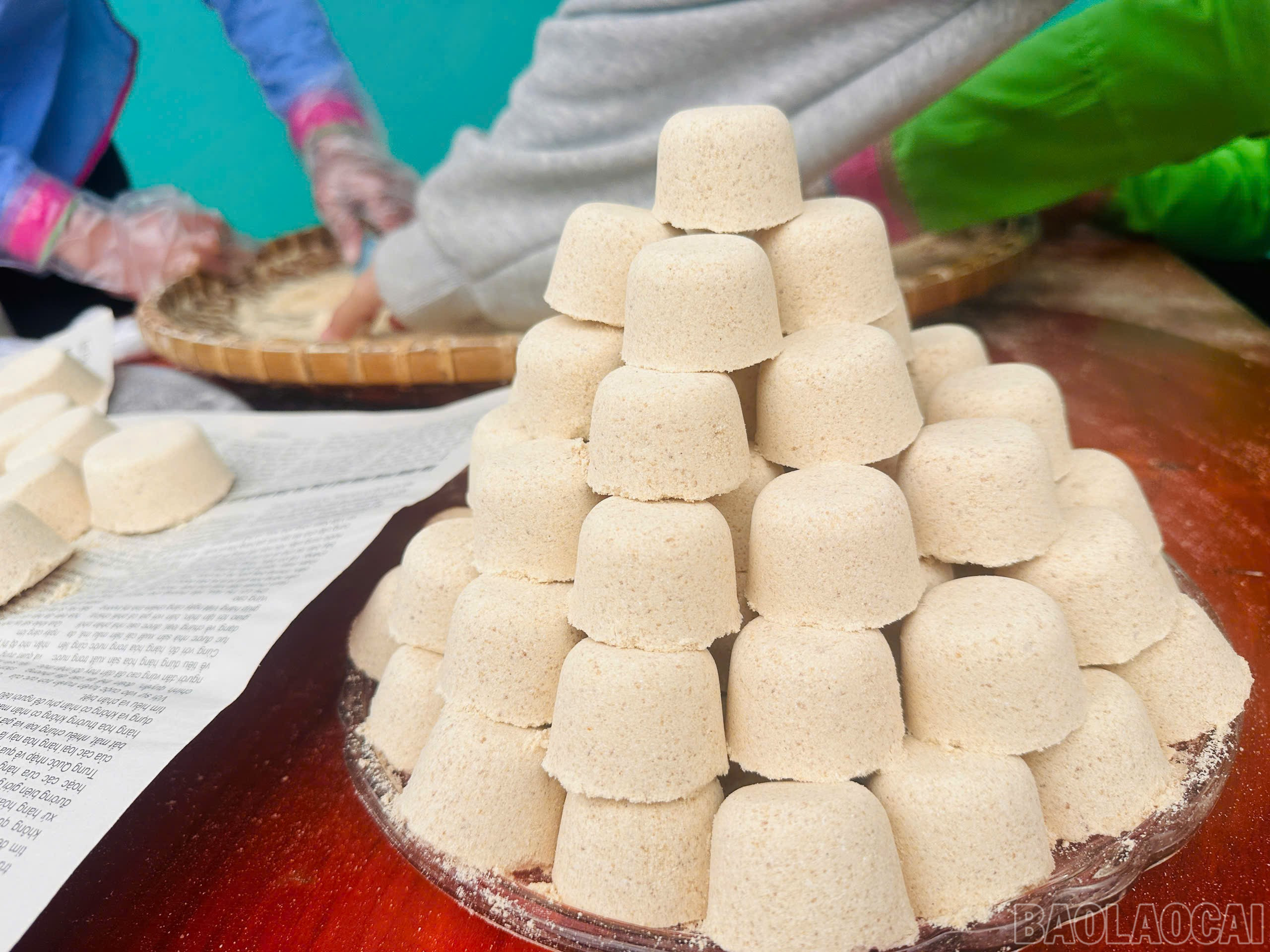
Amidst the cold winter weather of the highlands, savoring a rice cake with a cup of hot tea, feeling the delicate sweetness of the sugar, the nutty flavor of peanuts and sesame seeds, and the rich aroma of roasted glutinous rice, one feels Tet (Vietnamese New Year) drawing closer. And in that moment, this simple cake of the Giay people continues to be preserved and passed down like a thread connecting the past with the present, linking the Tet of yesteryear with the rhythm of life today.
Source: https://baolaocai.vn/giu-mon-banh-khao-ngay-tet-cua-nguoi-giay-post892325.html
![[Photo] Standing Committee member of the Party Central Committee Tran Cam Tu working with the Central Inspection Committee](https://vphoto.vietnam.vn/thumb/1200x675/vietnam/resource/IMAGE/2026/05/28/1779969579668_ndo_br_bnd-2495-jpg.webp)






















































Comment (0)