

Preserving traditional crafts in the face of extinction.
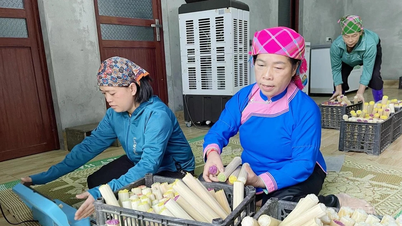
From the fiery red corn wine stills in Si Ma Cai, the traditional brocade weaving villages in Y Ty, Pha Long, and Mu Cang Chai, to the vermicelli making, Shan Tuyet tea processing, and rattan and bamboo weaving in many localities… a diverse "map" of traditional craft villages is present throughout Lao Cai province.
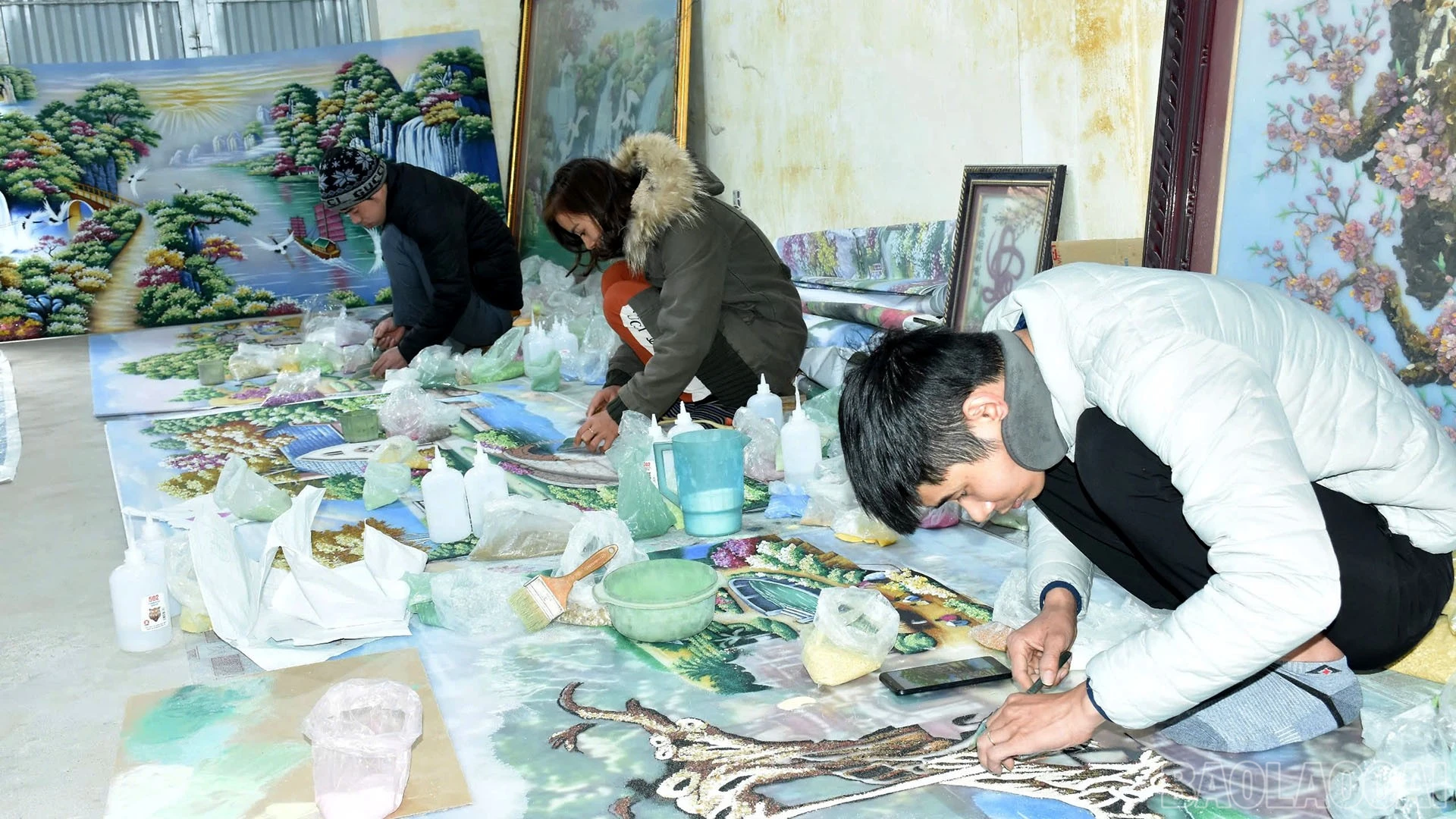
Many traditional crafts are creating jobs and increasing income for local workers.
More than just a means of livelihood, each craft village is also a repository of indigenous knowledge, production practices, and the cultural identity of ethnic communities. A review shows that the province currently has 66 craft villages, traditional crafts, and traditional craft villages; including 24 traditional crafts, 23 craft villages, and 19 traditional craft villages.
Over the years, traditional craft villages have contributed to creating local jobs and generating additional income for rural people, especially in mountainous areas. However, behind this colorful picture lie many concerns.
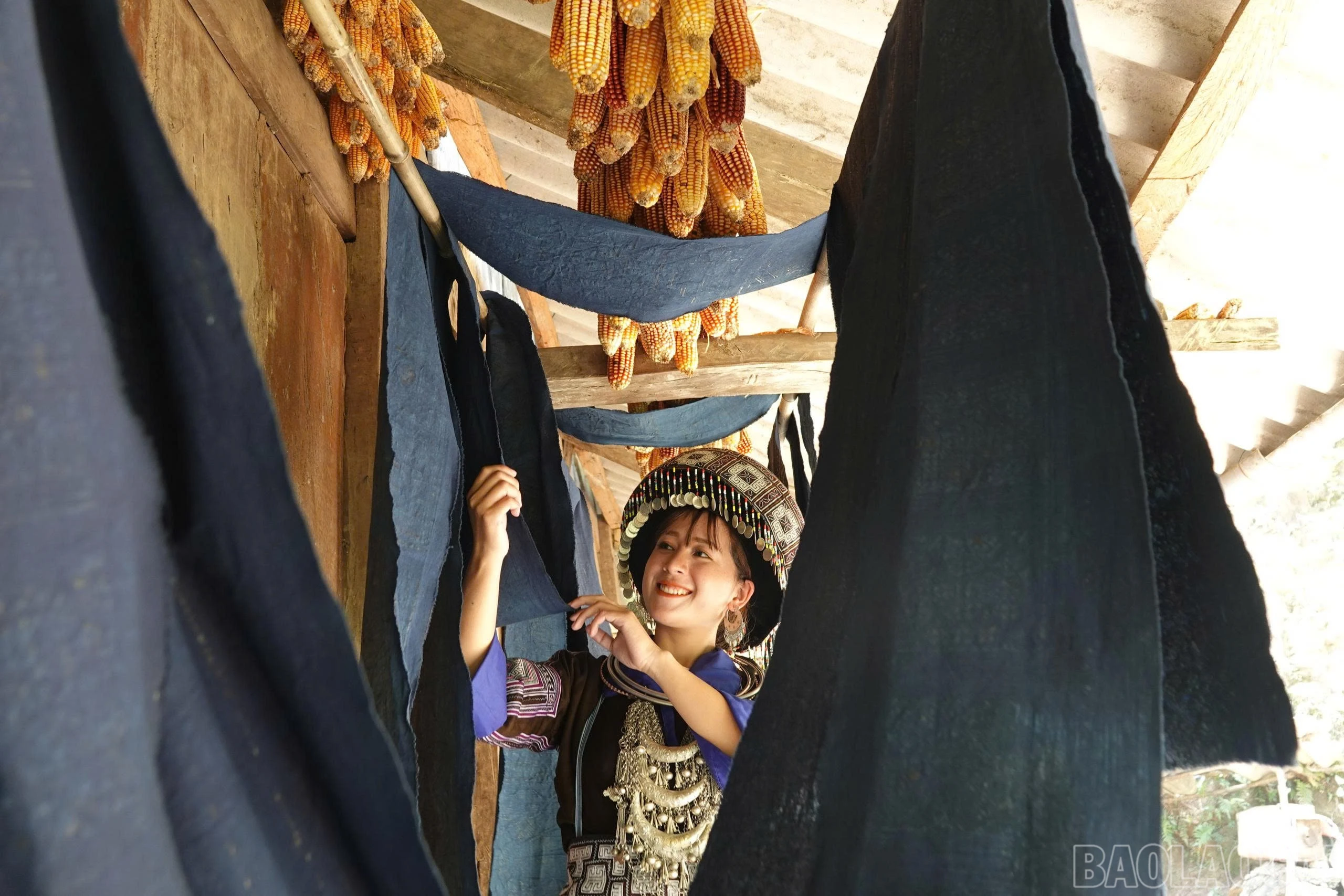
In reality, most production activities in craft villages remain small-scale, scattered, and lack integrated supply chains. As young workers tend to leave their hometowns for work elsewhere, the risk of traditional craft transmission becoming increasingly apparent. Meanwhile, many products, despite their sophistication, are slow to innovate in design and fail to keep up with market demands, resulting in low added value. These factors have led to many craft villages experiencing stagnant development.
The craft of weaving shrimp traps, once a familiar source of income for many households, is now gradually shrinking due to competition from industrial products. Rising raw material prices and uncertain market demand have made many young workers less enthusiastic about weaving bamboo strips and rattan fibers than before.
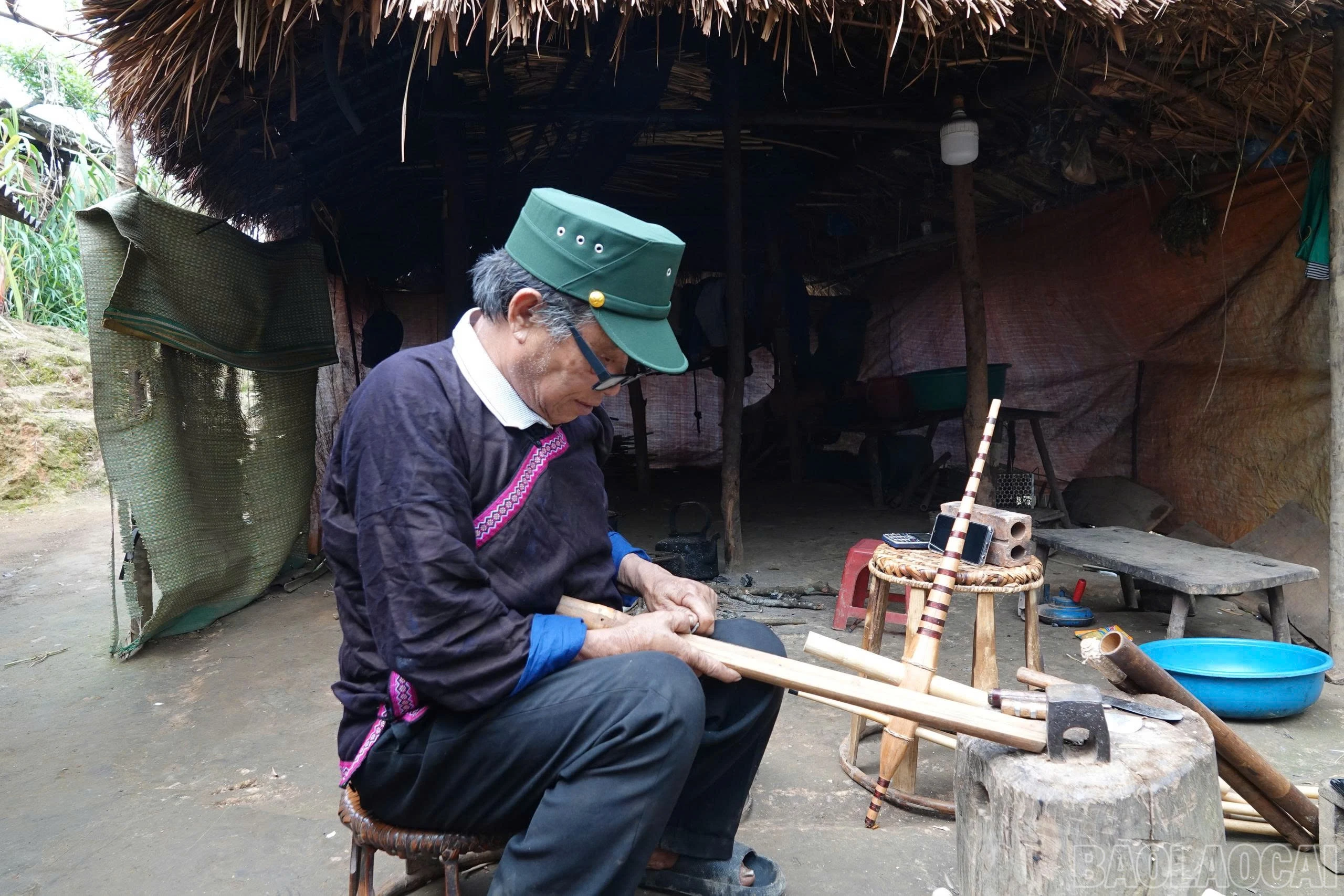
In many localities, elderly artisans quietly preserve their crafts, burdened by the lack of successors. Some crafts, once renowned, are now only maintained by a few households on a limited scale. Without timely reorganization of production, expansion of markets, and creation of stable incomes for the people, many traditional crafts face the risk of disappearing.
Ms. Lu Thi Mu, a member of the Mong Style Cooperative (Mu Cang Chai commune), said: "Each brocade pattern has its own story. If the younger generation doesn't know how to preserve and promote it, ethnic culture will fade away very quickly."
From conservation to creating livelihoods
In this context, the "One Commune, One Product" (OCOP) program is creating further impetus for traditional craft villages to innovate production methods and build brands. Currently, the province has 582 OCOP products, including: 527 products achieving 3 stars, 53 products achieving 4 stars, and 2 products achieving 5 stars. This is not only the result of product standardization but also opens up opportunities for many traditional crafts to connect with the market, tourism , and develop sustainable livelihoods for rural people.
From small-scale production, many businesses have gradually changed their mindset, focusing more on quality, design, and brand building to participate in the market.
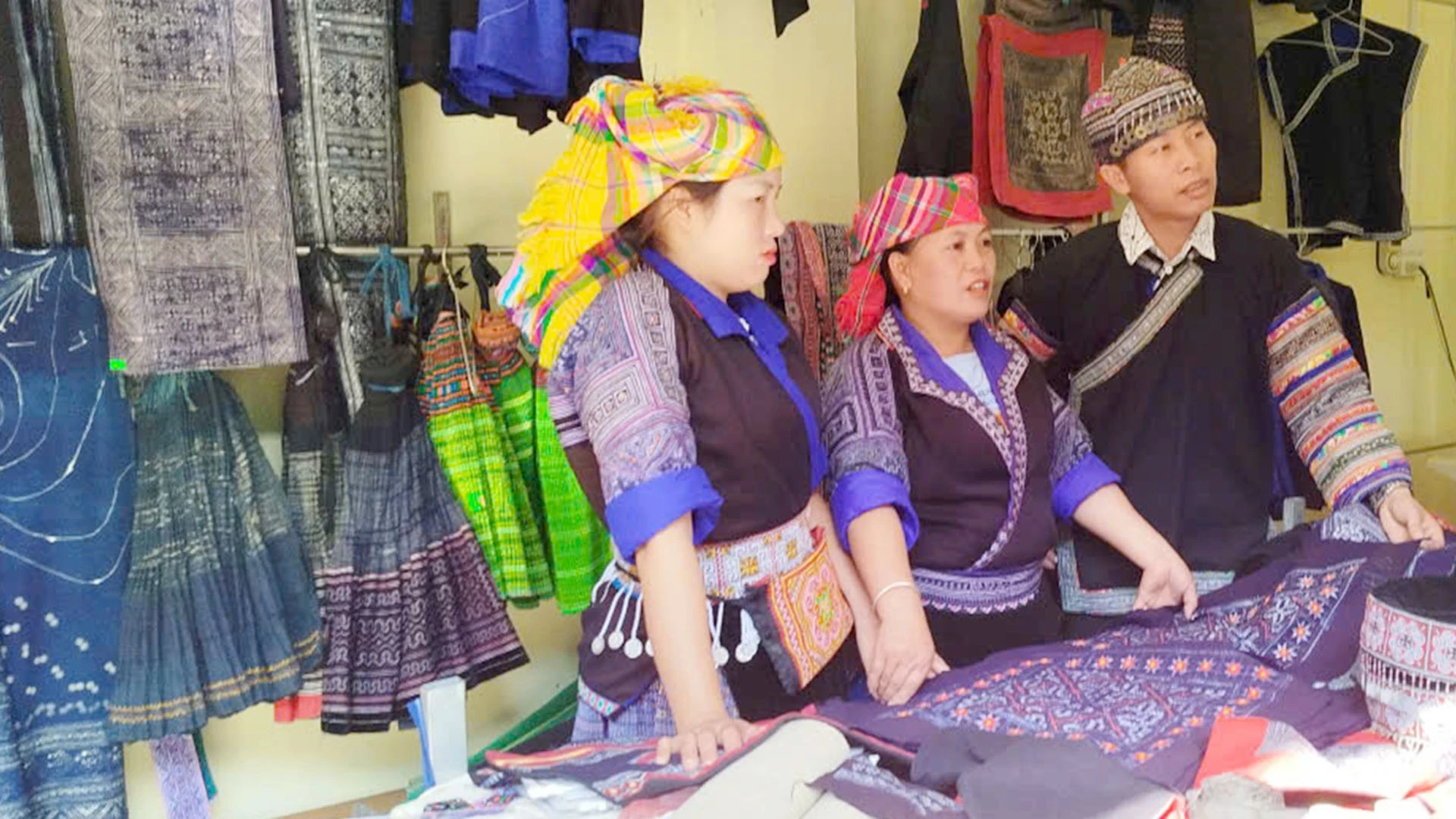
Traditional brocade products are being introduced and promoted to expand their consumer market.
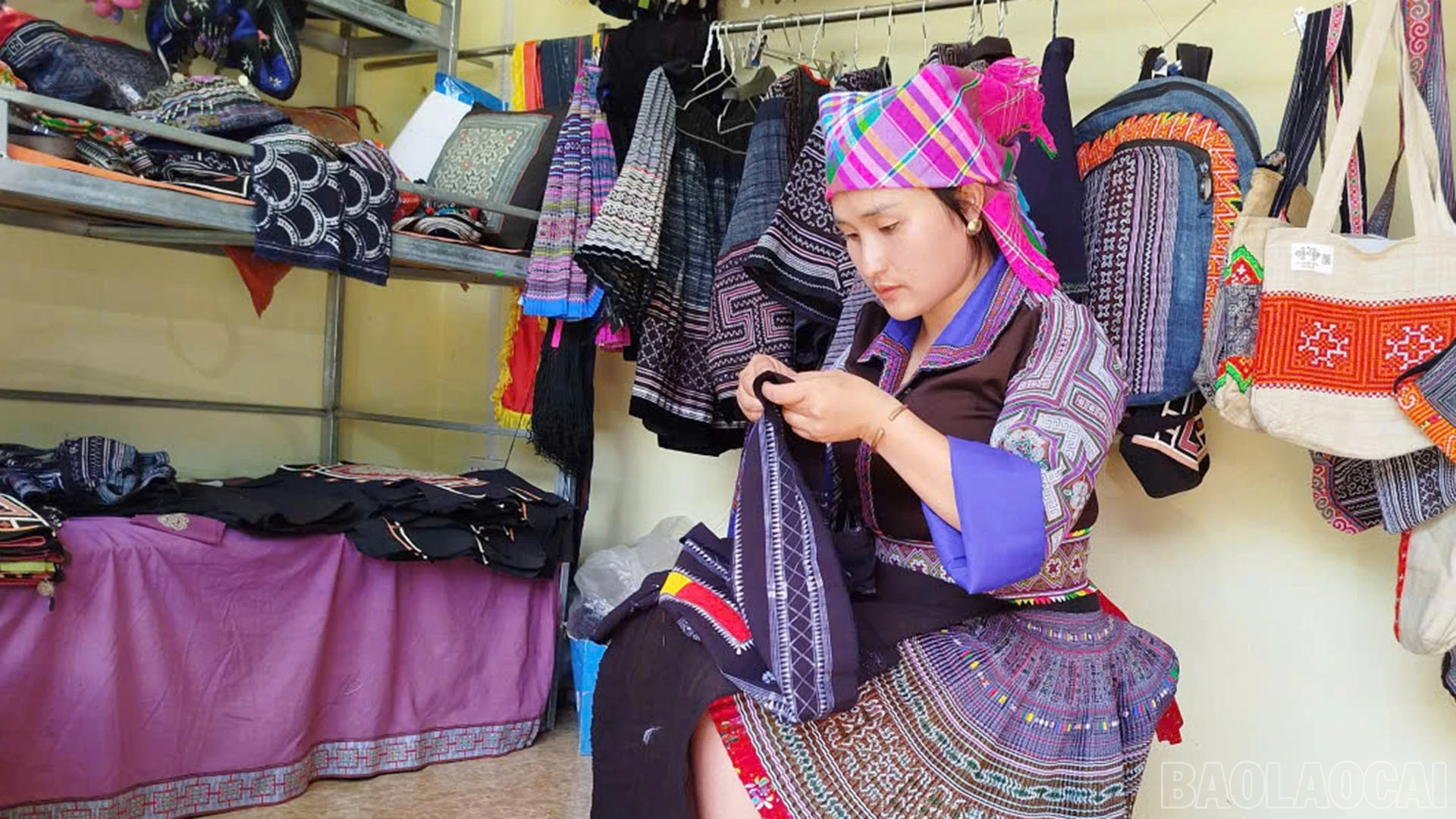
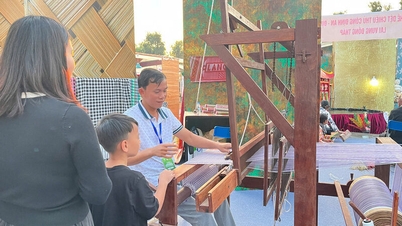
In Mu Cang Chai, the Mong Style Cooperative, headed by Ms. Ly Thi Ninh, currently maintains 5 core members and provides regular employment for nearly 50 local women through the production of traditional brocade products.
From beeswax painting and indigo dyeing to embroidery and finishing the products, many women in the highlands now have a stable source of income from their ethnic group's traditional craft. During peak tourist seasons, these women work almost continuously to meet orders for brocade fabrics for tourists. Thanks to this traditional craft, many workers have a stable income, reaching up to 10 million VND per month during peak periods.
"Previously, I never thought my brocade products could be known by foreign tourists. But after participating in many fairs, tourists have become more interested and placed more orders. What makes me happiest is that the women in the village have earned extra income from their traditional ethnic craft," Ms. Ninh shared.
In addition to selling products, the cooperative also organizes tours for tourists to experience the production process, transforming cultural values into unique tourism products.
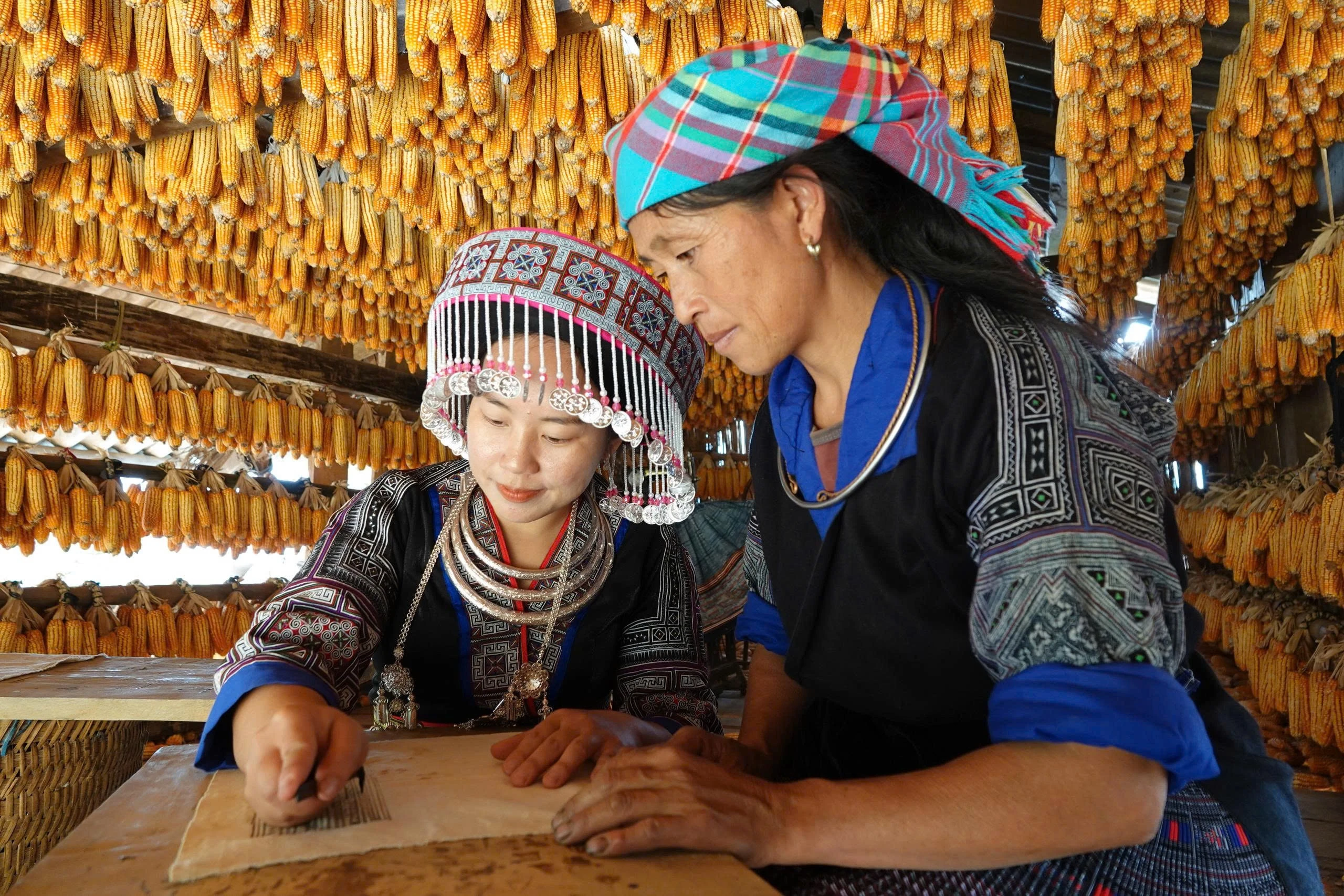
In addition, the Mong Style Cooperative provides free vocational training to local women and connects them with orders to help many women earn extra income.
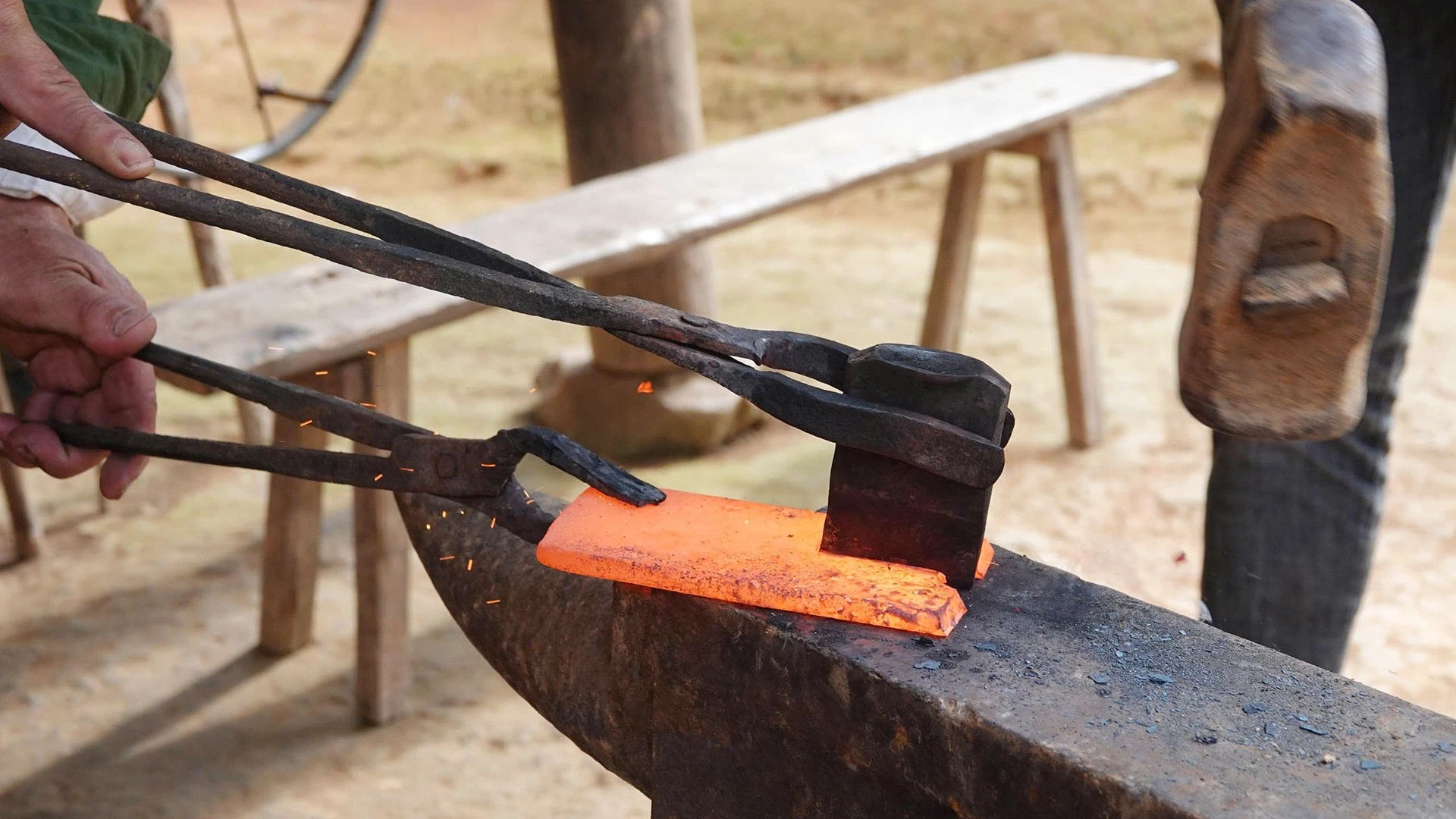
It's not just brocade weaving; many other traditional crafts are also striving to adapt in order to survive. In De Thang village, Mr. Ho Cho Ly's blacksmith shop still burns brightly every day. The familiar sounds of hammers and anvils not only create agricultural tools but also become an experience that attracts tourists to the highlands.
"New vitality" from policy
Despite some promising signs, the models generally remain fragmented and lack integrated supply chains. The major bottlenecks currently are small-scale production, unstable raw material supply, limited infrastructure, and environmental concerns.
In the context of many traditional craft villages facing the risk of extinction, the issuance of Plan 168/KH-UBND by the Provincial People's Committee on the preservation and development of traditional craft villages for the period 2026-2030 is considered an important step to revitalize rural areas. Beyond the goal of preservation, the plan aims to restore traditional crafts, linking them with the development of commodity production, creating jobs, increasing income, and developing rural tourism.
According to the set targets, by 2030, Lao Cai aims to have approximately 75% of its craft villages linked to rural tourism development; 70% of craft villages operating effectively; 80% of the workforce trained and having their skills upgraded; and 40% of craft villages having OCOP products.
This is not only a goal of cultural preservation but also a guideline for people to be able to make a living from their craft, become wealthy from it, and maintain their craft based on market demand.
To realize the above goal, it is necessary to innovate production methods, link households into cooperatives and production groups to ensure quality and market access. The model of craft villages combined with experiential tourism needs to be invested in comprehensively so that tourists not only buy goods but also listen to stories of local culture.
In reality, with reorganized production and support for market connections, many craft villages have preserved their cultural identity and gradually become a sustainable source of livelihood. From brocade fabrics and blazing blacksmiths' forges to traditional processed products, cultural values are gradually being transformed into economic value.
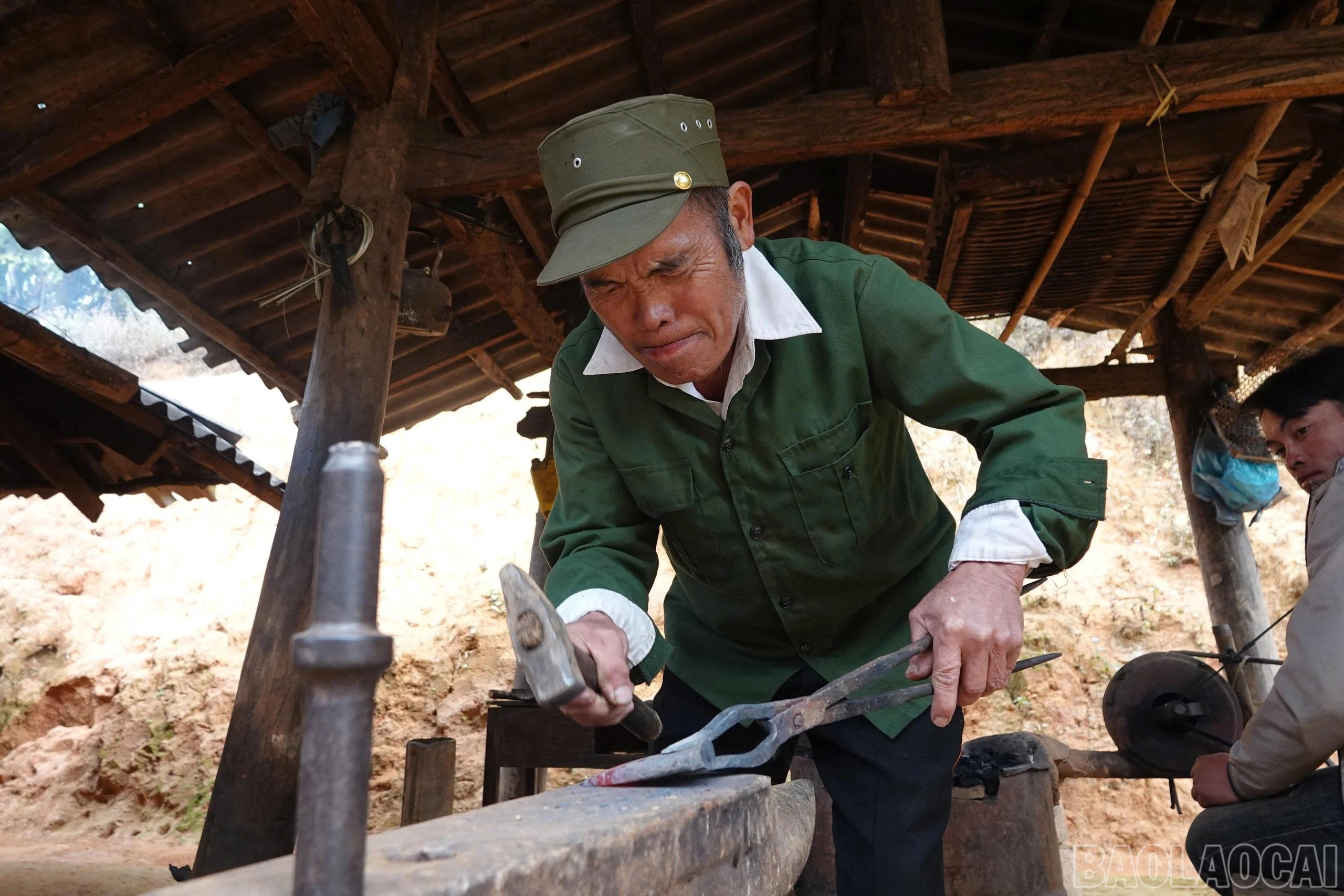
With the right support through new mechanisms and mindsets, traditional craft villages in Lao Cai can fully become a driving force for rural economic development, creating local jobs and retaining highland labor in the coming period.
Source: https://baolaocai.vn/giu-nghe-truyen-thong-mo-loi-sinh-ke-ben-vung-post899257.html



![[Image] Pleasant weather helps students enter the 10th grade entrance exam with confidence.](https://vphoto.vietnam.vn/thumb/1200x675/vietnam/resource/IMAGE/2026/05/29/1780034401612_ngay-1-thi-lop-10-minh-duy-8-5009-jpg.webp)

![[Photo] Ba Lang An Lighthouse - the "eye of the sea" amidst the "rock museum" of Quang Ngai province.](https://vphoto.vietnam.vn/thumb/1200x675/vietnam/resource/IMAGE/2026/05/29/1780038698840_anh-man-hinh-2026-05-29-luc-14-10-42.png)


























































































Comment (0)