

Improving institutions - the key to unlocking the path.
Culture has been identified as an intrinsic strength and a pillar of sustainable development. However, for that aspiration to become a reality, Vietnam needs a synchronized, flexible, and sufficiently strong institutional system where the State, businesses, and the creative community work together to create value.
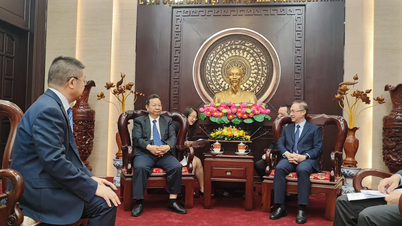
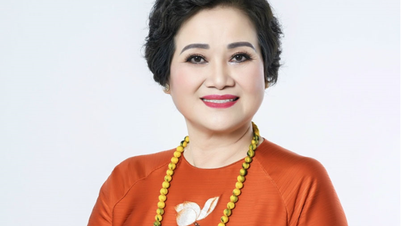
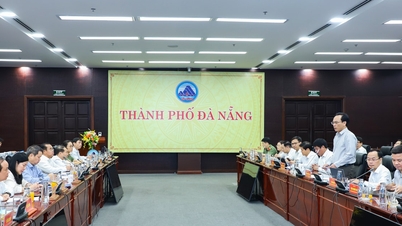
Speaking at the conference, Associate Professor Dr. Nguyen Thi Thu Phuong, Director of the Vietnam Institute of Culture, Arts, Sports and Tourism, emphasized that Vietnam has a clear vision and strategy for developing the cultural industry, so "the biggest bottleneck today is not in the vision, but in the institutional framework."
Although resolutions and strategies have clearly defined the role of the cultural industry, the operational and coordination mechanisms remain fragmented, lacking cohesion between central and local levels, and between the State, businesses, and the creative community. This gap is evident at three levels: a lack of sufficiently strong coordination mechanisms to connect culture with other sectors; a lack of specific policy and investment tools; and a lack of flexible coordination mechanisms between different levels of management.
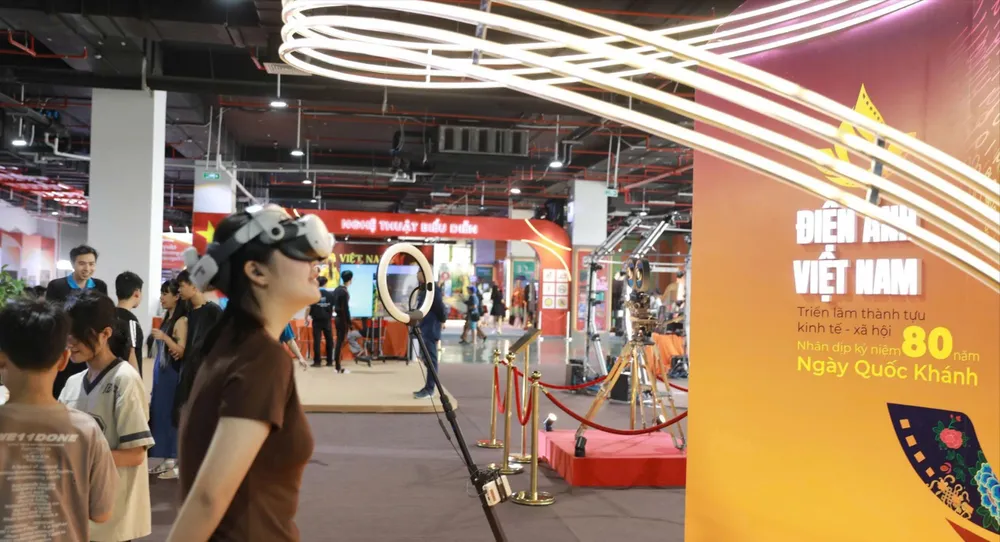
Associate Professor Dr. Nguyen Thi Thu Phuong noted that, in the context of Vietnam operating a two-tiered local government model, the harmonious combination of "hard institutions" (administrative and legal) and "soft institutions" (culture and creativity) becomes even more urgent. Without timely adjustments, the cultural industry will remain merely a potential driver and will not be able to become a true growth engine.
Therefore, perfecting institutions is not just a management requirement, but a strategic step directly linked to the country's sustainable development capacity. When culture is considered the foundation of soft institutions, the cultural industry not only creates innovative products, but also builds social trust, local identity, and the attractiveness of the investment environment.
Promoting the PPP model
Representing the British Council, Ms. Pham Hong Minh shared that in the United Kingdom, in 2023 alone, the creative industry contributed £124 billion, accounting for 5.2% of GDP and creating 2.4 million jobs. This success stems from a robust and flexible institutional system, in which the central government , independent agencies, and local authorities work closely together. According to her, Vietnam should encourage the formation of national arts funds, regional creative funds, and promote public-private partnerships (PPP) to create sustainable resources for the industry's development.
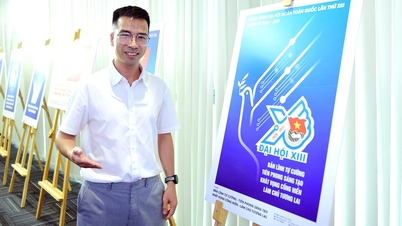
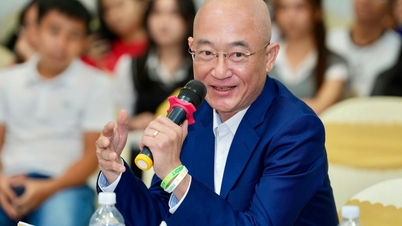
Based on domestic experience, Mr. Pham Minh Toan, General Director of Vietfest (specializing in organizing large-scale cultural and entertainment projects), believes that PPP is an "effective model for connecting the State, businesses, and the creative community." Citing experiences from the UK, South Korea, Japan, and Singapore, he proposed issuing a separate decree on PPP in the cultural sector, allowing intellectual property and trademarks to be considered as a form of capital contribution; and establishing a National Creative Content Development Fund based on the KOCCA model (South Korea). Piloting the National Cultural PPP Center in Ho Chi Minh City would help create creative cooperation zones, tax incentives, and infrastructure for cultural businesses.
From an academic perspective, Dr. Nguyen Thi Thu Ha, from the Vietnam Institute of Culture, Arts, Sports and Tourism, believes that China's experience offers many valuable insights. This country has integrated the cultural industry with its long-term socio-economic development strategy, building art districts such as 798 (Beijing) or Moganshan 50 (Shanghai)... where businesses, artists, and investors converge. Vietnam could apply this model to build a cultural industry ecosystem linked to creative cities and the digital economy.
Based on these international experiences, many experts agree that Vietnam should proactively translate awareness into concrete actions: perfecting the inter-sectoral institutional framework; creating specific financial mechanisms for creative businesses; and decentralizing power more strongly to cultural, tourism, and heritage cities. As Associate Professor Dr. Nguyen Thi Thu Phuong affirmed, only when the institutional framework is perfected will "the cultural industry truly become a pillar of development, contributing to promoting harmonious growth between the economy, culture, and people."
Source: https://www.sggp.org.vn/go-diem-nghen-de-cong-nghiep-van-hoa-cat-canh-post821934.html

![[Photo] Ba Lang An Lighthouse - the "eye of the sea" amidst the "rock museum" of Quang Ngai province.](https://vphoto.vietnam.vn/thumb/1200x675/vietnam/resource/IMAGE/2026/05/29/1780038698840_anh-man-hinh-2026-05-29-luc-14-10-42.png)
![[Image] Pleasant weather helps students enter the 10th grade entrance exam with confidence.](https://vphoto.vietnam.vn/thumb/1200x675/vietnam/resource/IMAGE/2026/05/29/1780034401612_ngay-1-thi-lop-10-minh-duy-8-5009-jpg.webp)























































Comment (0)