

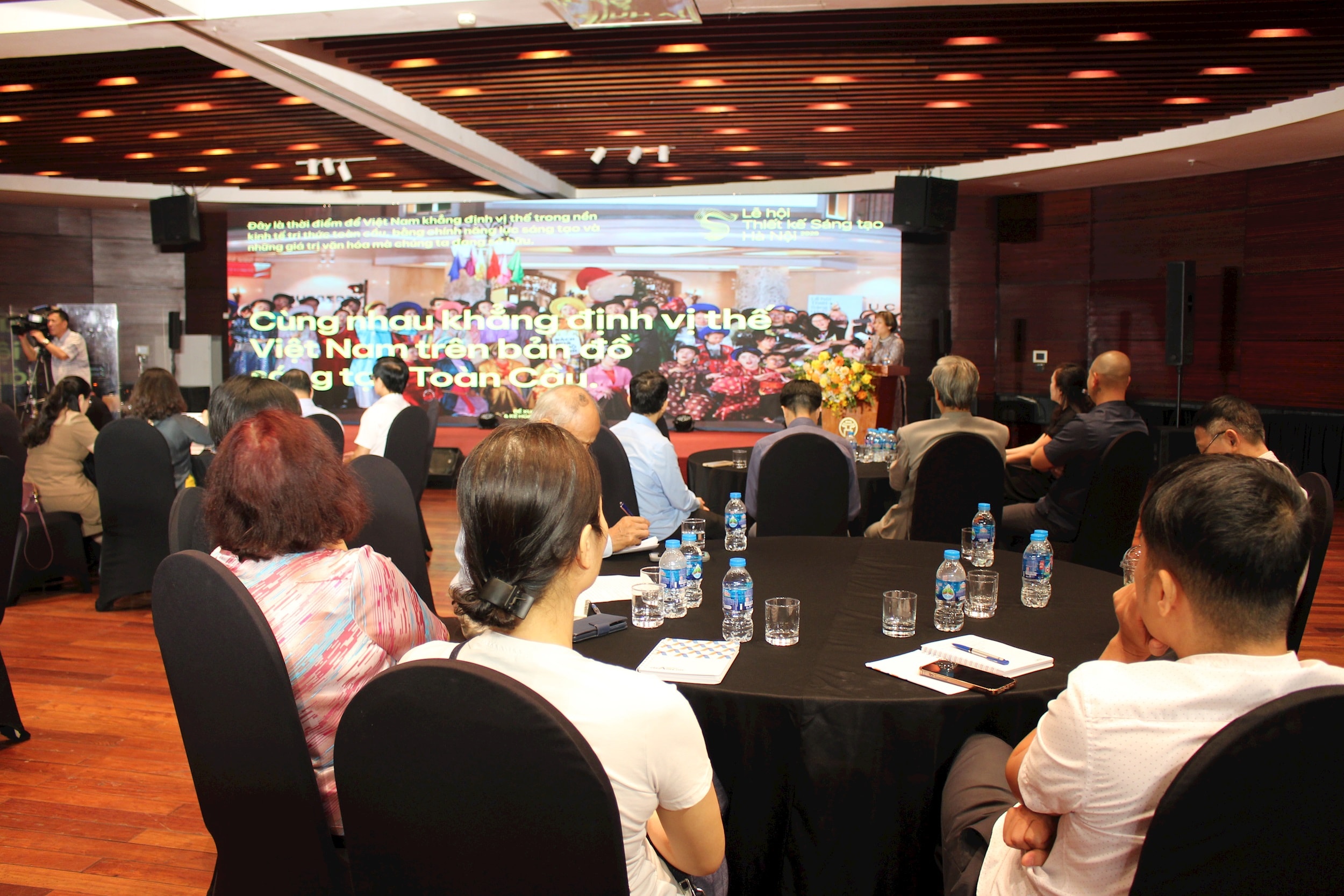
Many difficulties in operation.
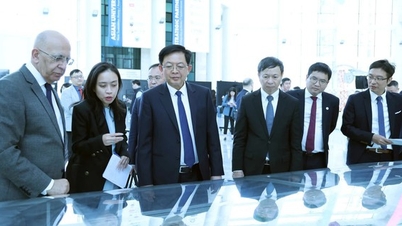
Speaking at the event, Ms. Bui Thi Huong Thuy, Deputy Head of the Cultural Heritage Management Department (Hanoi Department of Culture and Sports), emphasized that in recent years, non-governmental museums have gradually affirmed their important role in forming unique cultural spaces, contributing to promoting the "soft power" of Vietnamese culture. The implementation of the city's policies and resolutions on the development of the cultural industry has created favorable conditions for the development of the non-governmental museum system, making them attractive cultural, educational , and tourist destinations.
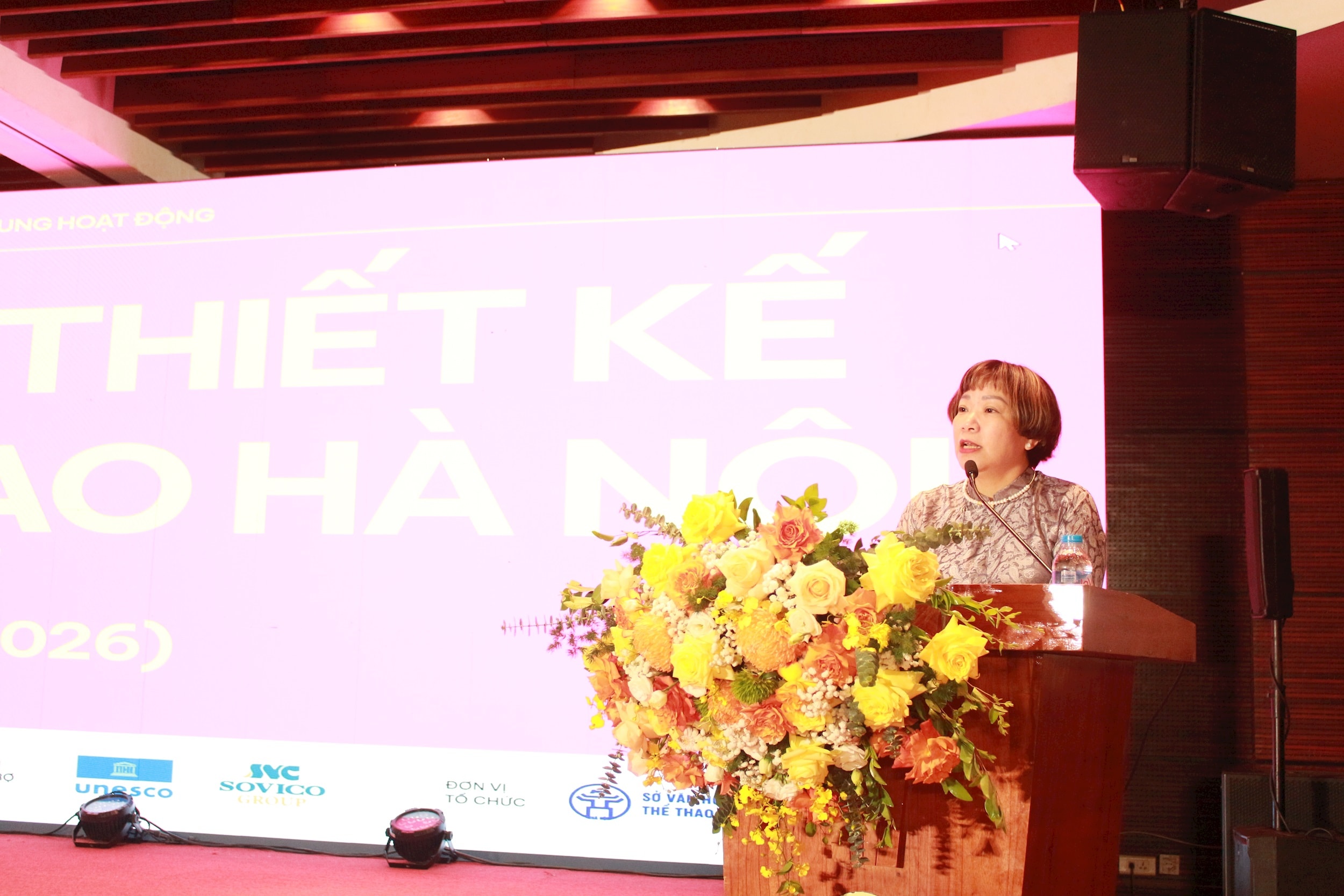
The implementation of Resolution 09-NQ/TU of the Hanoi City Party Committee on the development of the cultural industry has created an important foundation for the non-governmental museum system to play its role and contribute to the formation of diverse cultural spaces in urban life.
However, despite the achievements, non-governmental museums still face many difficulties, especially limitations in facilities and investment resources. Some operating models are still isolated, lacking coordination, and have not created a strong impact in the community.
According to statistics from the Hanoi Creative Activities Coordination Center, the city currently has 23 non-governmental museums with diverse exhibition content, of which history and culture account for about 60%, art and fine arts 24%, and science and specialized fields 16%. Besides preserving many valuable collections, these museums also contribute to creating creative experiential spaces and raising community awareness, especially among the younger generation, about cultural heritage.
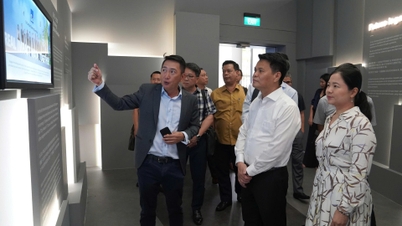
During the program, delegates focused on discussing the conservation of artifacts, the application of digital technology in exhibitions and communication, as well as solutions to strengthen the connection between museums and education, tourism, and creative industries.
Mr. Nguyen Xuan Thiet, Executive Director of the Stained Glass Art Museum, said that the museum was formed from a collection of nearly 2,000 valuable artifacts, meticulously collected over nearly 40 years from many countries. The exhibition space, spanning over 2,000 square meters at the Da Vinci Camp (Suoi Hai commune, Hanoi), has provided a unique aesthetic experience for the public.
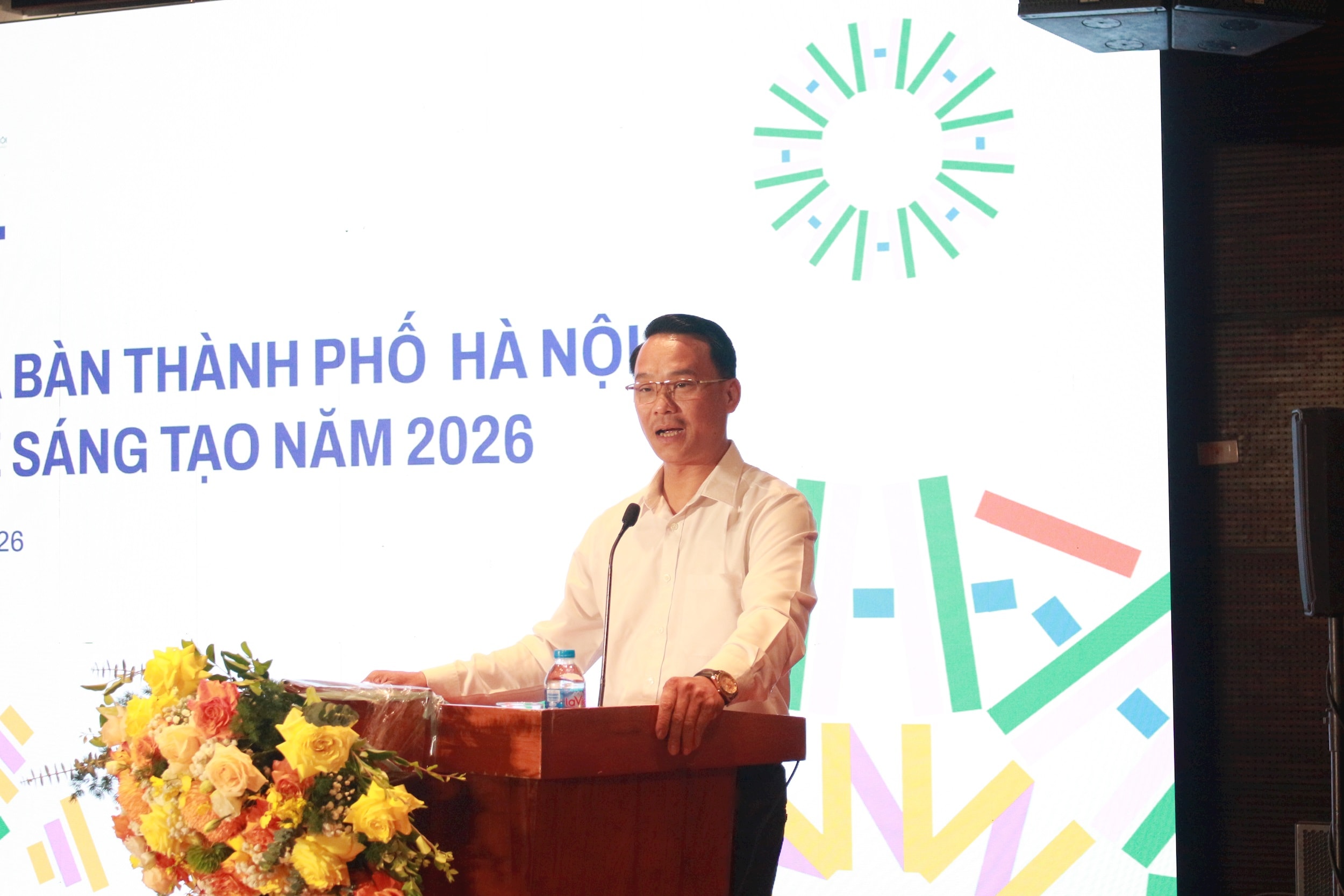
Despite possessing unique professional and cultural value, museums still face many obstacles in having to be completely self-sufficient financially, from land investment and construction to operation. Mr. Nguyen Xuan Thiet proposed that appropriate support policies regarding taxes, land, digital transformation, and community communication are needed to create more favorable conditions for the sustainable development of non-governmental museums.
Sharing similar concerns, Mr. Nguyen Van Thang, Director of the Lai Xa Photography Museum, stated that the museum's facilities are seriously deteriorating. Leaks and mold after heavy rains directly affect the preservation of artifacts. Although numerous requests have been made to the local authorities, the proposed solutions remain unresolved due to a lack of clarity in the management mechanism.
In addition to facing challenges regarding infrastructure, many museums also encounter obstacles in expanding experiential activities. There is a great need to create creative spaces such as photo studios and visitor experience zones, but limitations in funding and mechanisms prevent these ideas from being implemented.
Based on this reality, representatives of private museums argue that there needs to be a "conductor" to coordinate and connect museums with management agencies and businesses. This is a crucial condition for forming a dynamic museum ecosystem with the potential for widespread impact.
Increase connections, expand creative space.
During the program, Dr. Nguyen The Hung, Vice President and Secretary General of the Vietnam Cultural Heritage Association, stated that there are currently 218 museums nationwide, including 81 non-governmental museums. The establishment and development of museums are closely linked to the progress of society, reflecting the need to preserve, transmit, and promote the value of heritage. Both public and non-governmental museum systems have important positions and roles, with no distinction in development orientation. However, non-governmental museums still face many difficulties and need more attention, support, and favorable conditions for operation.
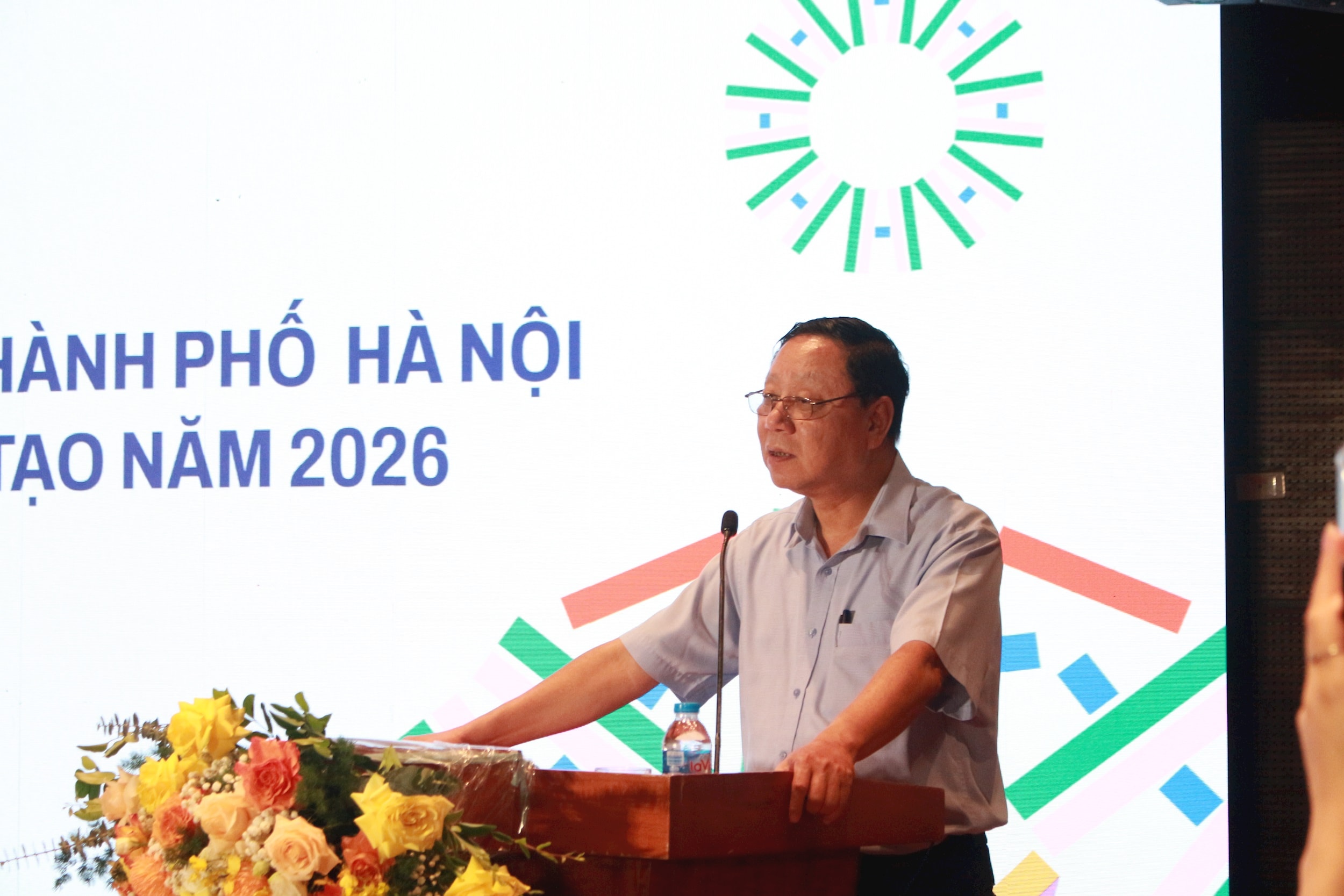
According to the Director of the Hanoi Museum, Nguyen Tien Da, the Hanoi Department of Culture and Sports has published a digital map of creative spaces and will also develop a digital map of the non-public museum system. This platform will help the public easily access information, contributing to bringing heritage closer to life.
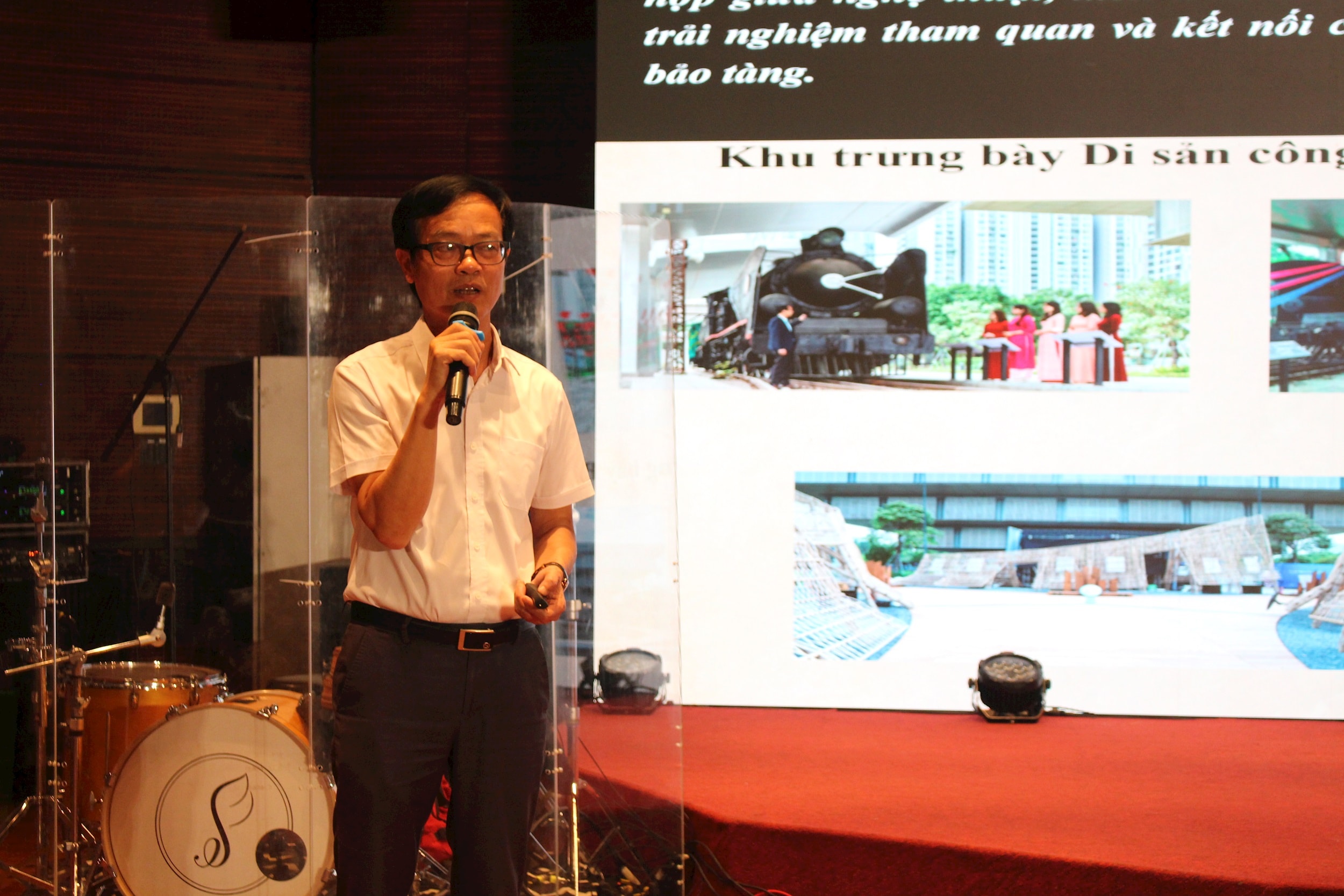
In the coming period, the Hanoi Museum will strengthen its connections and support for non-governmental museums through professional activities such as advising on artifact preservation, sharing exhibition experiences, and organizing visits and study tours of their models.
Mr. Nguyen Tien Da stated that the city will promote linkages between museums and tourism businesses to form tour routes, while also encouraging creative exhibition ideas. Typical models and designs may be selected for presentation at the Hanoi Museum in the near future.
"With a proactive, collaborative, and connected spirit, we expect the museum system to gradually develop sustainably, making a positive contribution to the realization of resolutions on cultural development and the Capital City Law of 2026," Mr. Nguyen Tien Da emphasized.
At the seminar, the Organizing Committee also provided information about the Hanoi Creative Design Festival 2026. Accordingly, this year's festival has many new features, being implemented in four phases, from launching creative competitions and organizing a series of "Creative Summer" activities to the peak in November 2026.
The festival space is being expanded to connect heritage sites, parks, and public areas, with Dong Xuan Market identified as the "heart" of the festival, aiming to build a model of a traditional market linked to creativity, connecting artisans and the finest aspects of Hanoi's craft villages. In addition, spaces such as the Red River area, the park system, and the network of creative spaces throughout the city are also proposed to participate.
The organizers expect that with the participation of non-governmental museums, artisans, artists, creative businesses, and the community, the Hanoi Creative Design Festival 2026 will create a co-creative force, contributing to positioning Hanoi on the global creative map.
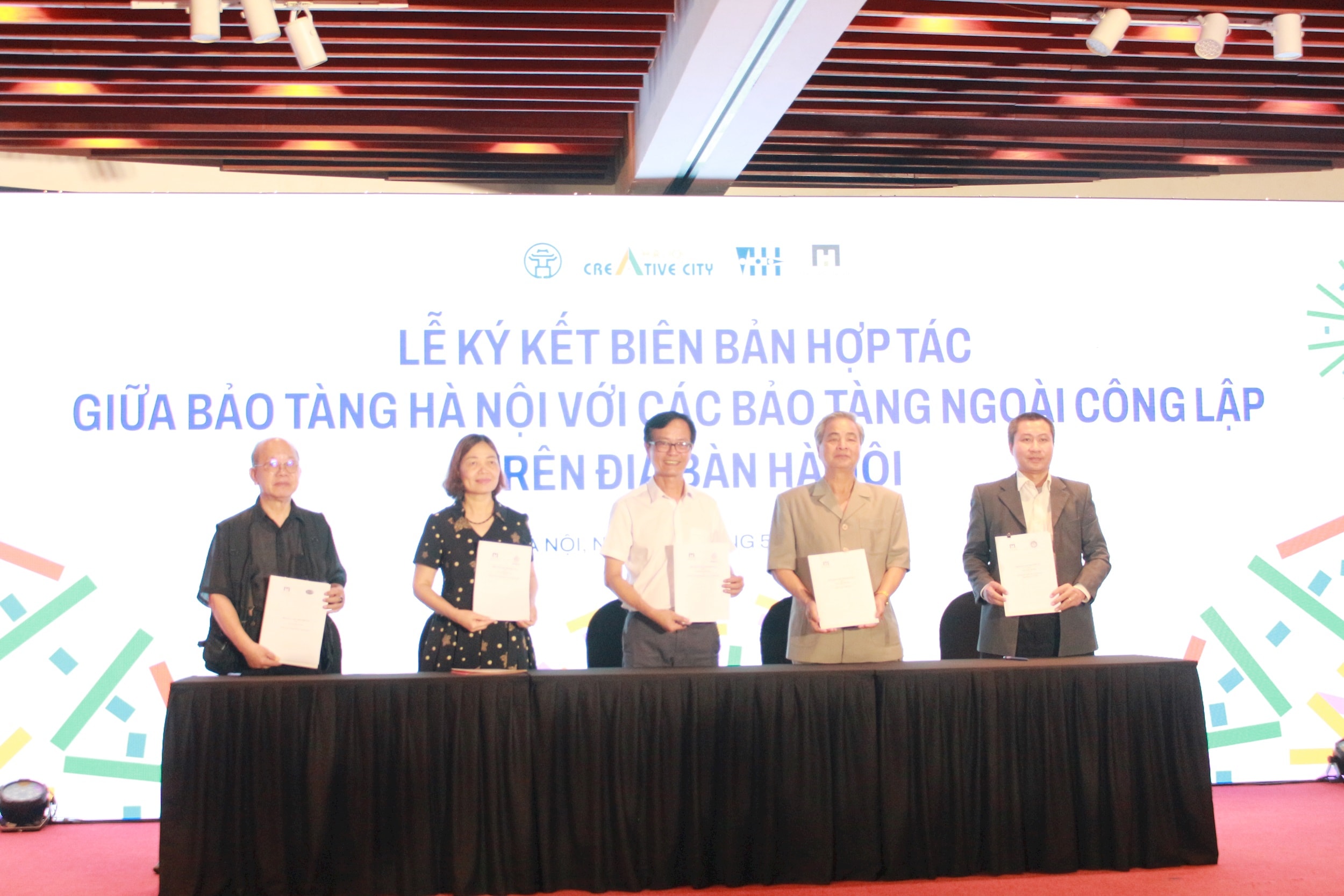
Within the framework of the program, participating units signed a Memorandum of Understanding (MOU) to strengthen the connection of tours and travel routes between museums and travel businesses, opening up new avenues in exploiting heritage values in conjunction with the development of a creative economy.
Source: https://hanoimoi.vn/go-nut-that-de-bao-tang-ngoai-cong-lap-but-pha-976138.html
![[Photo] Admire the coral "masterpiece" amidst the million-year-old heritage of Dak Lak province.](https://vphoto.vietnam.vn/thumb/1200x675/vietnam/resource/IMAGE/2026/05/30/1780107638639_y25-jpg.webp)









































































Comment (0)