

According to the Department of Disease Prevention ( Ministry of Health ), Chikungunya disease is rapidly increasing worldwide, especially in the Indian Ocean islands, many African countries, South Asia, and Europe. In Guangdong province (China), more than 4,800 cases were recorded in the first half of 2025 alone – the largest outbreak ever in the region.

Chikungunya is an infectious disease caused by the Chikungunya virus, transmitted by Aedes mosquitoes – the same type of mosquito that transmits dengue fever. The disease is usually milder than dengue fever, but it can be more complicated in the elderly and those with underlying health conditions. Currently, there is no specific treatment.
In Vietnam, although no community cases have been detected, the risk of the disease entering the country remains due to the large number of tourists and business travelers coming from areas with outbreaks.
In Ha Tinh province, the Provincial Center for Disease Control (CDC) has implemented many proactive prevention and control measures. Health quarantine at border gates and seaports has been tightened to detect and promptly handle suspected cases, carriers of the disease, or disease vectors.
According to Master's degree holder Tran Quoc Dung, Deputy Head of the International Health Quarantine Department – CDC Ha Tinh: “We maintain a 24/7 presence at border gates and seaports to monitor the health of crew members and incoming travelers, especially those from countries and territories experiencing outbreaks, in order to promptly implement measures to prevent and control the Chikungunya epidemic.”
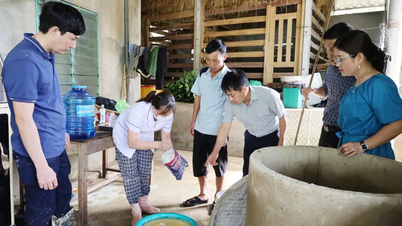
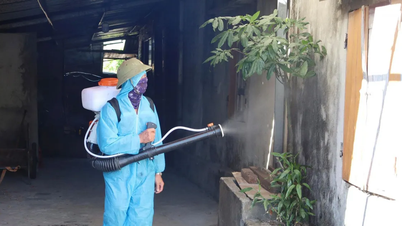
The Ha Tinh CDC is also stepping up monitoring of people returning to the locality from epidemic areas, monitoring at medical facilities, and monitoring disease-carrying mosquitoes; disseminating information and guiding people to kill mosquitoes and eliminate larvae/pupae in the community; and preparing sufficient personnel, chemicals, and equipment to be ready to respond when an outbreak occurs.
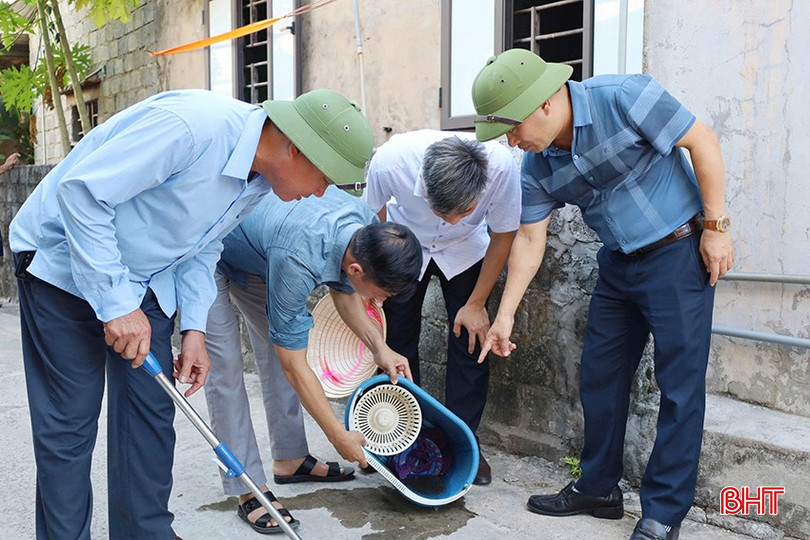
Dr. Nguyen Chi Thanh, Director of the Ha Tinh CDC, warned: “Summer is the time when mosquito density is high, coupled with the increase in tourists traveling to and from Vietnam, the risk of disease entering and spreading in the community is very high. People coming from areas with outbreaks need to monitor their health for 12 days. If symptoms such as sudden high fever, joint pain, rash, etc., appear, they must immediately go to a medical facility for examination and timely treatment.”
To prevent Chikungunya, the Ha Tinh CDC recommends: Covering water containers tightly to prevent mosquitoes from laying eggs; washing water containers weekly; introducing fish into large water tanks and containers; collecting and removing waste materials that collect water; sleeping under mosquito nets, even during the day, and wearing long clothing to avoid mosquito bites; cooperating with the health sector during disease prevention spraying campaigns; and not self-treating at home when symptoms appear.
Preventing and controlling Chikungunya outbreaks is similar to preventing dengue fever. The proactive efforts of each individual will play a crucial role in protecting their own health, the health of their families, and the community.
Source: https://baohatinh.vn/ha-tinh-lap-la-chan-ngan-dich-benh-chikungunya-post293607.html













































































Comment (0)