

The unpredictable developments in the Middle East are causing concern for civilian pilots every time they fly over conflict hotspots.
Potential risks
Some pilots working for airlines are reportedly resentful that their companies are maintaining flight paths into the airspace of hotspots in the Middle East.
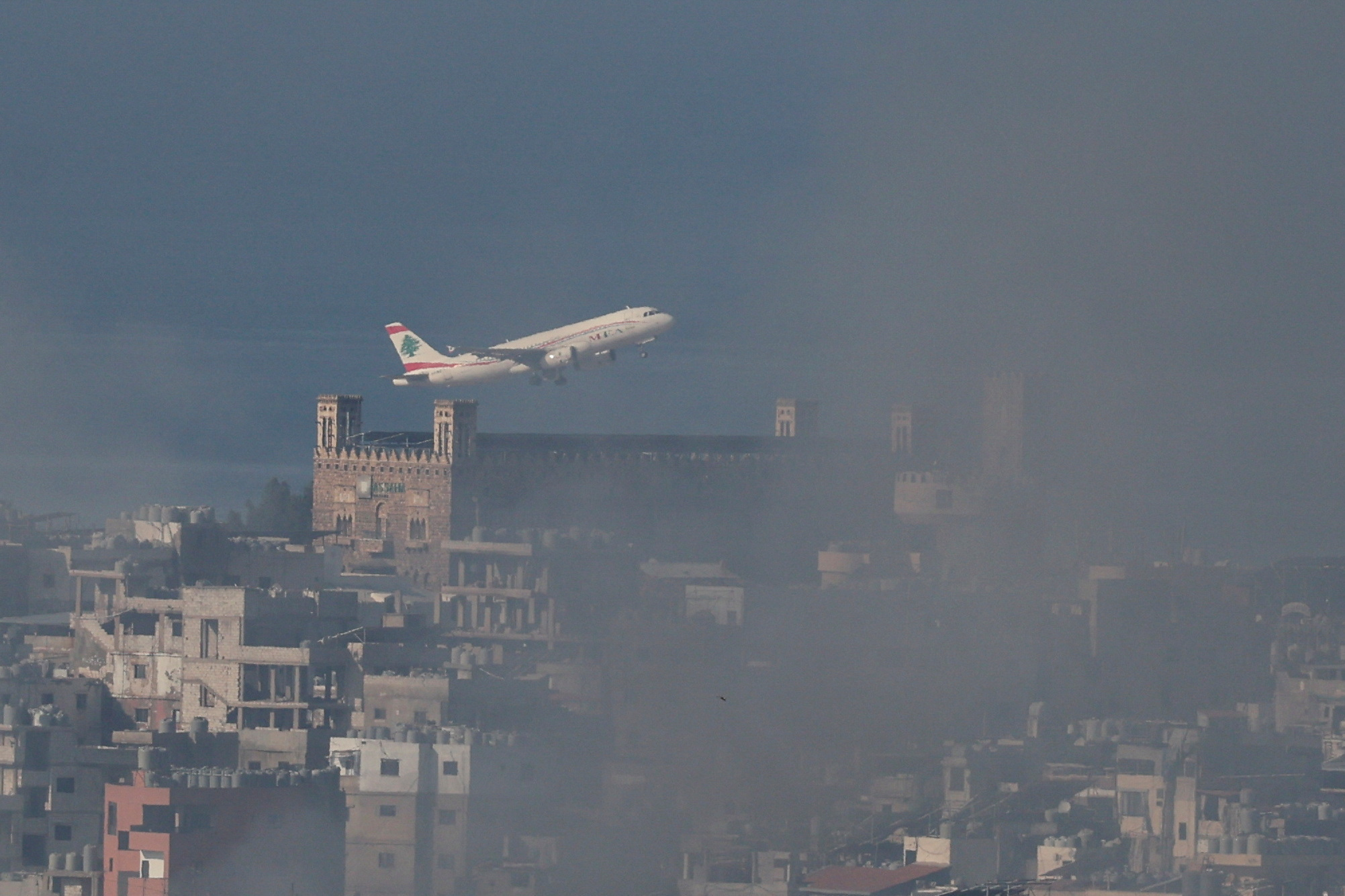
A Middle East Airlines (Lebanon) flight took off from Beirut, Lebanon in October.
Reuters reported on December 23rd that a pilot from Wizz Air (Hungary) complained that he was ordered to fly over Iraq at night, amid escalating regional tensions in late September. "A few days later, Iraq closed its airspace after Iran launched a series of missiles at Israel on October 1st. That confirmed my suspicions about the lack of safety," the pilot said. In a statement, Wizz Air asserted that the airline had thoroughly assessed the risks before deciding to fly over Iraqi airspace, and had followed the guidance of the European Union Aviation Safety Agency (EASA).
The source of the confusion stems from the fact that airline assessments are partly based on third-party intelligence, while pilots are not given access to this information. Reuters reports that nine letters from four European unions representing pilots and flight crews expressed concerns about safety when flying over the Middle East. Generally, the unions demanded transparency from airlines when deciding to fly over dangerous areas and wanted pilots to have the right to refuse to undertake unsafe flights.
The conflict in the Middle East is unpredictable, with opposing forces constantly launching missile attacks against each other, now compounded by concerns about instability stemming from political developments in Syria. There have been aviation tragedies such as Malaysia Airlines flight MH17 being hit by a missile in Ukrainian airspace in 2014, or Iran mistakenly shooting down Ukraine International Airlines flight PS752 in Tehran in 2020. Pilots consider the risk of being accidentally shot down amidst chaotic fighting and the potential for an emergency landing to be a primary concern.
Supreme Leader Khamenei says Iran 'has neither and needs nor does it have proxy forces'.
Given the situation in the Middle East, Lufthansa (Germany) and KLM (Netherlands) have stopped flying over Iran. Both airlines have also allowed their crews to refuse flights they deem unsafe. Wizz Air has suspended flights to and from Tel Aviv (Israel). Other airlines will rely on guidance from EASA, considered by industry experts to be the most stringent safety regulator in the region.
It's not easy to change.
The Middle East is an important corridor for aircraft traveling from Europe to India, Southeast Asia, Australia, and vice versa.
According to data from the Belgian aviation safety watchdog Eurocontrol, an estimated 1,400 flights to and from Europe in 2023 flew over the Middle East daily. Completely avoiding Middle Eastern hotspots is no easy task for airlines. Choosing to fly around Central Asia, Egypt, or Saudi Arabia increases costs and is usually only employed by private pilots. For example, an unnamed airline operating a Singapore-London flight in August had to pay over $4,700 in transit fees for flying over Afghanistan and Central Asia, 50% more expensive than flying over the Middle East.
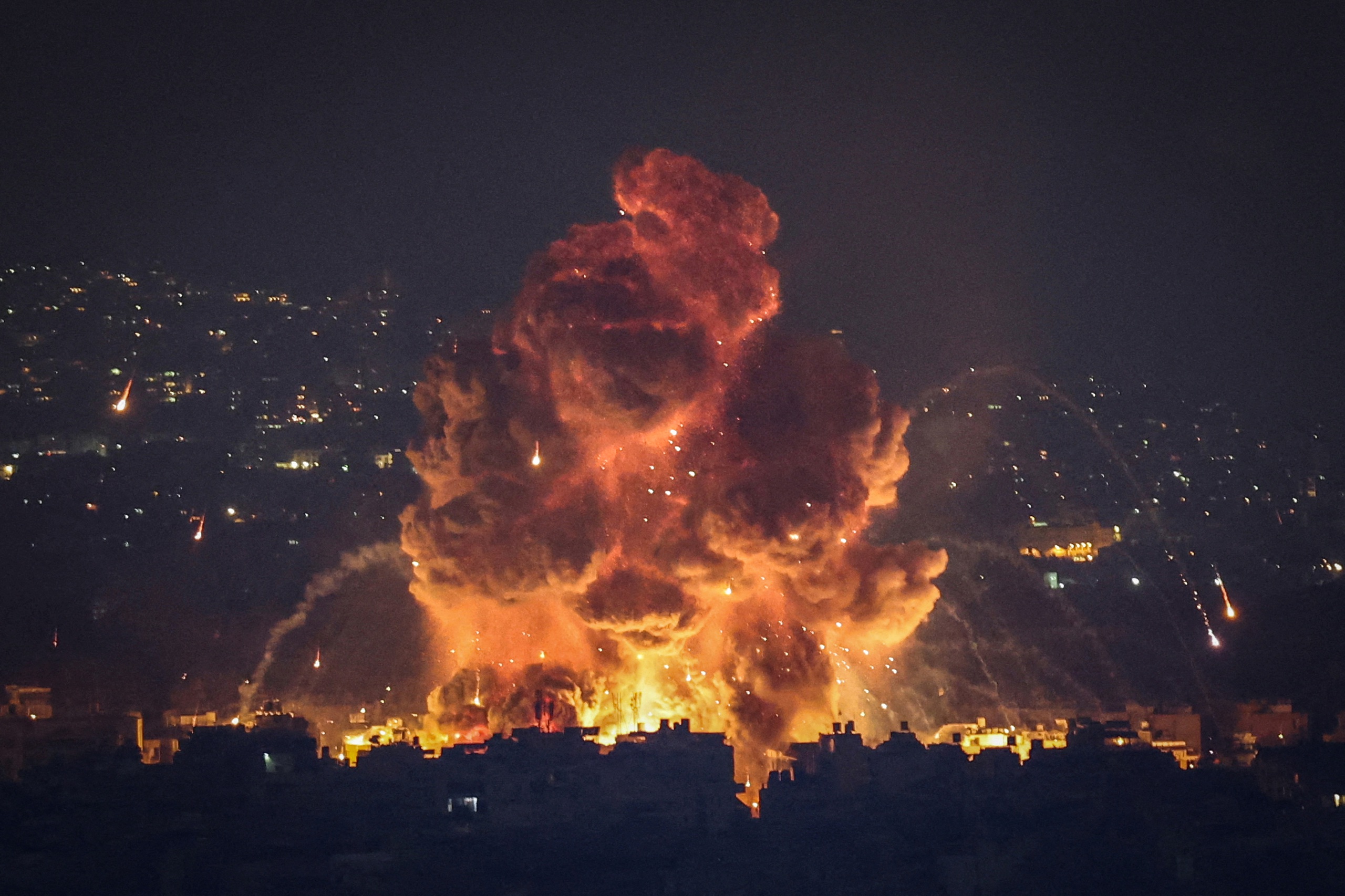
Middle Eastern conflicts raise safety concerns for commercial flights.
Martin Gauss, CEO of Latvian airline AirBaltic, stated that his company has complied with international safety regulations and requires no adjustments. Meanwhile, Ryanair CEO Michael O'Leary asserted: "If EASA confirms safety, then frankly, we don't care what the unions or some pilots think."
EASA said it has been involved in discussions on safety issues related to the situation in the Middle East. Meanwhile, the aviation industry will be paying attention to flight adjustments over the Middle East from some major Gulf airlines such as Etihad, Emirates, and Flydubai, which are believed to have detailed intelligence.
Source: https://thanhnien.vn/hang-khong-dan-dung-lo-so-chao-lua-trung-dong-185241224234111766.htm






















![[Image] Central Party Office summarizes work in 2025](/_next/image?url=https%3A%2F%2Fvphoto.vietnam.vn%2Fthumb%2F1200x675%2Fvietnam%2Fresource%2FIMAGE%2F2025%2F12%2F18%2F1766065572073_vptw-hoi-nghi-tong-ket-89-1204-jpg.webp&w=3840&q=75)





























































Comment (0)