

Essential requirement
In today's society, lifelong learning is an essential requirement for military personnel, not only to enhance their professional skills but also to contribute to building strong units and meeting the demands of national defense in the new situation. This is not simply learning in school or from books, but also from comrades, from the practical demands of work and life, to develop oneself and improve moral character; to acquire sound leadership and management methods and make correct, groundbreaking decisions based on science ... Military personnel must absolutely not become arrogant or complacent with their knowledge and understanding, neglecting the importance of learning.
The Party Committee and command of the 16th Artillery Brigade create all conditions to encourage soldiers to engage in lifelong learning, participate in regular training, and develop their abilities, primarily to become artillery soldiers who are "iron-footed, iron-shouldered, skilled in combat, and accurate in shooting"; actively innovate their thinking, absorb new, advanced, and modern knowledge, and boldly propose changes to outdated ways of thinking and doing... In order to contribute to the effective implementation of these policies, as a commander, I always actively self-study, self-train, and self-renew myself in my thinking and methods. Furthermore, the practical training and combat readiness in the unit are always rich and constantly changing, forcing me to flexibly apply knowledge and draw lessons from specific situations to develop sharp thinking, political insight, and stronger character. I believe that lifelong learning is not difficult; the most important thing is to have the will, determination, goals, and the right motivation for competition.
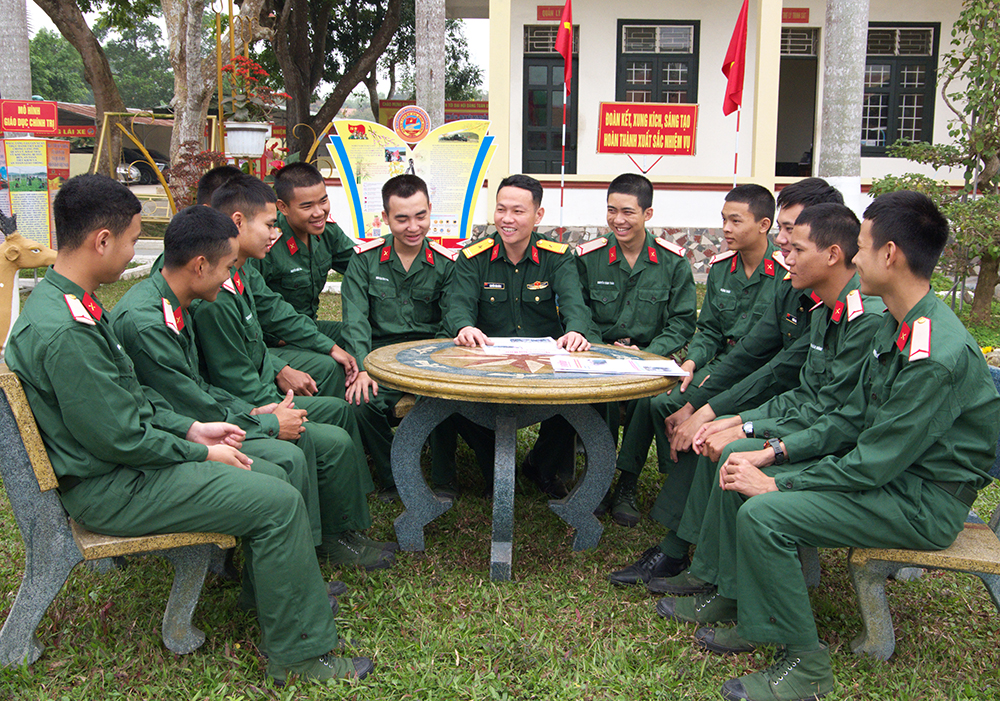 |
| The commander of Battalion 1, 16th Artillery Brigade, 4th Military Region, talks to and encourages new recruits to actively train and strive to successfully complete their tasks. Photo: GIANG ĐÌNH |
Keep learning to become better.
For me, learning is a journey without an end. Even after achieving success, one still needs to learn to avoid falling behind; learning in school, learning in real life, from materials, from colleagues, and from personal experience. A conscious effort to learn and a serious attitude towards learning will help us progress and mature. Only through lifelong learning can we generate many ideas, solutions, and initiatives to address new problems. Based on this belief, I am always conscious of learning about political theory, professional skills, methods, experience, and teamwork abilities to enhance discipline and maximize collective strength.
The unique nature of the subject and the military pedagogical environment demands that instructors always be approachable, attentive, and know how to share their experience and teaching methods with students. Therefore, I proactively seek suitable methods to stimulate logical thinking, the ability to synthesize and analyze problems, and inspire learners. I often ask questions that encourage creative thinking, prompting students to engage in critical thinking, fostering a close teacher-student relationship. This helps students maintain interest in learning marksmanship and inspires them in a field I love.
It's not just about learning professional skills and expertise.
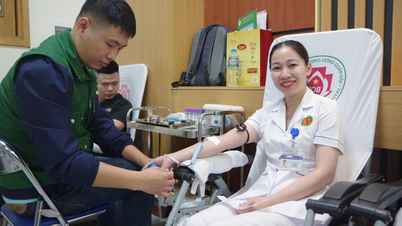
In my opinion, lifelong learning means continuously improving one's knowledge, skills, and experience to perfect oneself and adapt to the development of society. In the field of military medicine, technology and treatment methods are constantly evolving, and epidemics are complex, so self-learning is a key factor in improving professional skills and fulfilling duties effectively. Therefore, I always set specific goals, utilizing my free time to research and improve my knowledge through books, newspapers, online forums and seminars, as well as practical work experience; from real-world situations and from comrades to enhance my skills in emergency examination, patient admission and treatment, combining modern and traditional medicine, and soft skills such as communication, time management, and handling emergencies. But that is not enough to become a good military doctor, so I also constantly cultivate and refine my moral character, life skills, teamwork spirit, and ability to adapt to all circumstances. As a result, I have become increasingly confident in my work, able to perform my assigned tasks well, and contribute more effectively to protecting the health of soldiers and civilians.
Young officers need to be proactive in self-study and self-improvement.
As a young officer fresh out of military school, I recognize my limitations in several areas. These include my ability to handle situations, as reality is very diverse and complex, requiring commanders to have quick and sharp judgment to issue decisive and correct orders. I also need to further develop my communication skills and command abilities to effectively lead my unit, maintain good relationships between superiors and subordinates, among comrades, and especially foster solidarity between the military and the civilian population. To overcome these limitations, I always strive to learn from my comrades and those who came before me; I independently research and study specialized tactical and technical knowledge of my branch of service; and I practice drill and ceremony... In my opinion, lifelong learning is not simply about acquiring more professional knowledge to serve one's work, but also includes cultivating character, developing critical thinking, and acquiring life skills. It involves continuous learning to improve thinking skills, creativity in work, communication skills, and overall work performance. At the same time, lifelong learning also includes maintaining diligence, perseverance, and developing a spirit of dedication, patriotism, and a willingness to learn and adapt to personal growth and meet job requirements.
Strive to become a useful soldier and citizen.
During his lifetime, President Ho Chi Minh instructed: "Military affairs without politics are like a tree without roots, useless and even harmful." Therefore, to become a useful person, in addition to studying and training to improve skills in using weapons and equipment in the inventory, ensuring combat readiness, soldiers must also actively study politics. At the same time, they must learn cultural and social knowledge, broaden their understanding of history, culture, politics, economics, and society to become useful citizens and make positive contributions to the country's development; and learn soft skills to improve communication and coordination when performing tasks and to meet future job requirements. Therefore, I always proactively seek out, observe, and learn from commanders and comrades, drawing on my own experience; actively participate in collective activities and emulation movements, contributing to building a strong and comprehensive unit. Actively train, strive to successfully complete assigned tasks, and become a useful and responsible citizen to the community after leaving the military.
Source: https://www.qdnd.vn/quoc-phong-an-ninh/xay-dung-quan-doi/hoc-cach-hoc-tap-suot-doi-821908


















































Comment (0)