

The Soviet-Nghe Tinh Museum currently houses approximately 20 volumes of revolutionary memoirs by Soviet fighters from Ha Tinh province. More than half of the authors are Party members from Can Loc – considered the "capital" of the Soviet movement in Ha Tinh. These memoirs revive the fervent fighting spirit of the Party Committee and people of Can Loc in particular, and Ha Tinh in general, during the revolutionary high tide of 1930-1931, and the arduous, sacrificial, yet idealistic path of struggle of the revolutionary pioneers.
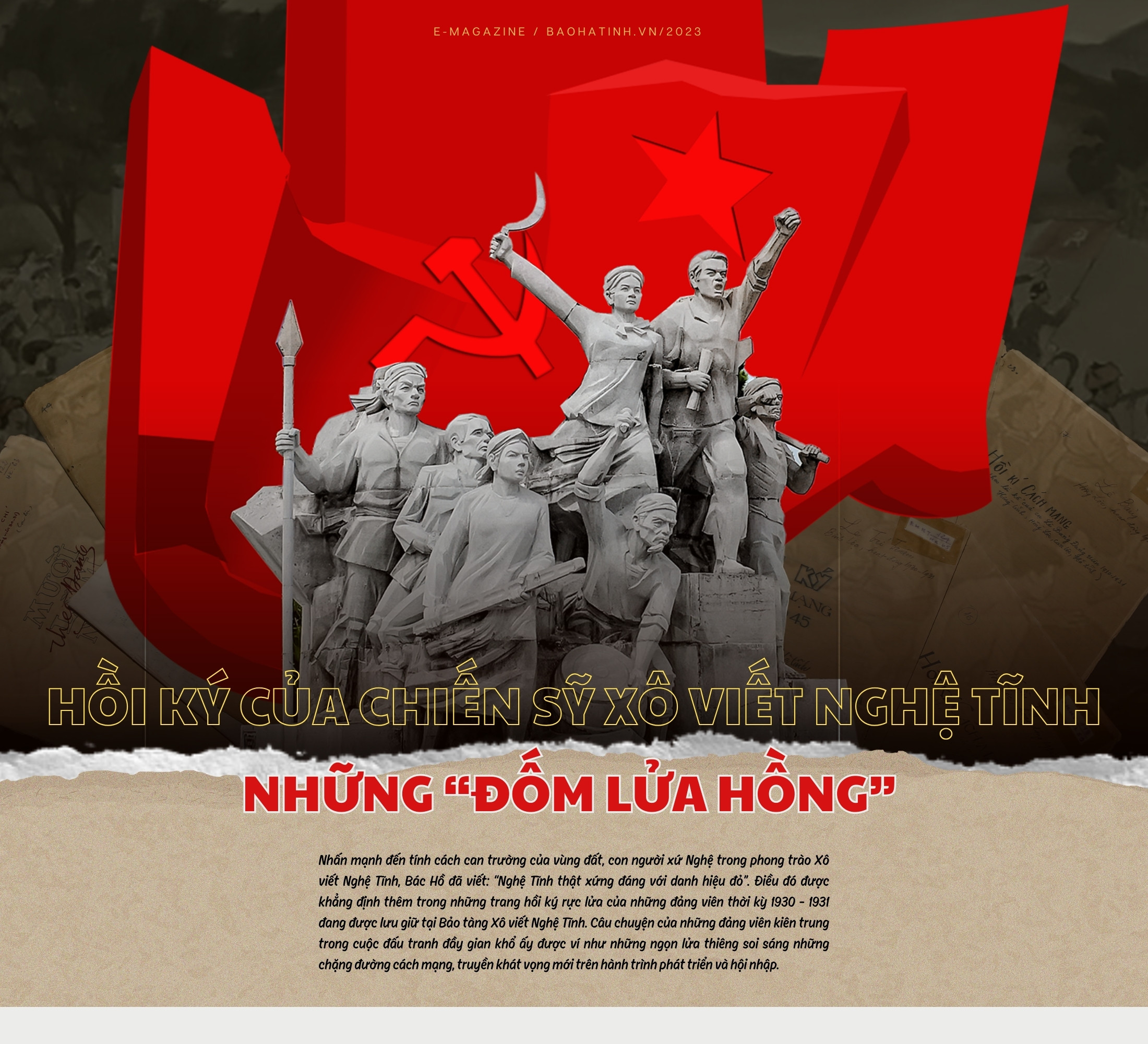
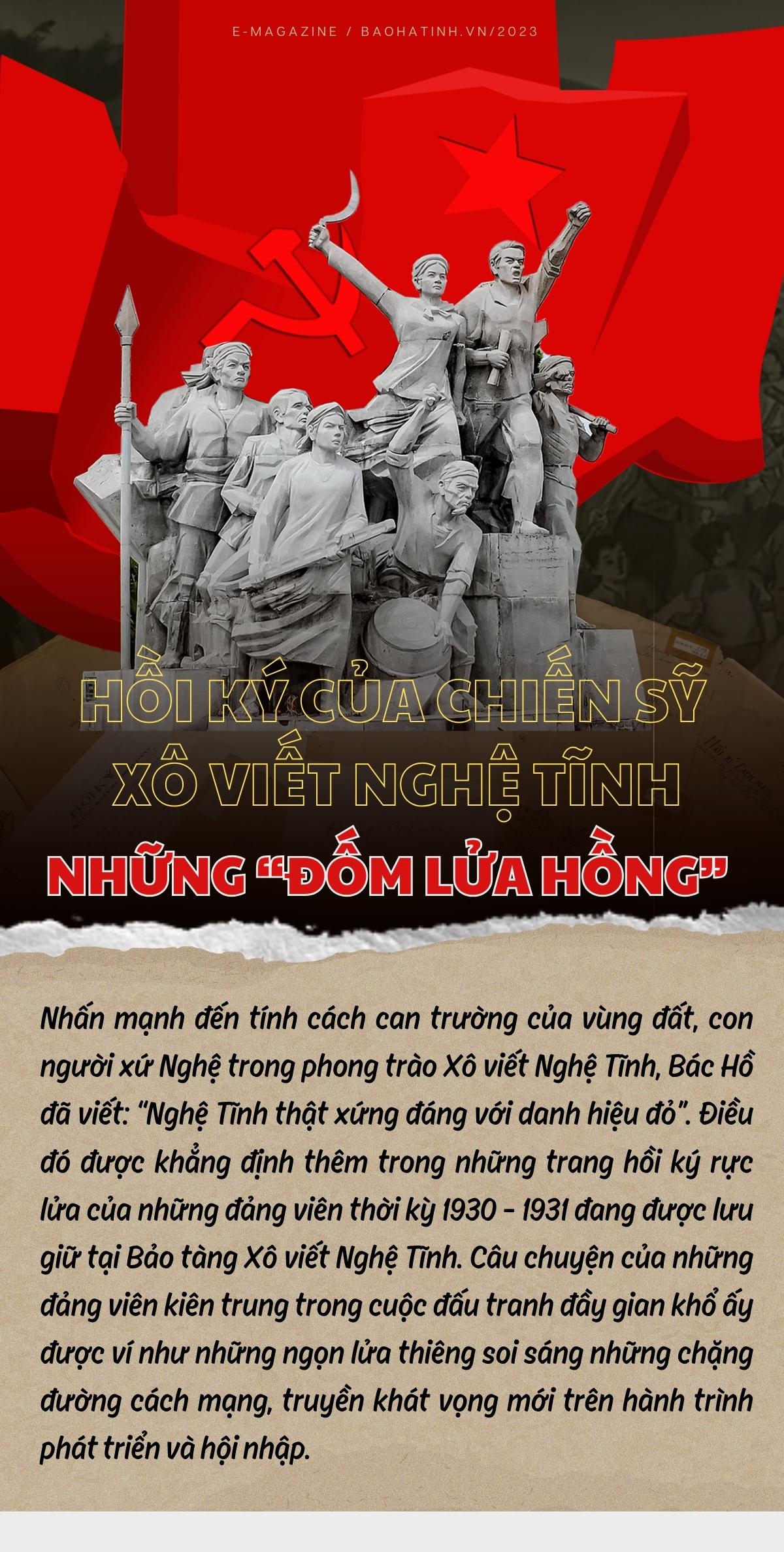


The Soviet-Nghe Tinh Museum currently houses approximately 20 volumes of revolutionary memoirs by Soviet fighters from Ha Tinh province. More than half of the authors are Party members from Can Loc – considered the "capital" of the Soviet movement in Ha Tinh. These memoirs revive the fervent fighting spirit of the Party Committee and people of Can Loc in particular, and Ha Tinh in general, during the revolutionary high tide of 1930-1931, and the arduous, sacrificial, yet idealistic path of struggle of the revolutionary pioneers.


Although we had read hundreds of pages about the history of our nation's revolutionary struggle, including the Nghe Tinh Soviet (1930-1931), and understood and were proud of our country's glorious traditions, it was only when we came across the memoirs of the first communist fighters, preserved at the Nghe Tinh Soviet Museum, that we fully appreciated the courage, unwavering loyalty, and indomitable will of our forefathers amidst the darkness of slavery. Engaging in revolutionary activities, being captured, shackled, and subjected to brutal torture, facing imminent death, these young communist party members remained absolutely loyal to the Party and the organization, steadfastly and persistently fighting for their ideals until the day of independence.
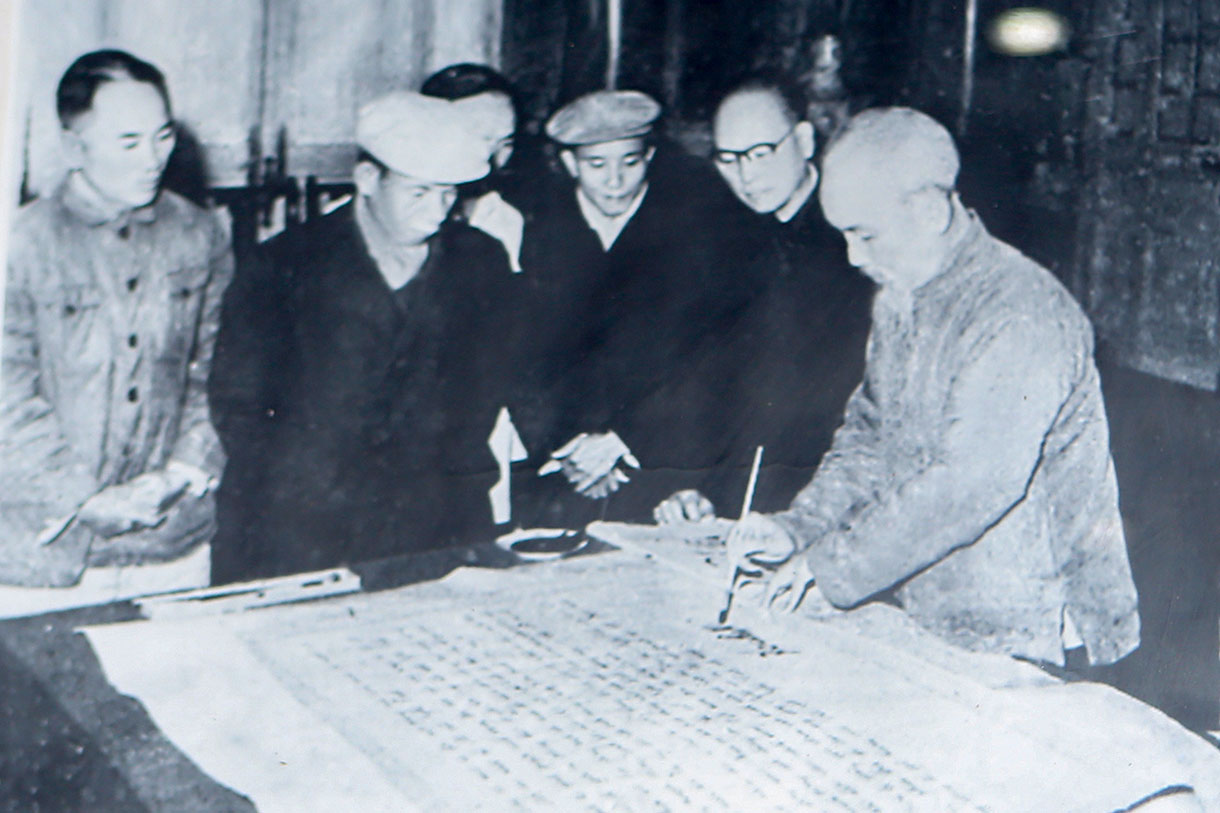
President Ho Chi Minh wrote the preface for the Nghe Tinh Soviet Museum in 1964. (Archival photo)

Through memoirs, it is revealed that most of the first communist fighters came from impoverished, oppressed peasant families, such as comrades Lê Bảng and Trần Xy (Hồng Lộc commune), Đặng Nghiệm (Tùng Lộc commune), and Trần Hữu Khán (Thiên Lộc commune, Can Lộc district)... However, there were also those from middle-class peasant and intellectual backgrounds such as Nguyễn Cứ, Hoàng Liên, and Mai Cát (Tân Lộc commune, Can Lộc district, now Lộc Hà district), Trần Mạnh Táo (Xuân Phổ commune, Nghi Xuân district), Trần Chí Tín (Sơn Mai commune - now Kim Hoa commune, Hương Sơn district), Nguyễn Thị Khương (town - now Hà Tĩnh city), and even the children of landlords like Đào Kha (Yên Vượng commune - now An Dũng commune, Đức Thọ district)... The common thread recorded in these memoirs is that the light of revolution helped them understand the ideals of the Party, leading them to rise up and fight against imperialism and feudalism, determined to win national independence with the principle of overthrowing imperialism and feudalism, achieving national independence, and giving land to the tiller...
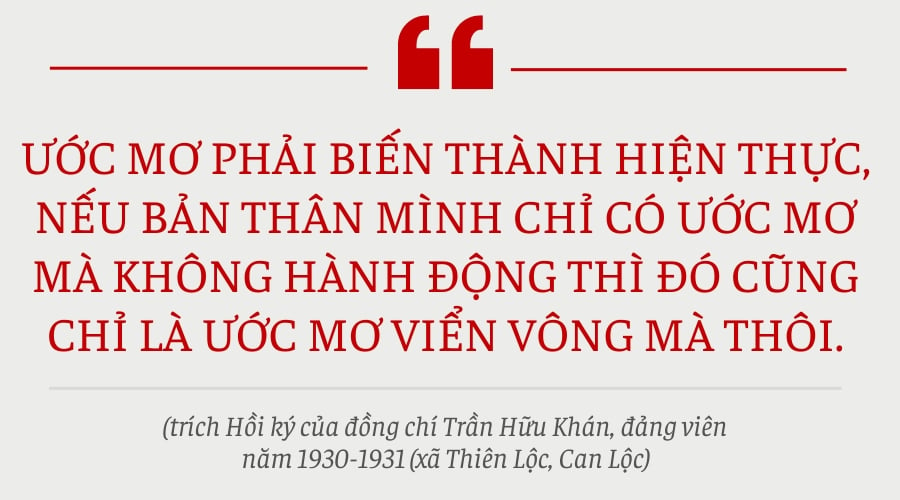
From the quote, "Dreams must be turned into reality; if one only dreams without acting, it remains just a pipe dream" (excerpt from "Memoirs of Comrade Tran Huu Khan," a Party member in 1930-1931 (Thien Loc commune, Can Loc district)), these steadfast communist fighters persevered in their struggle, maintaining their fighting spirit, overcoming hardships, and remaining loyal to the revolutionary ideal.
Turning the pages of memoirs faded by time, through the simple yet powerful recollections of party members from Can Loc (now some communes in Loc Ha district), we return to the days of arduous struggle, sacrifice, and the radiant ideals of our revolutionary predecessors.
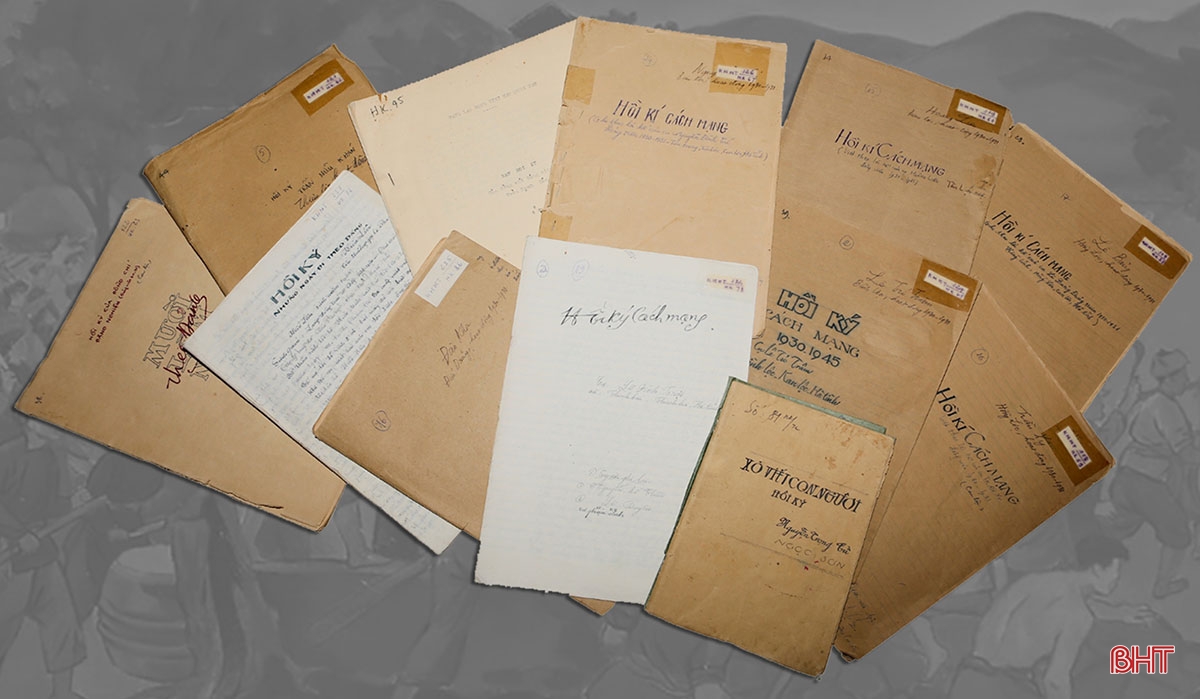

The collection of revolutionary memoirs by staunch communist cadres, recording their struggles from 1930 to 1945, is preserved at the Nghe Tinh Soviet Museum.
“I was born in 1905 into a poor peasant family, and from a young age I lived in hunger and poverty. My parents worked tirelessly all day and never came home; only in the evening would the whole family gather around the dinner table. But there wasn't enough food to fill our stomachs; one portion of rice was ten portions of potatoes, and as soon as we finished eating, my parents had to worry about finding food for the next day. Life was so hard that when I was seven years old, both my parents died from hunger, disease, and poverty. At 20, I got married, and life became even harder. We had no land, so my wife and I had to 'borrow food and share the land' to survive… I thought, we are all human beings, so why are the landlords and powerful people so lucky? They have abundant land, and their houses are full of rice during harvest season. While we work tirelessly and still don't have enough to eat, and are constantly insulted by them. Must we endure such hardship forever…?” - Mr. Le Bang, Party member in 1930-1931, Secretary of the Party Committee of Hong Loc commune (Can Loc) The period 1954-1959 marked the beginning of his memoir of the struggle.
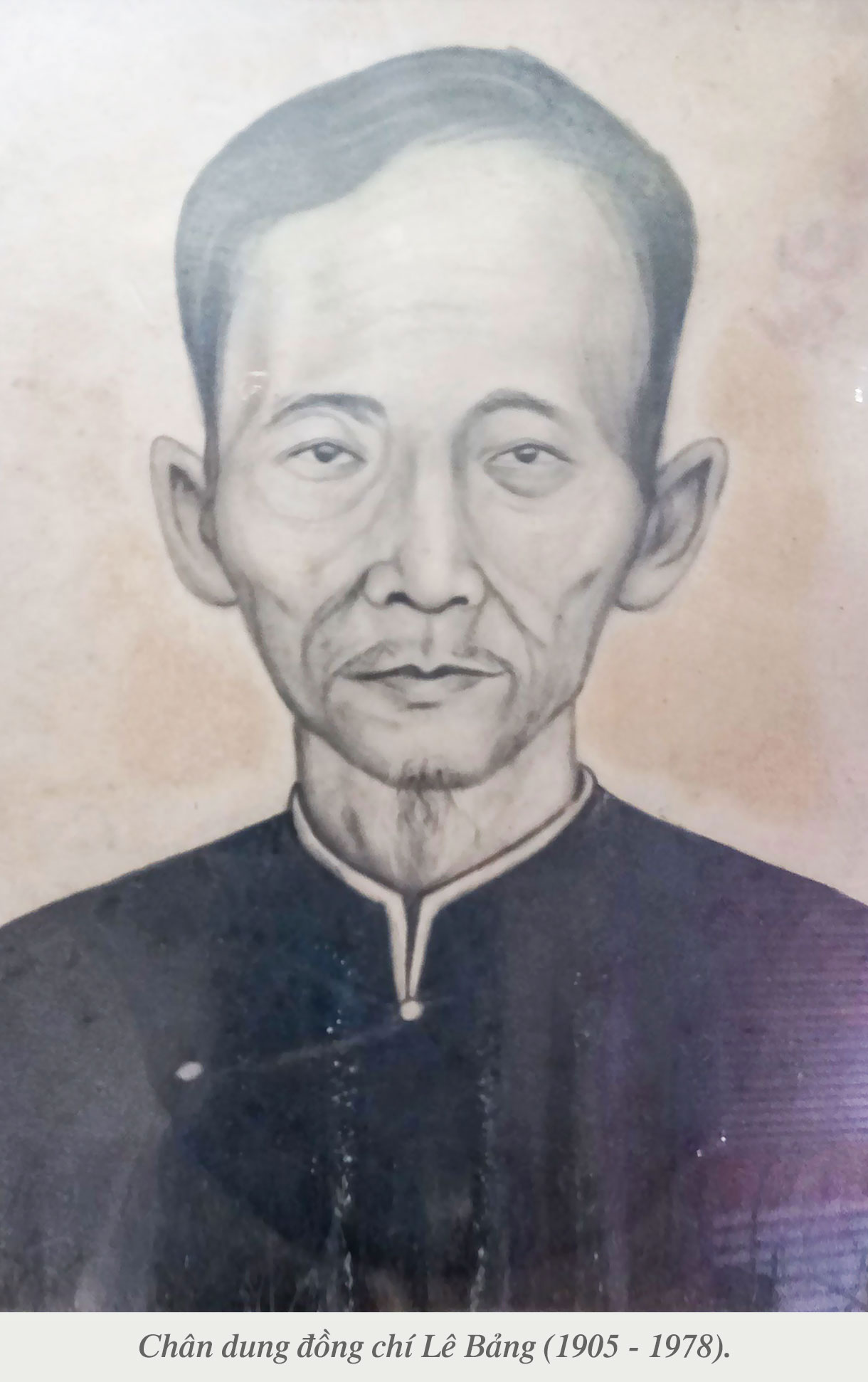
Comrade Le Bang (1905-1978), from Quan Nam village, Phu Luu Thuong commune (Can Loc district), now Hong Loc commune (Loc Ha district), was born into a poor peasant family. His parents died early, and like many farmers at that time, he grew up in misery and slavery. Life was extremely difficult, with no land to cultivate and having to pay high taxes and levies to the feudal colonialists. Faced with oppression and injustice, Le Bang became self-reliant, transforming himself from a gentle farmer into "Brother Bang the tough one" (as Le Bang himself wrote in his memoirs), ready to fight against the collaborators.
Driven by a burning desire to "change" his destiny, Comrade Le Bang met revolutionary Pham Trien, one of the first party members of the Phu Luu Thuong commune branch (established in April 1930), who guided him to see the light of revolution and helped him become a communist party member in May 1930. Actively involved in revolutionary activities, from September 1931 to December 1934, Comrade Le Bang was imprisoned by the enemy in Ha Tinh prison, subjected to brutal torture such as being beaten with cowhide whips, having his legs struck with iron pipes, and being tied around his waist and hung upside down from a beam, yet he remained steadfast in his fighting spirit. “When the secret agent interrogated me, I thought of my oath at the Party induction ceremony: ‘Throughout my life, I will be loyal to the Party’s cause, even if I am captured and tortured to death, I will not utter a single word…’ Remembering my oath, even though I was beaten to death many times by the enemy, I still steadfastly refused to confess” (excerpt from the memoirs of Comrade Le Bang).
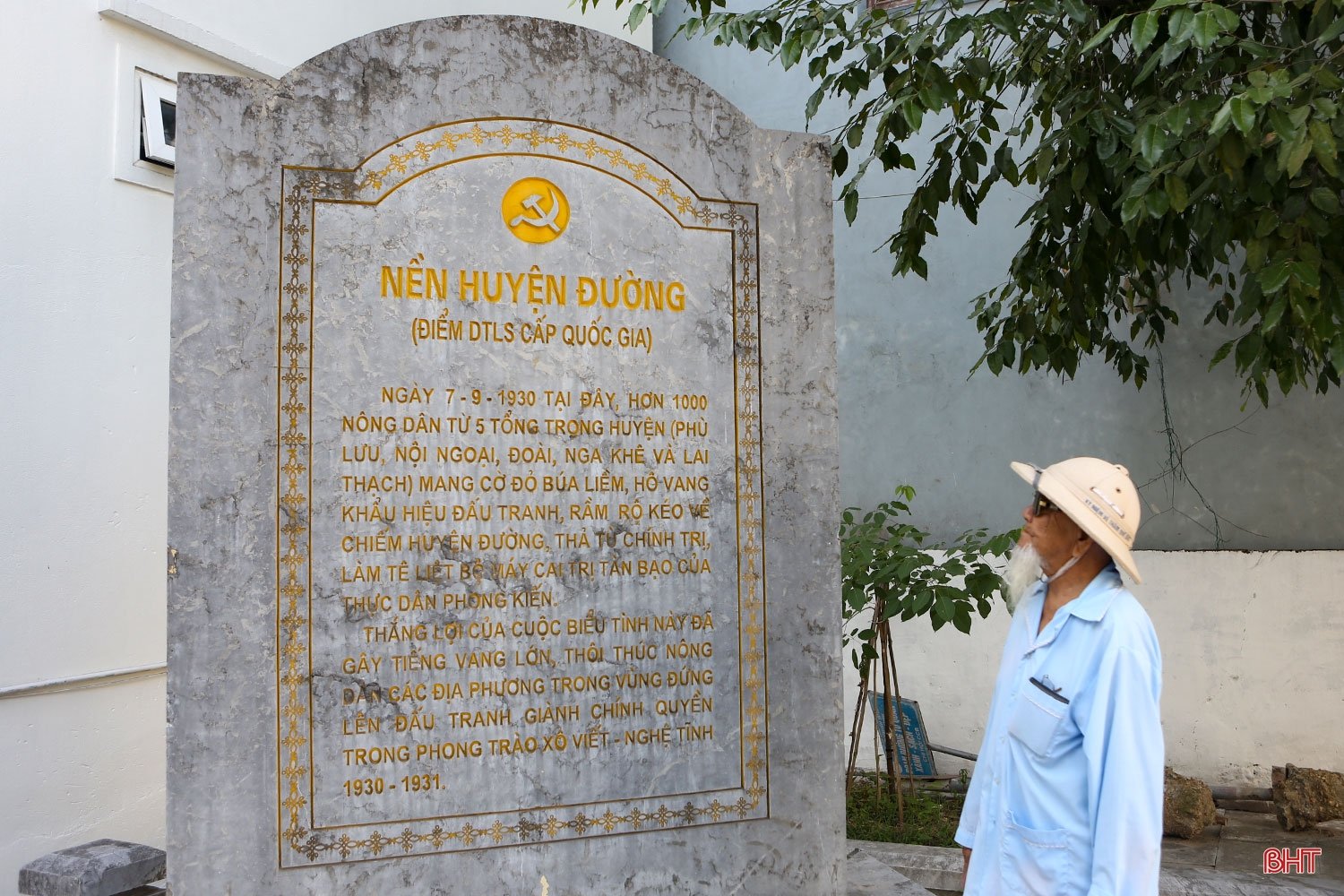
The site of the Can Loc District Hall - where the people of Can Loc staged a lively protest during the Nghe Tinh Soviet movement of 1930-1931.
From January 1935 to June 1937, after his release, Comrade Le Bang returned to his hometown and continued his clandestine activities within various groups. From July 1937 to March 1938, he was arrested and imprisoned for the second time in Ha Tinh and Ky Anh district prisons. From mid-1938 to April 1945, he operated secretly in the local area, later joining the Viet Minh Front and infiltrating the Phan Anh youth organization. On August 16, 1945, Le Bang was assigned by the Can Loc District Viet Minh Uprising Committee to seize the opportunity to take down the government flag and raise the Viet Minh flag on the flagpole of the Can Loc district headquarters, officially confirming the overthrow of the puppet government and the successful uprising of the people of Can Loc.
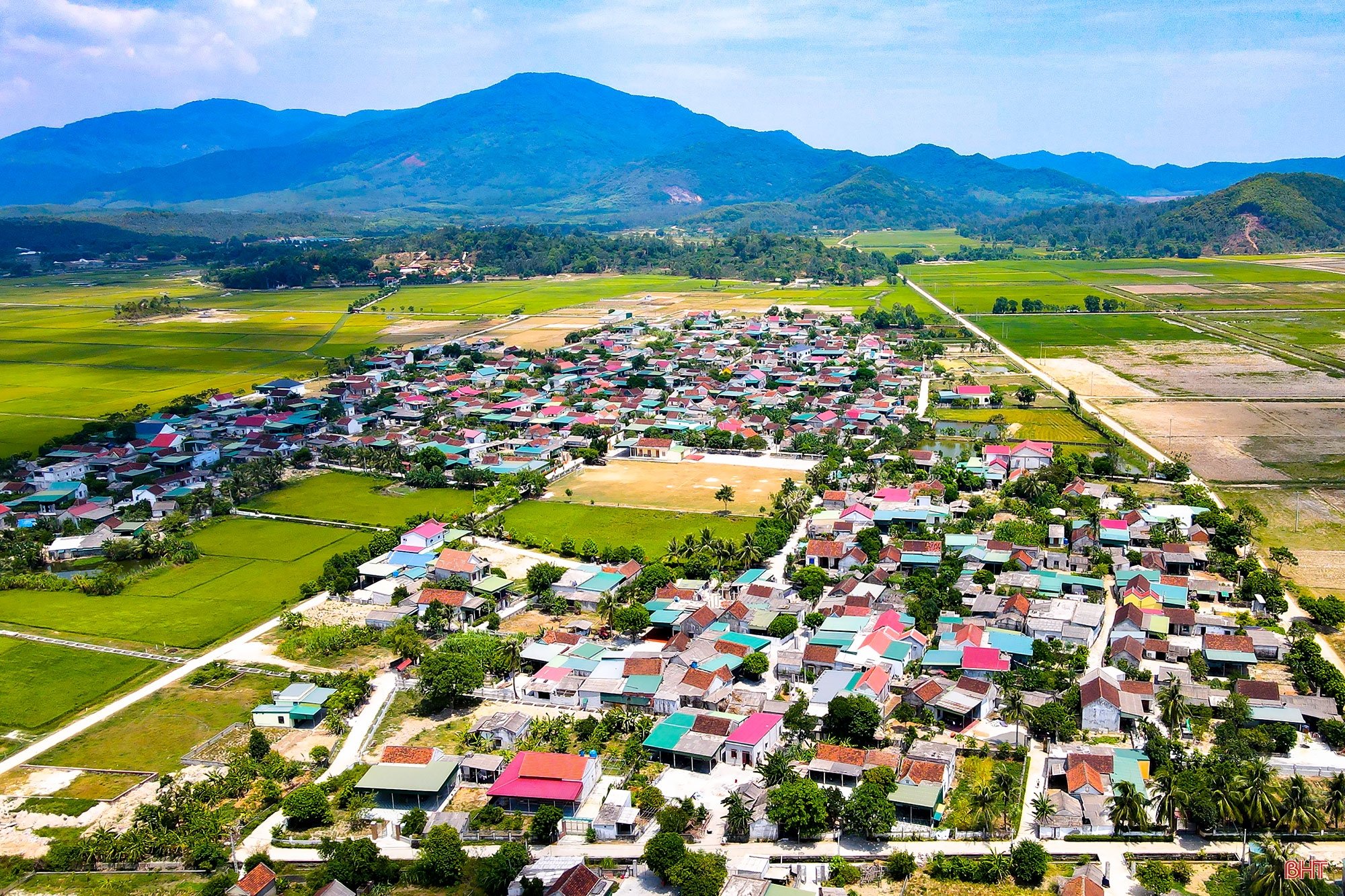
Quan Nam village (Hong Loc, Loc Ha) - the birthplace of Le Bang - is beautifully decorated in the autumn sunshine.
For Comrade Nguyen Cu (or Nguyen Dinh Cu, 1902-2001) in Dinh Lu village (Tan Loc commune, member of the Provisional Party Committee of Can Loc district in April 1930), the path to revolutionary ideals seemed deeply ingrained in his blood. Born into a middle-class farming family, guided by his teacher and elder brother in the village, Mr. Hoang Khoai Lac - later a cadre of the Central Vietnam Regional Party Committee - Comrade Nguyen Cu joined the Tan Viet organization and actively participated from 1926. In February 1930, immediately after the founding of the Communist Party of Vietnam , he, along with other members of the Tan Viet organization in Dinh Lu village such as Hoang Khoai Lac, Hoang Ky, Hoang Lien, Mai Cat, under the direction of Comrade Tran Huu Thieu (alias Tran Lai, Nguyen Trung Thien), established the first Communist Party branch in Can Loc, one of the first branches established in Ha Tinh province.
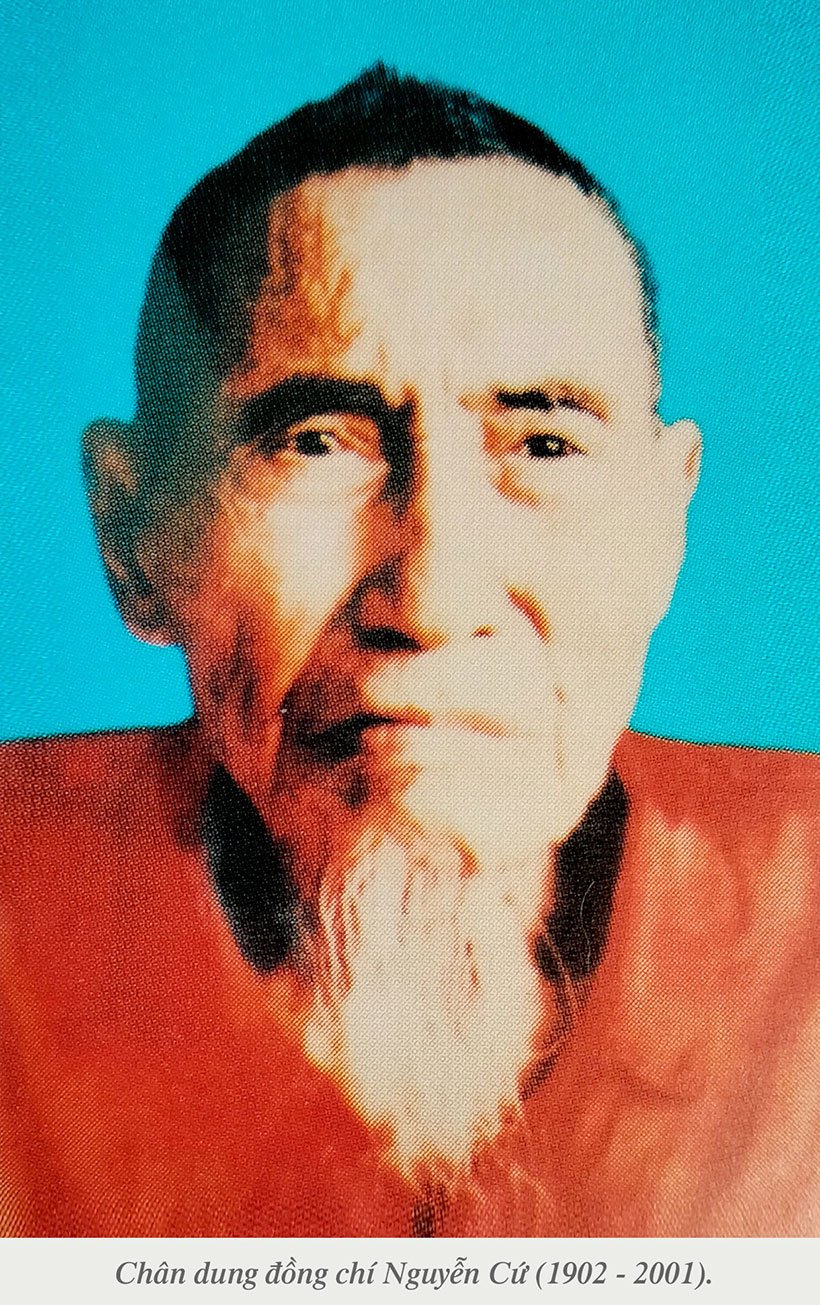
In his memoir, Comrade Nguyen Cu partially recreated the arduous, bloody, yet glorious and proud struggle. Despite being imprisoned twice by the enemy – the first time from August 1930 to early 1933, and the second time from January 1940 to March 1945 in Ha Tinh and Vinh prisons – and subjected to brutal torture and various forms of abuse, he remained steadfast and continued his struggle in prison until he was released, re-establishing contact with his comrades and reorganizing the Party base. In August 1945, Comrade Nguyen Cu, along with Comrades Le Hong Co and Ngo Duc Mau, members of the Viet Minh General Headquarters' Uprising Committee, led the masses in a successful uprising to seize power in Can Loc on August 16th and 17th, 1945. “That was the result of 15 years of relentless struggle by the Party branches and the people of Can Loc. During that time, countless soldiers and compatriots sacrificed their lives for the noble cause of the revolution. That sacrifice led the revolution to its final victory” (excerpt from the memoirs of Comrade Nguyen Cu).
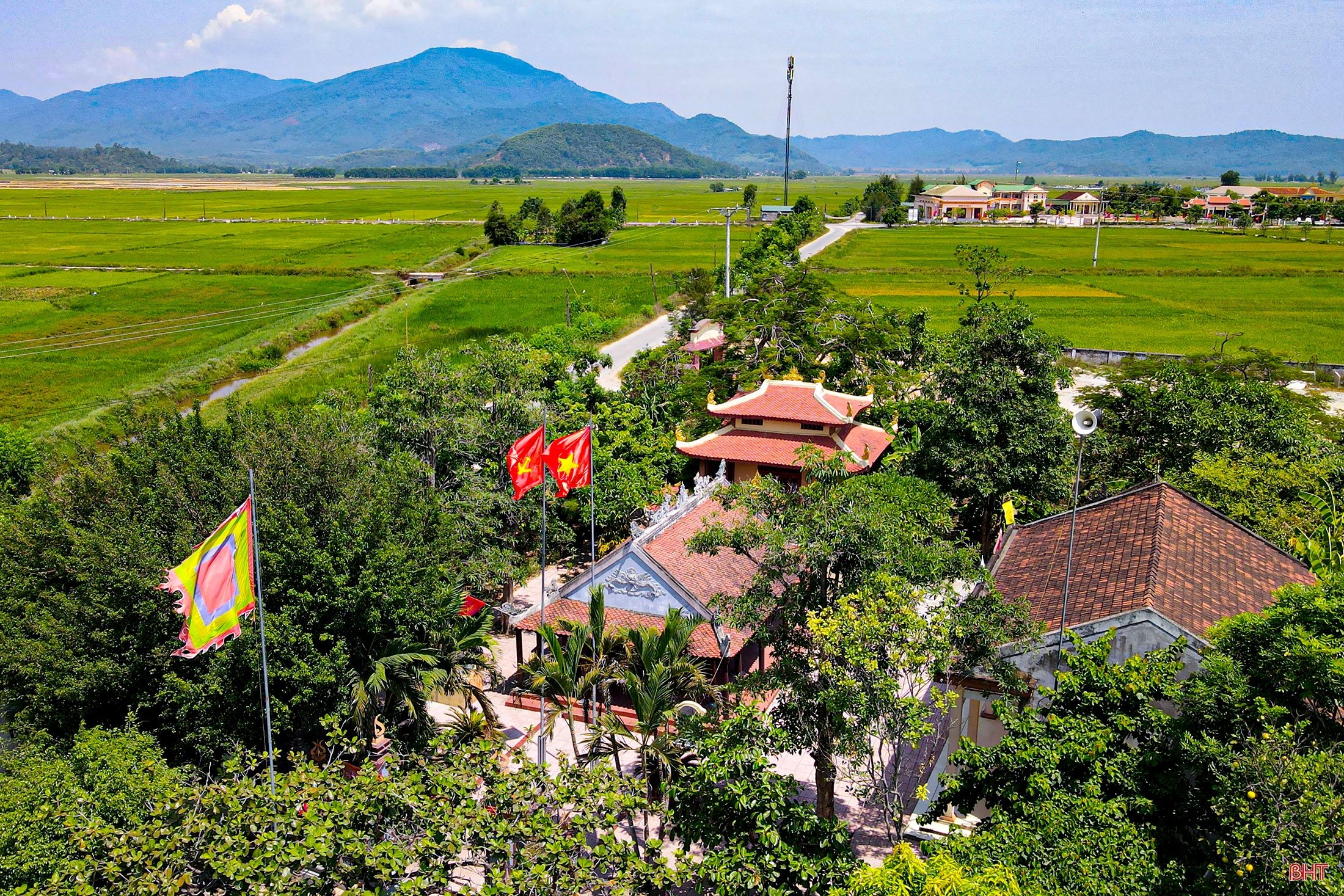
Dinh Dinh Lu - the place where Mr. Nguyen Cu and his comrades organized and established the first Party branch of Ha Tinh in February 1930.
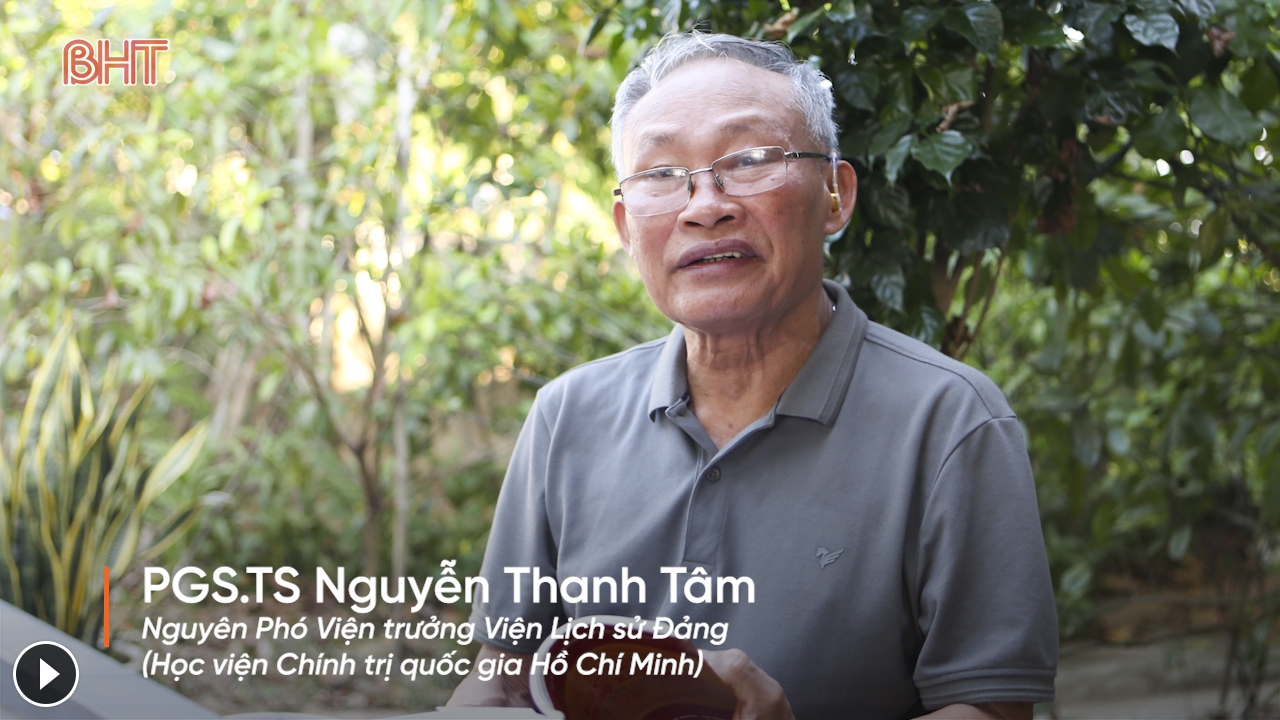
Associate Professor, Dr. Nguyen Thanh Tam - former Deputy Director of the Institute of Party History (Ho Chi Minh National Political Academy) affirmed: "The valuable thing about the memoirs of the Soviet-era fighters of Nghe Tinh is that they recount the revolutionary struggle of each individual with real people and real events in a vivid and authentic way, from the time the Party was newly established to later. This is a valuable source of information, helping researchers and historians to refer to and supplement the history of the Party."
...

According to historical documents, Can Loc, with landmarks such as Dinh Lu communal house (Tan Loc commune), Bien Son temple, Ho Doi house, Truong Gio (Hong Loc commune), Thuong Tru ferry landing, Ha Vang bridge (Thien Loc commune), the foundation of the District Hall, Nghen intersection (Nghen town)... is where the first Party organization and Soviet struggle movement in Ha Tinh province were established. Can Loc also had many early Soviet villages in the province, implementing a people's government apparatus, such as in Tan Loc, Hong Loc, Thuan Thien...
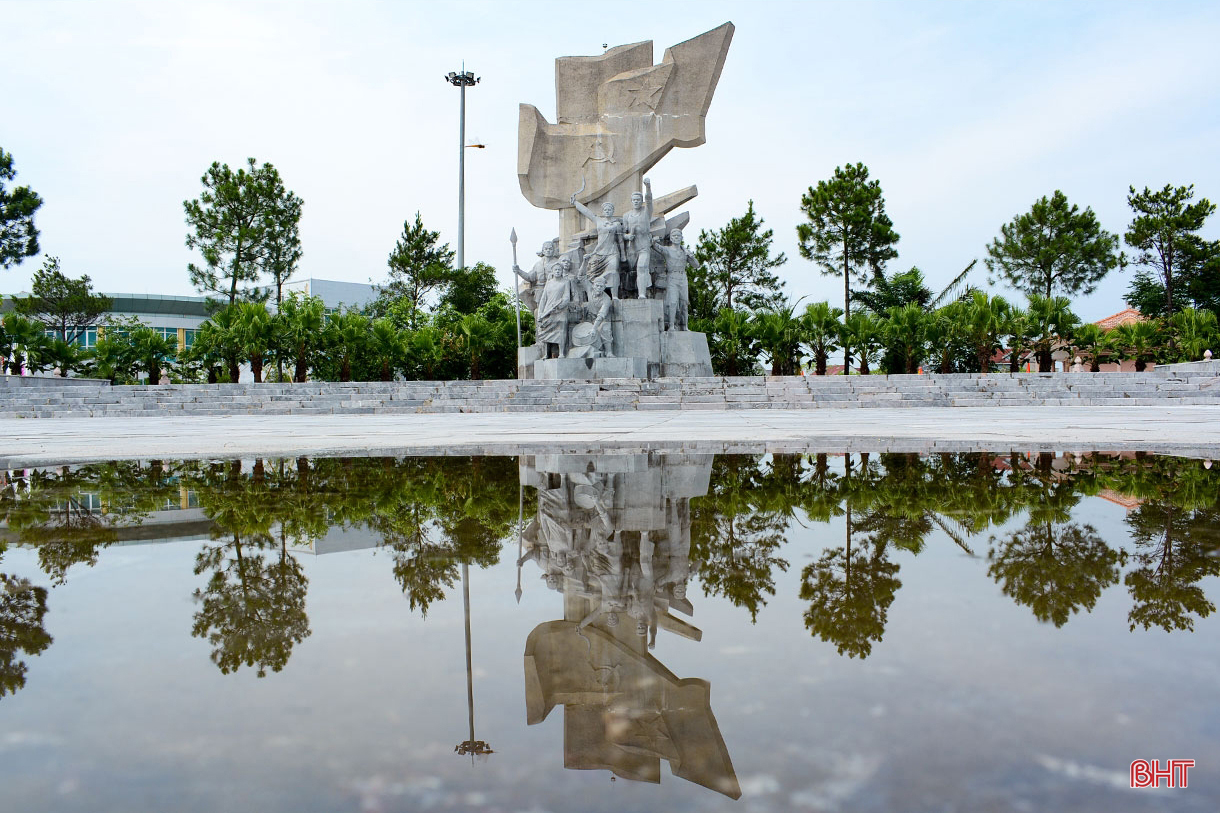
Soviet-Nghe Tinh Monument in Nghen town (Can Loc).
Among these, Dinh Lu communal house is considered the place where the first Party branch in Ha Tinh was established; at Thuong Tru ferry landing in late March 1930, the conference to establish the provisional Party committee of Ha Tinh took place; the house of Mr. Ho Doi (also known as Teacher Ho Khoai, in Trung Son village, Hong Loc commune) was the place where the first Party Congress of Can Loc district was held in April 1930.

Regarding the struggle movement after the Party's founding, the first large-scale Soviet-style protests took place in Can Loc, notably the rallies in many communes on International Workers' Day (May 1, 1930), and the demonstrations in June and July 1930. Particularly, on August 1, 1930, under the direction of the Provisional Provincial Party Committee of Ha Tinh and the Party branches in Can Loc, nearly 1,000 farmers from lower Can Loc gathered at Truong Gio (Hong Loc commune) and marched to Ha Vang bridge, joining hundreds of people from upper Can Loc in a massive demonstration. The revolutionary fervor was so overwhelming that the district chief, Tran Manh Dan, had to humbly greet them. “Stuttered in his blue robe and worn-out sandals, the district chief lost his usual imposing and arrogant demeanor. He appeared submissive and fearful before the power of the people and accepted the 10 demands of the demonstrators” (excerpt from the memoirs of Comrade Dang Nghiem, Tung Loc commune). The success of the Soviet movement in Can Loc district spread strongly throughout the province, including Thach Ha, Cam Xuyen, Huong Son, Huong Khe, Nghi Xuan, Duc Tho, etc., culminating in the Nghe Tinh Soviet movement, creating the first “earth-shattering” uprising in the history of the national revolution.
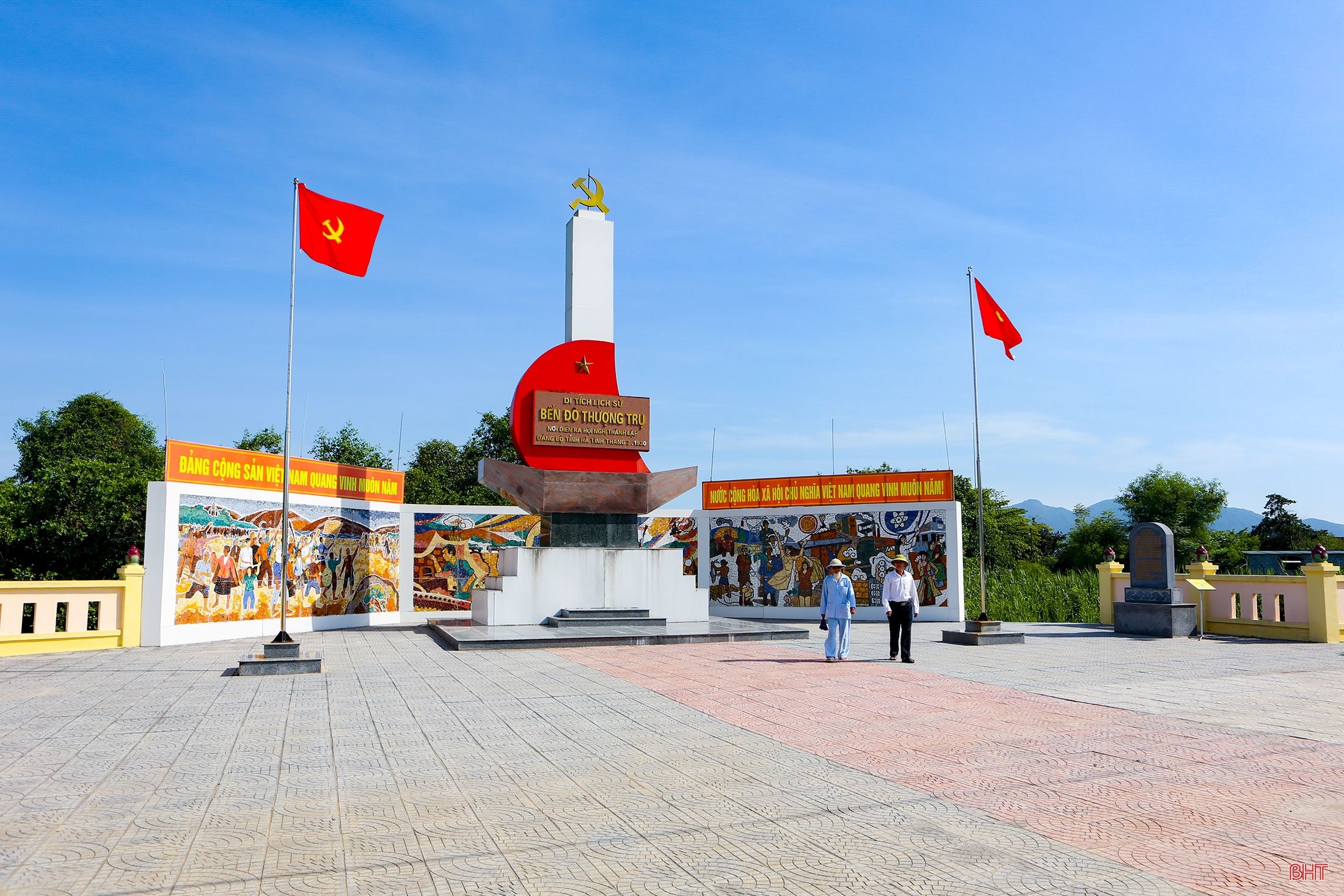
Thuong Tru ferry terminal (Thien Loc commune, Can Loc district) - the location of the provincial Party committee founding conference in March 1930.
During the days when the whole country was excitedly celebrating the 78th anniversary of the August Revolution and National Day on September 2nd, we returned to the Soviet homeland of Can Loc, reminiscing about the historical landmarks and visiting the relatives of the heroic communist soldiers. 93 years have passed, and the villages that were once desolate and impoverished due to oppression, the names of places and villages steeped in the blood of countless courageous people, have now burst with new life, boasting a bright and prosperous appearance. Localities such as Hong Loc, Tan Loc (Loc Ha), Tung Loc, Thien Loc, and Thuan Thien (Can Loc), the homelands of the Soviet soldiers, have successfully built advanced and model new rural communes. Historical sites such as Dinh Lu communal house, Bien Son temple, and Thuong Tru ferry landing have been recognized as national historical and cultural relics. With the homeland undergoing renewal and development, the people here, including the descendants, families, and clans of the steadfast Soviet soldiers, are continuously following in the footsteps of their ancestors, striving to learn, work, and innovate, contributing their strength and intellect to the cause of building and defending the Fatherland.
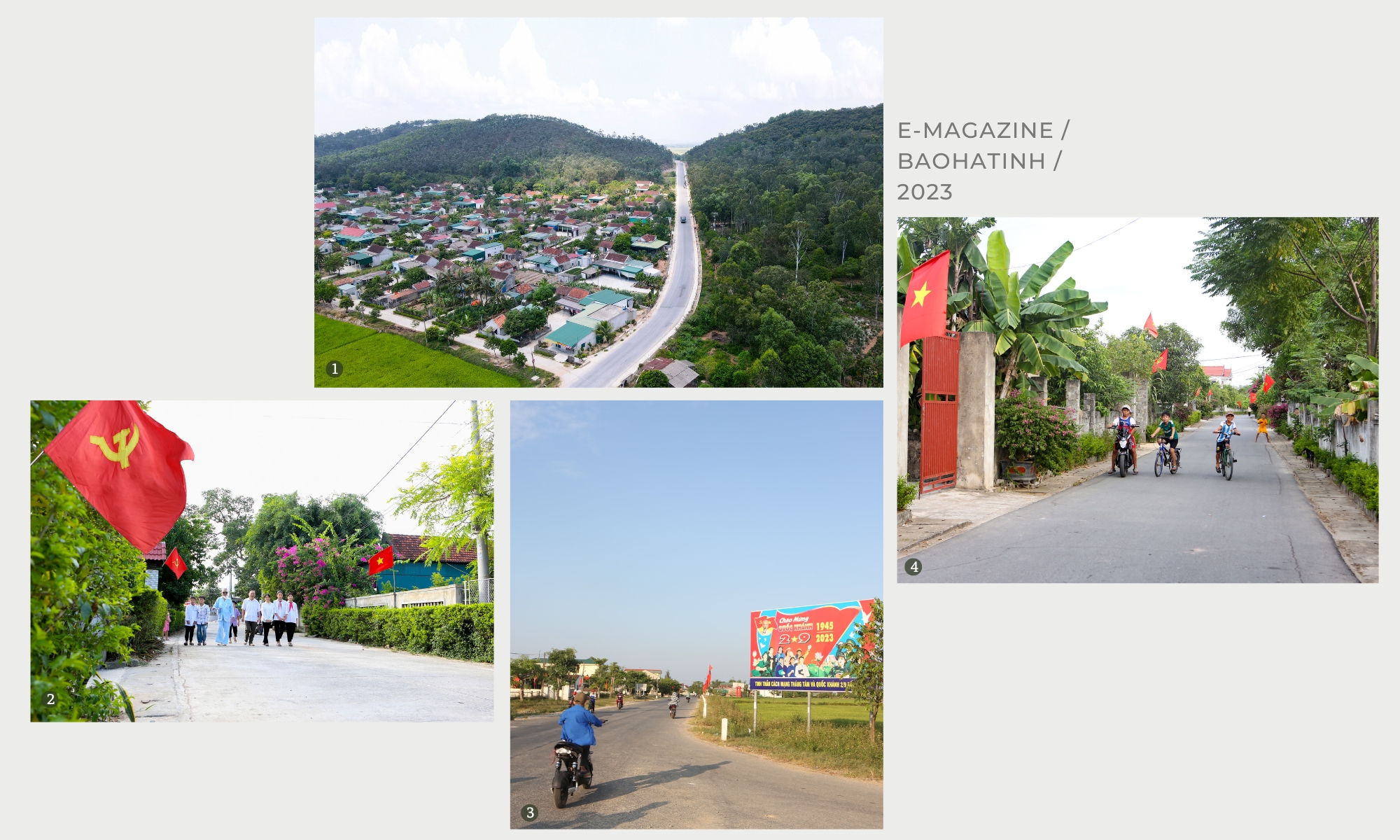
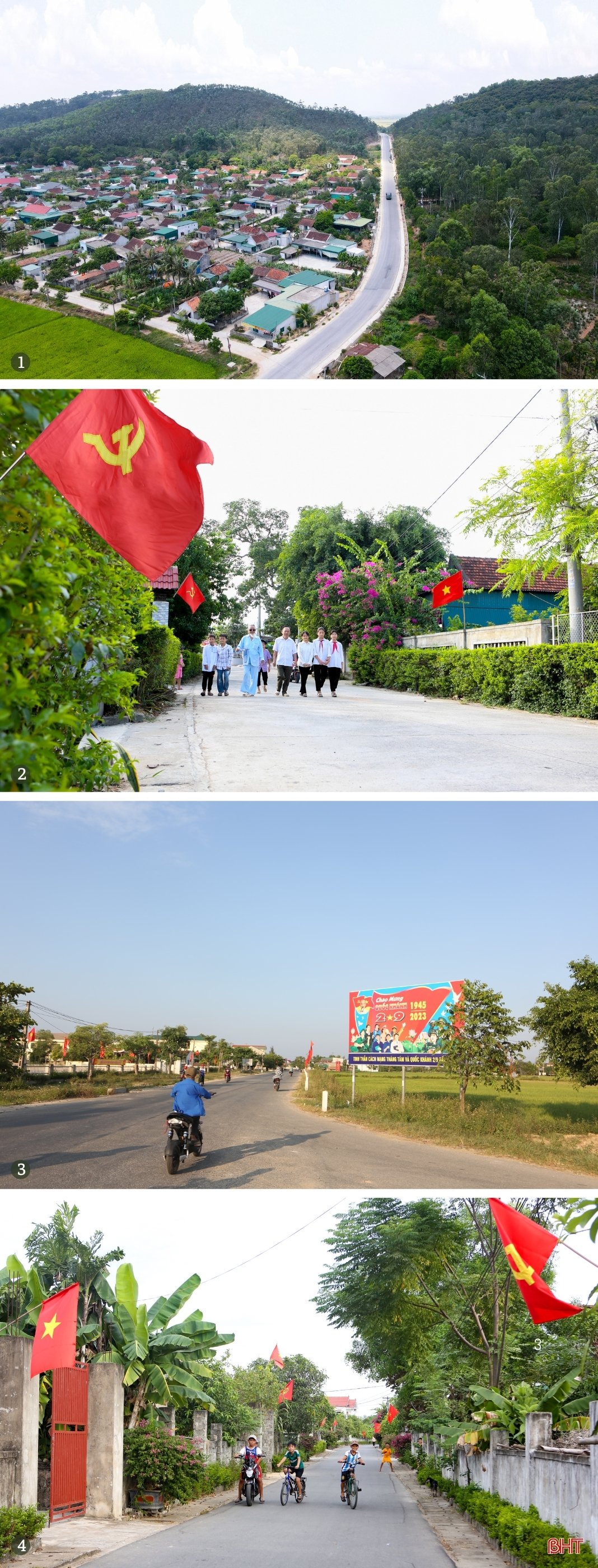
Truong Gio (Hong Loc, Loc Ha) - the site of many mass gatherings and protests in the Ha Can region during the Nghe Tinh Soviet Uprising of 1930-1931 (photo 1). The vibrant green of the revolutionary autumn in the new rural area of Hong Loc commune, Loc Ha district (photo 2). Tan Loc (Loc Ha) today - the place where the first Party branch in Ha Tinh was established in April 1930 (photo 3). The model new rural residential area of Tan Thuong village (Tan Loc) with Dinh Lu communal house, the site of the lively struggle during the Nghe Tinh Soviet Uprising of 1930-1931 (photo 4).
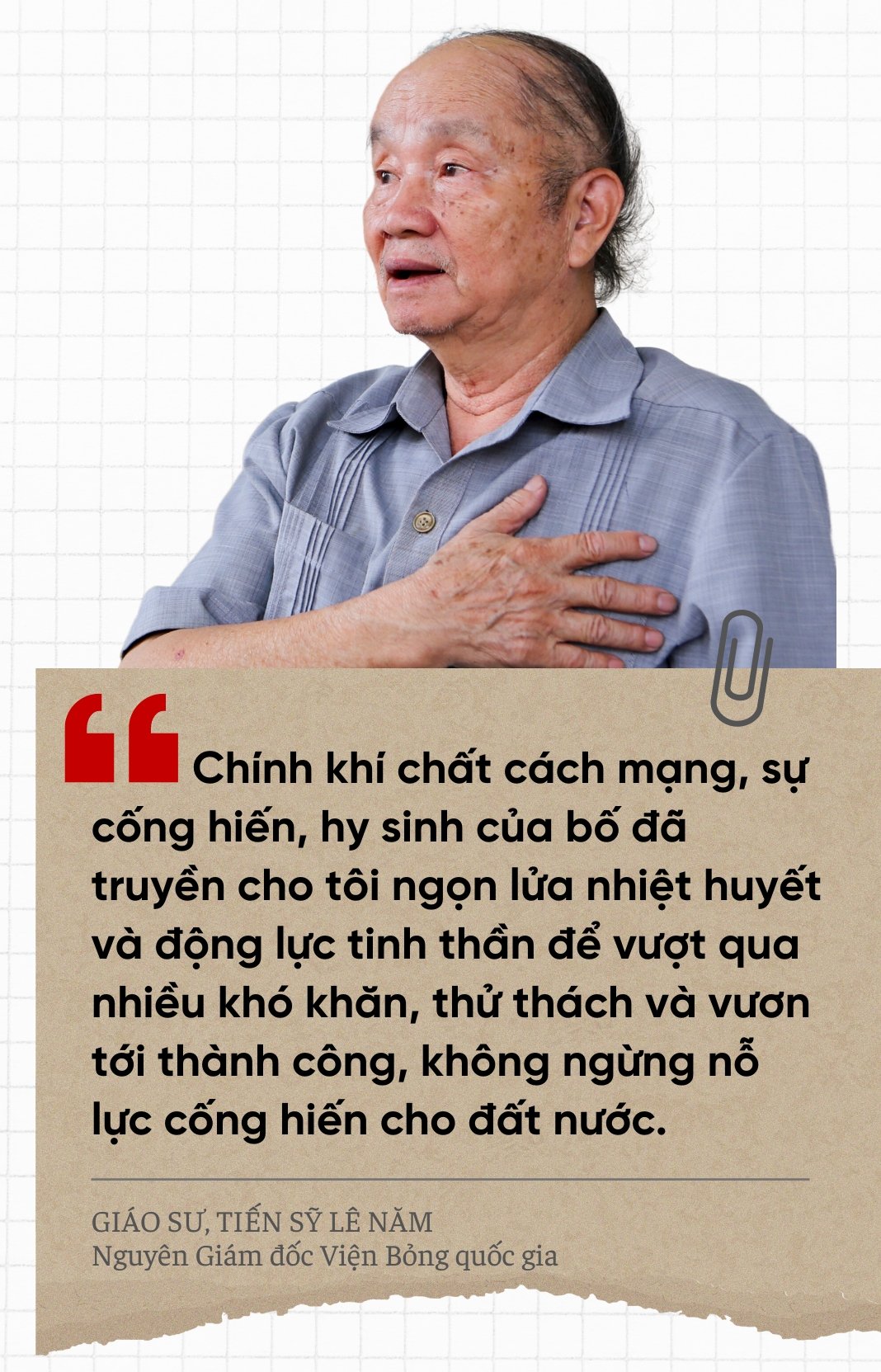
One of the sons of the Soviet soldiers of Can Loc who has achieved success and made many contributions to the country is Major General, People's Physician, Professor, Doctor Le Nam, former Director of the National Burn Institute - son of Mr. Le Bang. Professor, Doctor Le Nam (born in 1952, Hong Loc commune), graduated from the Military Medical Academy and then successfully defended his doctoral thesis in medicine in the former Soviet Union. He has dozens of scientific research projects at various levels that have been applied in practice, is the author of 8 research books, and has presented more than 100 scientific papers at conferences around the world. He has been awarded the First Class Military Merit Order, a commendation from the Prime Minister, and many other medals and commendations. In 2013, he was honored as a typical Vietnamese intellectual in the socio-economic field. Although retired, Major General Le Nam remains actively involved in various scientific research activities and providing medical care to the poor. He has four children, and currently six of them—sons, daughters, daughters-in-law, and sons-in-law—are doctors.
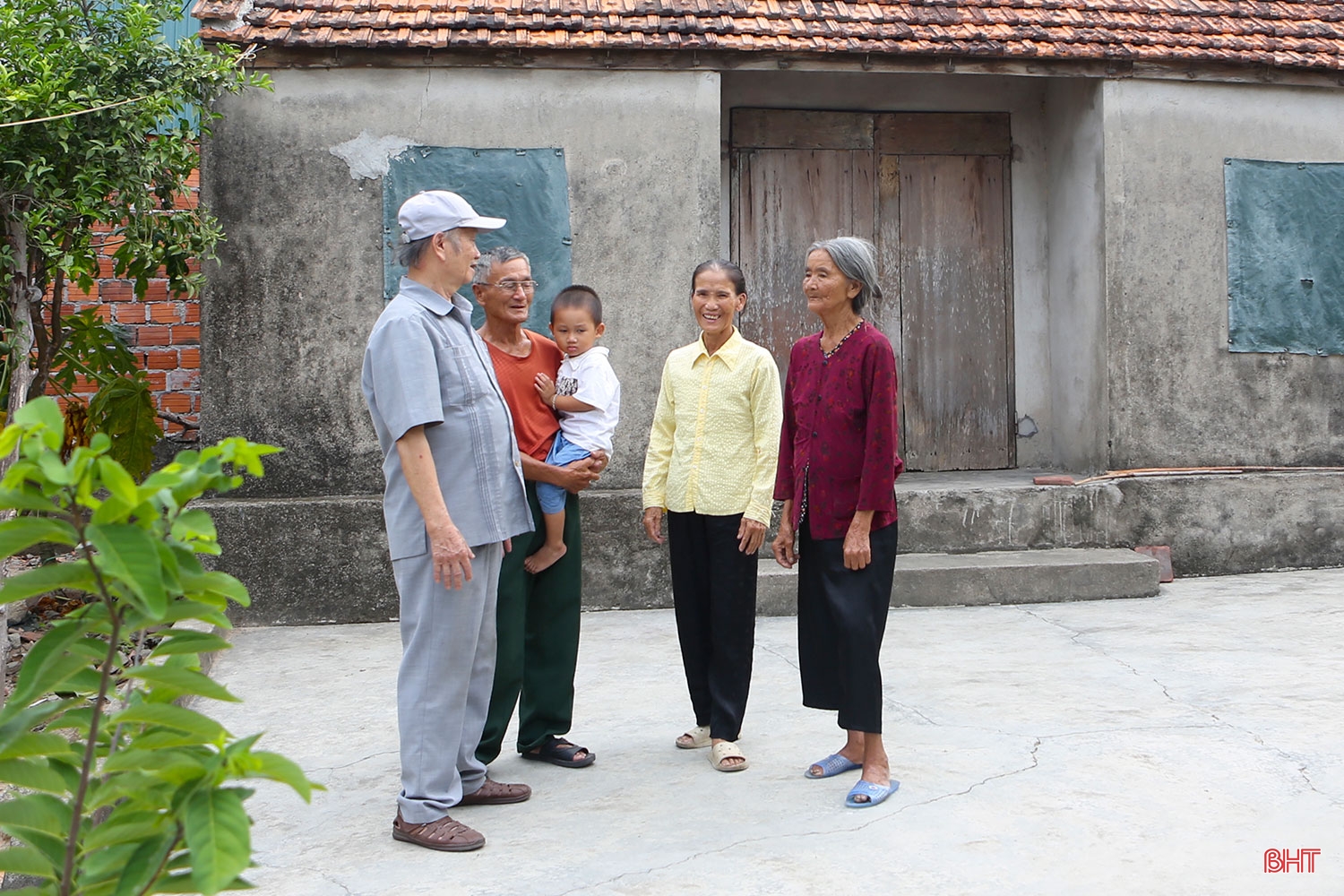
Major General, Professor, Doctor Le Nam revisits the house where he and his father, Mr. Le Bang, once lived in Quan Nam village (Hong Loc, Loc Ha).
Recalling his father, Mr. Le Bang, and the revolutionary memoirs of his parent, Major General Le Nam was moved: “From a young age, I had to live in difficult circumstances, with my father frequently ill due to the aftereffects of torture inflicted by the enemy; my mother was also sick and blind… But it was my father’s revolutionary spirit, dedication, and sacrifice that instilled in me the passion and motivation to overcome many difficulties and challenges and achieve success, constantly striving to contribute to the country.”
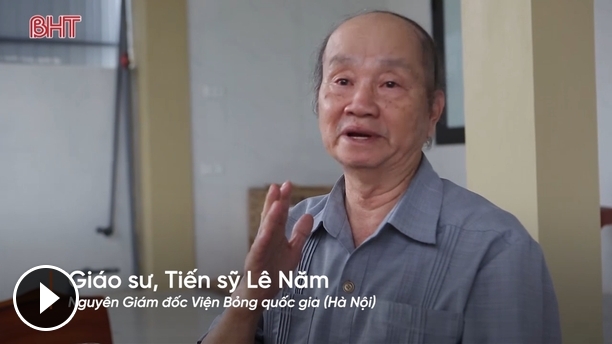
Video: Professor Dr. Le Nam, former Director of the National Burn Institute, shares memories of his father, Soviet soldier Le Bang.
During those historic September days, walking amidst the heroic land of Can Loc in the autumn sunshine, beside the well-developed villages and vast rice paddies ablaze with golden ripe rice, we felt even more proud of our Soviet tradition. The memoirs of those first communist fighters still seem to burn with the flame of revolution. That flame has burned, is burning, and will continue to burn, providing strength and enthusiasm to generations today and tomorrow.
Text and photos: CT-XH Reporting Team
Design - Engineering: Huy Tung - Khoi Nguyen
(To be continued)
5:08:09:20 23:08:03
Source
![[Photo] Secretary of the National Assembly Party Committee, Chairman of the National Assembly presides over the meeting of the Standing Committee and Executive Committee of the National Assembly Party Committee.](https://vphoto.vietnam.vn/thumb/1200x675/vietnam/resource/IMAGE/2026/06/03/1780480353201_ndo_br_bnd-2585-jpg.webp)
![[Photo] General Secretary and President To Lam presides over a meeting with the Central Organizing Committee.](https://vphoto.vietnam.vn/thumb/1200x675/vietnam/resource/IMAGE/2026/06/03/1780482764658_a1-bnd-4741-3342-jpg.webp)
![[Photo] First session of the 14th Congress of the Vietnam Trade Union](https://vphoto.vietnam.vn/thumb/1200x675/vietnam/resource/IMAGE/2026/06/03/1780465947883_ndo_br_img-3852-jpg.webp)

























![[Video] Sunset at Lap An Lagoon – Where the sun sets over the fishing nets](https://vphoto.vietnam.vn/thumb/1200x675/vietnam/resource/IMAGE/2026/05/31/1780192137701_beach-landscape-sea-water-nature-grass-745871-pxhere-com.jpeg)
























Comment (0)