

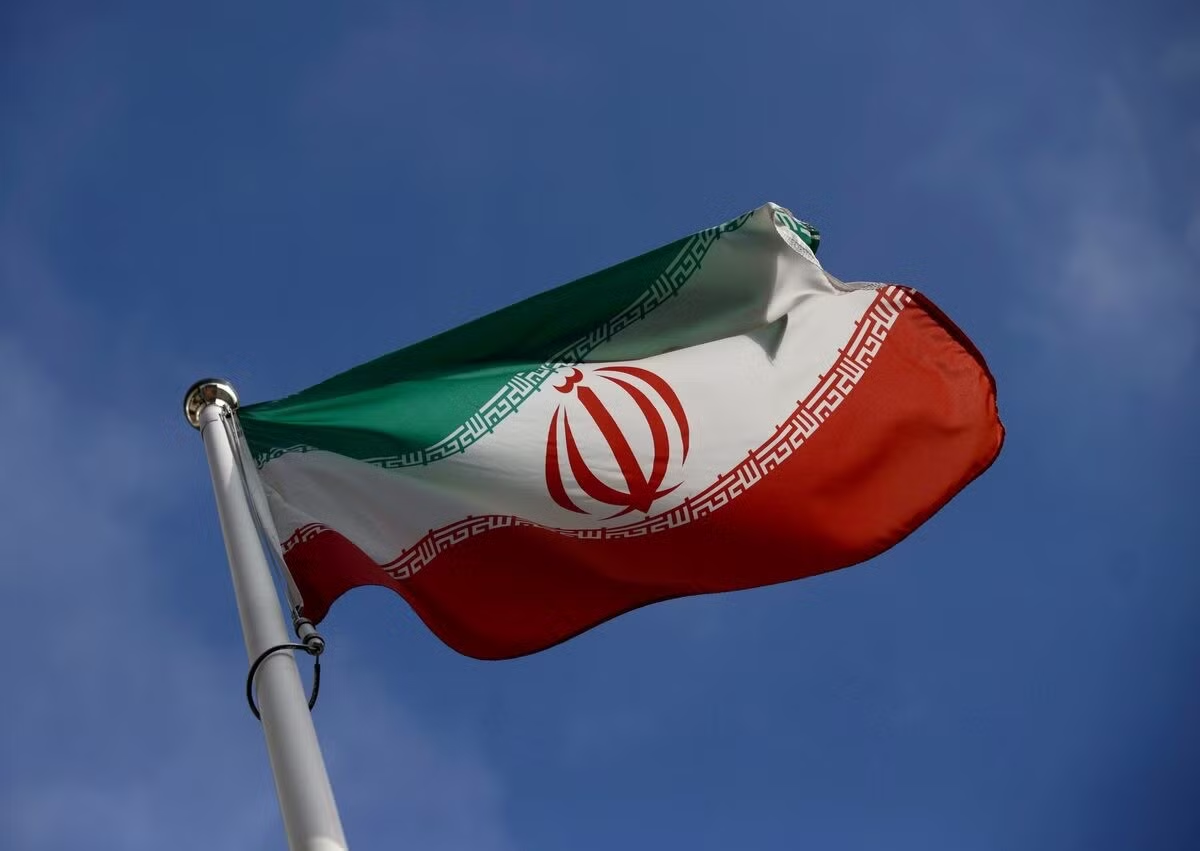
The New York Times reported on May 24, citing two US officials, that the key element in the agreement between the US and Iran is Tehran's clear commitment to abandoning its enriched uranium stockpile.
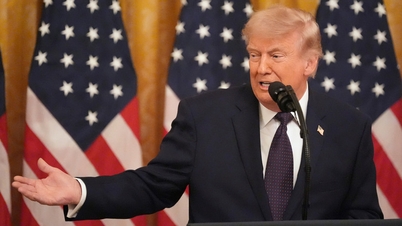
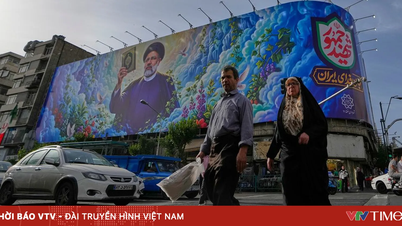
Earlier, on May 23, US President Donald Trump announced that the US was close to reaching an agreement with Iran to end the war and reopen the Strait of Hormuz. However, he did not provide details about the obstacles that could hinder the completion of the agreement.
U.S. officials said the proposal doesn't specify exactly how Iran would give up its stockpiles of highly enriched uranium. However, a joint statement that Iran would commit to doing so would be crucial to the deal.
Iran has not made any public statement regarding the agreement that Trump announced.
Initially, Iran refused to include any agreement on its enriched uranium stockpiles in the first phase of negotiations, requesting a postponement until the second phase.
But U.S. negotiators said they had made it clear to Iran through intermediaries that if no agreement was reached on stockpiles in the first phase of the deal, the U.S. would halt negotiations and resume its military campaign.
According to the International Atomic Energy Agency (IAEA), Iran currently possesses approximately 440 kg of uranium enriched to 60%.
Military planners have presented Trump with several options in recent days for bombing Iran's uranium stockpiles, much of which is believed to be located at the Isfahan nuclear complex. This area is slated to be targeted by U.S. Tomahawk missiles in June 2025.
Among the options discussed was attacking Isfahan with tunnel-penetrating bombs in an attempt to destroy the underground stockpile.
The US had previously proposed that Iran temporarily halt uranium enrichment for 20 years. However, Iran wanted to shorten the moratorium to five years.
Source: https://tienphong.vn/iran-dong-y-tu-bo-kho-du-tru-uranium-lam-giau-post1845850.tpo
![[Image] Pleasant weather helps students enter the 10th grade entrance exam with confidence.](https://vphoto.vietnam.vn/thumb/1200x675/vietnam/resource/IMAGE/2026/05/29/1780034401612_ngay-1-thi-lop-10-minh-duy-8-5009-jpg.webp)
![[Photo] Ba Lang An Lighthouse - the "eye of the sea" amidst the "rock museum" of Quang Ngai province.](https://vphoto.vietnam.vn/thumb/1200x675/vietnam/resource/IMAGE/2026/05/29/1780038698840_anh-man-hinh-2026-05-29-luc-14-10-42.png)






































































Comment (0)