

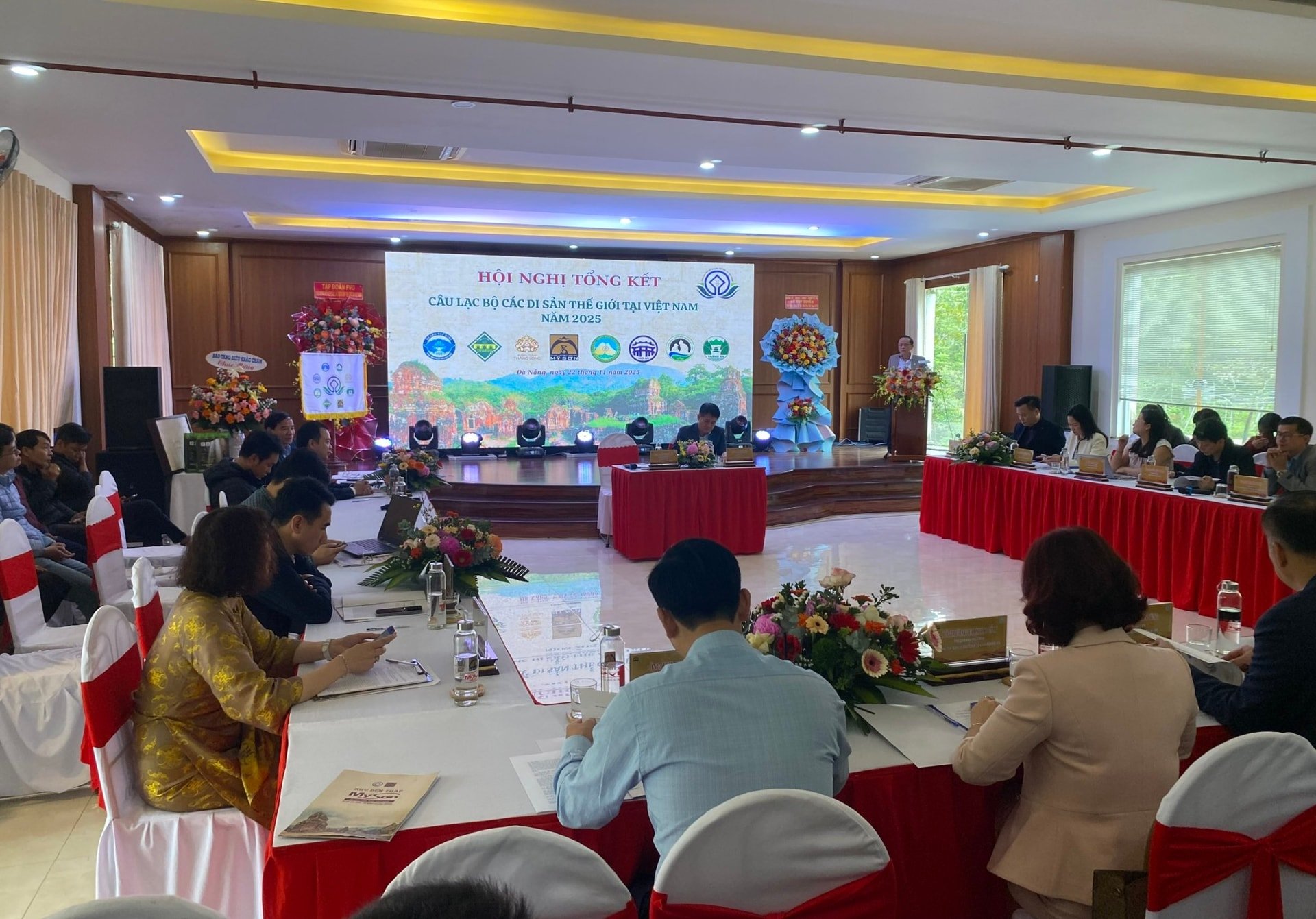
"A common voice" in protecting global heritage.
Established in 2013, the World Heritage Club in Vietnam was created to provide a forum for cultural and natural heritage management boards nationwide.
This collaboration helps to enhance the sharing of expertise, technical support, and create a common voice in protecting the outstanding universal values of the heritage.
The year 2025 will see many extreme climate changes, directly impacting the infrastructure, landscape, and integrity of numerous heritage sites. In this context, the role of the Club in coordinating and sharing resources becomes more important than ever.
The most notable milestone in 2025 is the recognition of the Yen Tu - Vinh Nghiem - Con Son - Kiet Bac complex as a UNESCO World Heritage Site, becoming the 9th member of the network.
Expanding the "heritage family" not only enhances Vietnam's cultural standing on the international stage but also opens up many opportunities for collaborative research, tourism promotion, and community development based on heritage values.
In its role as Chair of the World Heritage Club in Vietnam in 2025, the My Son World Cultural Heritage Management Board is promoting many groundbreaking initiatives, notably the strong application of technology in surveying, restoring, and monitoring the heritage site.
According to Mr. Nguyen Cong Khiet, Deputy Director in charge of the My Son World Cultural Heritage Management Board, My Son is applying Lidar for the first time in stratigraphic surveying and 3D spatial scanning, creating an accurate data source to serve scientific conservation work.
Digitalizing the entire museum artifact system, building an online database, and installing AI cameras helps improve monitoring efficiency, especially for artifacts at risk of damage from weather.
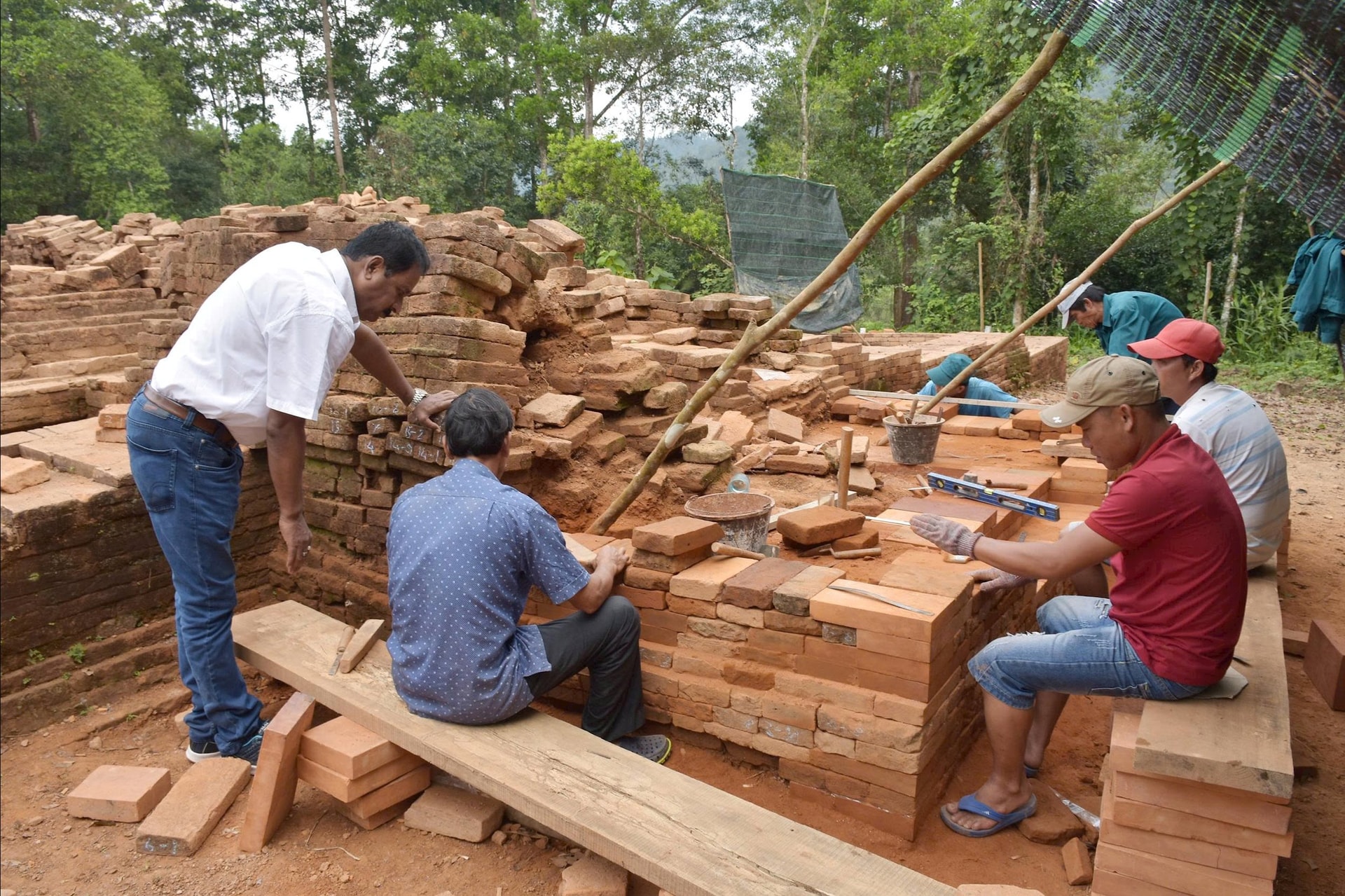
Not only My Son, but other heritage sites such as Hoi An, Ha Long Bay - Cat Ba, Trang An, Hue Imperial City, and Phong Nha - Ke Bang continuously collaborate on tourism promotion activities, professional seminars, and sharing community-based models.
Through collaborative programs, experiences in heritage management in the context of urbanization, natural disasters, and the pressures of mass tourism are widely disseminated, helping each unit develop appropriate response plans.
Mr. Trinh Huu Anh, Deputy Director of the Ho Citadel Heritage Conservation Center, assessed that the Club plays an important bridging role between heritage sites and international organizations such as UNESCO. Thanks to this coordination mechanism, many urgent restoration projects have been proposed and implemented.
According to Mr. Pham Phu Ngoc, Deputy Director of the Hoi An World Cultural Heritage Conservation Center, the greatest benefit the club brings is the dissemination of effective models.
Hoi An is learning from many new initiatives of other heritage sites to improve the quality of the visitor experience and boost the local economy.
[VIDEO] - Mr. Pham Phu Ngoc, Deputy Director of the Hoi An World Cultural Heritage Conservation Center:
Looking ahead to 2026, the World Heritage Club in Vietnam has set key objectives including: strengthening international cooperation, promoting digital transformation, training specialized human resources, and implementing solutions to address climate change.
Digital transformation is identified as the "key" to improving management efficiency, helping to disseminate heritage data to the community, tourists, and researchers.
A common management model for heritage sites is needed.
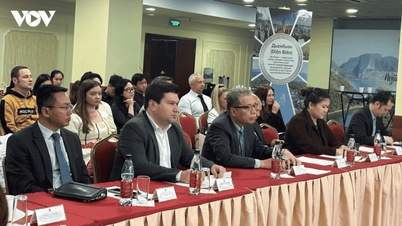
At the conference, most opinions acknowledged that the establishment of the World Heritage Club in Vietnam is a good model, one that very few countries in the world have been able to replicate. However, the operational process also revealed some limitations such as a lack of information connectivity; insufficient mutual communication support; and heritage sites facing the risk of declining global value...
Therefore, strengthening international cooperation is crucial to leverage the advisory support of international interdisciplinary experts and UNESCO, including cooperation with central ministries and agencies such as the Ministry of Foreign Affairs, the Ministry of Culture, Sports and Tourism, or the UNESCO Hanoi Office...
According to Mr. Mai Vu Tuan, Head of the Management Board of the Ha Long Bay - Yen Tu World Heritage Site, heritage sites need to strengthen cooperation, especially in communication and promotion of Vietnamese heritage to the international community. Each world heritage site not only represents a locality but also has national significance, so coordination among heritage sites will help spread and enhance the image of the country.
However, because most World Heritage management agencies are state-run public service units, communication efforts, especially through international channels, are difficult due to the high costs involved.
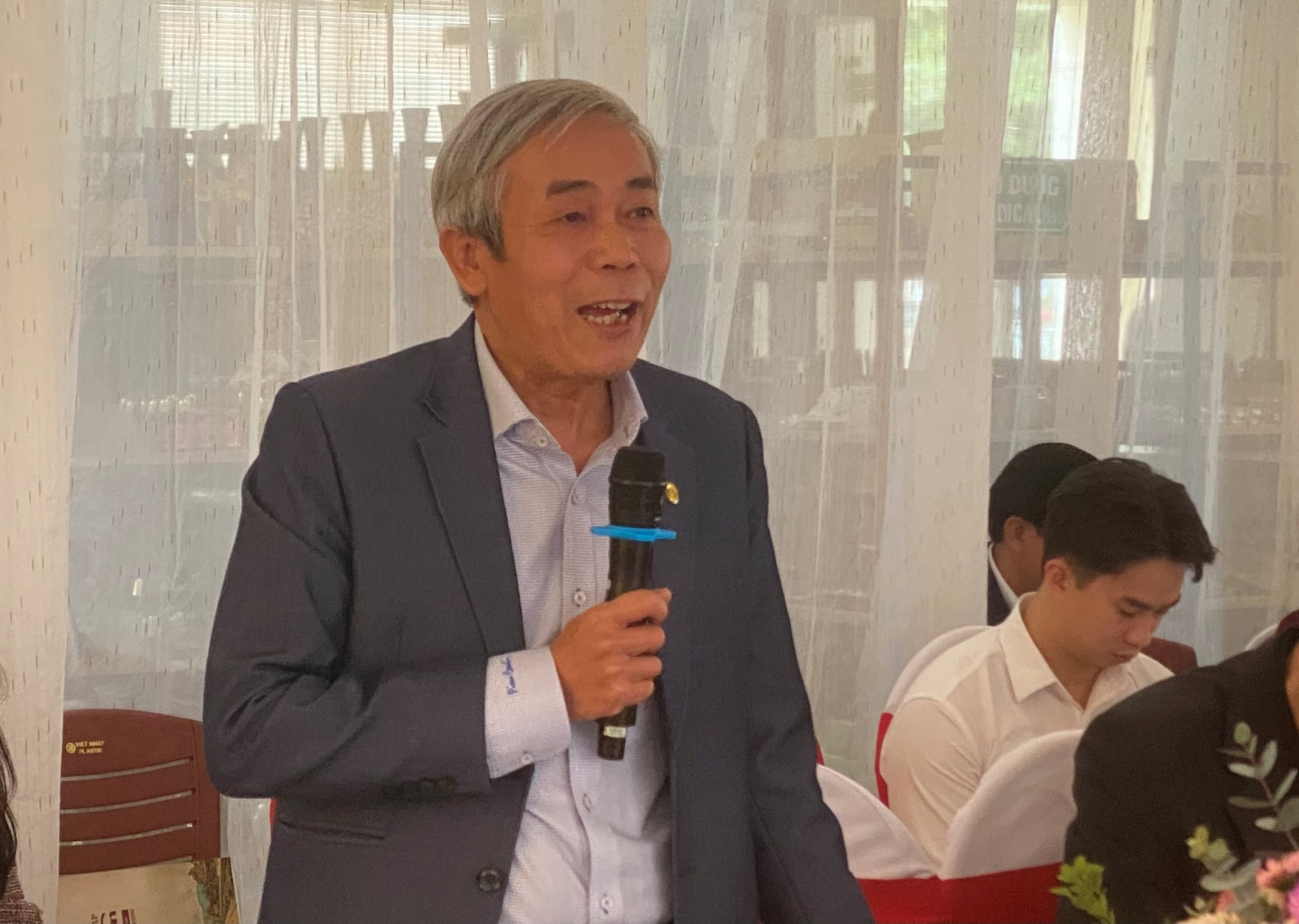
Mr. Nguyen Phuoc Hai Trung, Deputy Director of the Hue Ancient Citadel Conservation Center, believes that research, preservation, and promotion of heritage are an inseparable chain and equally important. However, because some heritage sites have unique management models, a unified management model is needed. Specifically, management boards should be under the direct authority of the Provincial or City People's Committee; only then will heritage sites have the opportunity for sustainable development.
In fact, among Vietnam's nine World Heritage sites, besides having different management units (under the Provincial/City People's Committee or the Department of Culture, Sports, and Tourism...), the names also differ (board/center/national park...).
According to Mr. Nguyen Viet Cuong, Deputy Director of the Vietnam Cultural Heritage Department, sustainable development of world heritage sites is a crucial issue today; the goal is to find ways for world heritage sites to become models for heritage sites in Vietnam.
Therefore, the activities of the World Heritage Club in Vietnam also need a specific plan. Each year should choose a different theme so that the World Heritage sites in Vietnam become pioneering models in sustainable development.
"In the coming time, we will study and submit to the Government a regulation on a unified model for managing world heritage sites in Vietnam," said Mr. Nguyen Viet Cuong.
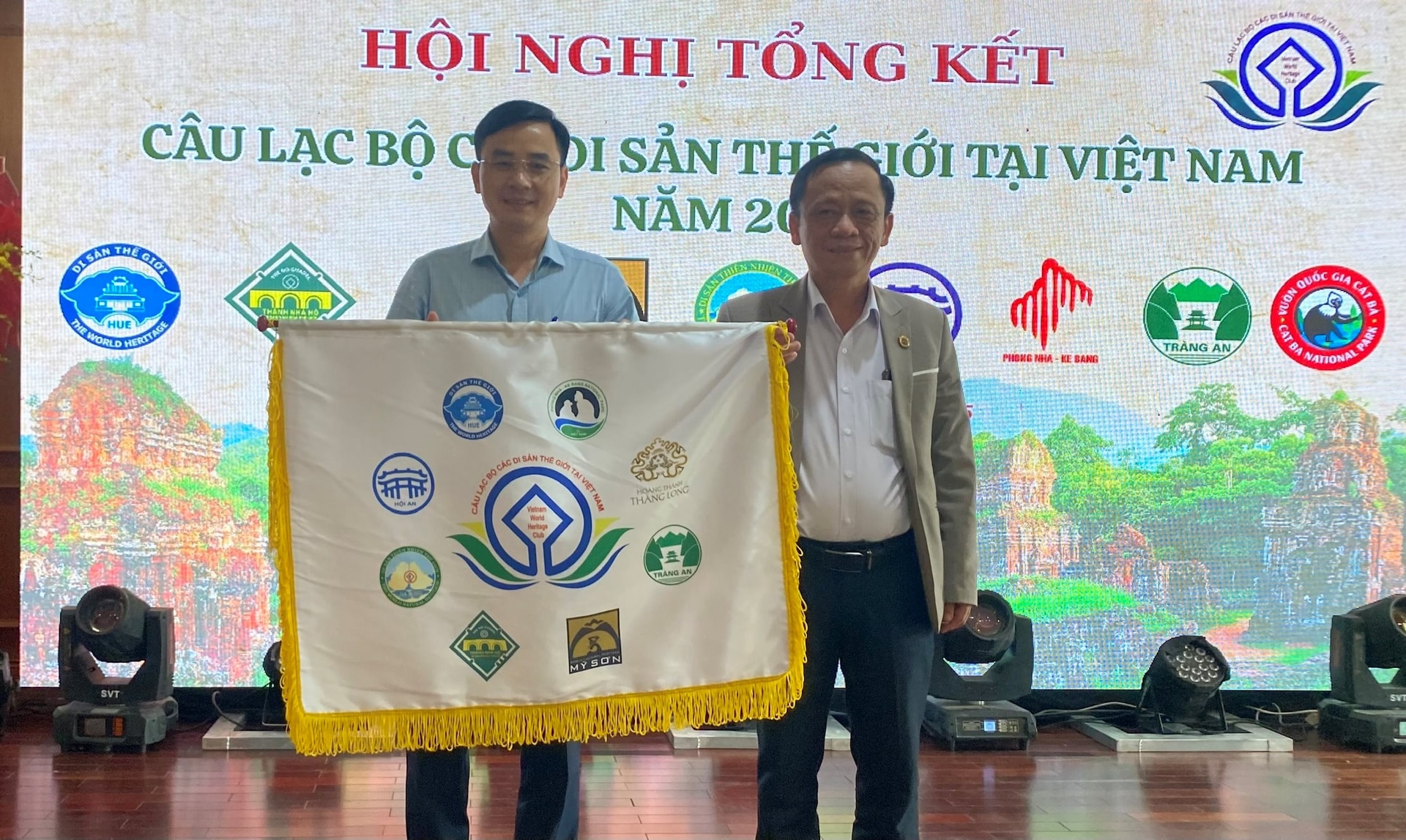
According to Ms. Le Hoang Lien, Cultural Programme Assistant at the UNESCO Hanoi Office, sustainable development of world heritage sites requires cooperation between the public and private sectors, including the role of local communities, to promote the preservation and effective promotion of heritage.
Furthermore, disaster prevention and the preservation of heritage sites also need to be reassessed, especially after the recent storms and floods. "We are seeking international support for the ancient town of Hoi An and the Hue Imperial Citadel complex following the recent natural disasters in order to develop a disaster prevention plan for 2026," Ms. Hoang Lien informed.
[VIDEO] - Summary Conference of the World Heritage Club in Vietnam:
Source: https://baodanang.vn/ket-noi-di-san-the-gioi-tai-viet-nam-3310978.html
![[Photo] Solemn bathing ceremony and Buddha procession in Hue](https://vphoto.vietnam.vn/thumb/1200x675/vietnam/resource/IMAGE/2026/05/31/1780228263543_1-jpg.webp)
![[Photo] Admire the coral "masterpiece" amidst the million-year-old heritage of Dak Lak province.](https://vphoto.vietnam.vn/thumb/1200x675/vietnam/resource/IMAGE/2026/05/31/1780221235105_anh-man-hinh-2026-05-31-luc-16-53-27.png)

![[Image] Hanoi Police officially crowned champions of V-League 2025/2026](https://vphoto.vietnam.vn/thumb/1200x675/vietnam/resource/IMAGE/2026/05/31/1780244769054_ndo_br_039d561b692be875b13a-jpg.webp)

![[Photo] The General Secretary, President and his wife begin their state visit to the Philippines.](https://vphoto.vietnam.vn/thumb/1200x675/vietnam/resource/IMAGE/2026/05/31/1780230559452_anh-man-hinh-2026-05-31-luc-19-28-11.png)
















![[Video] Sunset at Lap An Lagoon – Where the sun sets over the fishing nets](https://vphoto.vietnam.vn/thumb/340x192/vietnam/resource/IMAGE/2026/05/31/1780192137701_beach-landscape-sea-water-nature-grass-745871-pxhere-com.jpeg)






























![[Photo] Admire the coral "masterpiece" amidst the million-year-old heritage of Dak Lak province.](https://vphoto.vietnam.vn/thumb/402x226/vietnam/resource/IMAGE/2026/05/31/1780221235105_anh-man-hinh-2026-05-31-luc-16-53-27.png)



























Comment (0)