

From production processes to safety discipline
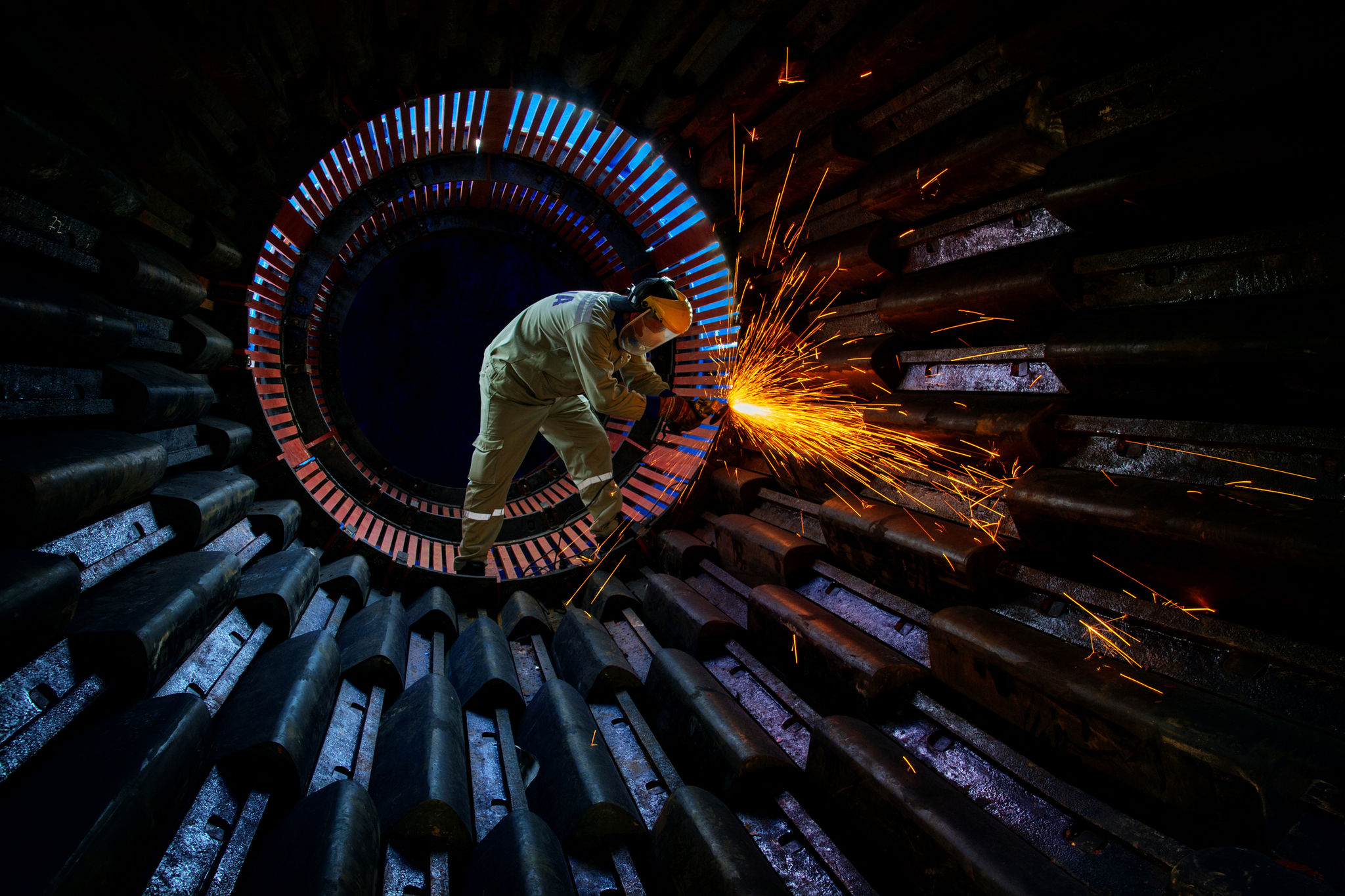
Under the scorching sun of the highlands, the sound of ore crushing machines at the Dak Nong Aluminum Plant - TKV continues to rumble incessantly. Amidst this dense industrial noise, another process is always strictly maintained: workplace safety.
Before each shift, workers thoroughly check their helmets, goggles, gloves, and safety shoes. These seemingly simple pieces of equipment become a "shield" in an environment with many potential mechanical hazards and metal dust.
Mr. Dao Xuan Trung, Head of the Safety and Environment Department of Dak Nong Aluminum Company - TKV, said that occupational safety and health (OSH) is not only a requirement to comply with but also a condition for maintaining stable production. "In the aluminum industry, even a small incident can disrupt the entire production line. Therefore, we consider safety an inseparable link," Mr. Trung said.
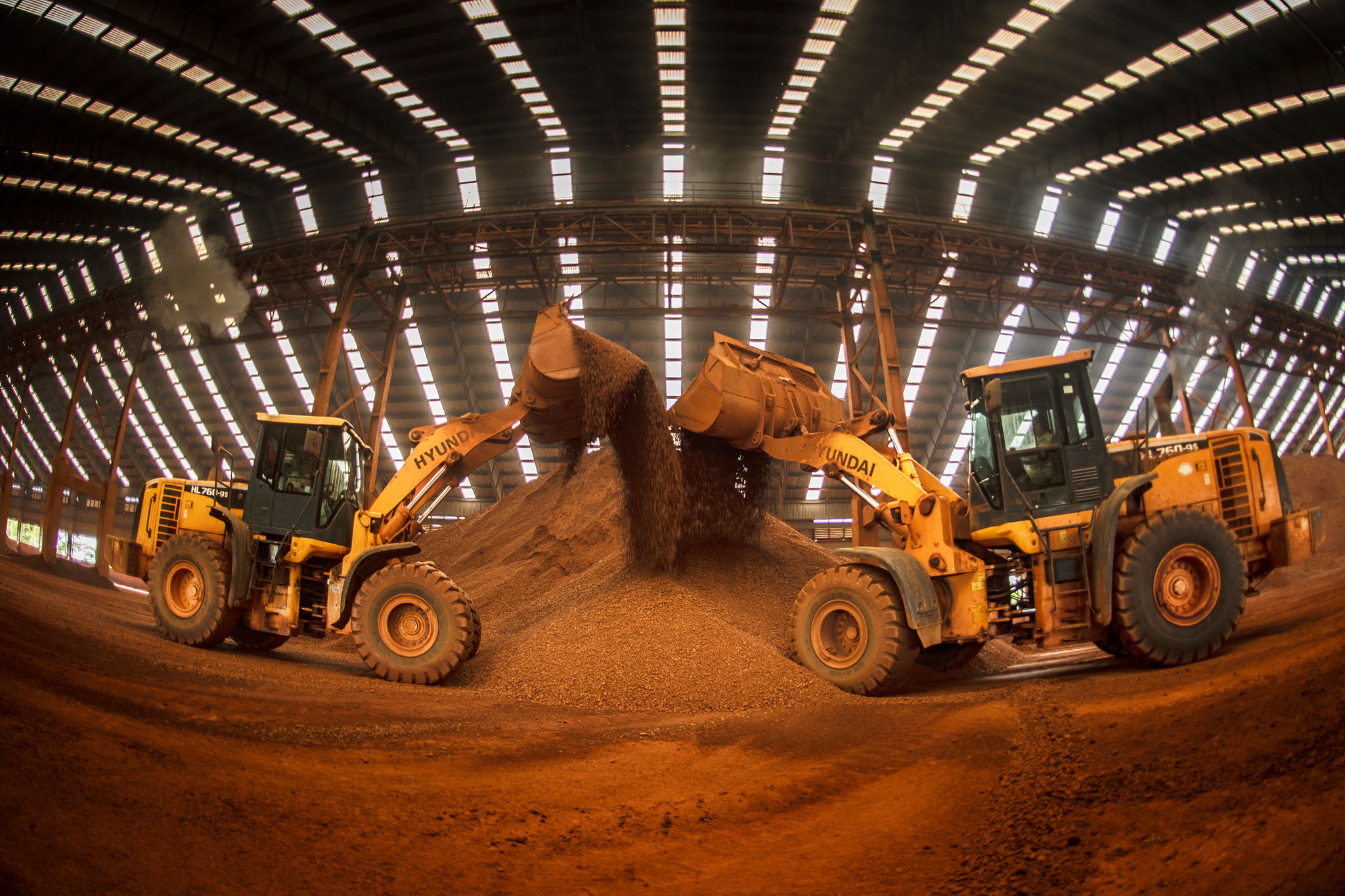
According to Mr. Trung, hazardous areas are clearly demarcated, and a synchronized system of cameras, sensors, and warning systems is installed. In parallel, regular training sessions and simulated incident scenarios are conducted to help workers develop reflexes for handling such situations.
Safety requirements are tightening not only in heavy industry but also in the agricultural processing sector.
At a coffee processing facility in Lam Dong province, the roasting and grinding line operates steadily from morning to evening. The aroma of roasted coffee permeates the entire factory, while the industrial dust extraction system runs continuously to maintain a safe working environment.
Workers are equipped with specialized masks, heat-resistant gloves, and detailed operating instructions for each step. Safety procedure charts are placed directly at the machines, serving as visual guides instead of just on paper. A representative from the facility stated that the biggest change is not in the machinery but in people's habits.
In the past, many people relied on experience. But with more modern production lines, even a small mistake can cause problems. Therefore, adhering to safety procedures is mandatory.
Representative of a coffee production facility
Meanwhile, in the field of high-tech agriculture , occupational safety and health is associated with the specific characteristics of enclosed greenhouses, high humidity, and continuous working conditions in confined spaces.
In the models in Da Lat, Duc Trong, and Gia Nghia, workers toil among rows of green vegetables in greenhouses, where a drip irrigation system operates along each row of plants. Unlike industrial environments, the risks here mainly stem from the enclosed workspace, the damp, slippery surfaces, and the frequent, repetitive manual tasks.
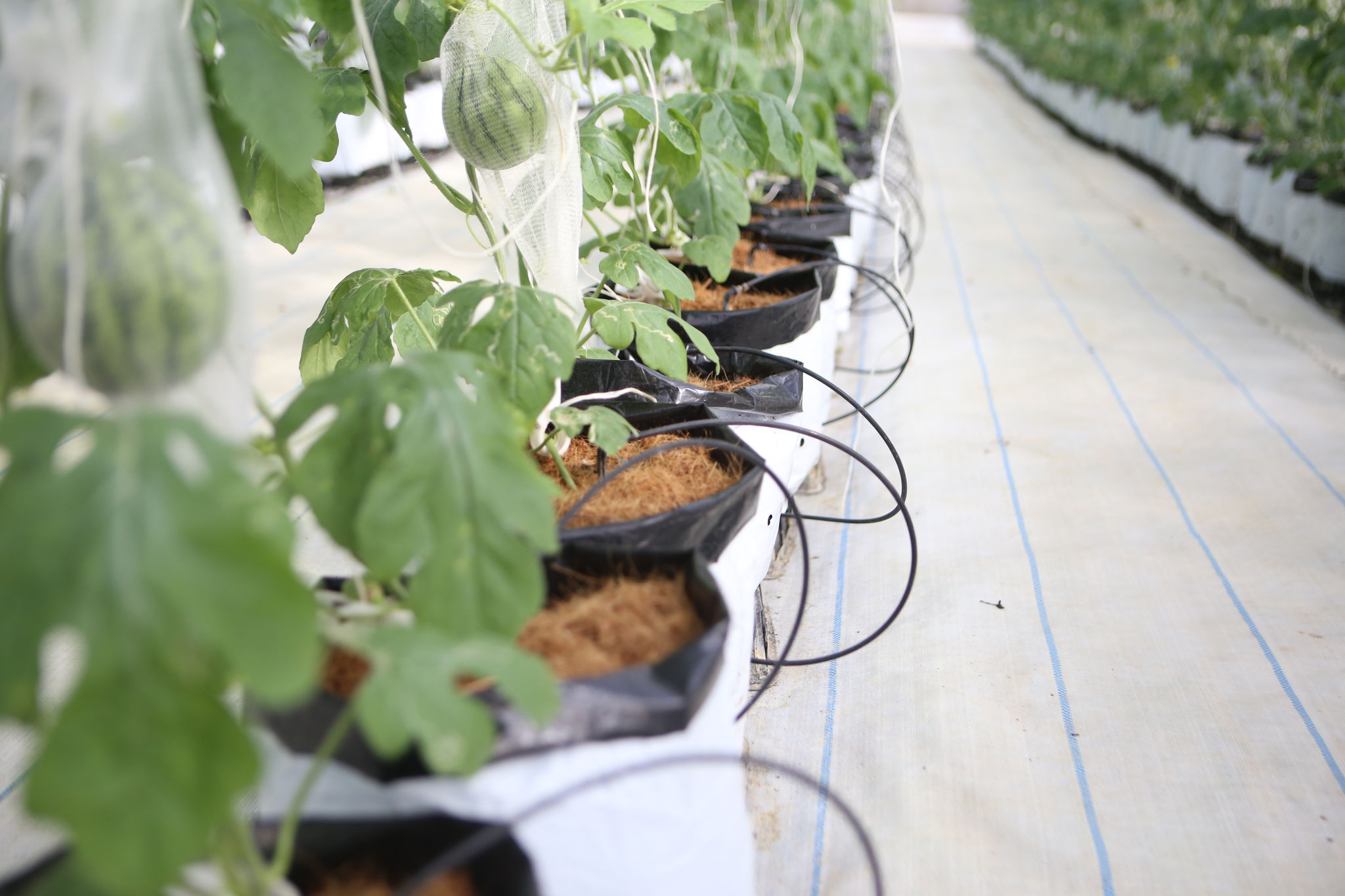
Workers are required to fully comply with safety regulations when working in greenhouses, from protective equipment to equipment operating procedures. Some businesses also implement electronic logs and traceability systems to control the entire production process.
Mr. Tran Van Minh, a greenhouse worker in Gia Nghia, shared: "After working here for a long time, I realize that safety is not just for the company, but for myself as well. Only with safety can I work for the long term."
Work culture in the digital age
Along with shifts in production, workers' awareness of occupational safety and health is also changing in a more practical direction.
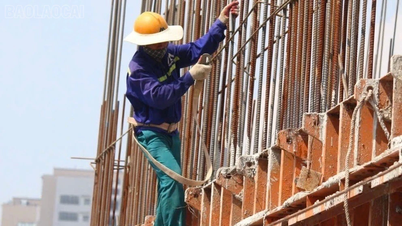
From viewing wearing protective gear as a cumbersome procedure, many workers have now developed a habit of doing it voluntarily. In many factories and construction sites, checking helmets and safety harnesses before each shift has become a default procedure, requiring no reminders.
At the management level, many businesses incorporate safety criteria into their internal evaluation systems, linking the responsibility of production teams and groups to the level of compliance with regulations. As a result, the mechanism of "reminders from management" gradually transforms into "collective mutual monitoring," creating positive pressure from within the production line.
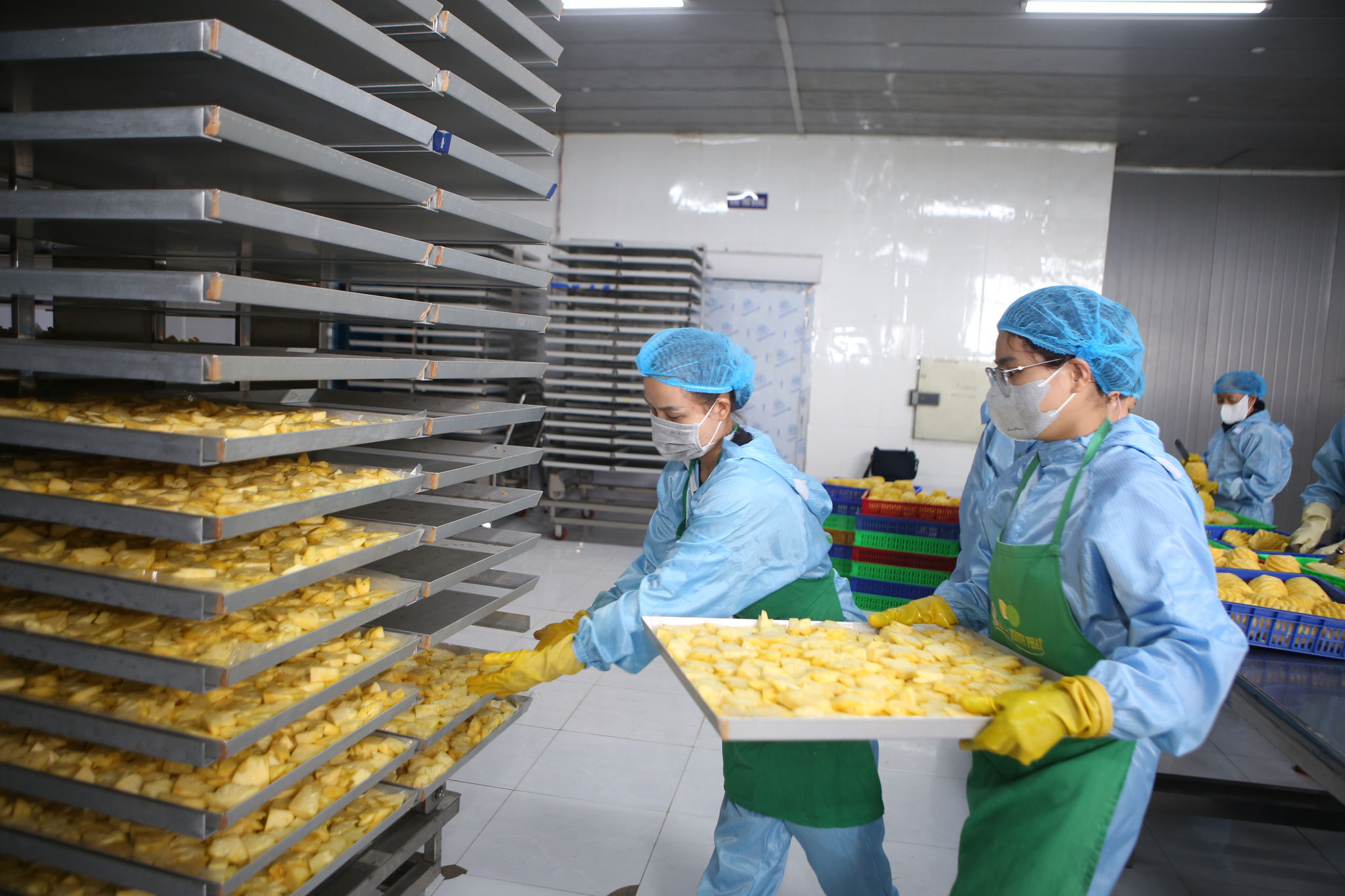
Simultaneously, authorities intensified inspections in high-risk sectors such as mining, processing, and construction. Through these inspections, many shortcomings were addressed, particularly the lack of training or inadequate protective equipment at small-scale facilities.
Statistics show that the number of serious workplace accidents in the area has tended to decrease in recent years. Although the reduction is not yet significant, it indicates the initial effectiveness of tightening management and raising safety awareness in production.
However, the gap remains. Many small businesses have not allocated adequate resources to occupational safety and health. Some seasonal workers are still complacent; while training in some places remains merely a formality.
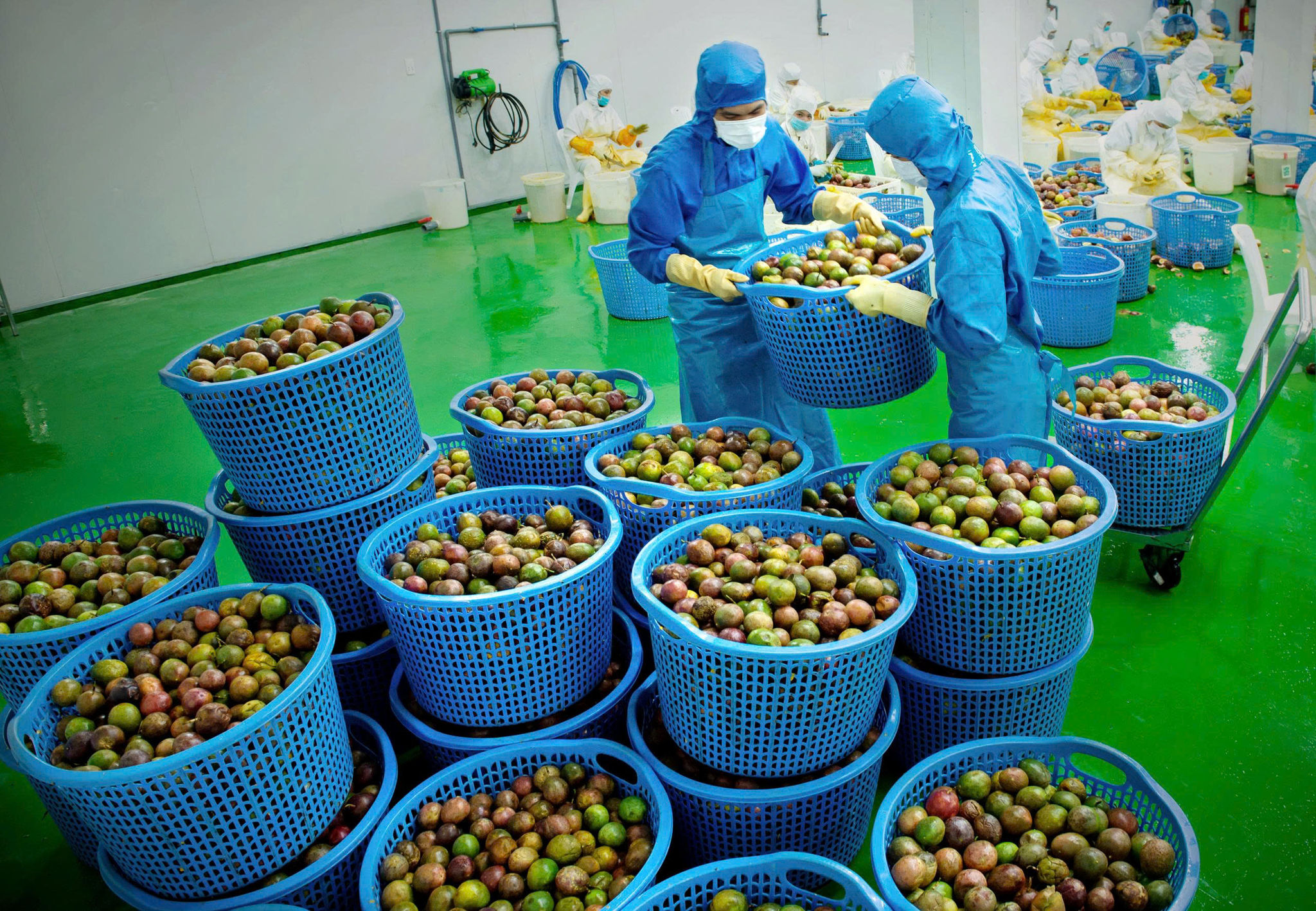
This reality necessitates a shift from ensuring safety according to regulations to fostering a workplace safety culture – where safety is not just an obligation, but becomes the norm of behavior for each individual in the production line.
2026 is a crucial year in the national digital transformation process. Accordingly, the requirements extend beyond simply protecting workers; they also aim to modernize workplace safety management, integrating technology and data into risk prevention.
Mr. Do Van Chung, Director of the Department of Internal Affairs, Standing Vice Chairman of the Occupational Safety and Health Council of Lam Dong province.
In the context of modern production, occupational safety and health is not only the "last line of defense" for workers, but is gradually becoming the foundation for productivity and sustainable development.
As factories operate continuously and greenhouses continue to cover the production area, the core principle becomes increasingly clear: Long-term growth is impossible without safety at every link in the production chain.
Source: https://baolamdong.vn/khi-an-toan-tro-thanh-ky-luat-san-xuat-438786.html

![[Photo] Admire the coral "masterpiece" amidst the million-year-old heritage of Dak Lak province.](https://vphoto.vietnam.vn/thumb/1200x675/vietnam/resource/IMAGE/2026/05/31/1780221235105_anh-man-hinh-2026-05-31-luc-16-53-27.png)
![[Photo] The General Secretary, President and his wife begin their state visit to the Philippines.](https://vphoto.vietnam.vn/thumb/1200x675/vietnam/resource/IMAGE/2026/05/31/1780230559452_anh-man-hinh-2026-05-31-luc-19-28-11.png)

![[Photo] Solemn bathing ceremony and Buddha procession in Hue](https://vphoto.vietnam.vn/thumb/1200x675/vietnam/resource/IMAGE/2026/05/31/1780228263543_1-jpg.webp)
![[Image] Hanoi Police officially crowned champions of V-League 2025/2026](https://vphoto.vietnam.vn/thumb/1200x675/vietnam/resource/IMAGE/2026/05/31/1780244769054_ndo_br_039d561b692be875b13a-jpg.webp)









![[Video] Sunset at Lap An Lagoon – Where the sun sets over the fishing nets](https://vphoto.vietnam.vn/thumb/340x192/vietnam/resource/IMAGE/2026/05/31/1780192137701_beach-landscape-sea-water-nature-grass-745871-pxhere-com.jpeg)











































































Comment (0)