


Amidst ongoing conflicts in the Middle East leading to uncertain fuel supplies, the aviation industry continues to face cost pressures, alongside increasingly demanding customer preferences. Airlines are now considering how to stimulate demand for air travel and tourism .
According to a survey conducted by VNA reporters during the recent April 30th - May 1st holiday, many tourists chose to travel by road instead of by plane, which is more expensive.
According to Uong Viet Dung, Director of the Vietnam Civil Aviation Authority, current aviation operating costs are under immense pressure from fuel prices, exchange rates, aircraft and supply shortages, as well as the impact of global geopolitical fluctuations. This directly affects ticket prices, the ability to stimulate demand, and the competitiveness of businesses.
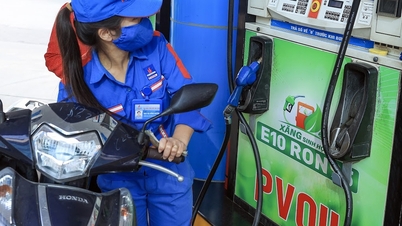
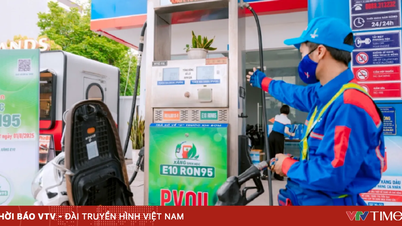
In reality, while oil prices have recently been trending downward, this trend is not sustainable and still carries the risk of shortages due to conflicts in the Middle East. Meanwhile, fuel costs currently account for 35-40% of the total operating costs of airlines. Many airlines are forced to adjust flight frequencies, cut flights, or increase ticket prices. Increased service costs, the impact on tourism and travel, and passengers tightening their spending are all contributing factors.
Mr. Dinh Van Tuan, Deputy General Director of Vietnam Airlines, said that the airline has reinstated austerity measures similar to those during the COVID-19 pandemic. Specifically, the airline has drastically reduced executive salaries, temporarily suspended non-essential investment projects, and implemented unpaid leave for staff.
Technically, Vietnam Airlines has negotiated with air traffic control authorities to implement "shortcut flights," which shortens operating time and reduces fuel consumption. The airline also flexibly refuels in neighboring countries with cheaper prices and enhances maintenance, including cleaning aircraft engines, to improve efficiency and reduce drag.
"Applying AI to the operating system to provide the most optimal flight routes is also a key solution at this stage," a representative from Vietnam Airlines said.
Similarly, Vietravel Airlines is also choosing a cautious but flexible approach. Mr. Duong Hoang Phuc, Director of the Commercial Department of Vietravel Airlines, emphasized that the airline focuses on optimizing its flight network to improve the efficiency of its fleet operations, while diversifying revenue streams from supplementary services instead of just competing on ticket prices.
From an economic perspective, expert Vo Tri Thanh assesses that aviation and tourism are highly vulnerable to epidemics, geopolitical changes, etc., therefore, resilience must be built through policies and internal corporate mechanisms, while strengthening connections between aviation and tourism to create overall resilience for the entire industry.
Accordingly, policies to stimulate demand, support consumption, ease visa requirements, and strengthen ecosystem linkages are crucial in the current context. Besides overcoming immediate challenges, Vietnam must also prepare a long-term foundation for the aviation and tourism industry, encompassing investment, energy, infrastructure, and maintenance ecosystems.
Sharing this view, Mr. Nguyen Quy Phuong - Head of the International Relations and Tourism Promotion Department (Vietnam National Tourism Administration) - believes that promoting synchronized linkages between aviation and tourism is not only aimed at restoring the domestic market in the short term, but also has strategic significance in developing the service economy and enhancing national competitiveness.
"It is necessary to strengthen substantive linkages between airlines, localities, and tourism businesses, and to develop integrated stimulus packages that include airfare, accommodation, sightseeing, and entertainment. At the same time, diversify tourism products, promote regional linkages, multimodal connectivity, and accelerate digital transformation to enhance the competitiveness of destinations," a representative from the Vietnam National Tourism Administration proposed.
The Vietnam Civil Aviation Authority has also proposed that the State consider extending the fuel tax subsidy period, creating a fuel surcharge mechanism, and implementing preferential credit packages for airlines and fuel suppliers.
According to Mr. Bui Minh Dang, Head of the Air Transport Department (Vietnam Civil Aviation Authority), transparent fuel surcharge mechanisms are also being considered as a short-term solution to regulate fluctuations in world oil prices.
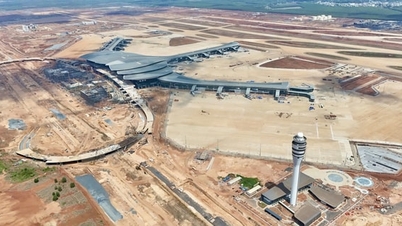
In the long term, accelerating the progress of major infrastructure projects such as Long Thanh, Gia Binh, and Phu Quoc International Airports, and upgrading Da Nang and Cam Ranh airports, is considered a decisive lever to reduce logistics costs and increase competitiveness for businesses and the aviation industry.
In the context of a volatile market, stimulating demand for aviation and tourism cannot be solely the responsibility of airlines; it requires coordination among the government, localities, and businesses. Reducing operating costs, expanding tourism ecosystem linkages, diversifying products, and investing in strategic infrastructure will be decisive factors in enhancing the industry's competitiveness. This is not only a short-term solution for the peak summer season of 2026, but also a necessary preparation for Vietnam's aviation and tourism industry to build resilience, recovery, and sustainable development in the long term.
Source: https://baotintuc.vn/kinh-te/kich-cau-hang-khong-khi-chi-phi-leo-thang-20260603082107363.htm
![[Photo] Secretary of the National Assembly Party Committee, Chairman of the National Assembly presides over the meeting of the Standing Committee and Executive Committee of the National Assembly Party Committee.](https://vphoto.vietnam.vn/thumb/1200x675/vietnam/resource/IMAGE/2026/06/03/1780480353201_ndo_br_bnd-2585-jpg.webp)
![[Photo] General Secretary and President To Lam presides over a meeting with the Central Organizing Committee.](https://vphoto.vietnam.vn/thumb/1200x675/vietnam/resource/IMAGE/2026/06/03/1780482764658_a1-bnd-4741-3342-jpg.webp)

![[Photo] First session of the 14th Congress of the Vietnam Trade Union](https://vphoto.vietnam.vn/thumb/1200x675/vietnam/resource/IMAGE/2026/06/03/1780465947883_ndo_br_img-3852-jpg.webp)



































![[Video] Sunset at Lap An Lagoon – Where the sun sets over the fishing nets](https://vphoto.vietnam.vn/thumb/1200x675/vietnam/resource/IMAGE/2026/05/31/1780192137701_beach-landscape-sea-water-nature-grass-745871-pxhere-com.jpeg)






















Comment (0)