

Developing economic pillars
According to the assessment of the National Assembly's Economic and Financial Committee, in the 2021 - 2025 period, Lam Dong, Binh Thuan and Dak Nong provinces (old), now the new Lam Dong province, have achieved many positive results. In particular, economic growth is quite good, the structure has shifted in the right direction, people's lives have improved, transport infrastructure and tourism have developed. Social security has been ensured. The poverty rate has decreased sharply. The environment has been focused on, national defense and security have been maintained. However, Lam Dong's productivity and economic efficiency are still low; public investment disbursement is slow; administrative reform is not yet synchronous; application of science and technology is still weak; some issues related to land, environment and forest management need to be focused on to overcome...
In the period of 2026 - 2030, Lam Dong province sets a target of average GRDP growth of 10 - 10.5%, GRDP per capita reaching 6,700 - 7,500 USD, with the economic structure shifting positively towards industry - services. Indicators on society, education, health, environment, urbanization, resource protection are clearly and comprehensively established... The province proposes many development solutions that clearly affirm its leading role in the Central Highlands region, while promoting digital transformation, administrative reform and maintaining national defense - security.
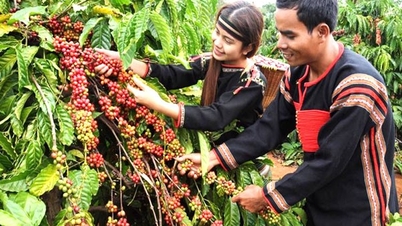
Specifically, Lam Dong focuses on restructuring agriculture in association with technology and markets. Lam Dong is known as the "vegetable and flower capital" of the country with nearly 60,000 hectares of high-tech production. However, the current requirements are not only limited to production scale, but also to build a closed value chain from seed - production - processing - distribution - brand. The province is promoting cooperation with large enterprises, encouraging farmers to participate in new-style cooperatives, applying digital transformation in traceability and e-commerce. The goal by 2025 is that the proportion of deeply processed agricultural products will reach over 30%, aiming to conquer demanding markets such as the EU, Japan, and the US.
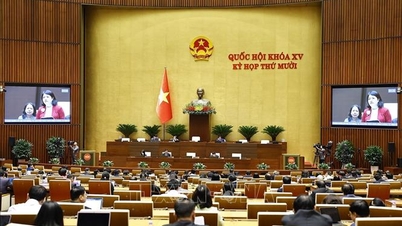
Resolution 31 of the National Assembly sets the goal of restructuring the economy towards modernity, efficiency, sustainability, associated with innovation of the growth model. This is the guideline for Lam Dong to concretize into an action program, suitable to local characteristics, linked with regional development planning and national strategy.
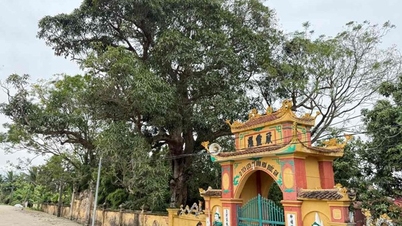
Along with that, with the potential and advantages of tourism, the locality restructures tourism in a sustainable direction, with the orientation of developing green tourism, high-end resort tourism, associated with agriculture and indigenous culture. At the same time, the province focuses on digital transformation in promotion, service booking and destination management, to improve the experience for tourists. This is a step for tourism to truly become a spearhead economic sector. Along with that, the province develops processing industry and renewable energy; calls for investment in clean, environmentally friendly industrial parks and industrial clusters, considering this an important driving force in the coming period.
Not only stopping at specific areas, Lam Dong determined that the implementation of Resolution 31 must be associated with institutional innovation and administrative reform. The province focuses on developing high-quality human resources, especially in high-tech agriculture, tourism and information technology. Universities and research institutes in Da Lat are encouraged to participate more strongly in the process of research, transfer and creative startups... These are the "bottlenecks" that need to be removed to create development momentum.
Economic restructuring must go into depth.
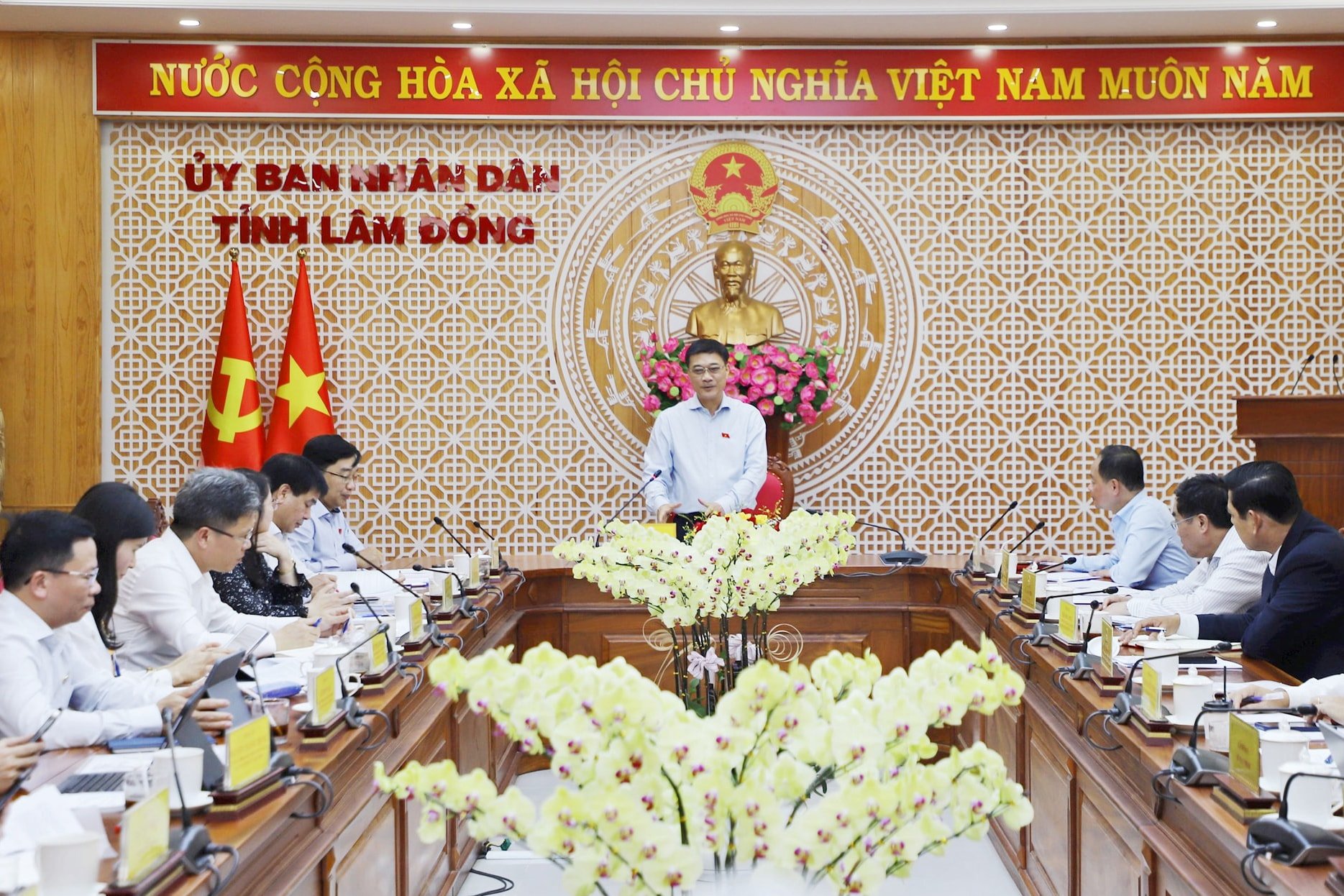
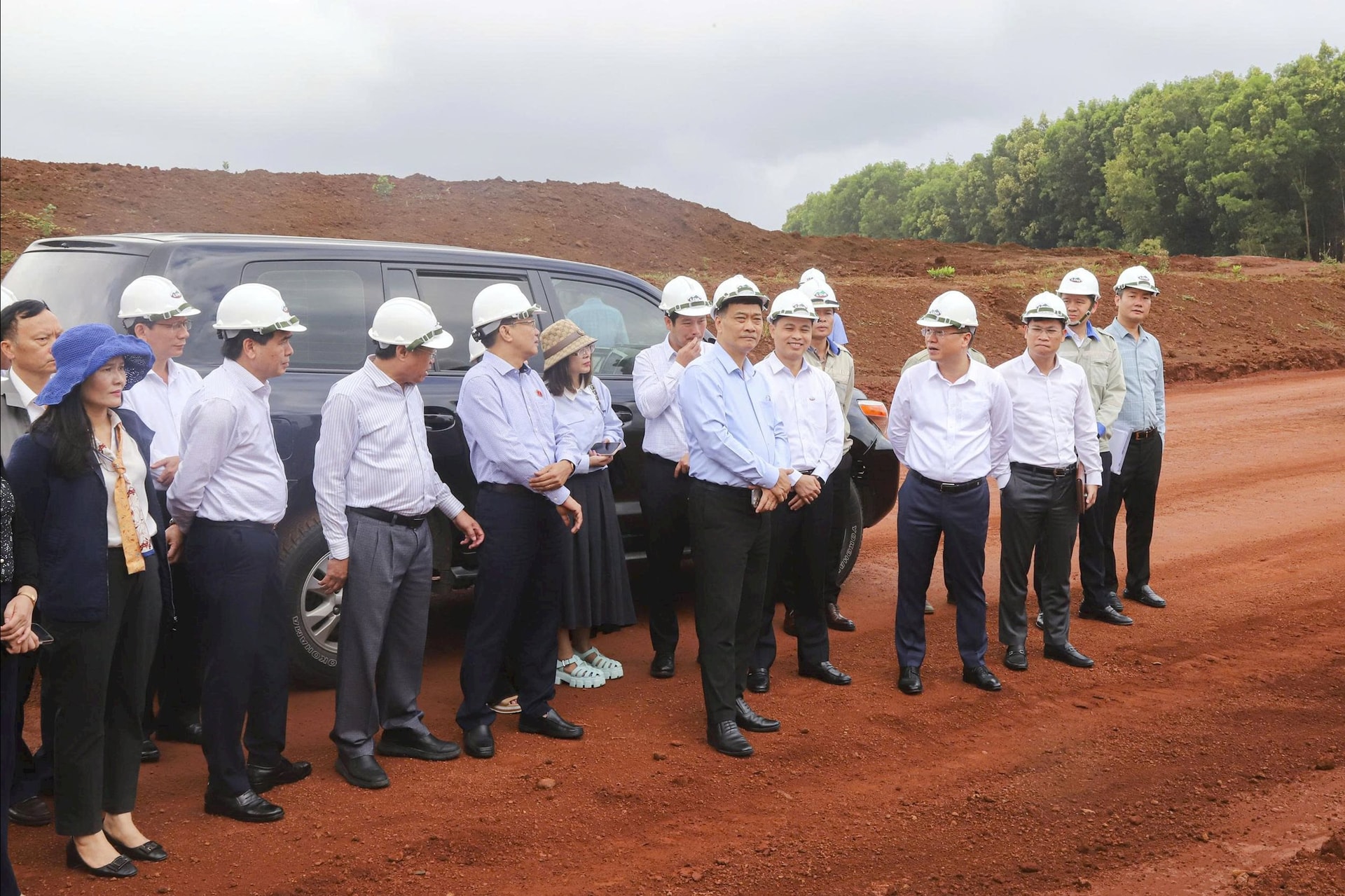
At a recent working session with the Provincial People's Committee, Vice Chairman of the National Assembly Vu Hong Thanh highly appreciated the province's efforts and aspirations for development, and emphasized: Lam Dong's socio-economic development goals for the 2026-2030 period are ambitious but well-founded, demonstrating high political determination in the context of many positive changes in the province. The Vice Chairman of the National Assembly noted that Lam Dong's economic restructuring must go into depth, linking agriculture with high technology, deep processing and brand building. Lam Dong's agricultural added value must be improved, shifting from raw production to processing, and enhancing competitiveness.
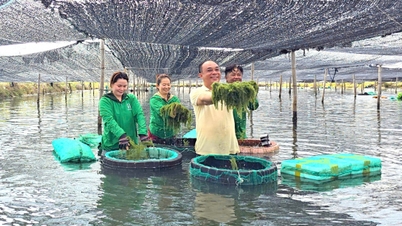
Lam Dong focuses on developing industries with competitive advantages such as high-tech agriculture, processing industry, renewable energy, bauxite - aluminum - aluminum; exploiting tourism potential with integrated products "Sea - Plateau - Flowers". The province needs to focus on administrative reform, supporting businesses, developing digital government and ensuring social security for ethnic minorities, remote and isolated areas. The locality focuses on building a new development vision for the province after the merger, with the orientation of becoming an inter-regional growth center. "Lam Dong must be located in the East - West strategic economic corridor axis, connecting the South Central Coast - Central Highlands - Cambodia; closely linked with the national strategy and regional development resolutions of the Central Government", Vice Chairman of the National Assembly Vu Hong Thanh noted.
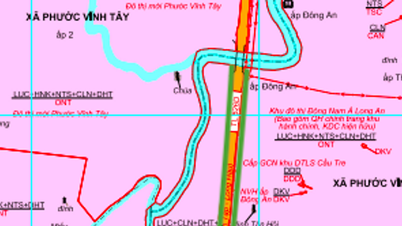
Lam Dong province has recently reviewed, integrated, and updated its provincial master plan (PDP) based on the scientific inheritance of the old Lam Dong PDP, the old Binh Thuan PDP, and the old Dak Nong PDP, ensuring consistency with regional, national, and sectoral PDPs. This is a premise to both effectively exploit the locality's comprehensive advantages and expand new development space and space, towards green, inclusive, and sustainable growth, with a multi-center growth model.
Source: https://baolamdong.vn/lam-dong-tai-co-cau-kinh-te-de-phat-trien-ben-vung-393359.html

























































Comment (0)