

When children experience frequent headaches, families can offer gentle massage or take them to a doctor for acupuncture, and teach them guided relaxation techniques through visualization.
Massage
Massage can be helpful when children experience daily headaches. This method, combined with a healthy diet and regular exercise, helps manage stress and avoid other headache triggers. Massage has few side effects; however, families should consult a doctor before applying it.
Acupuncture
Acupuncture can also be beneficial for children with headaches. This method uses thin needles to puncture the skin, releasing endorphins, the body's natural pain-relieving hormones. Acupuncture treatment typically takes place once or twice a week, lasting 4-6 weeks. Because of the needle punctures, possible complications include minor bleeding and bruising; infection is very rare.
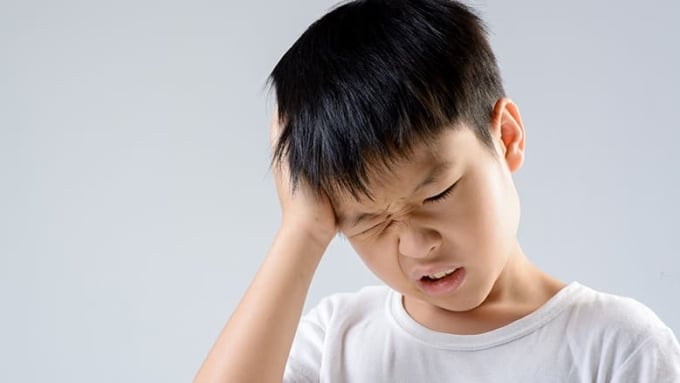
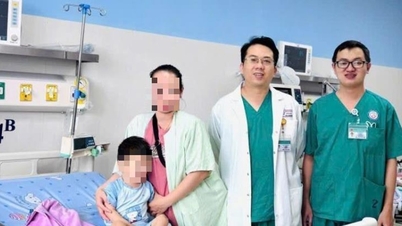
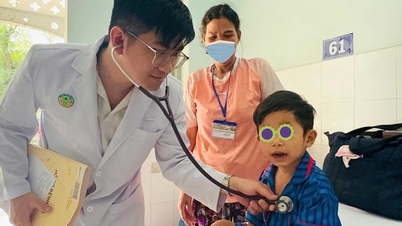
Headaches in children can be treated with massage or medical intervention. (Image: Children's Hospital of Philadelphia)
Biofeedback
Biofeedback is a non-drug treatment in which children learn to manage pain. It is also a widely used treatment for migraines. For example, a biofeedback device might indicate muscle tension in the neck that triggers headaches. By observing how these measurements change, children understand when their bodies are tense and learn to relax. Biofeedback is available at clinics and hospitals, is safe to use, and has no side effects.
Guided Imagination
Guided visualization, self-hypnosis, or relaxation techniques can be helpful in preventing headaches in children. Children are often very good at these techniques because they use their imagination to relax. Families should take their children to a qualified pediatrician for guidance on how to practice these techniques.
In addition to the measures mentioned above, families should ensure children receive adequate nutrition, increasing the intake of certain nutrients listed below to prevent or reduce headaches. All dietary supplements should be discussed with a pediatrician before implementation.
Vitamin B2 (riboflavin) : Riboflavin is a type of B vitamin that may reduce the frequency of headaches. Rare side effects may include diarrhea, increased urination, and discoloration of the urine.
Magnesium: Magnesium supplements may also help reduce the frequency of headaches. Teenagers with migraines may have lower magnesium levels than those without the condition. Magnesium supplements can cause diarrhea and interact with certain medications.
Coenzyme Q10 (CoQ10): This is an antioxidant found in every cell of the body. However, one-third of children with migraines are deficient in this substance. It can be found in the form of daily dietary supplements. Rare and mild side effects include nausea, vomiting, diarrhea, loss of appetite, and heartburn.
Chile (According to Healthy Children )
Source link
![[Photo] National Assembly Chairman Tran Thanh Man attends the policy seminar to promote Vietnam-Türkiye cooperation.](https://vphoto.vietnam.vn/thumb/1200x675/vietnam/resource/IMAGE/2026/04/16/1776351415367_vna-potal-chu-tich-quoc-hoi-tran-thanh-man-du-toa-dam-chinh-sach-thuc-day-hop-tac-viet-nam-tho-nhi-ky-8705791-jpg.webp)
















![[Image] Bridges and roads connecting the eastern part of Ho Chi Minh City](https://vphoto.vietnam.vn/thumb/1200x675/vietnam/resource/IMAGE/2026/04/16/1776328595108_ndo_br_bh-vt5-jpg.webp)




















![[Infographic] Details of the Hanoi-Quang Ninh High-Speed Railway Project](https://vphoto.vietnam.vn/thumb/402x226/vietnam/resource/IMAGE/2026/04/16/1776338188424_anh-man-hinh-2026-04-16-luc-18-16-10.png)

![[Photo] National Assembly Chairman Tran Thanh Man meets with the Speaker of the Georgian Parliament](https://vphoto.vietnam.vn/thumb/402x226/vietnam/resource/IMAGE/2026/04/16/1776338494029_anh-man-hinh-2026-04-16-luc-18-21-21.png)
















Comment (0)