

I experience severe joint pain when the weather turns cold, even though I dress warmly. How can I improve this condition? (Ngoc Huyen, 51 years old, Hanoi )
Reply:
Joint pain occurs year-round, but many people experience more pain in cold weather. Some theories suggest that low temperatures reduce blood circulation to the joints, causing muscles and tendons to contract, putting pressure on the joints and nerves, and increasing joint stiffness.
Cold weather can disrupt the production of type 2 collagen – a protein that helps rebuild healthy joint cartilage. The aging process of joint cartilage and osteoporosis contribute to increased pain levels. Inactivity, lying down, or sitting for too long during cold days can also worsen joint stiffness and pain.
You can try the following methods to improve this condition during the cold season.
Keep your body warm : Wear multiple layers of clothing when going outside, paying attention to protecting joints prone to pain flare-ups such as knees, hips, neck, shoulders, and fingers.
When indoors, keep yourself warm by wearing slippers, socks, a warm blanket, and taking a warm bath. Warm water can soothe joint pain as well as the surrounding muscles.

Socks help protect against the cold and keep the small joints in your feet warmer. Photo: Freepik
Stay active : Regular exercise strengthens muscles and bones, helping to protect and maintain flexibility. Inactivity leads to reduced range of motion and more joint pain. You can swim in a warm indoor pool, stretch with yoga, do pilates, walk briskly, or lift weights.
Heat therapy : When joint pain flares up, heat therapy can help relax muscles and soothe the pain. You can also use pain relievers or nonsteroidal anti-inflammatory drugs (NSAIDs) to reduce symptoms.
Maintaining a healthy weight : During cold winter days, people tend to eat more than usual. Even a weight gain of just 2 kg puts extra pressure on already aching joints.
You need to maintain a balanced diet with plenty of fruits, vegetables, and lean protein to control weight and improve joint health. Prioritize foods with natural anti-inflammatory properties such as avocados, nuts, berries, garlic, and fatty fish. Avoid unhealthy choices like processed foods, salty foods, and sweets, as these can cause inflammation.
Stay hydrated : During the winter months, many people mistakenly believe that not feeling hot and not sweating means they aren't dehydrated. Dry air can cause moisture loss through the skin and breath. Dehydration can increase sensitivity to pain, reduce joint fluid and lubrication, and lead to cramps. You should drink plenty of fluids each day, including water, fruit juices, broths, and soups.
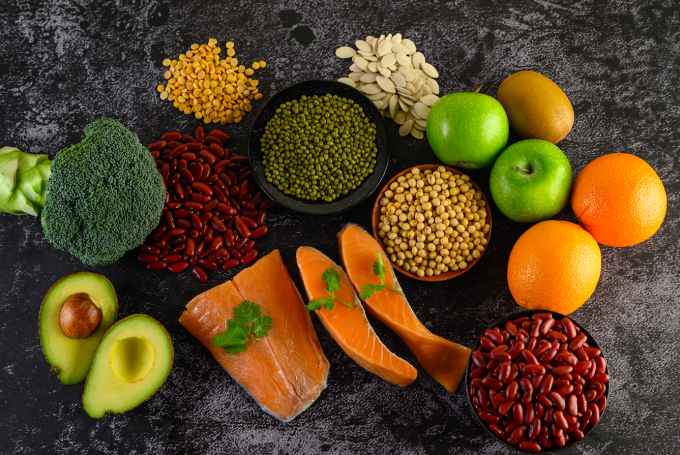
Foods that are good for joints help reduce aches and pains during the cold season. Photo: Freepik
People with arthritis, rheumatoid arthritis, lupus, osteoarthritis, or fibromyalgia are most affected by changes in weather. You can supplement with natural nutrients such as non-denatured type 2 collagen, hydrolyzed collagen peptide, chondroitin sulfate, turmeric extract, eggshell membrane, etc., to help regulate immunity, inhibit the production of inflammatory substances, and prevent inflammation from progressing.
These nutrients also help reduce pain, regenerate cartilage and subchondral bone, and maintain the structure and function of the joints.
If joint pain worsens and persists during the cold season, you should seek treatment from a doctor at a hospital with a musculoskeletal specialist.
Doctor Hoang Quyet Tien
Medical Information Center, Tam Anh General Hospital, Ho Chi Minh City
| Readers with questions about bone and joint diseases can submit their questions here for the doctor to answer. |
Source link




![[Photo] Ba Lang An Lighthouse - the "eye of the sea" amidst the "rock museum" of Quang Ngai province.](https://vphoto.vietnam.vn/thumb/1200x675/vietnam/resource/IMAGE/2026/05/29/1780038698840_anh-man-hinh-2026-05-29-luc-14-10-42.png)

























![[Image] Pleasant weather helps students enter the 10th grade entrance exam with confidence.](https://vphoto.vietnam.vn/thumb/1200x675/vietnam/resource/IMAGE/2026/05/29/1780034401612_ngay-1-thi-lop-10-minh-duy-8-5009-jpg.webp)

































































Comment (0)