

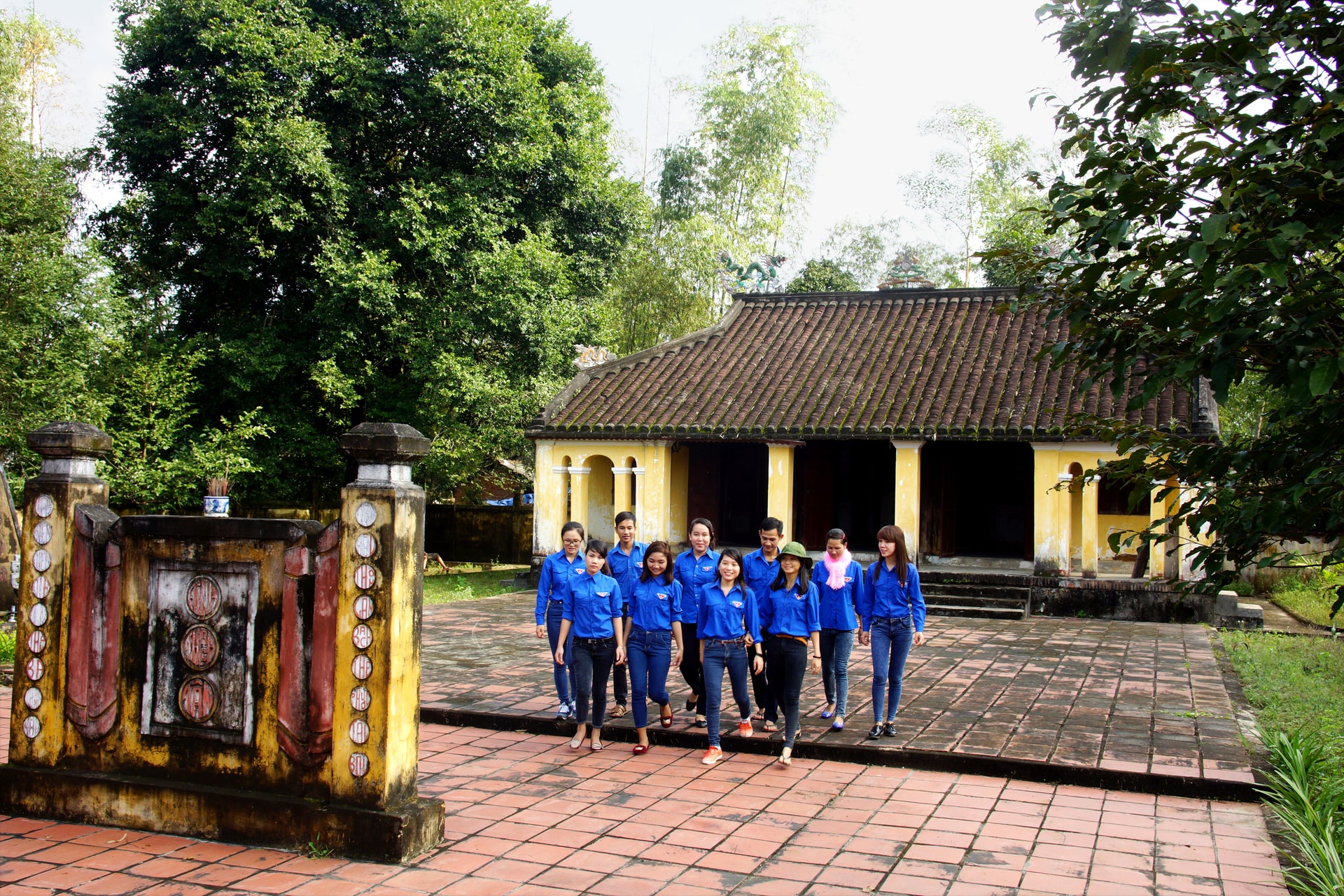
Village communal house and rural landscape
In the spatial structure of Vietnamese villages, the communal house (đình) is usually located in auspicious positions with significant feng shui and scenic value. The folk verse, "My eyes are strained because of the direction of the communal house. The whole village is strained, but I'm not the only one," is an exaggeration about the importance of feng shui in choosing land for building a communal house.
In Northern Vietnam, most village communal houses are located in the center of the village, with important landscape features such as banyan trees, wells, and village ponds. In Central Vietnam, communal houses are often located near rivers, roads, or at the edge of the village. This difference reflects the geographical conditions and settlement patterns in Central Vietnam, where villages are often distributed along rivers or important transportation routes.
Architecturally, the communal house (đình) is composed of several elements: In front is the ceremonial gate or entrance, marking the boundary between the outside space and the sacred space of the communal house. Next is the courtyard – the largest and most important public space of the village, where festivals and community activities take place. The main structure of the communal house is usually the main hall or front hall – where rituals are performed to worship deities and those who have contributed to the community – and also where village meetings are held.
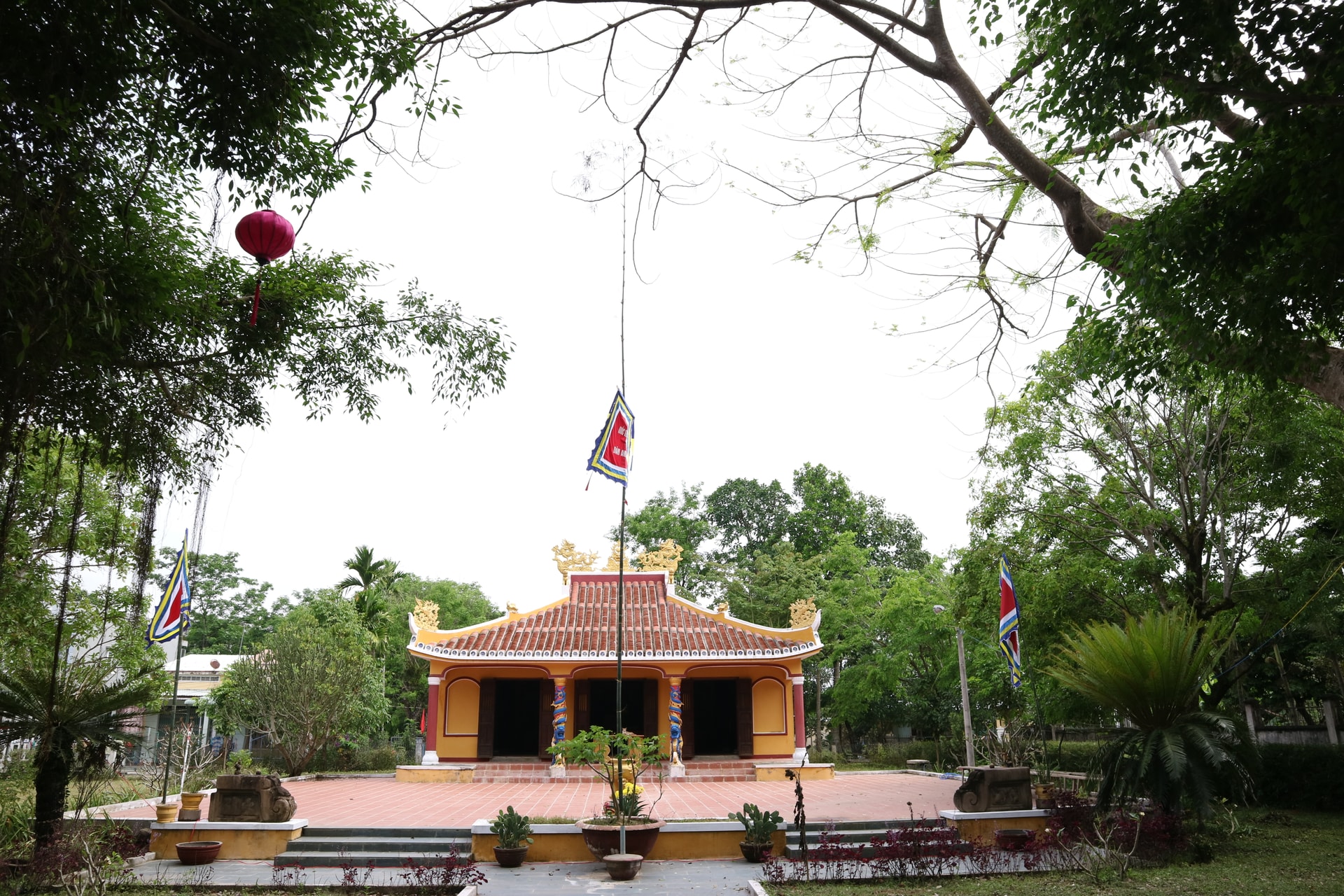
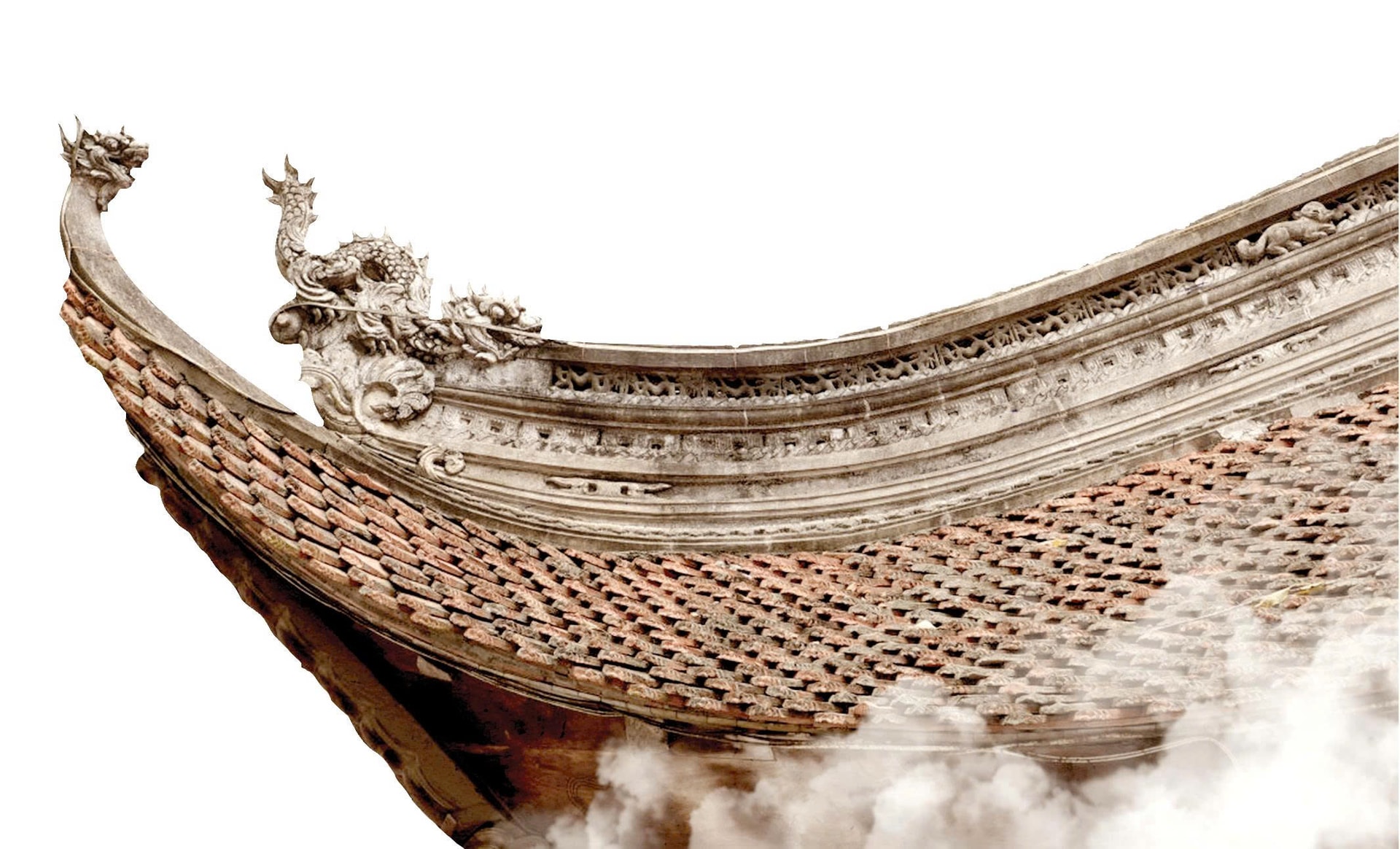
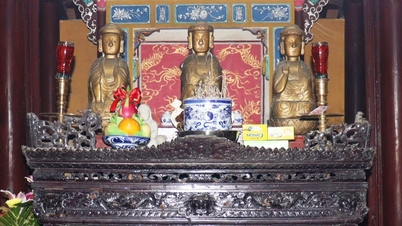
Behind the main hall is the sanctuary – where the altar to the village guardian deity is located. Many communal halls also have auxiliary structures such as side halls, storage rooms, or guesthouses. Village communal halls are usually built of wood, with tiled roofs, and a system of wooden columns and beams, carved with decorative motifs: the four mythical creatures, the four seasons, scenes and daily life of the community, reflecting the aesthetic level and craftsmanship of the village artisans.
Compared to village communal houses in the North, those in Central Vietnam are generally smaller in scale and simpler in layout. Many communal houses only have basic elements such as the courtyard, the main hall, and the sanctuary, with few auxiliary structures like the left and right wings. This simplification reflects the economic conditions and building materials available in Central Vietnam in the past.
Village communal houses in Central Vietnam typically use yin-yang tiled roofs and traditional wooden structures. However, the decorative system is usually more restrained compared to communal houses in Northern Vietnam. Some communal houses in Hue and Quang Nam provinces are still influenced by the Nguyen Dynasty's imperial architectural style, especially in spatial arrangement and decorative forms.
Multilayered cultural heritage
When the Vietnamese began their southward migration to expand their territory, they brought with them many things from their homeland: customs, beliefs, village organization... and even village communal houses. Beginning in the 14th century and flourishing in the 16th and 17th centuries, many communities from Northern Vietnam, North Central Vietnam, and Central Vietnam migrated to the new land.
When they established the village, they built a communal hall just like in their old hometown. The village officials often gathered at the hall to discuss village affairs. Matters such as repairing roads, building bridges, dividing communal land, and organizing festivals were all discussed at the hall.
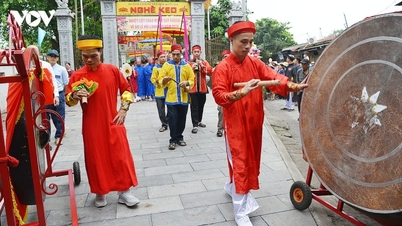
During festivals, the entire village gathers at the communal house. At these times, the communal house hosts performances of traditional opera, folk dances, and games. Old and young, children and adults alike, participate. These are rare occasions throughout the year when the whole village comes together.
The communal houses in the lands of migrants in Central and Southern Vietnam have existed for hundreds of years, witnessing countless historical changes. They are not only ancient architectural structures, but also multi-layered cultural heritage.
First and foremost, village communal houses are a legacy of the autonomous administration in the history of rural Vietnam and the southward migration of the Vietnamese people. Documents, royal decrees, village regulations, etc., preserved in these communal houses, serve as evidence of how society functioned in rural areas during the "land reclamation and expansion" period. The rituals, festivals, and customs observed at these communal houses reflect the spiritual life of the community through many generations of migrants to the South.
Secondly, the village communal house is an architectural and artistic heritage. The architectural layout and structure, the carvings, the wooden frame, the tiled roof, and the spatial arrangement of the communal house are legacies that demonstrate the technical skill and aesthetic sense of generations of folk artisans from their ancestral homeland in the North and subsequent generations who grew up in this new land.
For Quang Nam province, the village communal house holds an even deeper significance. During the process of settling new lands, the communal house served as a unifying point for communities from different regions. Here, they established common rules, worshipped the village guardian deity, and honored their ancestors who had contributed to the village and the nation.
It is from here that the identity of the village and its community is formed, preserved, and passed down. The village communal house is not only a relic of the past but also a symbol of the unity and pioneering spirit of the people of Quang Nam province.
***
Preserving village communal houses means both safeguarding an ancient architectural structure and preserving the memory and identity of the community. It is also a way for the traditional values of Vietnamese villages, including those in Quang Nam province, to continue to be preserved and passed on to future generations.
Source: https://baodanang.vn/mai-dinh-xu-quang-3330911.html


































































Comment (0)