

Limiting red meat, drinking alcohol in moderation, and reducing stress can help keep cholesterol levels safe during the holidays.
Eating unhealthy foods, coupled with a sedentary lifestyle and stress during the holidays, can negatively impact cholesterol levels. Here are some tips for managing cholesterol during this time.
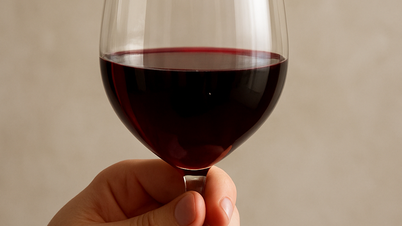
Drink alcohol in moderation.
Alcoholic beverages contain high levels of energy and harmful metabolites, increasing the risk of various diseases such as hypertension, fatty liver disease, obesity, and kidney failure. Alcohol also raises triglycerides and bad cholesterol (LDL), thereby accelerating the process of atherosclerosis, leading to myocardial ischemia and myocardial infarction.
People with high cholesterol should avoid alcohol or drink in moderation. Men should not drink more than two glasses, and women a maximum of one glass of alcohol per day. Recommended levels for other beverages are approximately 340 ml of beer, 142 ml of wine, or 43 ml of distilled spirits around 80% alcohol. A doctor can advise patients on how to safely manage their health during the holidays.
Eat more fiber.
Fiber comes in two types: soluble and insoluble. Both are good for cardiovascular health, but soluble fiber helps lower LDL levels. This type of fiber is commonly found in oats, fruits (apples, pears), black beans, lentils, sweet potatoes, and Brussels sprouts.

Elderly people who eat fruits rich in soluble fiber may experience a reduction in bad cholesterol. (Image: Freepik)
Eat less meat.
People with high LDL levels should not get more than 6% of their total daily calories from saturated fat. Beef, veal, pork, lamb, and full-fat dairy products such as butter, cream, milk, and cheese often contain more saturated fat and cholesterol than plant-based foods. These can increase LDL cholesterol, contributing to an overall increase in blood lipids.
Reduce fat intake from meat; choose low-fat dairy; prioritize heart-healthy omega-3 fatty fish like salmon, sardines, and herring, which are healthy protein sources to replace red meat. Tofu, soybeans, and other legumes are rich in soluble fiber, which helps lower cholesterol levels.
Eat in moderation.
Foods high in fat and cholesterol are commonly found at feasts and holiday celebrations. They all contribute to increased blood cholesterol levels. Meanwhile, foods high in fiber are a healthier choice.
Avoid foods containing trans fats such as fried foods, cakes, donuts, muffins, crackers, fast food, and margarine, as they can increase bad cholesterol levels.
Take time to relieve stress.
Stress is a common cause of unhealthy eating habits, leading to the consumption of foods high in unhealthy fats. People with high cholesterol should take time to relax and reduce stress through activities such as meditation, yoga, and deep breathing.
Avoid smoking.
Smoking lowers levels of good cholesterol and is linked to high blood pressure, diabetes, and heart disease. Avoiding smoking contributes to maintaining better blood lipid levels and protecting artery walls.
Bao Bao (According to Eat This Not That )
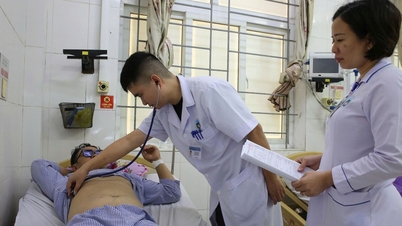
| Readers can post questions about cardiovascular diseases here for doctors to answer. |
Source link


![[Photo] Prime Minister Pham Minh Chinh attends the Conference on the Implementation of Tasks for 2026 of the Industry and Trade Sector](/_next/image?url=https%3A%2F%2Fvphoto.vietnam.vn%2Fthumb%2F1200x675%2Fvietnam%2Fresource%2FIMAGE%2F2025%2F12%2F19%2F1766159500458_ndo_br_shared31-jpg.webp&w=3840&q=75)






























































































Comment (0)