

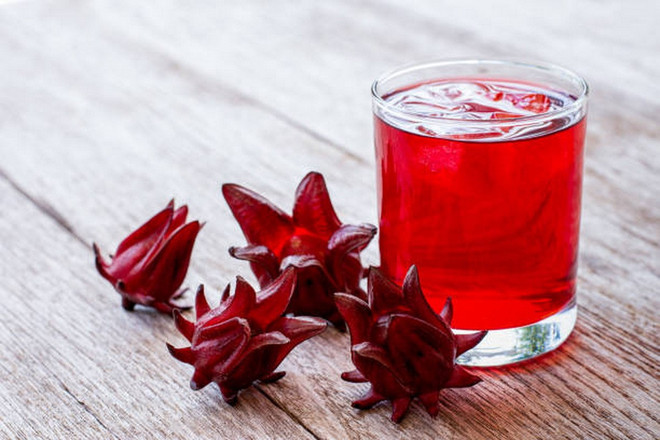
Hibiscus sabdariffa flowers have long been known as a medicinal herb offering numerous health benefits, such as supporting the digestive system, lowering blood pressure, and improving cardiovascular health.
However, few people know that this plant also has potential harmful effects that, if not used properly or if abused, can negatively impact health.
In this article, we will analyze some of the lesser-known harmful effects of hibiscus flowers to give consumers a more comprehensive understanding before using them.
High acidity
One of the issues to note when using hibiscus flowers is their high acidity. This plant contains a large amount of natural acid, and excessive consumption can negatively affect the stomach, especially for those with a history of stomach pain or ulcers.
Drinking too much hibiscus tea or products made from hibiscus flowers can increase stomach acid secretion, causing irritation or worsening existing painful symptoms. For this reason, people with digestive problems should limit or avoid its use.
Lower blood pressure
Besides affecting the digestive system, hibiscus flowers can also cause excessively low blood pressure if overused. Studies show that this herb has the ability to dilate blood vessels, thereby effectively lowering blood pressure.
However, for those who already have low blood pressure or are taking blood pressure medication, regular consumption of hibiscus flowers may lead to dizziness, fatigue, and in more severe cases, fainting. Therefore, caution should be exercised with the dosage to avoid unwanted consequences.
Causes hormonal imbalance
In addition, hibiscus flowers also pose a potential risk of causing hormonal imbalances in the body if consumed long-term.
According to some studies, phytosterol compounds found in the flower may affect hormone balance in both men and women. This could lead to menstrual cycle problems in women or lower testosterone levels in men.
While these long-term effects have not been studied extensively, they still serve as a significant warning for those who choose to consume hibiscus flowers daily.
Allergy
Additionally, some people may experience allergic reactions when using hibiscus flowers. While this is uncommon, symptoms such as itching, rashes, or difficulty breathing may occur in those with sensitive constitutions. Furthermore, in very rare cases, consumption of hibiscus flowers has been reported to cause anaphylaxis – a dangerous allergic reaction that can be life-threatening if not treated promptly.
Increased risk of miscarriage
For pregnant and breastfeeding women, the use of hibiscus flowers requires extreme caution. Some medical literature suggests that extracts from this plant may stimulate uterine contractions, increasing the risk of miscarriage if used in high doses.
However, there is currently a lack of specific studies on this group to definitively confirm the safety or harm of this plant. Therefore, it is best to consult a doctor before using any products derived from hibiscus flowers during this sensitive period.
Beyond the impact on individual health, the production and consumption of low-quality hibiscus flowers also poses another significant risk. Currently, some hibiscus products on the market do not meet food safety and hygiene standards, are contaminated with bacteria, or contain excessive levels of pesticide residue. Consumers need to wisely choose products with clear origins and that have undergone testing to avoid ingesting potentially harmful substances.
It can be seen that while hibiscus flowers offer many health benefits, they are not a "miracle food" as we sometimes mistakenly believe. Excessive or improper use can lead to serious consequences.
Source: https://www.vietnamplus.vn/nhung-tac-hai-tiem-an-it-nguoi-biet-cua-hoa-atiso-do-post1081457.vnp





























![[Video] The craft of making Dong Ho folk paintings has been inscribed by UNESCO on the List of Crafts in Need of Urgent Safeguarding.](https://vphoto.vietnam.vn/thumb/402x226/vietnam/resource/IMAGE/2025/12/10/1765350246533_tranh-dong-ho-734-jpg.webp)




























































Comment (0)