

During the rainy season or when the seasons change, the environmental temperature changes suddenly, low temperatures tend to activate the sympathetic nervous system to increase the secretion of catecholamine hormones, causing the peripheral blood vessels to contract, creating a lot of pressure on the heart, the heart has to work harder to pump blood throughout the body. Rapid heart rate and increased blood pressure are normal reactions when the body is exposed to cold air. However, in people with cardiovascular disease, if not controlled, it can cause angina, shortness of breath or worsen heart failure.
At the same time, when the heart's blood vessels constrict, blood flow to the heart decreases, leading to reduced oxygen supply, also increasing the risk of angina and other complications of cardiovascular disease.

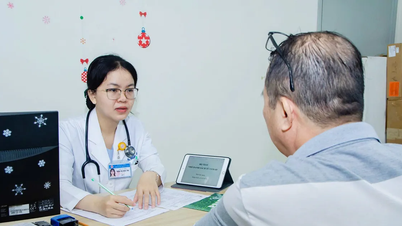
According to Master-Doctor-CK1 Tran Hoang Dang Khoa, Cardiology and Diabetes Clinic 315 To Hien Thanh branch - Member of the 315 Healthcare System's Professional Advisory Board, people with cardiovascular disease need to pay attention when the weather is negative, the body is susceptible to viruses, which can promote cardiovascular symptoms or complications. Doctor Tran Hoang Dang Khoa noted the cases where the patient needs to be taken to the hospital:
+ Angina : The patient has severe chest pain, a feeling of being squeezed in the chest, the pain is often behind the sternum, spreading to the left shoulder, the inside of the left arm or spreading to the back... This is a suspected sign of myocardial infarction. It is necessary to call for help, and at the same time call an ambulance for treatment and take to the hospital.
+ Cardiopulmonary arrest: The patient suddenly faints, loses reaction to surroundings, does not respond to calls, stops breathing, turns cyanotic, sometimes has convulsions or limpness, and may experience incontinence. At this time, it is necessary to call for assistance and emergency services immediately.
+ Signs of stroke: sudden numbness or weakness in one side of the body (one arm or leg), fainting or coma, loss or disorder of speech (slurred speech), visual disturbances, sudden loss of balance and coordination of movements, severe headache, vomiting of unknown cause... need to be taken immediately to the nearest hospital or emergency room.
+ Difficulty breathing: The patient suddenly has severe difficulty breathing, sweating, and needs to call an ambulance immediately. At the same time, the patient should lie with their head elevated and receive oxygen if available.
+ Sudden pain in the legs or arms: The patient has sudden pain in the legs or arms; the leg or arm is painful, cold, and paler than the opposite side. This may be a sign of acute arterial occlusion in the leg or arm. When this symptom occurs, the patient should be taken to the emergency room immediately for intervention and surgery to remove the blood clot in the blood vessels in the leg or arm.
Other cases such as dizziness, nervousness, rapid heartbeat, chest pain or difficulty breathing not as described above, signs of infection (such as fever, cough, diarrhea, etc.) also need a general examination, treatment, and monitoring by specialists.
For people with cardiovascular disease, what health care should be paid attention to?
Master-Doctor-CK1 Tran Hoang Dang Khoa, Cardiology and Diabetes Clinic 315 To Hien Thanh branch, advises patients with cardiovascular diseases to listen to their bodies and not ignore any signs. Pay special attention to seriously implementing the following:
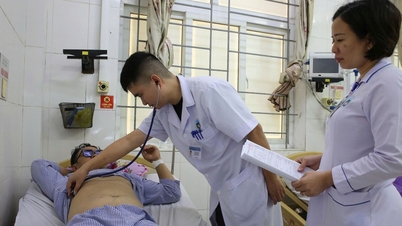
- Regular health check-ups every 6-12 months to screen for associated diseases as well as complications for early intervention and treatment. Then, depending on the case, you should have a follow-up visit according to the appointment schedule of a cardiologist.
- Diet: Reduce salt, limit fatty foods and alcohol.
- Weight control, especially in overweight and obese people.
- Maintain regular physical exercise at an intensity appropriate to each individual under the advice of a medical specialist.
- Adhere to treatment well, have regular check-ups, and all cases of stopping/pausing/reducing medication must have permission and be monitored by a specialist.
- Quit smoking, avoid stressful lifestyle, avoid staying up late.
- Flu and pneumococcal vaccination.
How does environmental temperature affect blood pressure and cardiovascular system?
Patients with cardiovascular disease need to pay attention to complying with treatment to keep the disease under control. Antihypertensive drugs need to be taken continuously, for life and monitored by medical staff. Patients with coronary artery disease should be monitored periodically, especially when the seasons change and the weather changes.
If possible, you should regularly monitor your heart rate and blood pressure at home to provide information to your doctor during your follow-up visit. If the weather is unpredictable, you should schedule your follow-up visit 1-2 days earlier than scheduled to avoid unforeseen events that may delay your appointment.
315 Cardiovascular - Diabetes Healthcare System provides full health care services for the elderly, from examination, diagnosis, treatment to consultation and periodic health monitoring.

315 Health System:
Hotline: 0901.315.315
- Ivy Health International Clinic https://www.ivyhealthvn.com/
- 315 Obstetrics and Gynecology System https://www.phusan315.com/
- 315 Children's Health System https://www.nhidong315.com/
- 315 Pediatric Immunization System https://www.tiemchungnhi315.com/
- 315 Eye Health System https://www.mat315.com/
- Cardiovascular - Diabetes Healthcare System 315 https://www.timmachtieuduong315.com/
- Psychiatry - Pediatric Psychology 315 https://www.tamlynhi315.com/
Source: https://www.sggp.org.vn/thoi-tiet-that-thuong-anh-huong-den-tim-mach-nhu-the-nao-post827017.html

![[Photo] 60th Anniversary of the Founding of the Vietnam Association of Photographic Artists](/_next/image?url=https%3A%2F%2Fvphoto.vietnam.vn%2Fthumb%2F1200x675%2Fvietnam%2Fresource%2FIMAGE%2F2025%2F12%2F05%2F1764935864512_a1-bnd-0841-9740-jpg.webp&w=3840&q=75)


![[Photo] National Assembly Chairman Tran Thanh Man attends the VinFuture 2025 Award Ceremony](/_next/image?url=https%3A%2F%2Fvphoto.vietnam.vn%2Fthumb%2F1200x675%2Fvietnam%2Fresource%2FIMAGE%2F2025%2F12%2F05%2F1764951162416_2628509768338816493-6995-jpg.webp&w=3840&q=75)















































































Comment (0)