According to Windows Latest , Microsoft updated its original equipment manufacturer (OEM) support documentation on February 13th, adding Windows 11 24H2 and adjusting the list of supported processors. The new list now only includes newer CPU models, with 11th-generation Rocket Lake CPUs (released in 2021) and later being the oldest supported CPUs.
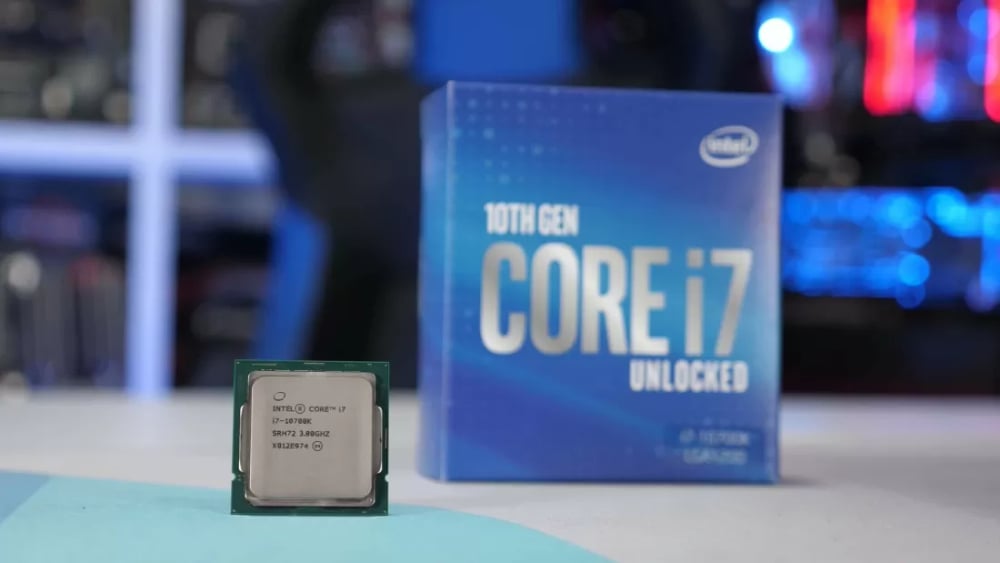
There's no way that Intel CPUs of the 8th, 9th, and 10th generations are completely left behind by Windows 11 24H2.



However, Microsoft asserts that the claim that Windows 11 24H2 has stopped supporting Intel CPUs prior to the 11th generation is inaccurate. According to the company, while Intel CPUs are no longer listed as supported, this only affects OEMs and not consumers.
PC users with Intel 8th, 9th, and 10th generation CPUs can rest assured.
Microsoft asserts that the processors listed simply meet the minimum security, reliability, and system requirements for Windows 11. The company also states that OEMs can use these CPUs in new Windows 11 devices, provided they use modern drivers that have passed Windows' hardware compatibility program.
At the same time, the relevant support documentation also clarifies that changes in the processor list do not affect Windows 11 24H2 support for customers. The list is only for OEMs in determining processors for new devices. Most new PCs from OEMs like Dell are equipped with the latest hardware, so these changes are not surprising. In fact, users of 8th, 9th, and 10th generation Intel CPUs still run Windows 11 24H2 perfectly without any problems.



However, it's worth remembering that while this change only applies to OEMs, Microsoft has faced considerable controversy regarding Windows 11's requirements for consumers. Earlier this month, the company updated its official support article, which no longer mentions any workarounds to bypass hardware checks and install the operating system on unsupported PCs.
Source: https://thanhnien.vn/microsoft-tran-an-nguoi-dung-cpu-intel-the-he-thu-8-9-va-10-185250218233401126.htm
![[Image] National conference summarizing one year of operation of the overall organizational model of the political system, the three-tiered government model.](https://vphoto.vietnam.vn/thumb/1200x675/vietnam/resource/IMAGE/2026/07/01/1782882811691_ndo_br_1-jpg.webp)