

Traffic jams and congestion are common during holidays. Do you know how to talk about these situations in English?
A road with a lot of vehicles is called "busy": Roads around universities are often busy.
When there are too many cars on the road, causing traffic congestion, a familiar English term is "traffic jam": It took me 2 hours to get home because there was a traffic jam on the main road.
The word "congestion" can be used instead of "jam": There is always traffic congestion in big cities before national holidays.
If something is blocking the road, it's usually difficult for vehicles to move: The accident was blocking the road. Nobody could move for half an hour.
If a long line of vehicles is blocking intersections such as crossroads or interchanges, causing traffic to come to a complete standstill in all directions, the English term is "gridlock".
Example: There was a gridlock in the city center after two buses crashed into each other at the crossroad.
Traffic jams typically occur during rush hour: Traffic during rush hour is often slow.
If you want to say you're stuck in traffic, the most common word is "stuck": Families planned to leave early to avoid getting stuck in traffic.
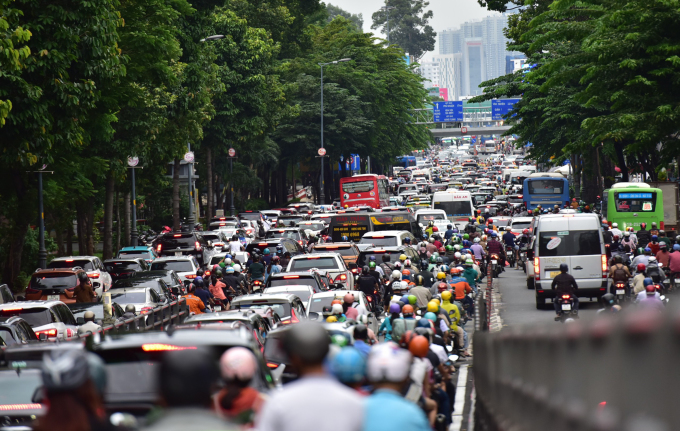
Hoang Van Thu Street, leading to Tan Son Nhat Airport in Ho Chi Minh City, experienced localized traffic congestion on August 31st. (Photo: Quynh Tran)
If a car wants to move to another lane to escape traffic congestion, it can be used as a "pull out": The driver saw a long line of cars in front of him and immediately tried to pull out.
Changing lanes is also called "switch lane," while "alternate route" refers to a different road: I took an alternate route because I knew there would be traffic congestion on major roads the day before Independence Day.
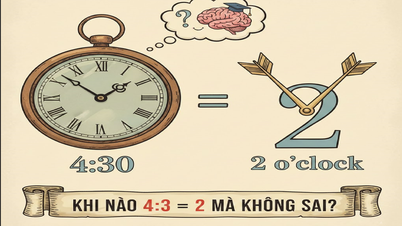
Choose the correct answer to complete the following sentences:
Khanh Linh
Source link

![[Image] Central Party Office summarizes work in 2025](/_next/image?url=https%3A%2F%2Fvphoto.vietnam.vn%2Fthumb%2F1200x675%2Fvietnam%2Fresource%2FIMAGE%2F2025%2F12%2F18%2F1766065572073_vptw-hoi-nghi-tong-ket-89-1204-jpg.webp&w=3840&q=75)





































































Comment (0)