

Over the years, healthcare for the people has been a top priority for the province. The province has invested significant resources in healthcare infrastructure, with many modern medical facilities now in operation to effectively serve the healthcare needs of the people. Currently, the province continues to implement several major healthcare projects, such as: expanding and upgrading the Vietnam-Sweden Uong Bi Hospital; constructing a 12-story outpatient clinic at the Provincial General Hospital; expanding the Quang Ninh Obstetrics and Pediatrics Hospital (Phase II); and expanding the Bai Chay Hospital…

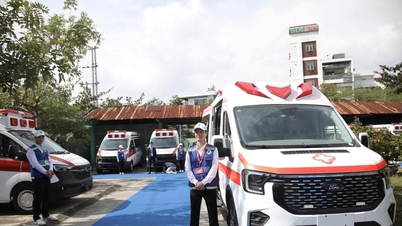
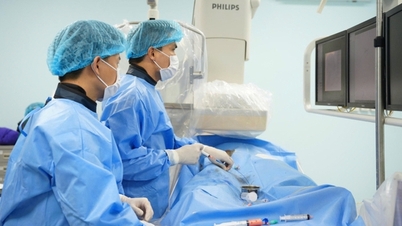
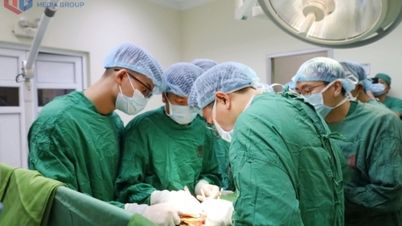
To date, the province has four specialized hospitals: the Provincial General Hospital, the Vietnam-Sweden Uong Bi Hospital, Bai Chay Hospital, and Quang Ninh Obstetrics and Pediatrics Hospital. These hospitals implement over 70% of the specialized medical procedures as stipulated by the Ministry of Health , belonging to the group of complex techniques requiring high professional expertise and modern equipment. In addition, the provincial health sector is also developing a plan for the development of specialized medical services at healthcare facilities in the province and plans to establish several large centers, such as: the Cardiovascular, Spinal Neurosurgery, Diagnostic Imaging and Interventional Radiology Center (Provincial General Hospital); the Oncology, Training and International Cooperation, Quality Management and Social Work, Trauma and Orthopedics, Urology - Andrology - Pelvic Floor Center (Bai Chay Hospital); and the Prenatal Diagnosis, Assisted Reproductive Technology and Genetics Center (Quang Ninh Obstetrics and Pediatrics Hospital). Hyperbaric Oxygen Center (Geriatric and Rehabilitation Hospital); Smart Emergency Operations Center in the province.
The province also focuses on training and improving the quality of its medical workforce, from sending personnel for advanced training to establishing mechanisms to encourage talented individuals to work in the province. To ensure a sufficient workforce for the complete implementation of the health station model, aiming to improve the quality of examination and treatment for the people at the grassroots level, the Department of Health has recently deployed doctors to reinforce commune-level health stations throughout the province. In 2026, the Department of Health and the Vietnam-Sweden Uong Bi Hospital will deploy 113 doctors to strengthen professional work at commune-level health stations. These doctors are assigned to the stations with the requirement of having good professional qualifications, sufficient ability to meet the technical needs of the receiving unit, and possessing ethical qualities and a sense of responsibility for the goal of caring for the people's health. In addition to performing medical examinations and treatment, the doctors will provide support, guidance, training, and transfer of techniques and professional procedures appropriate to the grassroots level. Participating in the development and standardization of health records and examination and treatment procedures at the health station, as well as other tasks at the grassroots level; participating in nationwide health check-up activities, targeted health programs, immunization campaigns, and disease prevention and control in the community…
This is a major initiative of the Quang Ninh Health Department aimed at addressing the shortage of high-quality human resources at the grassroots level, while simultaneously supporting on-the-job training and enhancing the capacity of health stations. From now until 2030, it is projected that the Quang Ninh Health Department will send an average of 50 doctors from hospitals to reinforce health stations each year. According to Dr. Nguyen Ba Viet, Director of the Provincial General Hospital, sending highly qualified doctors and experts to directly support grassroots health facilities will gradually narrow the gap in expertise between grassroots facilities and regional and provincial hospitals, contributing to improving the quality of healthcare for the people at the grassroots level…
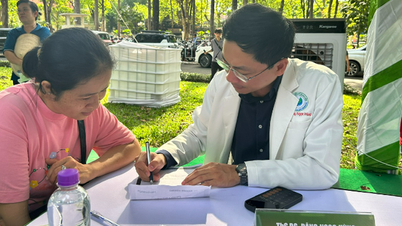
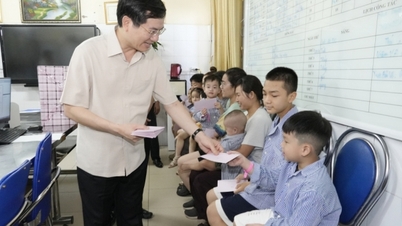
In fact, the Quang Ninh Health Department has long maintained a mobile medical examination and free medicine distribution program for the people, especially in remote, border, and island areas. Through this program, many people have had their illnesses detected early and received timely intervention. At the same time, it has helped raise awareness and fostered habits among the people in proactively taking care of their own and their families' health.
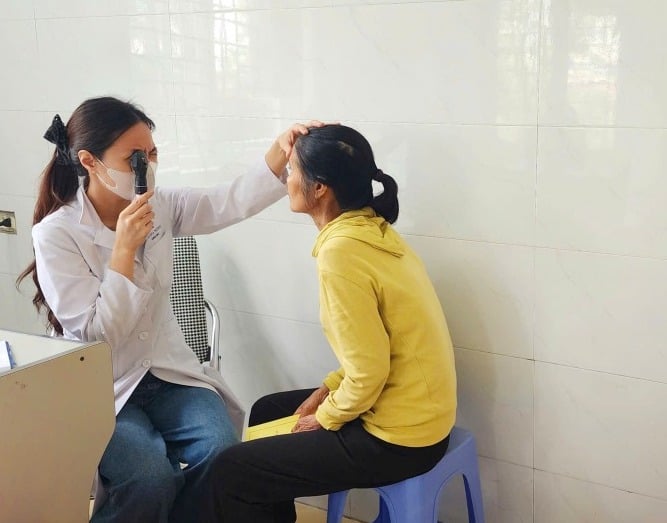
Immediately after Directive No. 17/CT-TTg was issued, The Quang Ninh Health Department is urgently developing a plan and advising the province on the target group, scope, and list of examinations to ensure they are appropriate to the practical situation. Simultaneously, mobile screening activities continue to be organized at commune and ward health stations, with professional support from regional and provincial general hospitals. Currently, three specialized hospitals – the Provincial General Hospital, Quang Ninh Obstetrics and Pediatrics Hospital, and Bai Chay Hospital – are coordinating with health stations to fully implement screening services for the people.
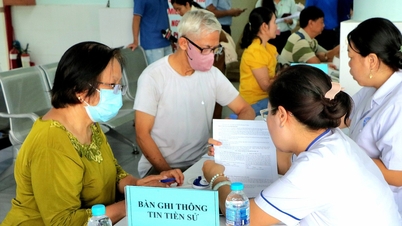
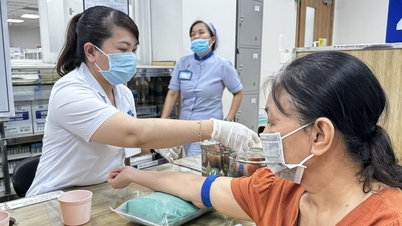
The health sector is also proactively coordinating between hospitals and 54 health stations to ensure effective examination and treatment, guaranteeing the highest level of professionalism and efficiency. Currently, health stations in communes, wards, and special zones are strengthening coordination with residential groups and neighborhoods to review local populations, with a focus on target groups such as the elderly, war veterans, children, and people with chronic diseases.
On May 22, 2026, the People's Committee of Quang Ninh province issued a plan for the implementation of free periodic health check-ups and screenings for residents in Quang Ninh province in 2026. Accordingly, the first phase, from May 25 to June 30, will involve simultaneous check-ups for all employees with social insurance. The second phase, from July 1 to November 15, will prioritize six target groups (the elderly; people with disabilities; people from poor and near-poor households; people with chronic diseases; people with meritorious service; and people living in ethnic minority and mountainous areas, island communes, and special economic zones). Following this, the focus will shift to the remaining target groups, aiming for each resident to receive at least one health check-up per year by the end of 2026.
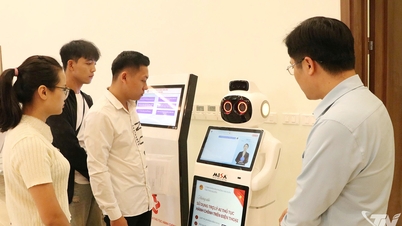
The Department of Health, in coordination with relevant units, will implement a system for managing periodic health check-up and screening data on an electronic health data platform. This includes ensuring that 100% of target groups under its management are listed, monitored, and receive periodic health check-ups or screenings at least once a year; 100% of communes implement periodic health check-ups or screenings for their residents; striving for 100% of residents' electronic health records to be fully updated, correctly formatted, and connected to the health care management information system of local health facilities; 100% of health check-up results to be linked with the health check-up database, the information system for managing medical examination and treatment activities, and the national health database; and ensuring the consistent creation of electronic health records integrated into the VNeID application…
Ms. Pham Thi Dung (Zone 6, Ha Long Ward) happily stated: "Due to my age and underlying health conditions, I haven't been diligently following the regular health check-up schedule. I'm delighted that the central and provincial governments have implemented a policy to organize health screenings for residents at least once a year. Regular health check-ups and monitoring will help detect diseases, preventing situations where illnesses go undetected and untreated in a timely manner..."
With thorough preparation in terms of systems, human resources, and data, Quang Ninh is confident in effectively implementing a health screening program for all citizens at least once a year. This is a strategic step contributing to improving the quality of the population, developing human resources, and ensuring social security, aiming towards the goal of building a rapidly and sustainably developing province. The initiative has received enthusiastic support from the people of the province.
Source: https://baoquangninh.vn/moi-nguoi-dan-se-duoc-cham-care-suc-khoe-it-nhat-1-lan-nam-3408506.html

![[Image] Hanoi's urban life under the challenge of a "scorching hot" environment](https://vphoto.vietnam.vn/thumb/1200x675/vietnam/resource/IMAGE/2026/05/25/1779706979265_nang-nong-t5-2026-minh-duy-7-4636-jpg.webp)


























































































Comment (0)