


Ms. Tran Phuong Uyen, Deputy Director of Long Dinh Joint Stock Company ( Lam Dong ), shared: "Everyone thinks tea should only be used as a beverage or prepared in elaborate ways like tea ceremony rituals, so bringing tea to consumers is very difficult, especially high-end teas like Oolong tea. Not to mention, many people worry that drinking tea will cause insomnia or stomach upset… Therefore, we want to bring tea to everyone in many different forms, diversify our products, make it easily accessible to all customer segments, and help people see the wonderful values that tea brings."
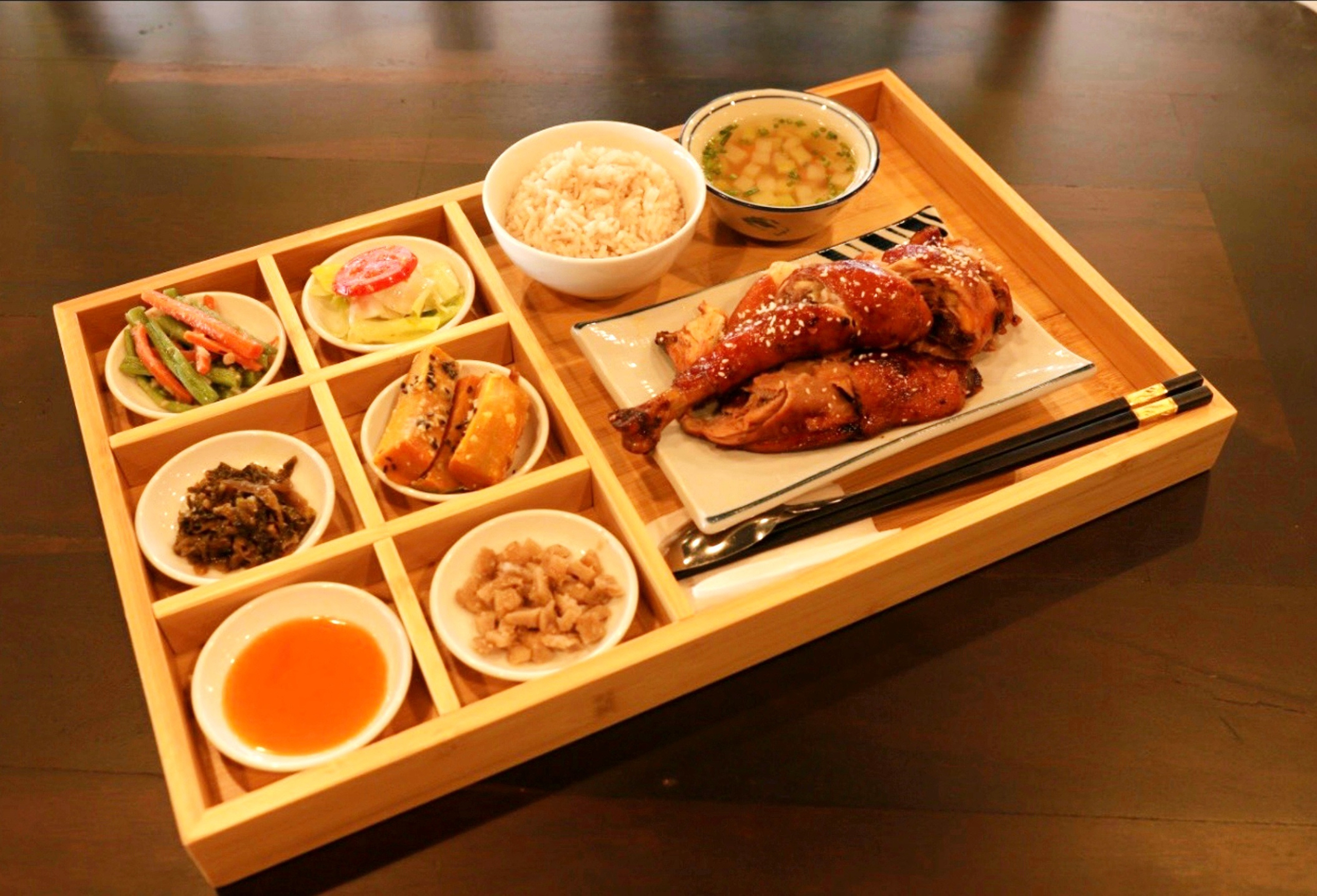
Rice with tea and roasted chicken with black tea
"That's why incorporating tea into cuisine is a unique and distinctive feature of Long Dinh JSC, helping people appreciate the difference and sophistication in everyday dishes," Ms. Uyen revealed.
According to Ms. Uyen, since last year, after the opening of the Long Dinh Tea Culture Space (Tram Hanh commune, Da Lat city, Lam Dong province), she began to explore and research "tea cuisine." It sounds simple, but in reality, she failed many times before finally succeeding and developing a proper recipe and processing method.
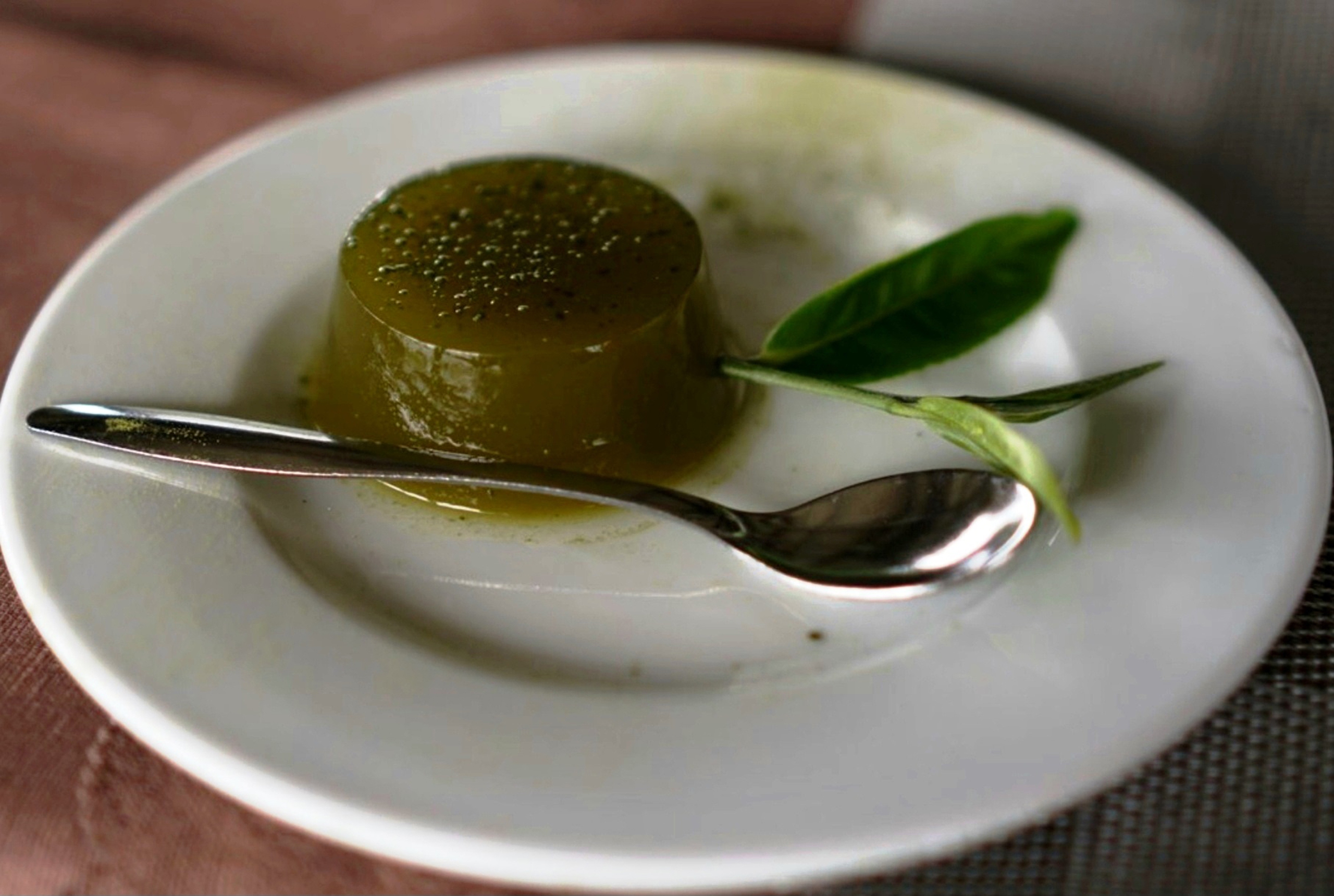
Jelly tea
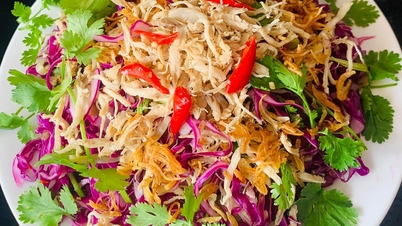
Several familiar tea-based dishes have been created, such as: tea rice, tea noodles, tea-cooked eggs, tea tempura, tea jelly, tea-braised meat, matcha sticky rice, tea-sauce potatoes, matcha-sauce fried fish, etc. To prepare these dishes, in addition to other accompanying ingredients, the tea leaves used must be carefully selected and harvested when the dew has dried. After absorbing the essence of the earth and sky overnight, the tea leaves are exposed to sunlight in the morning, causing the water to evaporate while retaining nutrients for the plant and the tea buds. Furthermore, they must be harvested according to the standard of one bud containing 2-3 young leaves to obtain the aroma and flavor of each bud.
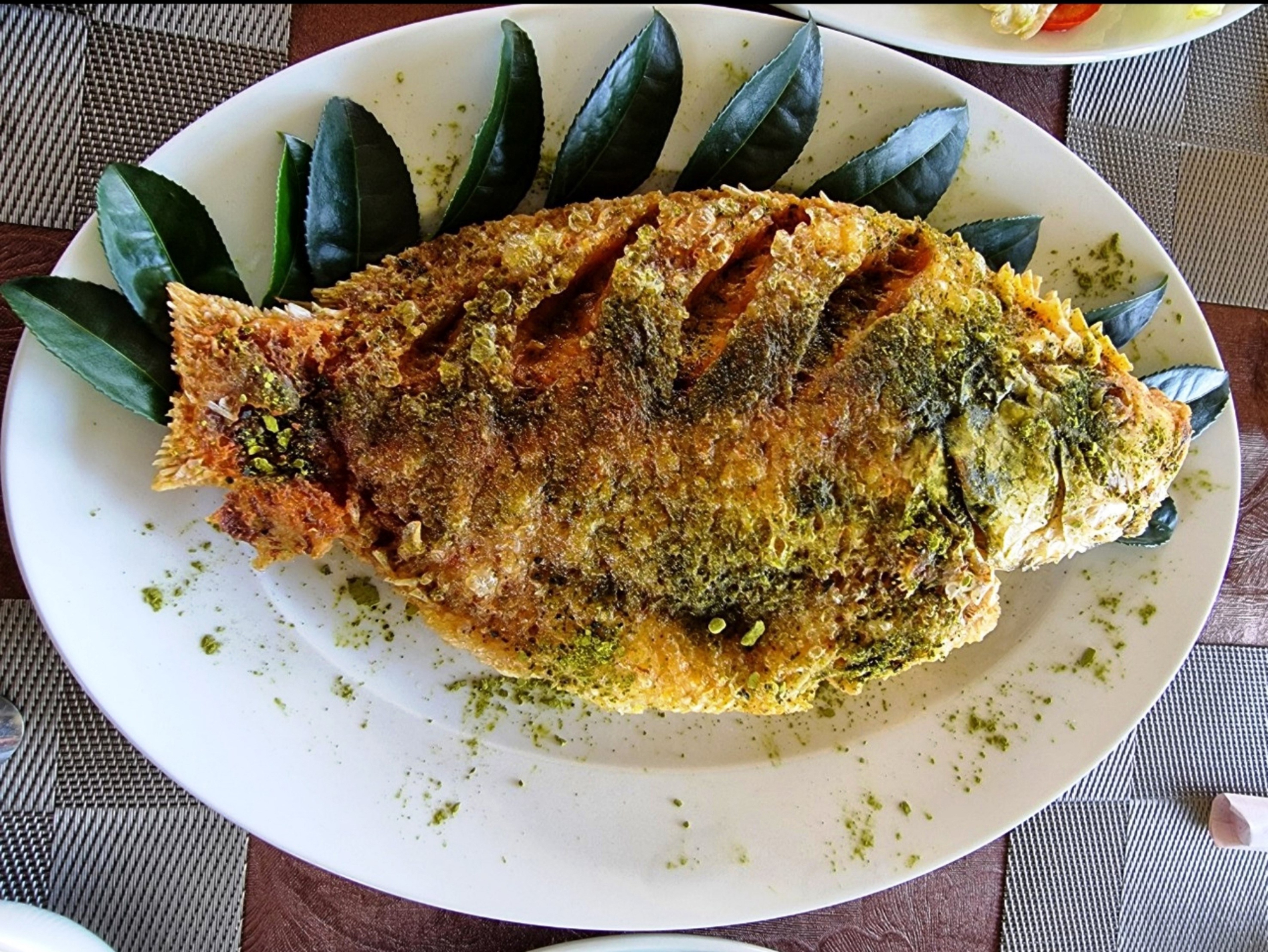
Fried fish with matcha tea sauce
For tea-cooked rice, instead of using cold water, we use tea water to cook the rice. Using black tea gives the rice a fragrant aroma of ripe fruit from the fermented black tea; using green tea powder results in beautifully green, soft, and fragrant cooked rice, with a distinct tea flavor.
Meanwhile, for tea-cooked eggs, choose eggs of similar size and that are freshly laid. When boiling, use the correct ratio of tea and other ingredients (herbs, mushrooms, star anise, cinnamon, salt, etc.) to ensure a balanced flavor, avoiding too much tea or too many other ingredients. Careful control of the heat and cooking time is crucial to allow the eggs to absorb the flavors, and high heat should be avoided to prevent the eggs from cracking. Boiling takes 8-13 hours to allow the eggs to fully absorb the tea, herbs, and salt. Once cooked, the eggs have a delicate aroma and a balanced flavor, leaving a lasting impression.
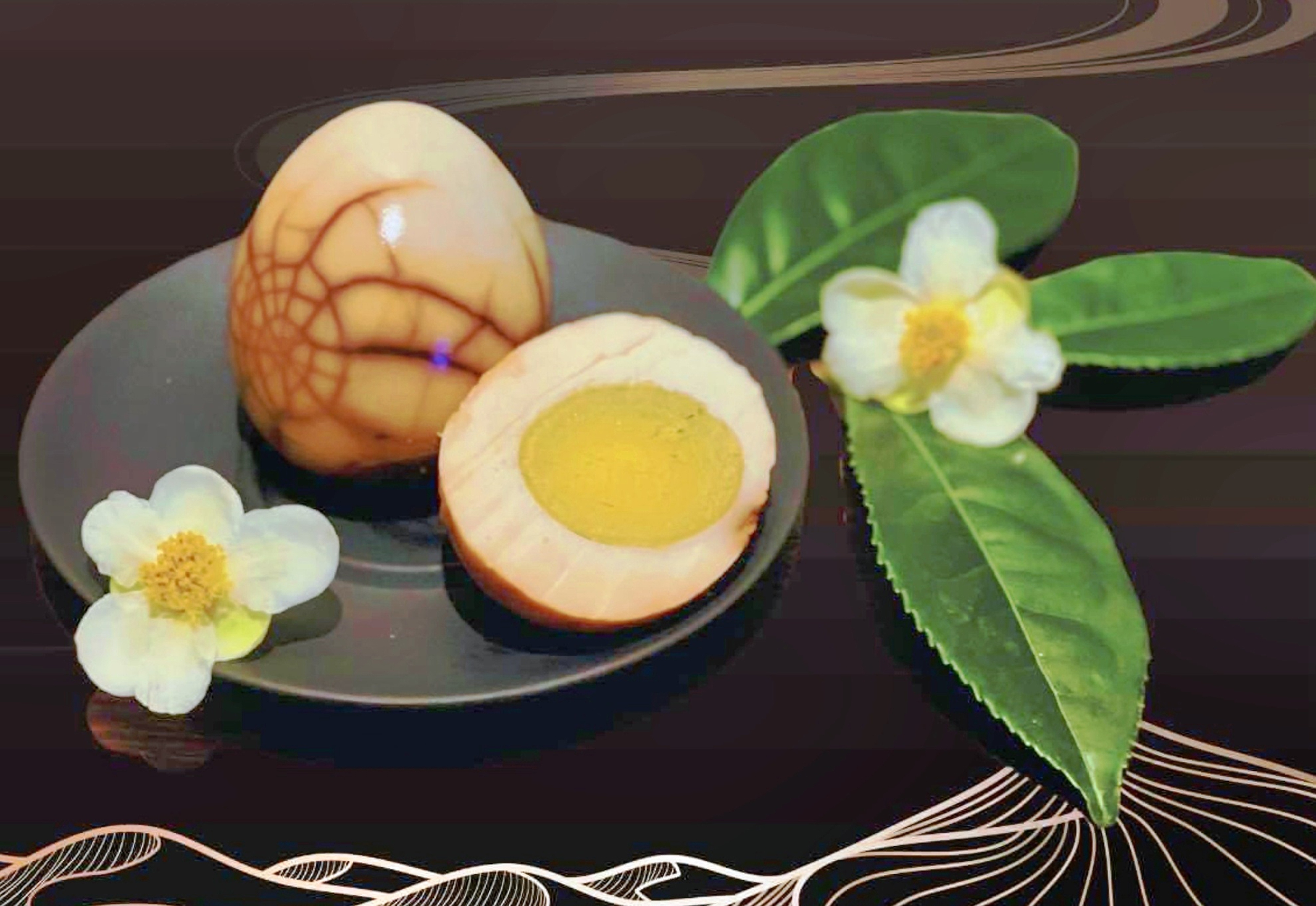
Tea-cooked eggs
For dishes like braised fish or meat, adding tea helps reduce the fishy smell and creates a glossy, appealing color. For tea-marinated apricots, apricots simmered with sugar and tea create a jam with a sweet, sour, and slightly astringent tea flavor. And for tea jelly, using agar powder with tea (made from matcha powder) and sugar results in a delicious, refreshing dessert that's hard to resist.
Ms. Uyen shared that these dishes are all used in daily meals at the Long Dinh Tea Culture Space. For this year's Lunar New Year, in addition to the aforementioned dishes, she has created many other dishes also made with tea, especially green tea sticky rice cake (banh tet) to serve visitors.
Source link












































































Comment (0)