


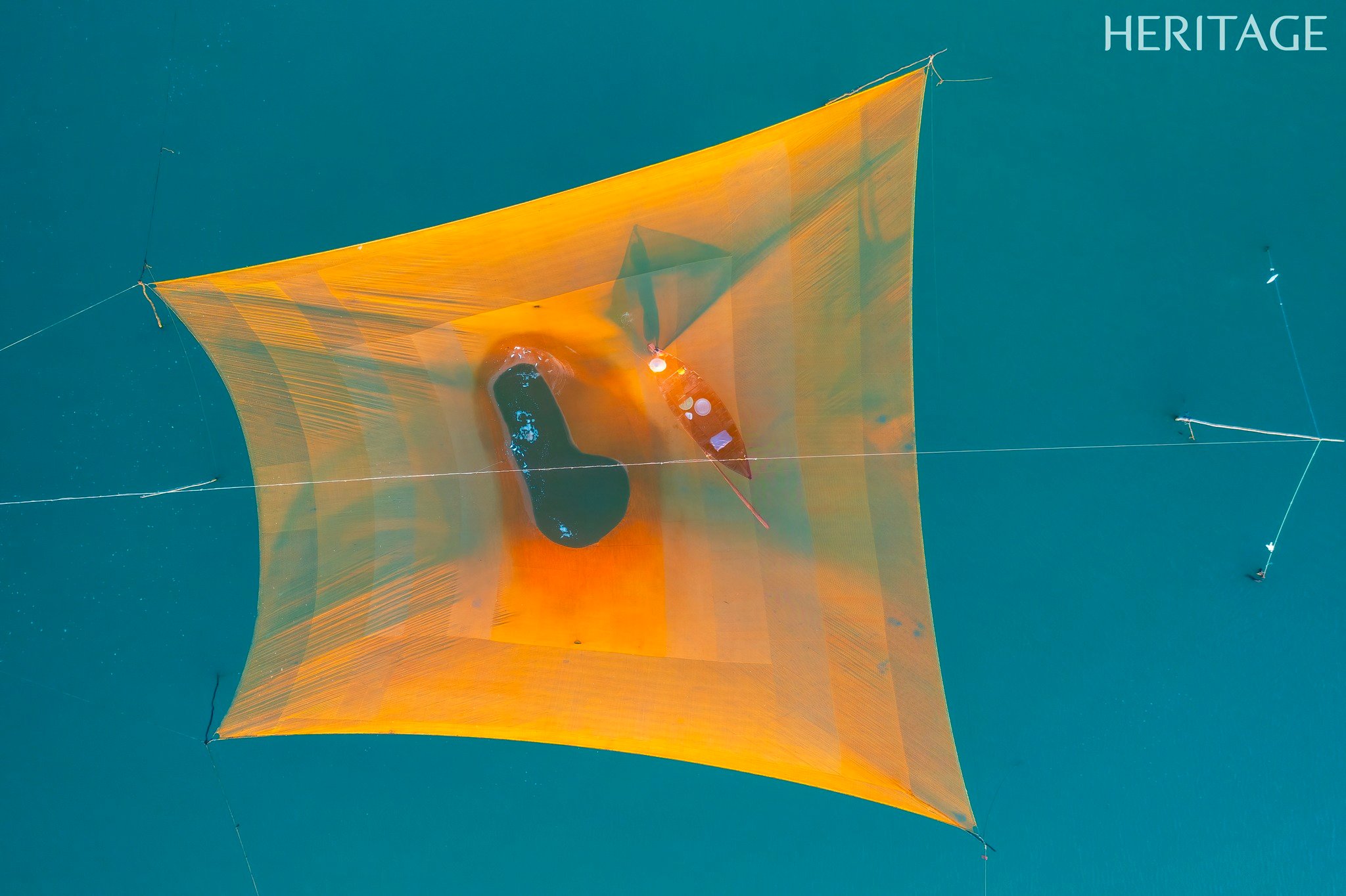
The fishing villages in the Cua Dai area are not large, but they are an integral part of the region's soul, with their old corrugated iron roofs nestled among coconut trees, small boats moored along the riverbank, and, notably, numerous fishing nets scattered from the lower reaches of the Thu Bon River to Cua Dai Bay.
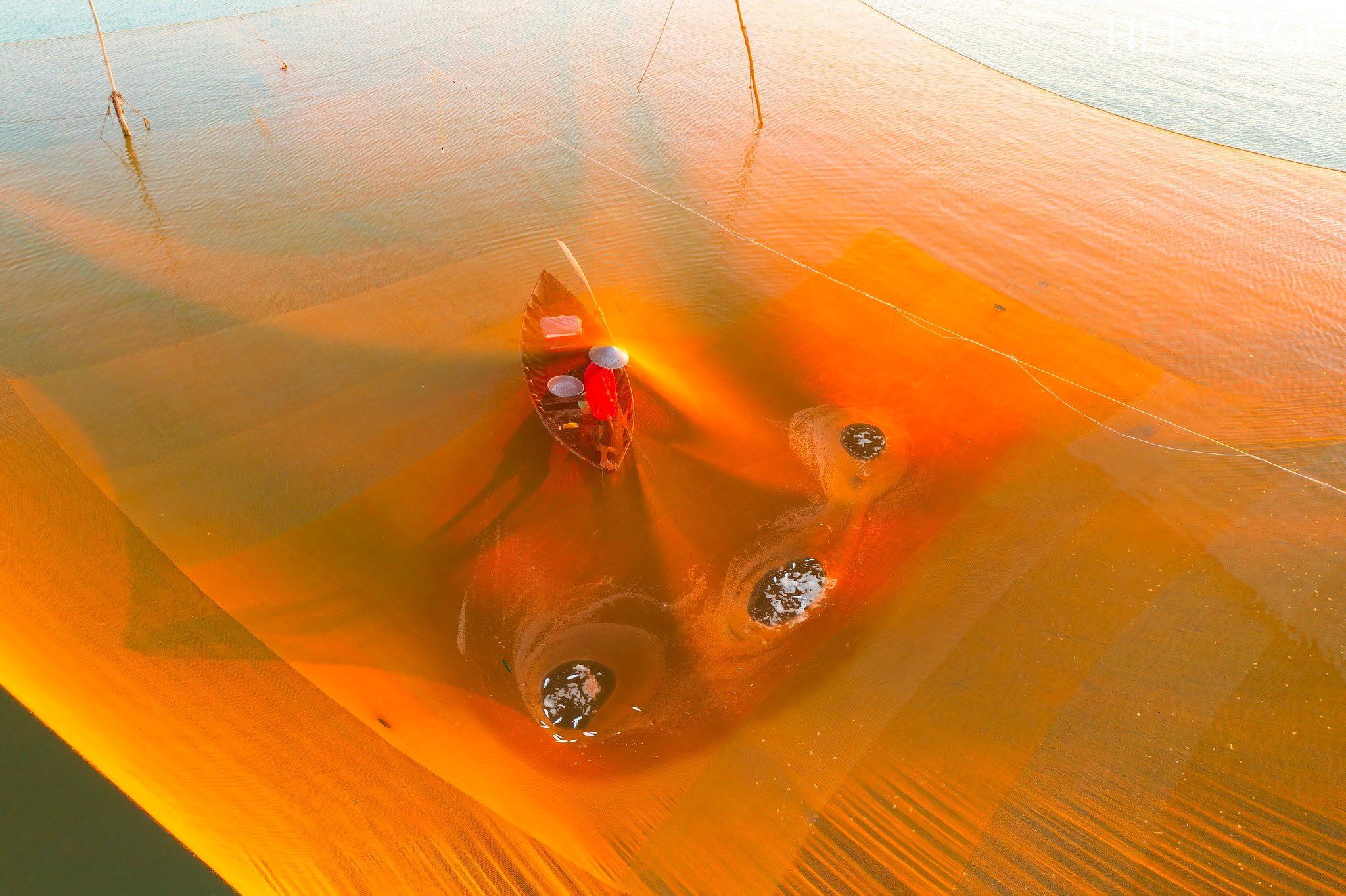
For a long time, that image has become a symbol of life on the waterways in this area.

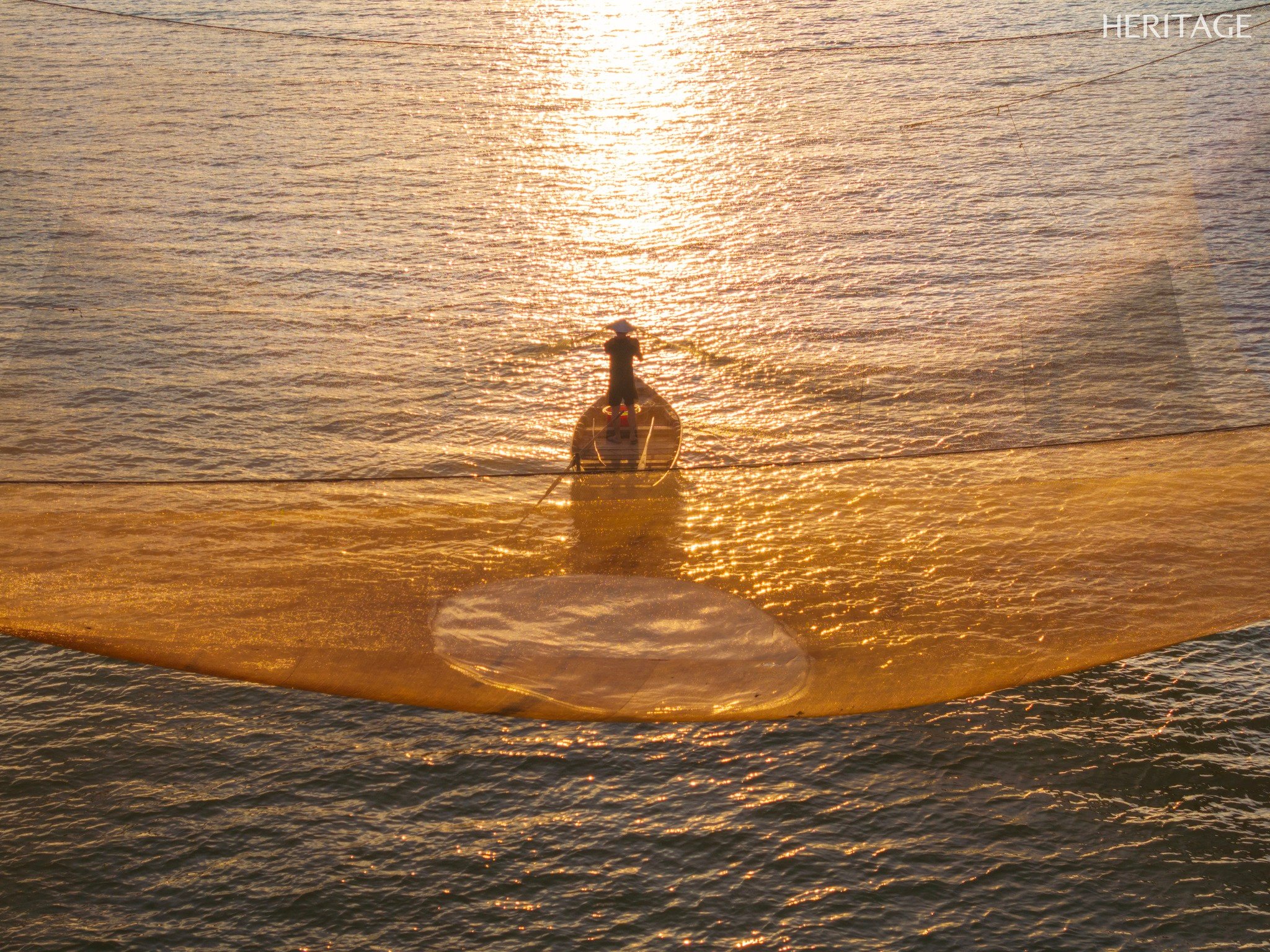
A typical fishing net, about 60 square meters in size, is fixed in place by ropes and four large bamboo poles driven deep into the riverbed. From there, a winch system leads to a watchtower (fishing hut), where a rotating shaft lifts the net to the water's surface.
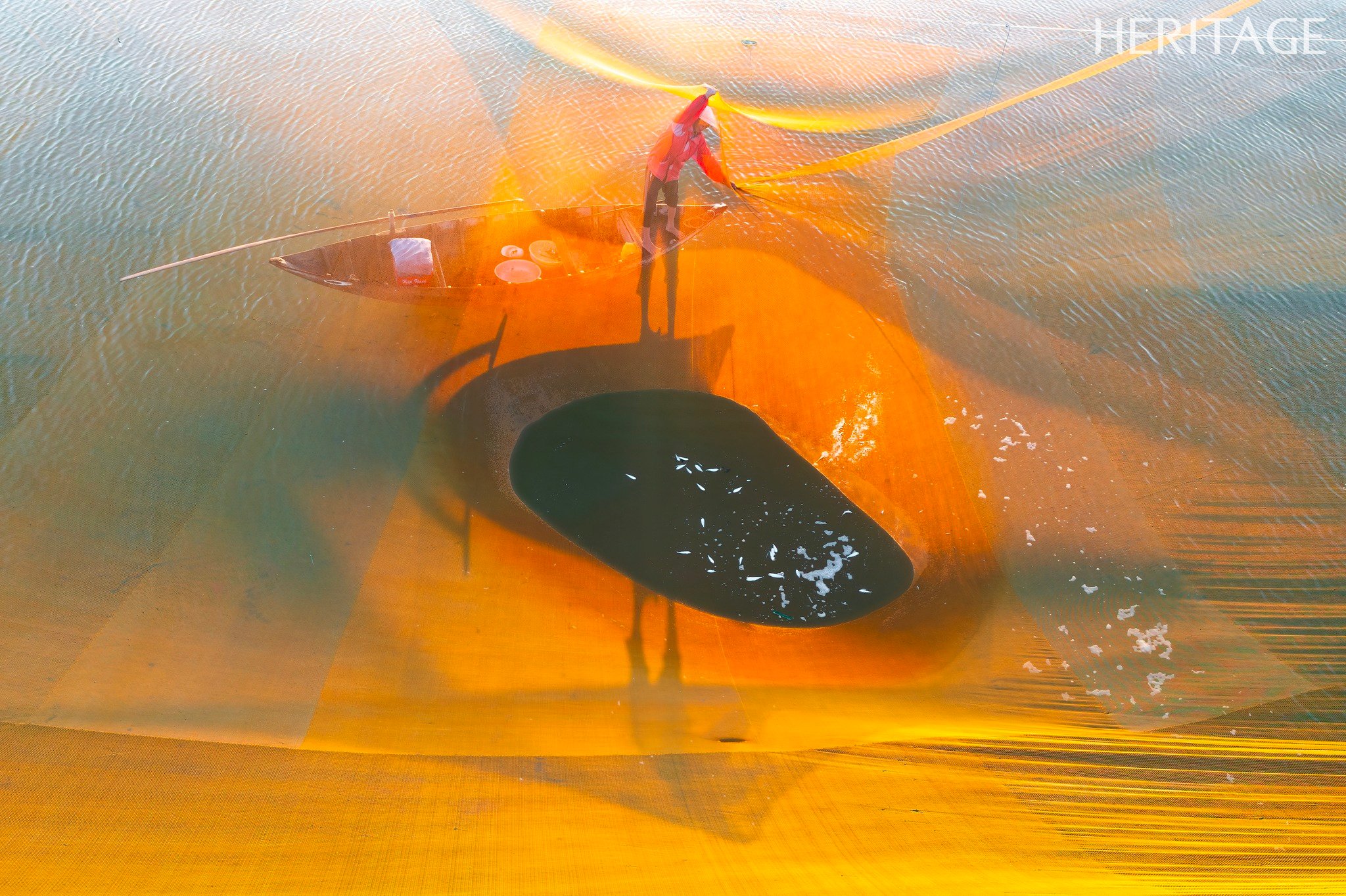

The tools that people use during their fishing trips are very simple: a hat, a kerosene lamp, and a thin bamboo stick to manipulate the nets. Each step – from casting the nets, securing them, to pulling them in – depends on experience with the tides, wind direction, and even intuition about the sea.
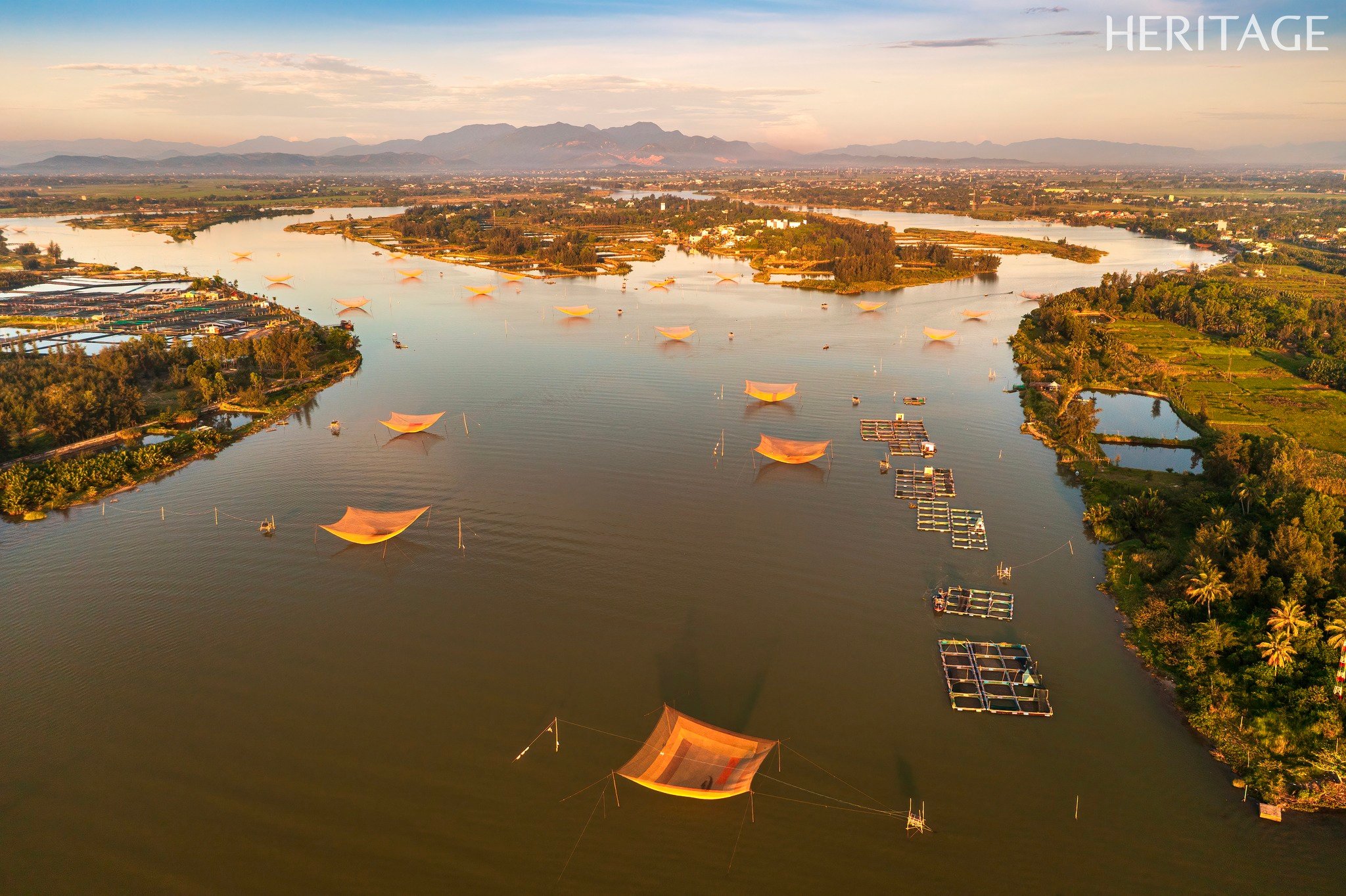
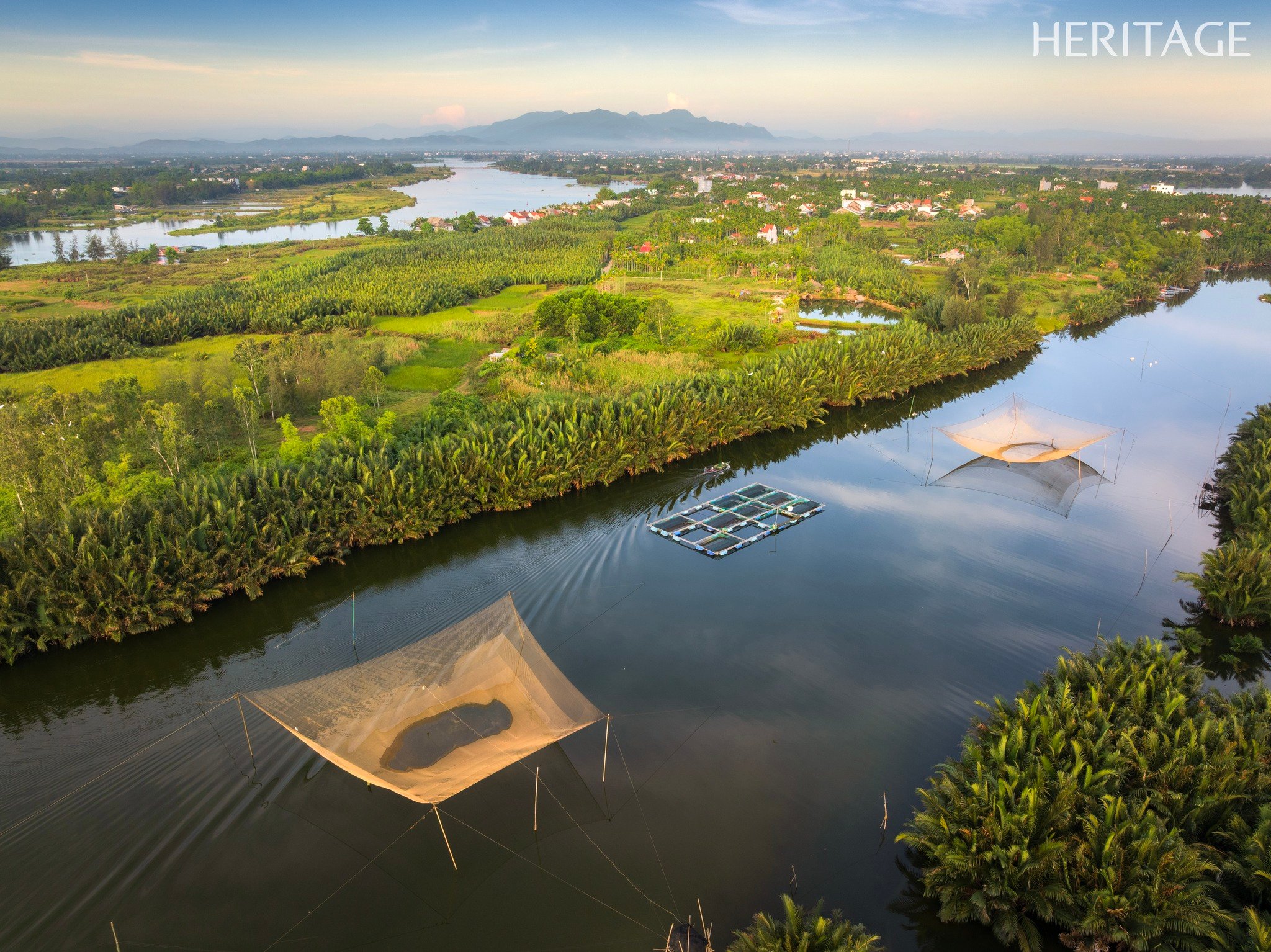
Each time the net is pulled in, it's a test of leg strength; each time the net is secured, one must wait for the tide to be still; and each time the fish and shrimp are harvested from the small holes at the bottom of the net, one must pay attention to the wind direction while rowing the boat to ensure the process is smooth and easy. Therefore, although it may seem simple, the profession of net fishing requires patience, meticulousness, skill, and years of experience.
Photo: Van Viet
Heritage Magazine


![[Photo] Closing Ceremony of the 10th Session of the 15th National Assembly](/_next/image?url=https%3A%2F%2Fvphoto.vietnam.vn%2Fthumb%2F1200x675%2Fvietnam%2Fresource%2FIMAGE%2F2025%2F12%2F11%2F1765448959967_image-1437-jpg.webp&w=3840&q=75)

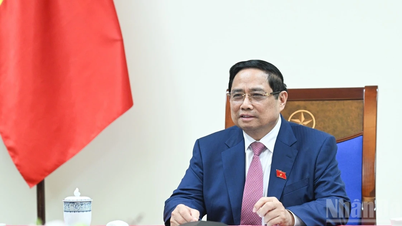
![[Photo] Prime Minister Pham Minh Chinh holds a phone call with the CEO of Russia's Rosatom Corporation.](/_next/image?url=https%3A%2F%2Fvphoto.vietnam.vn%2Fthumb%2F1200x675%2Fvietnam%2Fresource%2FIMAGE%2F2025%2F12%2F11%2F1765464552365_dsc-5295-jpg.webp&w=3840&q=75)







![[Photo] Prime Minister Pham Minh Chinh holds a phone call with the CEO of Russia's Rosatom Corporation.](https://vphoto.vietnam.vn/thumb/402x226/vietnam/resource/IMAGE/2025/12/11/1765464552365_dsc-5295-jpg.webp)



























































Comment (0)