

Green credit - A financial driver for the future of agriculture.
In the journey towards green growth, agriculture plays a pivotal role because it is a sector directly impacted by climate change, while also possessing great potential for emission reduction and sustainable development.
For the transformation process to be strong and substantive, the decisive factor is capital – especially green credit, a financial tool that helps businesses change their production models towards saving resources, protecting the environment, and improving economic efficiency.
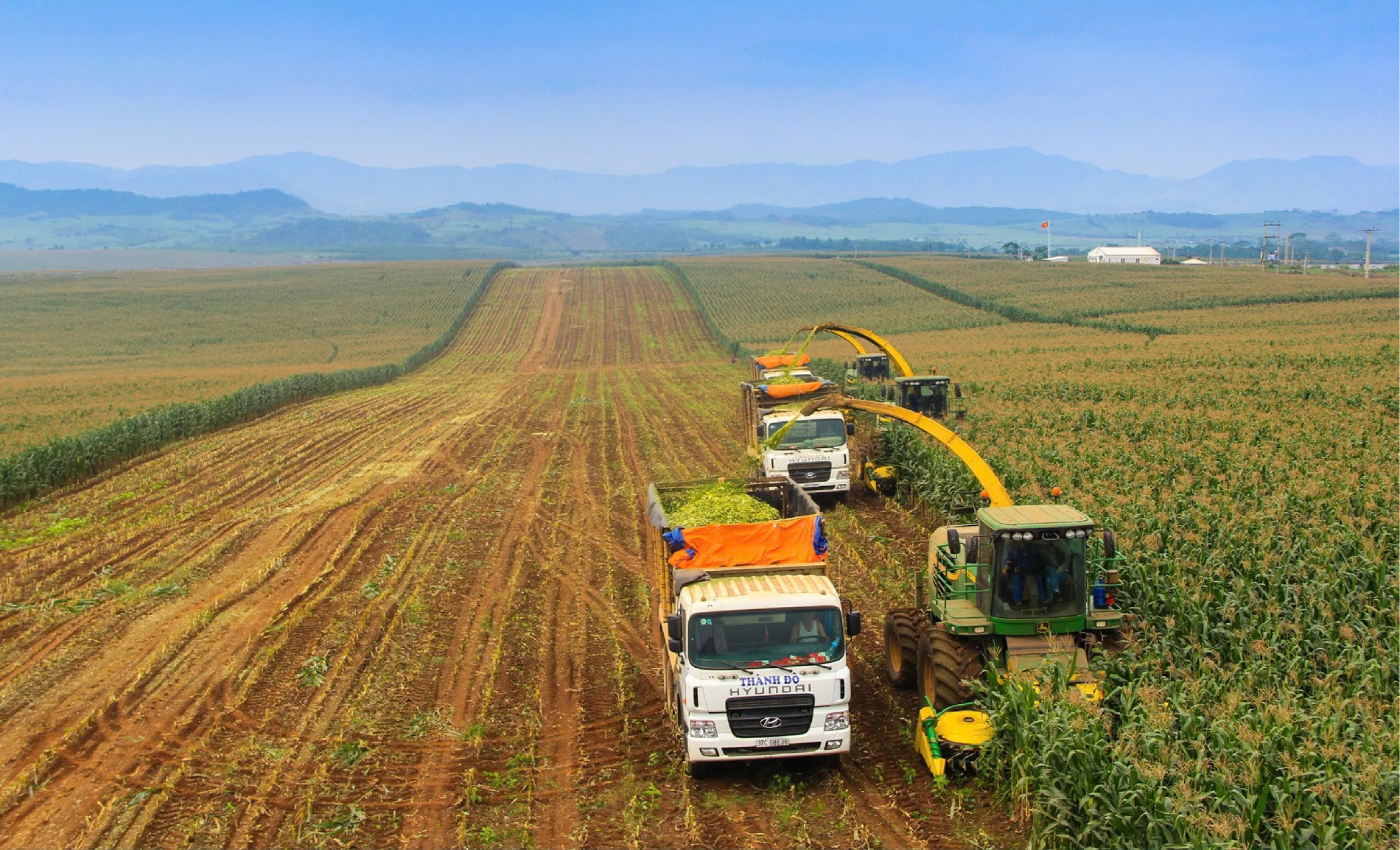
According to the 2020 Environmental Protection Law, green credit is a priority funding source for projects that efficiently utilize resources, reduce pollution, restore ecosystems, and promote circular models. In agriculture, green credit focuses on four main groups: developing clean agriculture; applying high technology; sustainable water resource management; and developing sustainable forestry. These activities not only create safe products and increase the value of agricultural products but also protect soil, water, and biodiversity – core elements of a future agricultural system.
In reality, green credit has shown positive growth. By the end of March 2025, outstanding green credit reached over 704 trillion VND, an increase of 3.57% compared to the end of 2024; the average growth rate for the period 2017-2024 reached approximately 21% per year - an impressive increase compared to overall credit.
However, investment capital in agriculture still only meets about 55-60% of actual needs; up to 65% of agricultural businesses face difficulties in accessing green capital. This stems from three main reasons: the legal framework lacks specific guidance; domestic and international financial resources are limited; and the green project appraisal process requires higher standards and is much more complex than conventional appraisal.
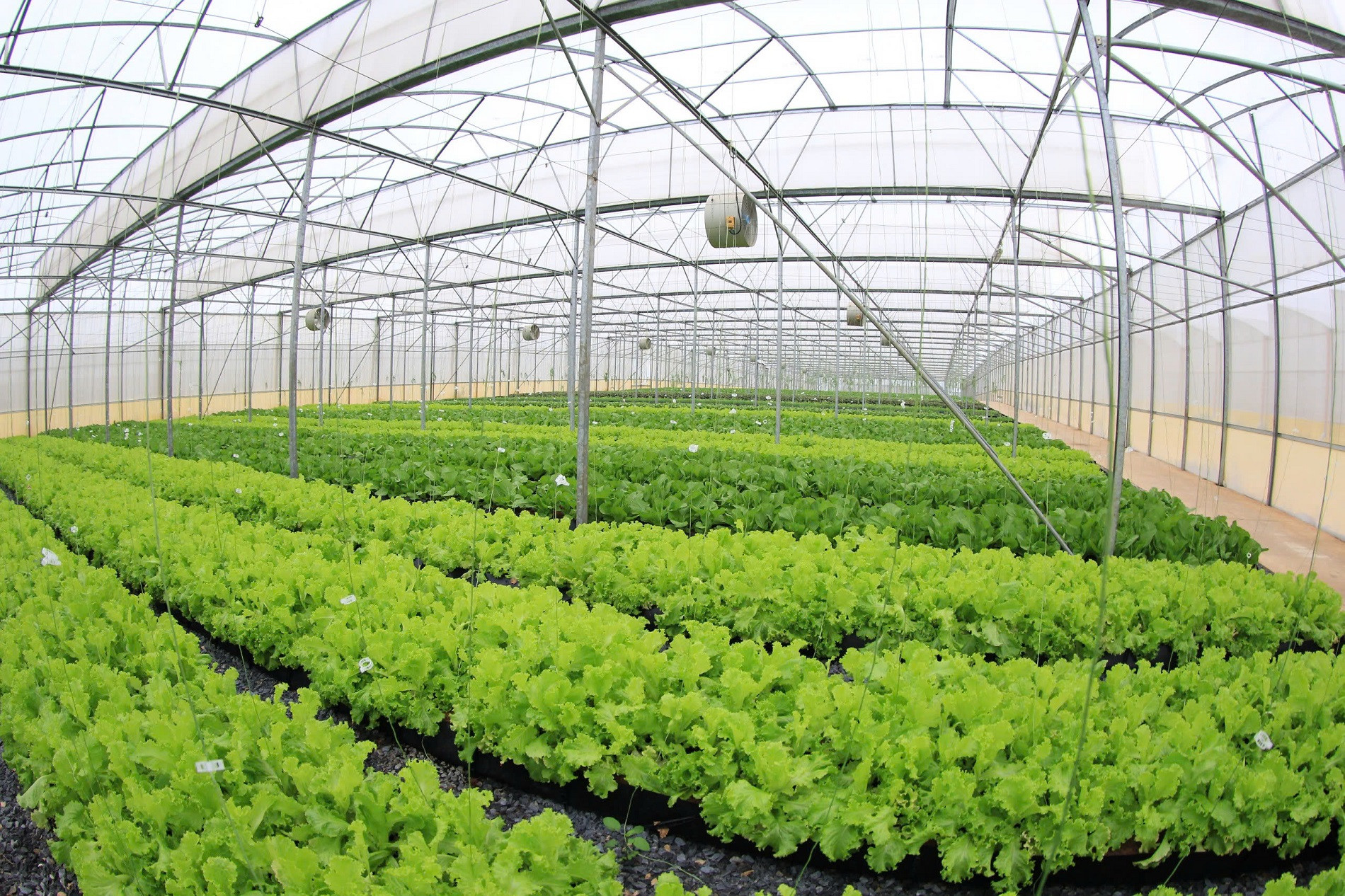
Particularly in agriculture, green projects often have long lifecycles and significant market risks, while banks primarily offer short-term financing, making it difficult to balance funding. Furthermore, many businesses lack professional environmental reporting systems and sufficient evidence to support green criteria, making it challenging for banks to assess the sustainability of their projects.
Bac A Bank - Persistently pursuing the path of clean agriculture and sustainable finance.
In this context, Bac A Commercial Joint Stock Bank (BAC A BANK) has emerged as one of the pioneering institutions placing green credit at the heart of its development strategy. Through its consistent operational orientation with many practical product policies, Bac A Bank has repeatedly affirmed that clean agriculture and high-tech agriculture are the Bank's overarching priorities – in line with the Government's green economy orientation.

Bac A Bank has integrated green elements into many financial products: financing clean agricultural businesses, linking the rice-aquaculture value chain, supporting cooperatives, financing the development of raw material areas and environmentally friendly agricultural, forestry, and aquaculture models. A distinctive feature of Bac A Bank is its "Investment Consulting - Strategic Partnership" model. The bank not only provides loans but also participates in technical consulting, building value chains, and monitoring project operations throughout their lifecycle to ensure genuine sustainability.
The success of TH's high-tech dairy farming and processing project chain is clear evidence of that philosophy: a circular agricultural model, applying high technology, and meeting international standards for safety and the environment. In addition, Bac A Bank participates in many projects related to medicinal plants, forest development, clean fruit trees, and purified water, contributing to spreading green values in many agricultural sectors.
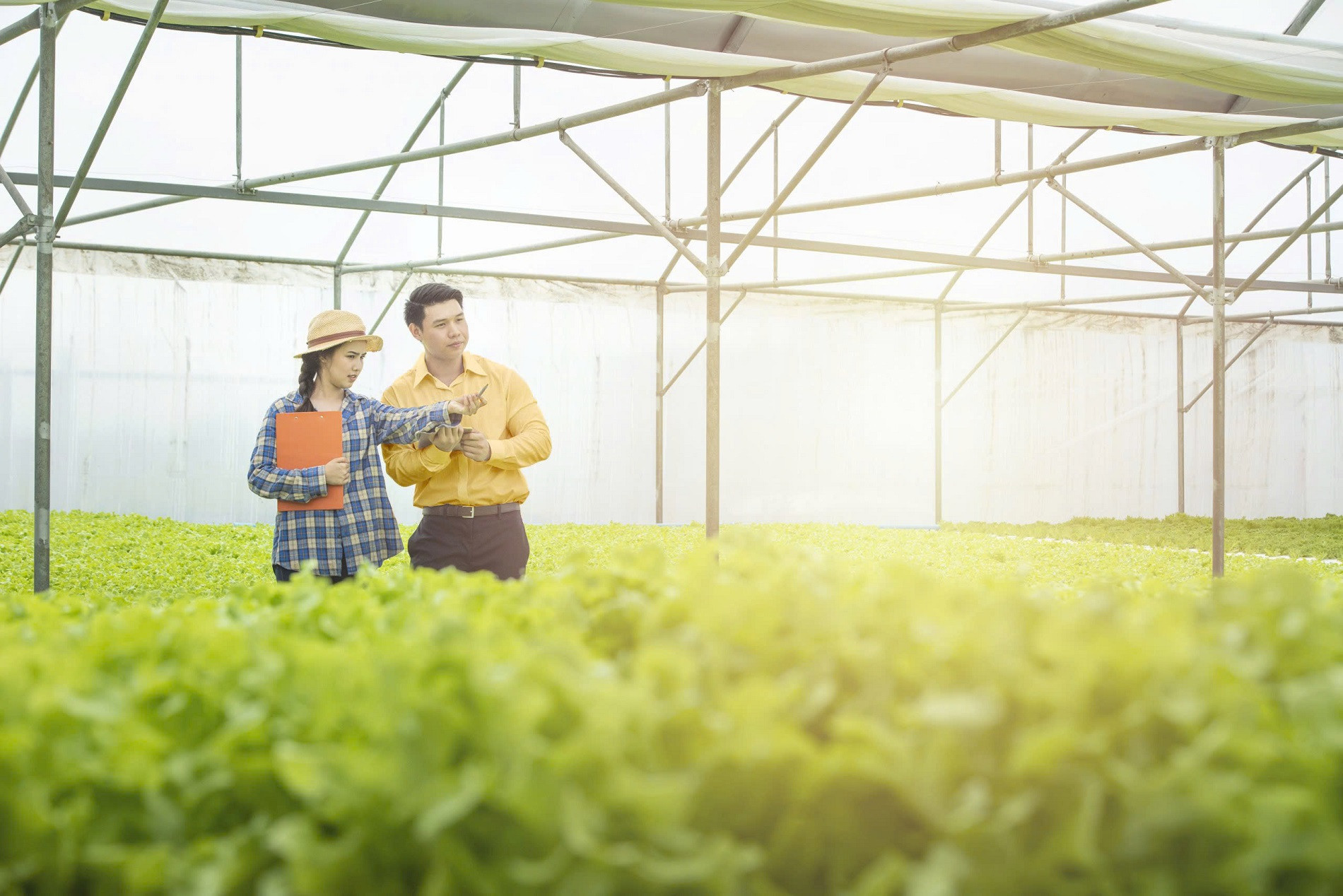
Solutions to promote green credit - From policy to practice
To promote the widespread adoption of green credit, a coordinated effort from the government, banks, and businesses is needed. Bac A Bank proposes three main groups of solutions:
Completing the legal framework and green criteria.
Vietnam needs to quickly develop a unified, easily applicable set of standards for each industry. Clear criteria will help banks reduce risks, shorten appraisal times, and create conditions for businesses to transparently disclose environmental data.
Strengthening preferential policies of the Government and the State Bank.
Mechanisms such as refinancing support, preferential interest rates for green loans, reduced reserve requirements, or risk sharing will give banks stronger incentives to expand their green loan portfolios.
Diversifying funding sources and enhancing business capabilities.
Vietnam can leverage international green credit funds and multilateral financial institutions to supplement resources and update global standards. Businesses also need to proactively upgrade their governance systems, transparently disclose environmental impacts, and adopt ESG standards to build trust with funding providers.
For over three decades, Bac A Bank has remained steadfast in its philosophy of "Banking for the Community," gradually harmonizing economic benefits and social values. From pioneering agricultural projects to specialized green credit programs, Bac A Bank not only provides capital but also contributes to sowing the seeds of a sustainable future, where economic development goes hand in hand with the prosperity of the environment and the community.
Tran Khanh (Director of Corporate Banking Division, Bac A Bank)
Source: https://vietnamnet.vn/bac-a-bank-dong-hanh-cung-nong-nghiep-cong-nghe-cao-va-tai-chinh-xanh-2471654.html




![[Photo] Closing Ceremony of the 10th Session of the 15th National Assembly](/_next/image?url=https%3A%2F%2Fvphoto.vietnam.vn%2Fthumb%2F1200x675%2Fvietnam%2Fresource%2FIMAGE%2F2025%2F12%2F11%2F1765448959967_image-1437-jpg.webp&w=3840&q=75)

















































![[OFFICIAL] MISA GROUP ANNOUNCES ITS PIONEERING BRAND POSITIONING IN BUILDING AGENTIC AI FOR BUSINESSES, HOUSEHOLDS, AND THE GOVERNMENT](https://vphoto.vietnam.vn/thumb/402x226/vietnam/resource/IMAGE/2025/12/11/1765444754256_agentic-ai_postfb-scaled.png)








































Comment (0)