

Delicious dishes
Lotus seeds are the most exquisite part of this elegant species. Hidden within the lotus pod, these seeds, when unearthed from their lush green shell, reveal a precious gem bestowed by nature.
In medicine, lotus seeds are classified as a valuable medicinal ingredient with functions such as calming the nerves, treating weakness, promoting sleep, and curing loss of appetite and indigestion.
In Western medicine, lotus seeds are highly recommended due to their nutritional value for health. Lotus seeds are high in protein, magnesium, potassium, and phosphorus, while being very low in saturated fat, sodium, and cholesterol.
The beneficial micronutrients in lotus seeds help fight inflammation effectively, making them a wholesome food, popular in everyday menus as well as in gourmet dishes and banquets.
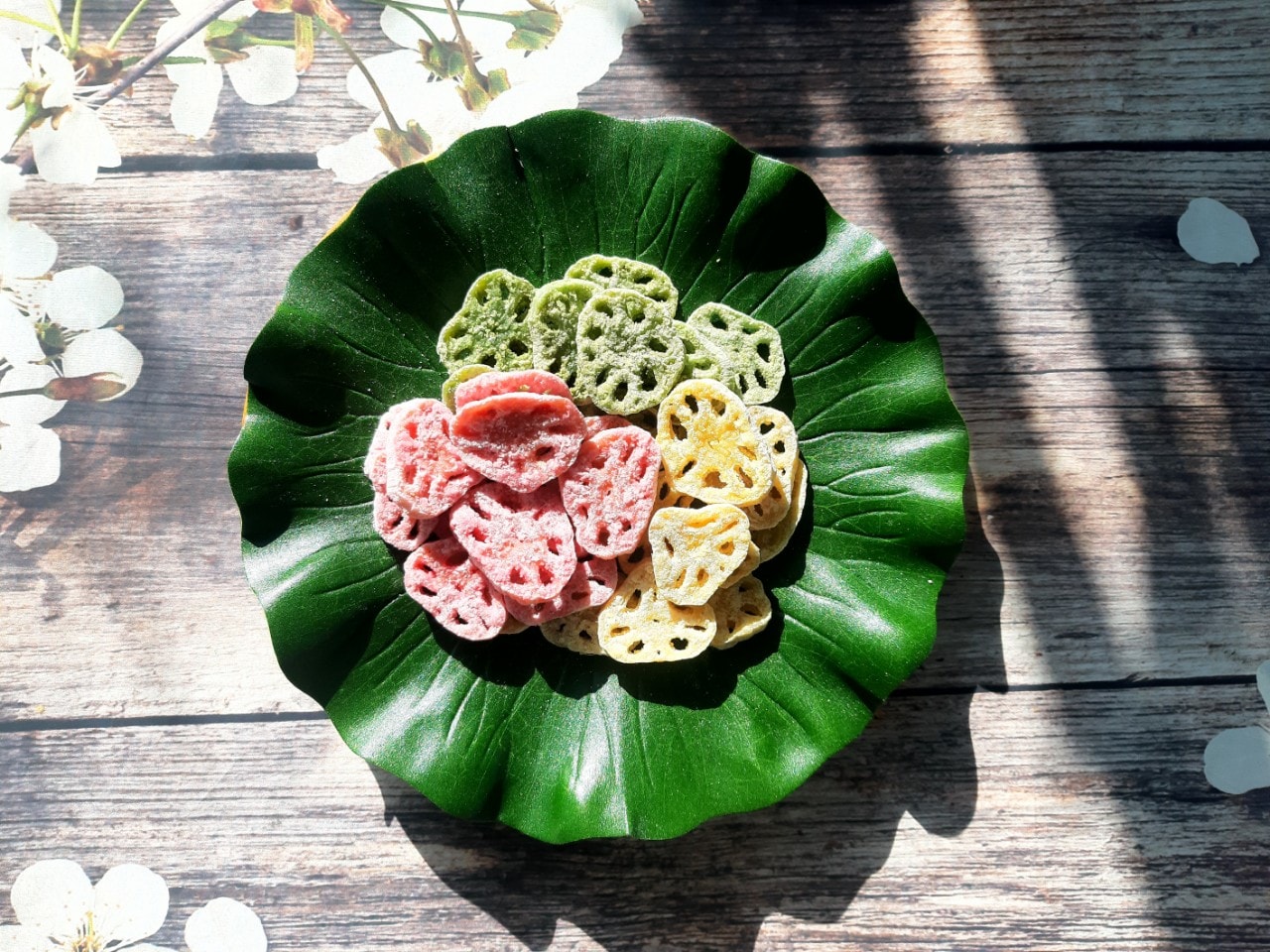
Other parts of the lotus plant, such as lotus root, lotus stem, lotus heart, and lotus petals, are also used in cuisine . The sturdy lotus root, buried in the mud and absorbing the soil's nutrients, is considered a "miracle cure." The Japanese have long cherished this "miracle cure" hidden in the mud. The Vietnamese, however, have only recently begun to strongly utilize lotus root in their cuisine, creating delicious dishes with harmonious flavors: lotus root jam, lotus root kimchi, braised lotus root, crispy fried lotus root snacks, etc.
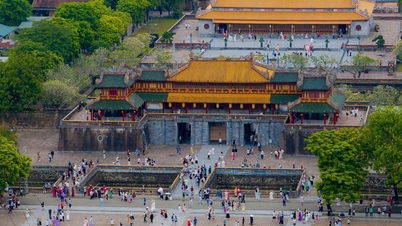
Lotus cuisine in the Hue royal court.
Royal cuisine is a quintessential symbol of the culinary traditions of the imperial capital, closely linked to the prosperity of the Nguyen dynasty. It's not just about preparing food; it's an art form bearing the historical imprint of the dynasty.
Hue's royal cuisine is famous for its "Eight Treasures Tribute to the Royal Court" collection, which includes rare and exquisite delicacies such as peacock spring rolls, phoenix-shaped patties, bird's nest soup, and hundreds of other dishes that awaken all five senses of the diner.
Lotuses in the imperial capital possess an elegant beauty. The white and pink lotuses in Tinh Tam Lake seem to have been cultivated exclusively for the imperial court. The lotus seeds from the shimmering lotus pods on the lake's surface have a distinctly fragrant and nutty flavor, superior to lotuses from other places, partly due to the harmonious soil and climate.
Steamed rice wrapped in lotus leaves and lotus seed and longan sweet soup are two renowned dishes that feature prominently in Hue's imperial cuisine. The lotus seeds used for steamed rice must be harvested from the lotus pods of Tinh Tam Lake, and the lotus leaves used to wrap the rice must also be carefully selected.
Steamed rice wrapped in lotus leaves is a delicious and visually appealing dish, resembling a blooming lotus flower, showcasing its full beauty with its precious contents: sticky rice, fragrant lotus seeds, mixed with various vegetables, shrimp, and meat... creating a truly eye-catching filling inside the lotus flower. Lotus seed and longan sweet soup, with its refreshing sweetness, nourishes the translucent longan seeds, embracing the soft and smooth lotus seeds.
Delicious dishes from the land of pink lotus
I still remember my recent trip to An Giang. On the way back, our group stopped by a rather famous tourist area in the Dong Thap Muoi region.
Walking along the makeshift wooden bridge stretching from the beginning of the alley and then traversing the lotus ponds, the city dwellers' legs were already weary. As the people of the Mekong Delta jokingly say, Saigonese people coming to this place and wading through the lotus ponds for just a short while are enough to make their legs ache.
Lotuses abound. Lotuses are vast. Lotuses stretch as far as the eye can see. There are so many lotuses that standing on one bank of the pond, you can't see the other bank because the lotus stems are so tall they reach above your eyes. The pink lotus blossoms stand out against the green of the leaves, opening up to the horizon.
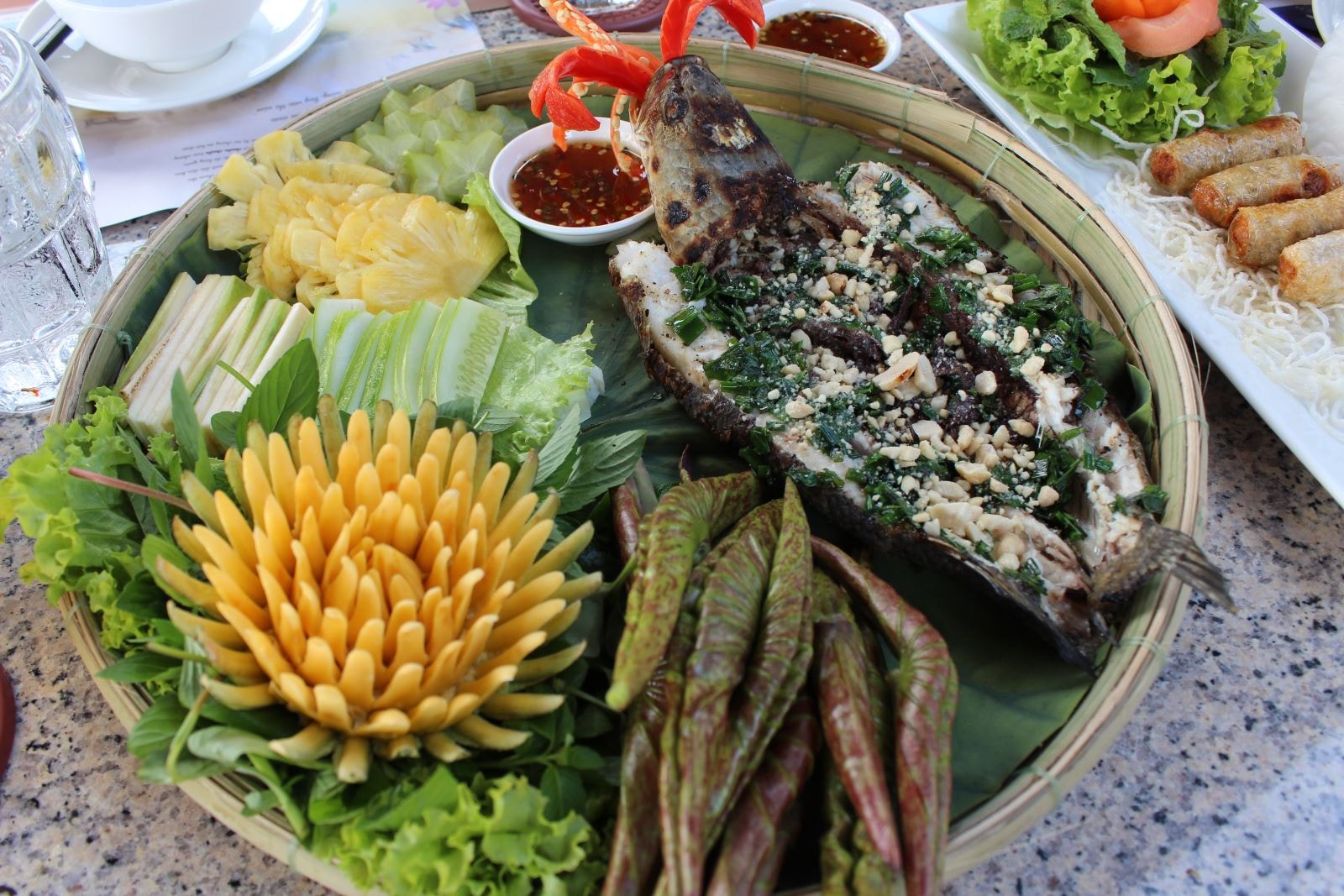
After admiring the lotus flowers and taking countless photos, our stomachs rumbled with hunger, so the whole group headed to a thatched hut in the middle of the pond to rest. A staff member at the tourist area proudly showed off a dish of grilled snakehead fish served with young lotus leaves. Dozens of people exclaimed in surprise. "Are lotus leaves edible?" "Of course, but they have to be young lotus leaves!"
The fish was laid out before us, but we had to wait for the staff to light a fire. As the straw and hay burned, several snakehead fish stuck along bamboo tubes were revealed, blackened by the flames. The grilled fish were wrapped in old lotus leaves, and the staff laboriously carried them to the table.
The tender, soft young lotus shoots occupy two-thirds of the plate of rustic vegetables: fragrant betel leaves, young mango leaves, toad leaves, and other leaves... accompanied by shredded green mango. The young lotus shoots are slightly bitter but complement the sweetness of the freshwater fish, and dipping them into a bowl of sweet and sour fish sauce brings out a rustic flavor, perfectly fitting the vast space filled with the scent of lotus.
That was also the first time I discovered the crispy dried lotus root slices with fragrant jam and orange jam from the famous Tư Bông confectionery factory in the Đồng Tháp Mười region. This unique snack, with two slices of crispy dried lotus root melting slowly in my mouth, made me realize that Vietnamese cuisine is a real "treasure trove."
Summer brings alternating periods of scorching sun and misty rain across different regions. But rain or shine, lotus flowers and dishes made from them continue to silently and gracefully welcome people in their timeless, simple, and elegant way.
Source: https://baoquangnam.vn/mua-he-an-mon-tu-sen-3156742.html
![[Photo] National Assembly Chairman Tran Thanh Man working with the Standing Committee of the National Assembly's Ethnic Council](https://vphoto.vietnam.vn/thumb/1200x675/vietnam/resource/IMAGE/2026/05/21/1779337435930_ndo_br_1-jpg.webp)
![[Image] "Journey of Hope" promotes the organ and tissue donation movement in Vietnam.](https://vphoto.vietnam.vn/thumb/1200x675/vietnam/resource/IMAGE/2026/05/20/1779294400833_1-8910-jpg.webp)































































Comment (0)