

Remembering one's roots, venerating and commemorating ancestors and those who contributed to the founding of the village... are long-standing traditional cultural features in major festivals and celebrations leading up to the Lunar New Year of the Thanh Y Dao people in Bang Ca commune (Ha Long City).
According to historical records, the Dao Thanh Y people have been present and settled in Bang Ca commune (Ha Long City) for over 300 years. The families include Lý, Đặng, Trương... " The Dao Thanh Y people here have five major festivals and celebrations throughout the year (according to the lunar calendar). Two of them take place before and after the traditional Lunar New Year: the year-end summary ceremony (the 20th day of the 12th lunar month) and the main ceremony at the beginning of the new year (February 1st). These ceremonies are the most sacred and solemn, clearly demonstrating the beautiful custom of remembering one's roots and showing gratitude to ancestors . This is increasingly being preserved and promoted, even becoming material for cultural tourism products ," shared Mr. Dang Van Manh, Secretary of the Party Committee of Bang Ca commune.
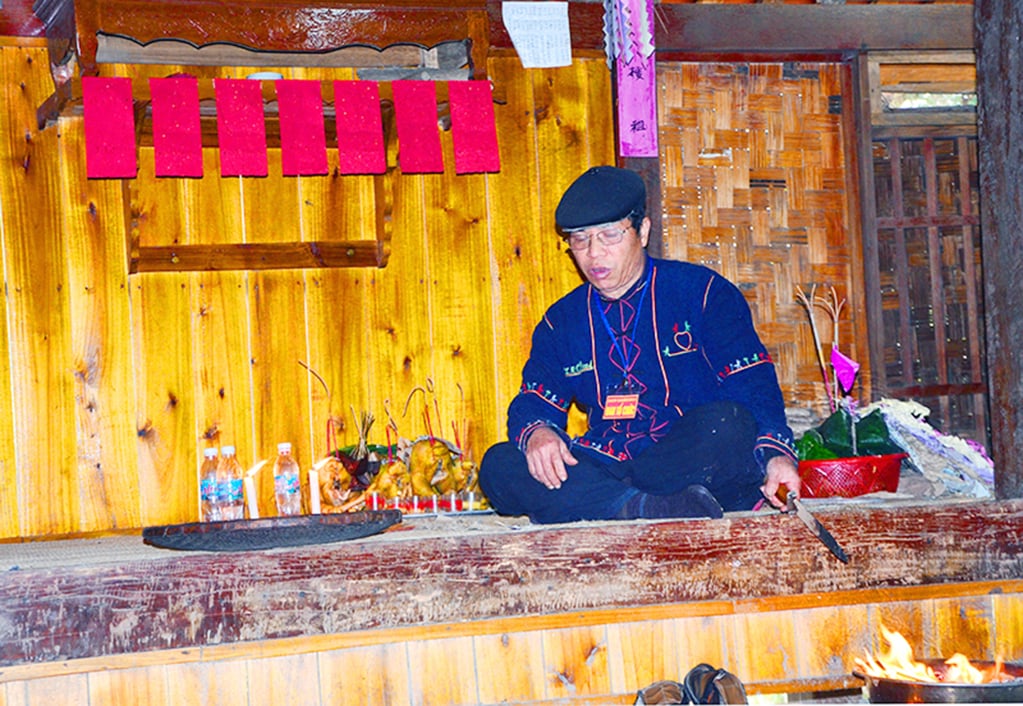
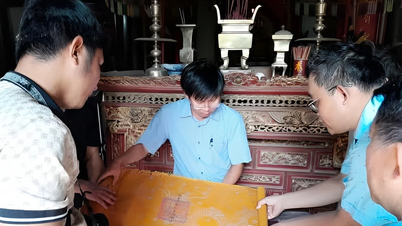
Accordingly, before these two major festivals, the shaman – a respected figure in the Thanh Y Dao community – performs a ritual at the shrines of the seven main clans in Bang Ca and the shrine of the female general of the Tran dynasty, traditionally believed to be Mrs. Tran Thi Chin, a descendant of the Tran family who contributed to this land. Currently, these shrines are located in Hamlet 1, Bang Ca commune.
After this ceremony, the shaman is allowed to continue with the ritual of offering sacrifices to the village's incense burner, located in the Thanh Y Dao Ethnic Group Cultural Conservation Area. This incense burner was previously chosen and placed in the shaman's house. Following this are new rituals performed by the shaman and his assistants to report to and thank their ancestors for the year-end ceremony and to pray for prosperity, favorable weather, and good harvests for the New Year ceremony.
To show gratitude to their origins and reverence for their ancestors, participants in these rituals must be carefully selected or adhere to strict village regulations and conventions. For the year-end ceremony, families must send the head of the household (a male), who has received the "Cấp sắc" (considered an adult), to assist with the ceremony. For the main New Year festival, the regulations are somewhat more flexible; however, all family members, even those living far away, are required to return and must wear traditional attire when participating.
One of the most important annual rituals for the Thanh Y Dao people is the worship of Ban Vuong. According to the Dao people's beliefs, all Thanh Y Dao people are descendants of Ban Vuong. Besides worshipping at the shaman's house, families also worship Ban Vuong at home. Traditionally, the end-of-year and beginning-of-year ceremonies, in addition to chicken, rice, sticky rice, etc., cannot be without a cleaned pig with all its internal organs intact.
To ensure reverence, the Dao Thanh Y people also have customs and taboos. For example, before the village festival, Dao Thanh Y men and boys who have been ordained must absolutely refrain from any close contact with women. This is especially true for shamans, who must abstain for 3 or even 5 days before the ceremony. The Dao believe that violating this rule renders all rituals and prayers ineffective.
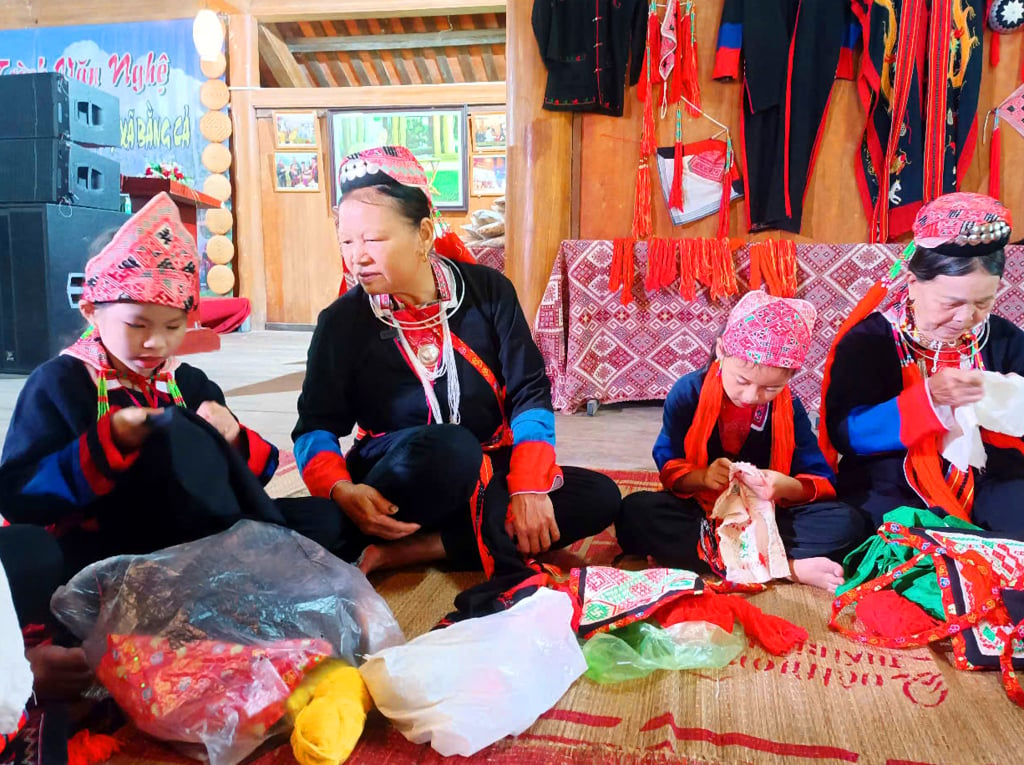
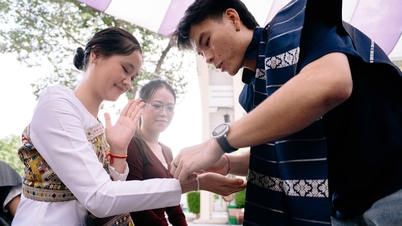
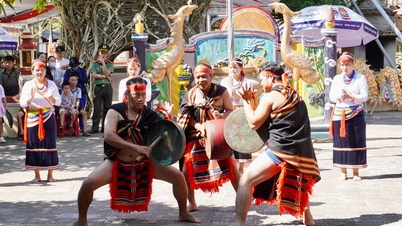
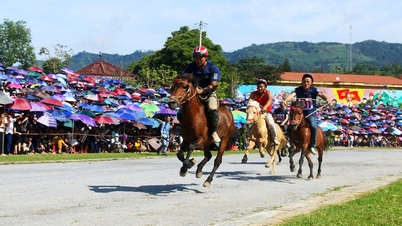
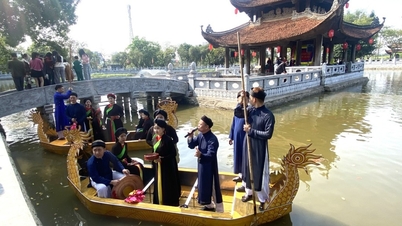
Furthermore, rituals expressing reverence and respect for ancestors are also manifested in the meticulous care and attention to detail of the finest costumes, adorned with the most exquisite and eye-catching patterns; the performances of traditional love songs, sports activities, and refined culinary arts are all performed by the people at the festivals and celebrations.
Source












![[Photo] Reception to welcome General Secretary and President To Lam and his wife on their State visit to the Philippines](https://vphoto.vietnam.vn/thumb/1200x675/vietnam/resource/IMAGE/2026/06/01/1780295488620_vna-potal-chieu-dai-chao-mung-tong-bi-thu-chu-tich-nuoc-to-lam-va-phu-nhan-tham-cap-nha-nuoc-toi-philippines-8798060-7855-jpg.webp)









































Comment (0)