

According to Dr. Nguyen Thanh Triet, Deputy Head of the Department of Traditional Medicine at the University of Medicine and Pharmacy of Ho Chi Minh City, the leaves of the *Camellia sinensis* plant contain anthocyanin, which not only provides natural coloring to food but also helps fight oxidation, combat free radicals, and lower blood pressure.
Dr. Huynh Tan Vu, Specialist Level 2, Day Treatment Unit, University Medical Center of Ho Chi Minh City, Campus 3, shared that many synthetic food colorings are currently banned or restricted due to evidence linking them to potential carcinogenicity and other adverse health effects. Therefore, the use of natural food colorings is increasingly encouraged.
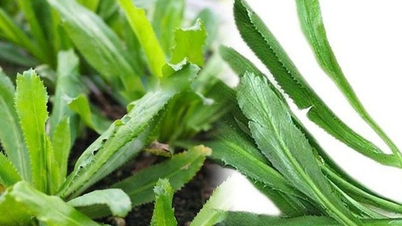
"The leaves of the *Centella asiatica* plant have been commonly used as a food coloring agent in Vietnam to replace synthetic colors in traditional foods such as taro cakes, sticky rice, and *Banh Tet* (Vietnamese rice cakes)... Besides creating beautiful colors, many studies show that *Centella asiatica* leaves also have medicinal effects and possess antibacterial and anti-inflammatory properties," said Dr. Vu.
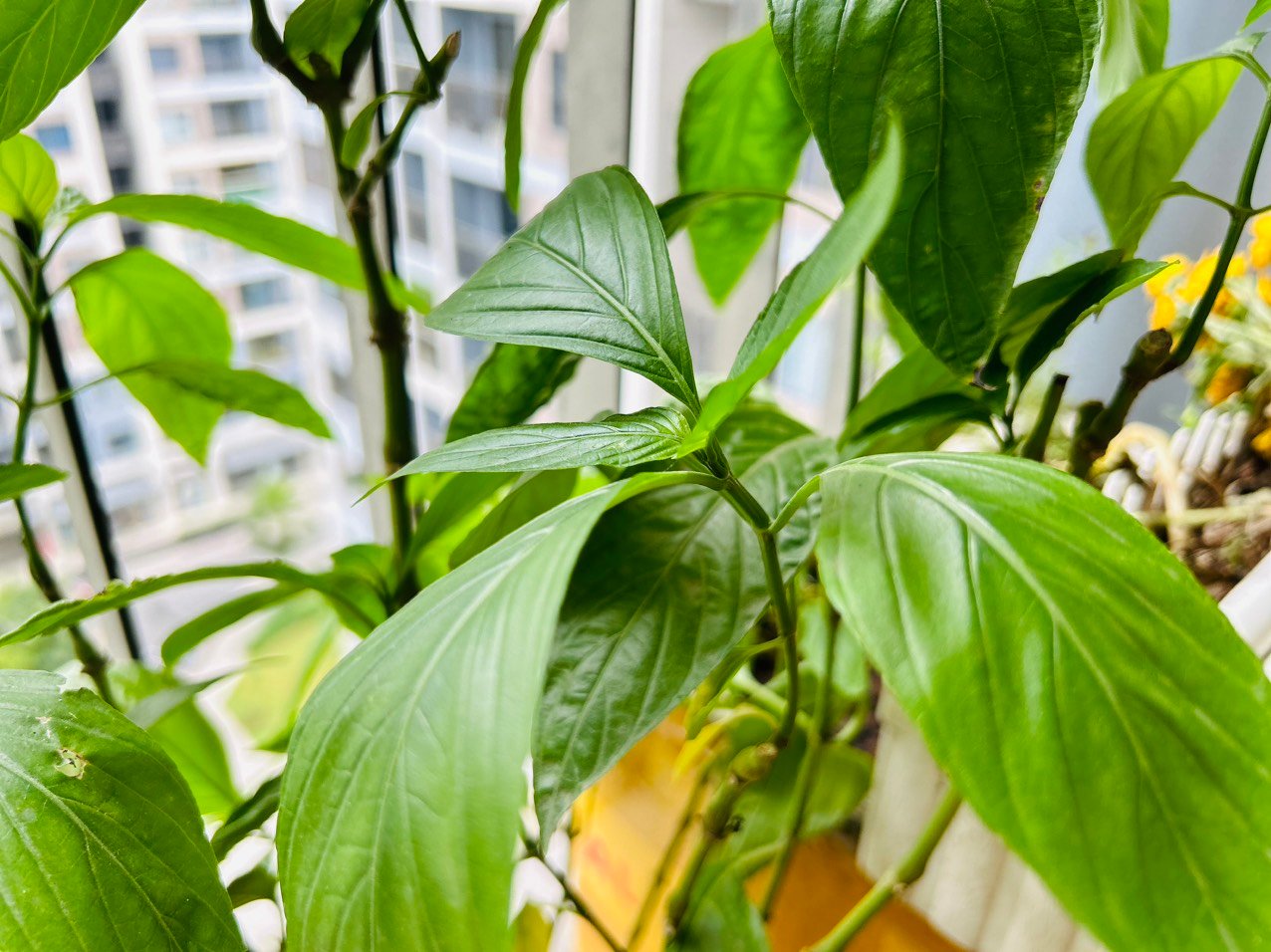
The leaves of the *Cynara scolymus* plant have antibacterial and anti-inflammatory properties.
High antibacterial activity
Dr. Vu stated that the leaves of the *Centella asiatica* plant have many applications, such as in medicine and as a food coloring agent. *Centella asiatica* leaf extract can be used as a natural preservative for food and in medicine to treat diseases related to intestinal disorders caused by harmful microorganisms. Four species of organisms associated with food spoilage, such as Bacillus subtilis, Staphylococcus aureus (gram-positive microorganisms), Pseudomonas aeruginosa, and Escherichia coli (gram-negative microorganisms), were also treated with ethanolic extract of *Centella asiatica* leaves and stems. The results showed that all bacteria were inhibited at low concentrations of the extract from the leaves and stems. Several studies have indicated that *Centella asiatica* leaf extract has high antibacterial activity.
According to Traditional Chinese Medicine, the leaves of the *Cynara scolymus* plant have a bitter taste and a neutral nature. *Cynara scolymus* is used to clear heat, stop bleeding, reduce swelling, detoxify, treat sprains, pulmonary tuberculosis, acute bronchitis, vomiting and coughing up blood, dysentery, etc. In addition, *Cynara scolymus* leaves are also used in bathwater to treat rashes or boils in young children.
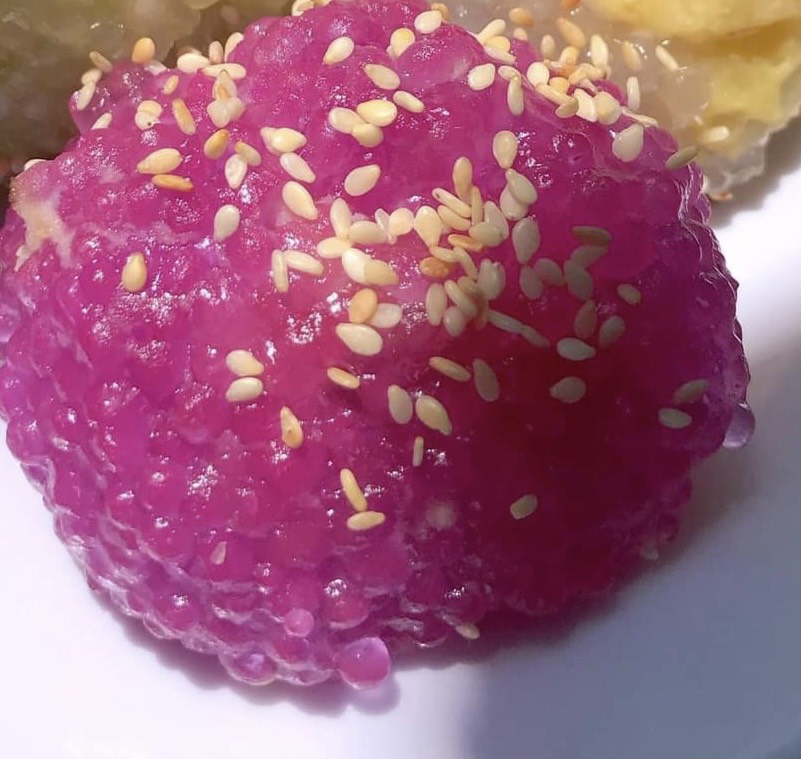
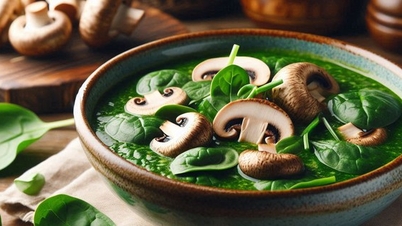
The leaves of the *Cynara scolymus* plant are commonly used to color food.
Some medicinal remedies using perilla leaves.
Treatment for bronchitis : Use 40g of the branches and leaves of *Cynanchum stauntonii*, 20g each of *Platycodon grandiflorus*, *Ophiopogon japonicus*, and *Morus alba* bark. Boil these ingredients together and drink the decoction to help clear phlegm and treat bronchitis.
Acne treatment: One bunch of perilla leaves, 1.5 liters of water. Wash the perilla leaves thoroughly with water, pour in 1.5 liters of clean water, bring to a boil, then reduce the heat and simmer for about 10 minutes before turning off the heat. Wait for the water to cool down, then strain out a sufficient amount to wash your face as usual without needing to rinse with clean water. The remaining water can be stored in the refrigerator and used gradually over 3-4 days.
"The leaves of the *Cynara scolymus* plant are not only beneficial to human health due to their bioactive compounds, but they are also useful in food processing thanks to their coloring properties. However, it is necessary to consult a doctor about the effectiveness of remedies made from *Cynara scolymus* leaves before using them. Avoid applying ineffective remedies that may not improve the condition or may even worsen it," Dr. Vu noted.
Source link
![[Photo] Enchanting ancient rose garden on the mountainside in Nghe An](/_next/image?url=https%3A%2F%2Fvphoto.vietnam.vn%2Fthumb%2F1200x675%2Fvietnam%2Fresource%2FIMAGE%2F2025%2F12%2F19%2F1766109900916_vuon-hong-chin-do-thu-hut-du-khach-toi-check-in-o-ha-noi-3-20162778-1671624890024-1671624890104198100259.jpeg&w=3840&q=75)


![[Photo] General Secretary To Lam visits the exhibition space showcasing books, photo exhibitions, and achievements of digital transformation in journalism.](/_next/image?url=https%3A%2F%2Fvphoto.vietnam.vn%2Fthumb%2F1200x675%2Fvietnam%2Fresource%2FIMAGE%2F2025%2F12%2F19%2F1766110879215_1766110240024-jpg.webp&w=3840&q=75)




















![[INFOGRAPHIC] Overview of the Hoa Phat Dung Quat Rail and Special Steel Production Plant Project](https://vphoto.vietnam.vn/thumb/402x226/vietnam/resource/IMAGE/2025/12/19/1766111183203_z7339170069817-126a3e5a095f62e606a0be41015c1b80.jpeg)


































Comment (0)