

 |
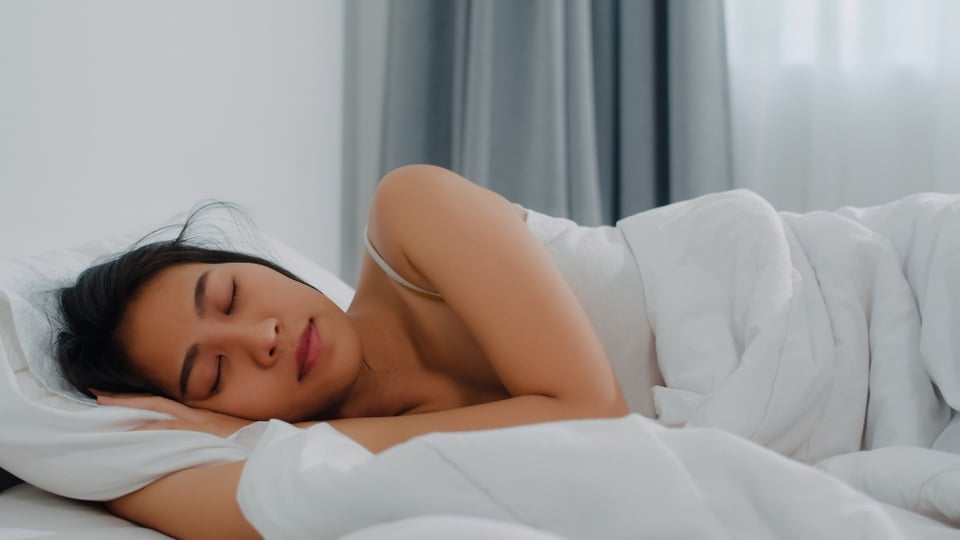
Lack of sleep leads to fatigue and reduced concentration, so many people choose to catch up on sleep to restore their energy. |
Getting enough sleep allows the brain to rest, strengthens memory, improves concentration, and enhances work performance. Sleep also supports cell regeneration, boosts immunity, maintains cardiovascular health, stabilizes blood pressure, and controls blood sugar.
Conversely, prolonged sleep deprivation can increase the risk of weight gain, anxiety, memory impairment, and negatively impact the immune system. This condition is also linked to an increased risk of cardiovascular disease and diabetes.
When should you catch up on sleep?
If you only missed one night of sleep due to work or unforeseen circumstances, you can catch up on sleep the next day to restore your energy. However, catching up on sleep isn't simply about getting the missing hours, as your body needs time to fully recover.
If sleep deprivation is prolonged, catching up on sleep is often not very effective. Adults need about 7 hours of sleep per night, but many still don't get enough due to stress and lifestyle habits.
Chronic sleep deprivation can weaken the immune system, increase the risk of high blood pressure, cause fatigue and irritability, and increase the risk of accidents when drowsy while driving or working.
Effective ways to catch up on sleep when you're sleep-deprived.
Everyone has different sleep needs depending on age and health. To recover from sleep deprivation, you can take a 20-minute nap, go to bed earlier the next night, make up for lost sleep over the next 1-2 days, or catch up on sleep on weekends, but you shouldn't deviate more than 2 hours from your usual schedule to avoid disrupting your circadian rhythm.
To improve sleep quality, you should adjust your lifestyle habits such as gradually going to bed earlier, limiting coffee and stimulants in the evening, avoiding using your phone about 2 hours before bedtime, keeping the bedroom quiet and cool, avoiding strenuous exercise close to bedtime, and possibly practicing yoga or relaxation breathing exercises.
If you have changed your habits but your insomnia persists, you should see a doctor for appropriate advice and treatment.
Source: https://znews.vn/ngu-bu-co-giup-co-the-hoi-phuc-sau-thieu-ngu-post1652792.html
![[Photo] First session of the 14th Congress of the Vietnam Trade Union](https://vphoto.vietnam.vn/thumb/1200x675/vietnam/resource/IMAGE/2026/06/03/1780465947883_ndo_br_img-3852-jpg.webp)
![[Photo] General Secretary and President To Lam presides over a meeting with the Central Organizing Committee.](https://vphoto.vietnam.vn/thumb/1200x675/vietnam/resource/IMAGE/2026/06/03/1780482764658_a1-bnd-4741-3342-jpg.webp)
![[Photo] Secretary of the National Assembly Party Committee, Chairman of the National Assembly presides over the meeting of the Standing Committee and Executive Committee of the National Assembly Party Committee.](https://vphoto.vietnam.vn/thumb/1200x675/vietnam/resource/IMAGE/2026/06/03/1780480353201_ndo_br_bnd-2585-jpg.webp)














































![[Video] Sunset at Lap An Lagoon – Where the sun sets over the fishing nets](https://vphoto.vietnam.vn/thumb/1200x675/vietnam/resource/IMAGE/2026/05/31/1780192137701_beach-landscape-sea-water-nature-grass-745871-pxhere-com.jpeg)



































Comment (0)