

AVERAGE PER CAPITAL INCOME AND EDUCATION INDICATOR REMAIN LOW
The northern midland and mountainous region (northern mountainous region) is a vast area, with a total area of 100,965 km², comprising 14 provinces: Cao Bang, Dien Bien, Bac Giang, Bac Kan, Ha Giang, Hoa Binh, Lang Son, Lai Chau, Lao Cai, Phu Tho, Son La, Thai Nguyen, Tuyen Quang, and Yen Bai .
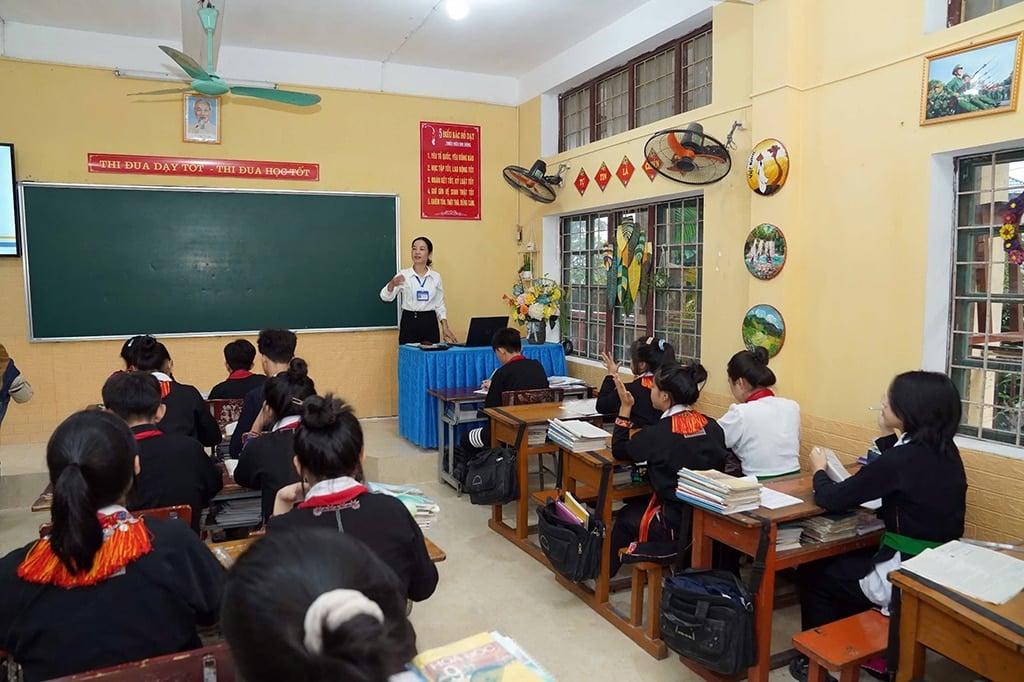
Education in the northern mountainous provinces faces many difficulties due to natural disasters. The damage caused by storms and floods in September has greatly affected the teaching and learning of teachers and students.
In terms of socio- economics , the average monthly per capita income and some education-related aspects, including high school education and the average high school graduation exam scores over the 5 years (2020-2024), in the northern mountainous region are still low compared to other regions (see details in Table 1).
Average per capita income, percentage of people with high school education, above-high school education, and average high school graduates over the 5 years: 2020 – 2024
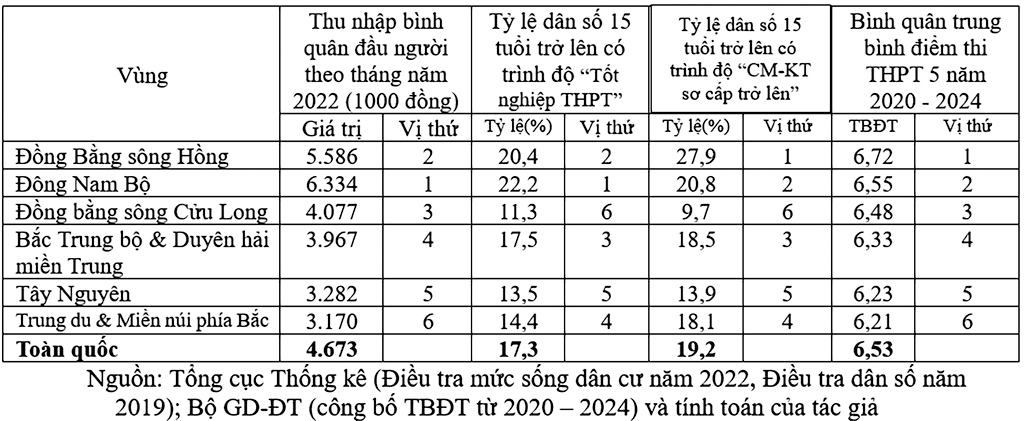
The data table above shows that the northern midland and mountainous region has the lowest monthly per capita income among the six regions, at 3.17 million VND/month; the percentage of the population aged 15 and above with a "High School Graduation" qualification in this region is 14.4%, ranking fourth, and the percentage of the population aged 15 and above with a "Post-High School" qualification is 18.1%, also ranking fourth. However, the average exam score over the five years (2020-2024) is 6.22 points, the lowest among the six regions.
Phu Tho Province , Bac Giang Province ranks highly, many other provinces are in the bottom group.
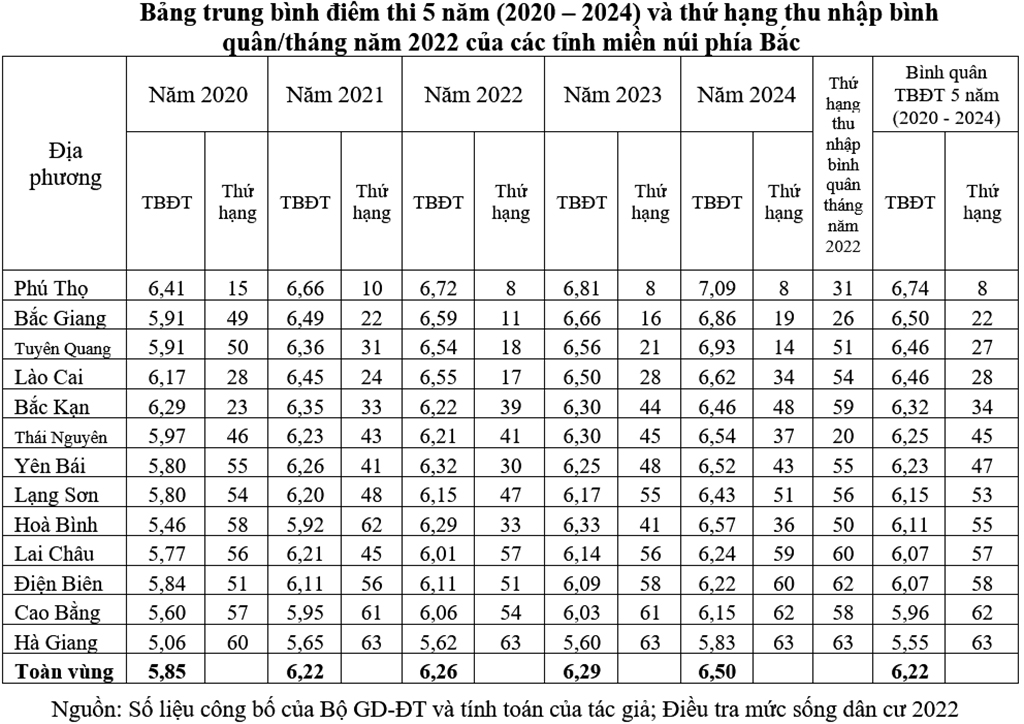
Based on data published by the Ministry of Education and Training, we compiled the average scores of 14 provinces in the region to fully understand the actual results of the high school graduation exam in the northern mountainous region during the 2020-2024 period. The results in the data table show that many localities have higher average scores in 2024 than in 2020, such as Phu Tho (2020: ranked 15th - 2024: ranked 8th), Bac Giang (49 - 19), Tuyen Quang (50 - 14), Thai Nguyen (46 - 37), Hoa Binh (58 - 36), and Lang Son (54 - 51). Among them, Phu Tho province consistently ranks in the top 10 nationwide, while Tuyen Quang province has made remarkable progress, rising from 50th place in 2020 to 14th in 2024. Phu Tho and Bac Giang are two provinces with many students winning national and international awards.
In addition, some provinces dropped in ranking, such as Lao Cai (28 – 34), Lai Chau (56 – 59), and Dien Bien (51 – 60). Among them, some provinces consistently ranked in the bottom 10 nationwide, such as Hoa Binh, Lai Chau, Dien Bien, Cao Bang, and Ha Giang (see details in Table 2).
C. QUALITY OF HIGH SCHOOL EDUCATION : DIFFICULTIES PLUNDERED
High school education in the northern midland and mountainous provinces faces numerous challenges. Firstly, the implementation of the 2018 General Education Program is hampered by a shortage of facilities, teaching equipment, and teachers, and the teachers' capacity for innovation has not kept pace with the national standard.
Secondly, the 12th grade students in the 2024-2025 school year are the same group of students who completed 8th grade in 2020-2021 and 9th grade in 2021-2022. These were two years of the Covid-19 pandemic, which severely impacted the entire country, forcing schools to close and switch to online learning. Due to the difficult conditions and lack of learning equipment for students in mountainous areas, the quality of education for 8th grade students in 2020-2021 and 9th grade students in 2021-2022 was significantly affected.
Thirdly, the northern mountainous and midland provinces are frequently affected by flash floods and landslides, and were particularly severely impacted by Typhoon Yagi (Typhoon No. 3) in September 2024. The typhoon and floods affected the health, morale, and even lives of teachers and students. Many schools were damaged, teaching equipment was destroyed, and schools were temporarily closed, directly impacting the learning of students in general and 12th-grade students this year in particular. While the education sector and high schools in other regions nationwide have been preparing for the 2025 high school graduation exam, some high schools in the severely affected northern mountainous provinces are still recovering.
Improving the quality of high school education according to the 2018 General Education Program in the northern mountainous provinces, which was already difficult due to a lack of facilities, student transportation issues, and a shortage of qualified teachers, is now further hampered by the impact of epidemics and natural disasters. High schools in the region are facing even greater challenges.
Given these mounting difficulties, it is predicted that the results of the 2025 high school graduation exam in the northern mountainous region will decline even further. Therefore, effective solutions are needed for the region.
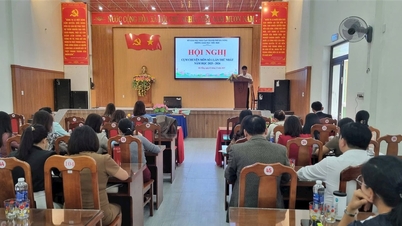
A conference is needed to discuss support for the 2025 high school graduation exam in the region.
During this school year, the Ministry of Education and Training could organize a special conference on the 2025 high school graduation exam for the northern mountainous region to assess the current situation, identify difficulties, allow provinces to share experiences, and find solutions to improve the quality of the high school graduation exam for the northern mountainous provinces in general, and for Ha Giang, Cao Bang, Dien Bien, Lai Chau, Hoa Binh, Yen Bai, Lao Cai, etc., in particular. The Ministry of Education and Training needs to support these provinces in building a question bank according to the new format for the 2025 high school graduation exam.

![[Photo] Prime Minister Pham Minh Chinh attends the Conference on the Implementation of Tasks for 2026 of the Industry and Trade Sector](/_next/image?url=https%3A%2F%2Fvphoto.vietnam.vn%2Fthumb%2F1200x675%2Fvietnam%2Fresource%2FIMAGE%2F2025%2F12%2F19%2F1766159500458_ndo_br_shared31-jpg.webp&w=3840&q=75)

























































































Comment (0)