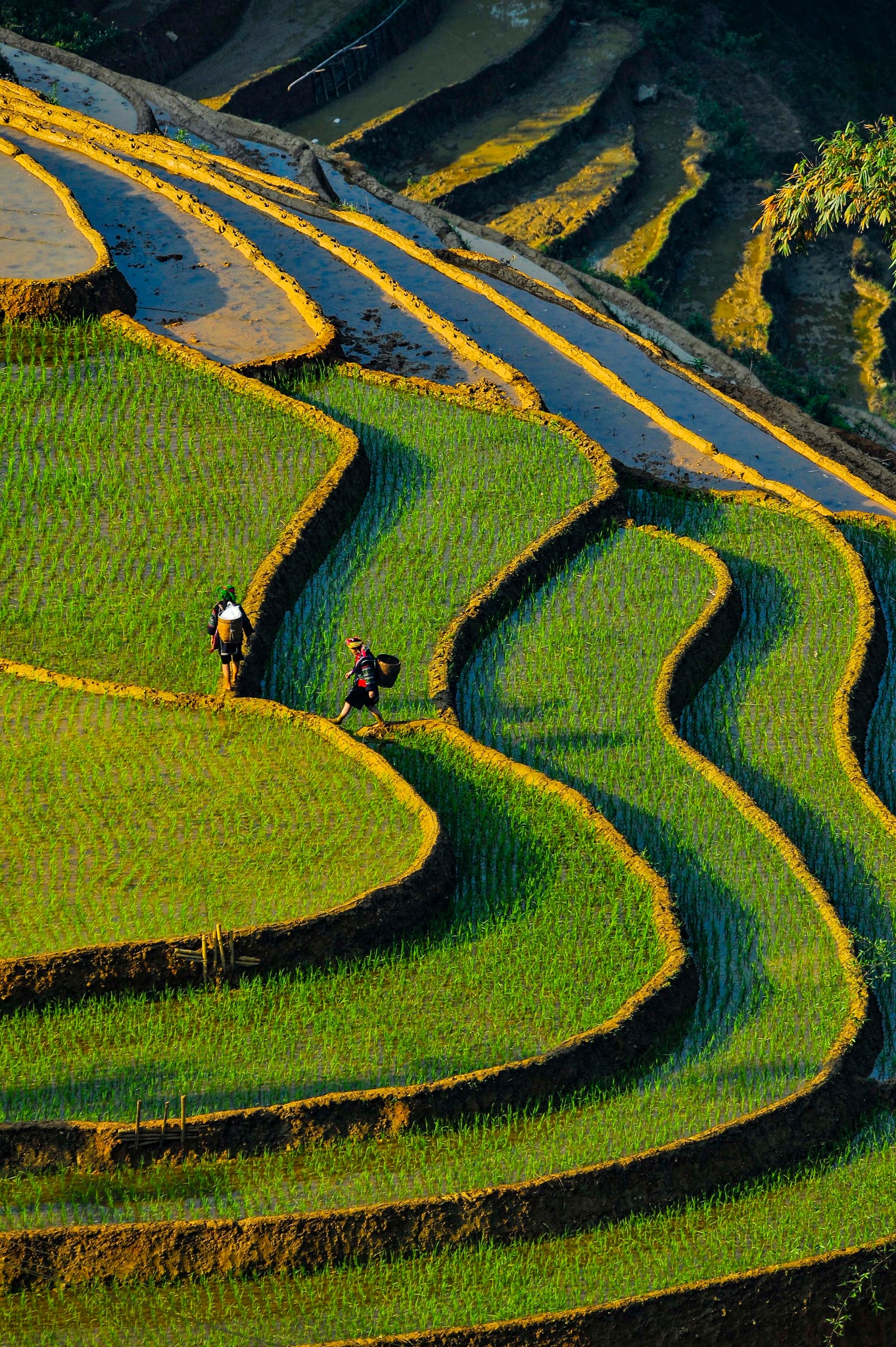
The water flowing from the upstream brings with it a new, colorful garment, the color of golden sunshine, the mirror-like surface of the water reflecting the sky, the vibrant green of young rice seedlings, and the scene of ethnic people diligently planting rice...
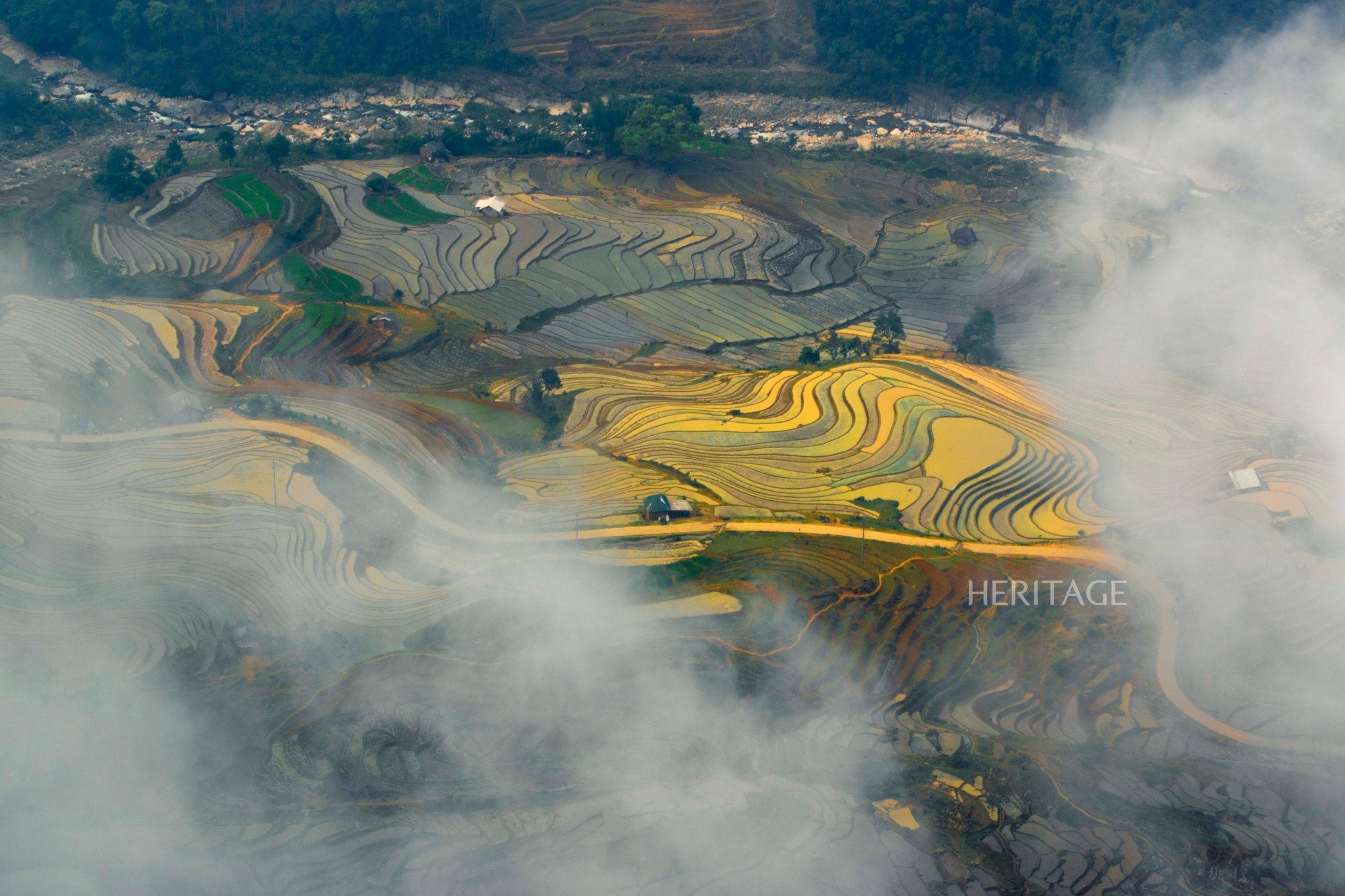
The Northwest region paints vivid natural landscapes, with its winding, layered curves and gentle slopes, beckoning the hearts of travelers and nature lovers to explore. If you've ever been moved by the golden rice fields during harvest season, you'll surely experience those same fresh emotions once again before the natural beauty of the rainy season.
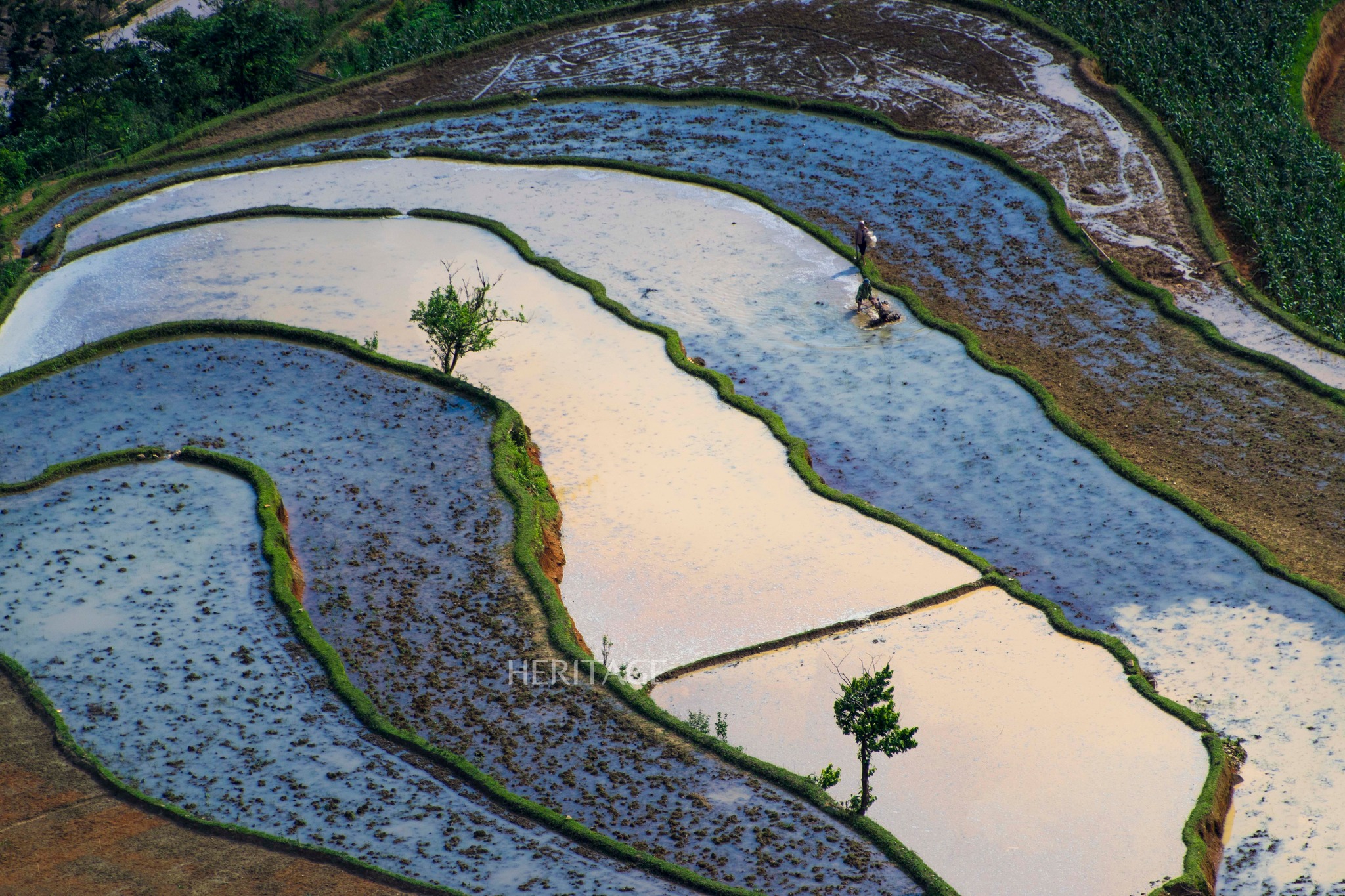
If you've ever been moved by the sight of golden rice fields during harvest season, then you'll surely experience those same fresh emotions once again amidst the beauty of nature during the rainy season.
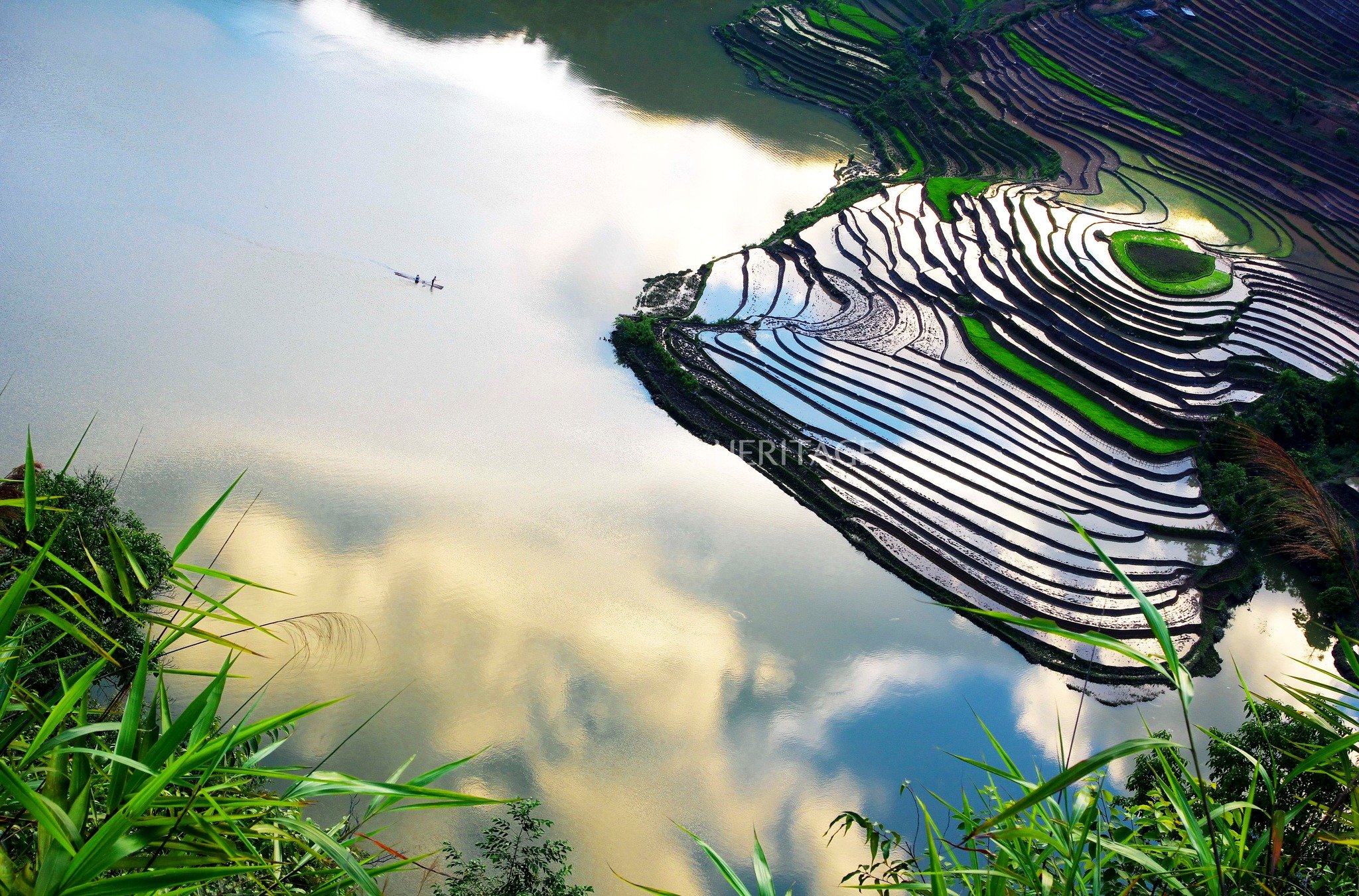
During the rainy season, the water overflows onto the terraced rice fields, creating vibrant and shimmering patches of color that leave many tourists in awe of this magnificent scenery.
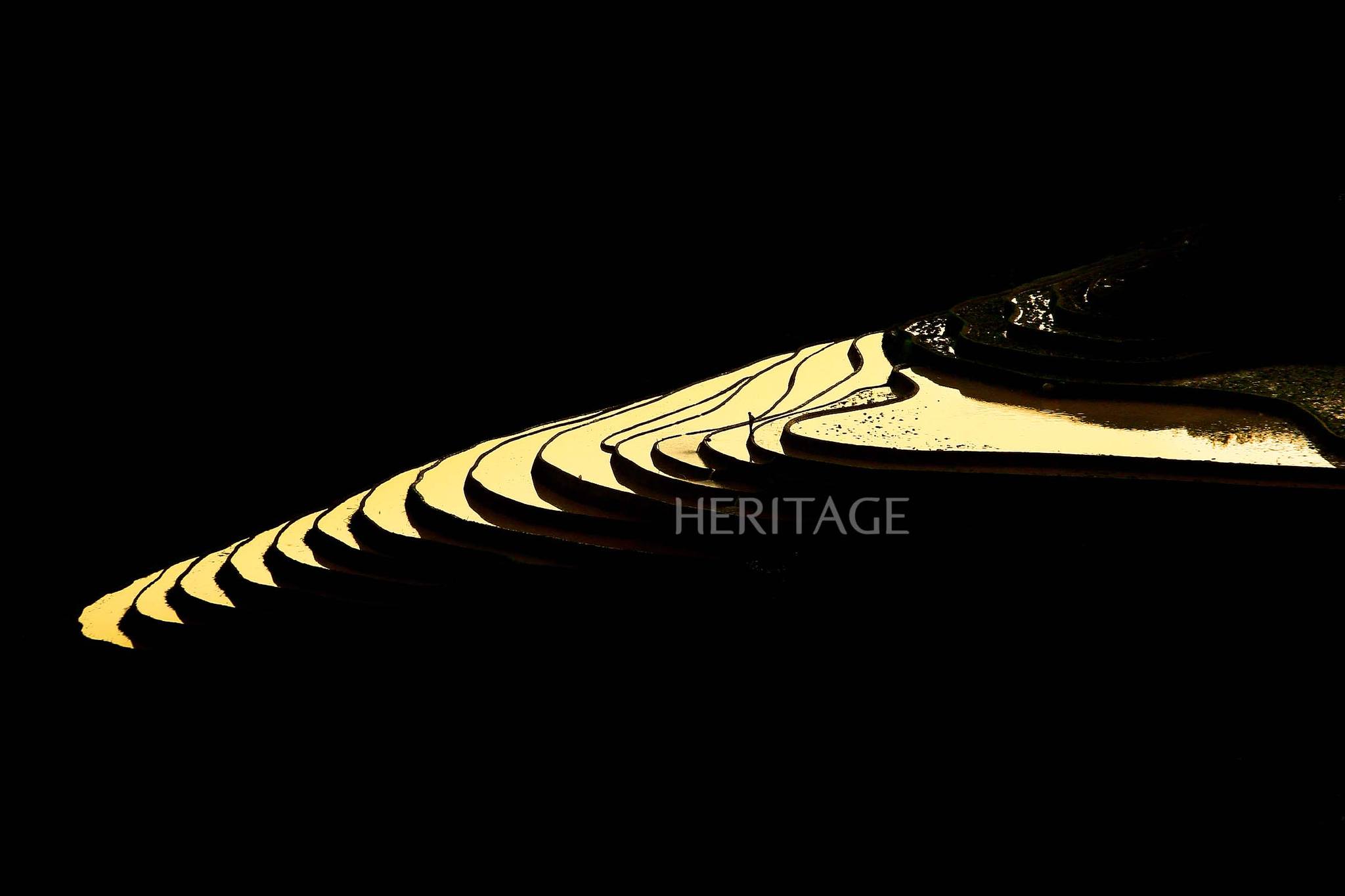
While the Mekong Delta has its flood season, the Northwest region offers a spectacular sight: the pouring water season. This season, also known as the irrigation season, is when water is brought to the terraced rice fields in preparation for planting, and is considered a crucial period for a bountiful harvest.
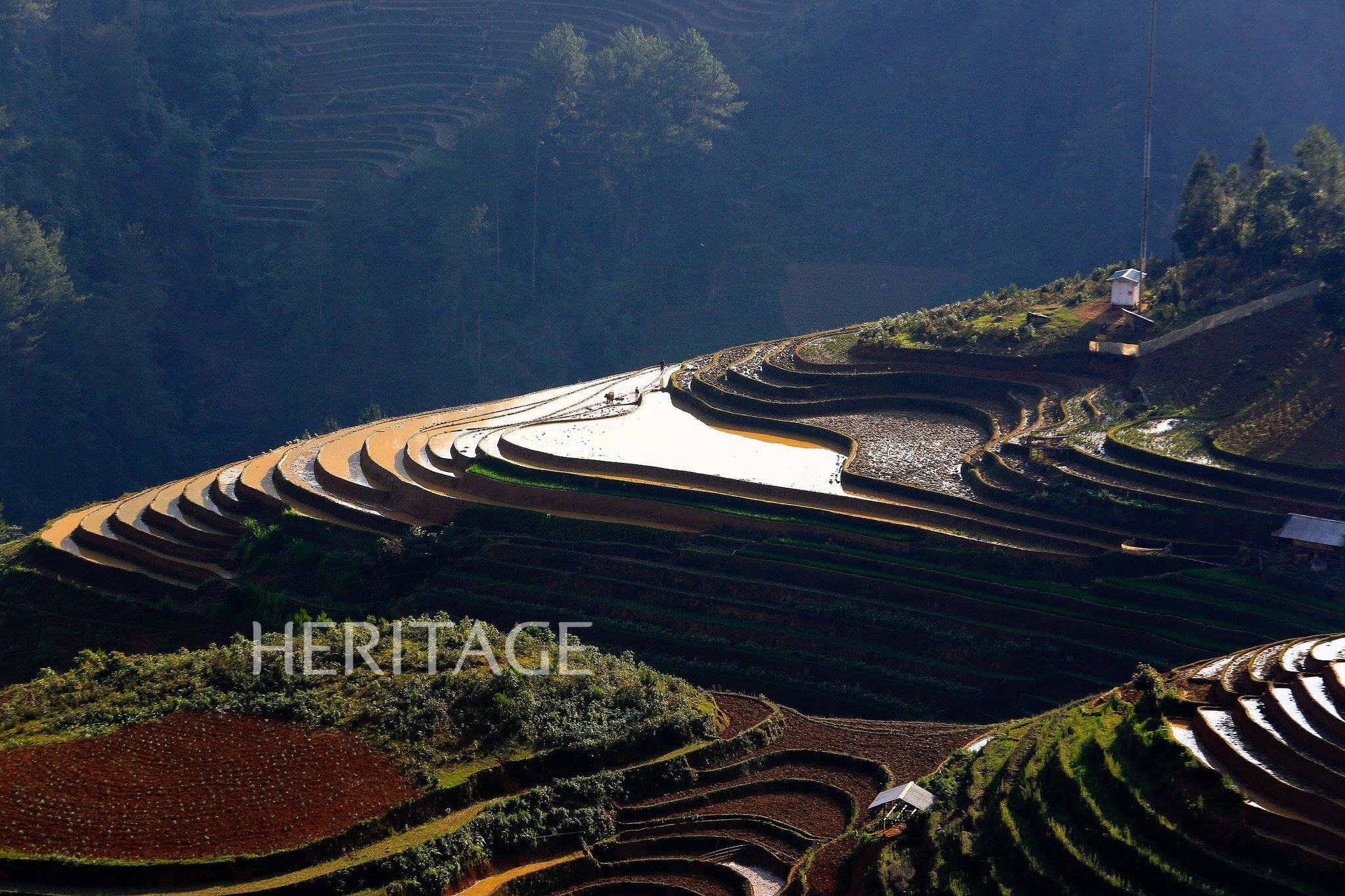
The terraced rice fields of the Northwest region have winding terrain and steep slopes, relying mainly on rainwater, making the task of bringing water to the fields a difficult one, requiring skill and diligence. Not only during the rice harvest season but also during the rainy season, these fields become a unique tourism product of the mountainous region, unlike anywhere else.
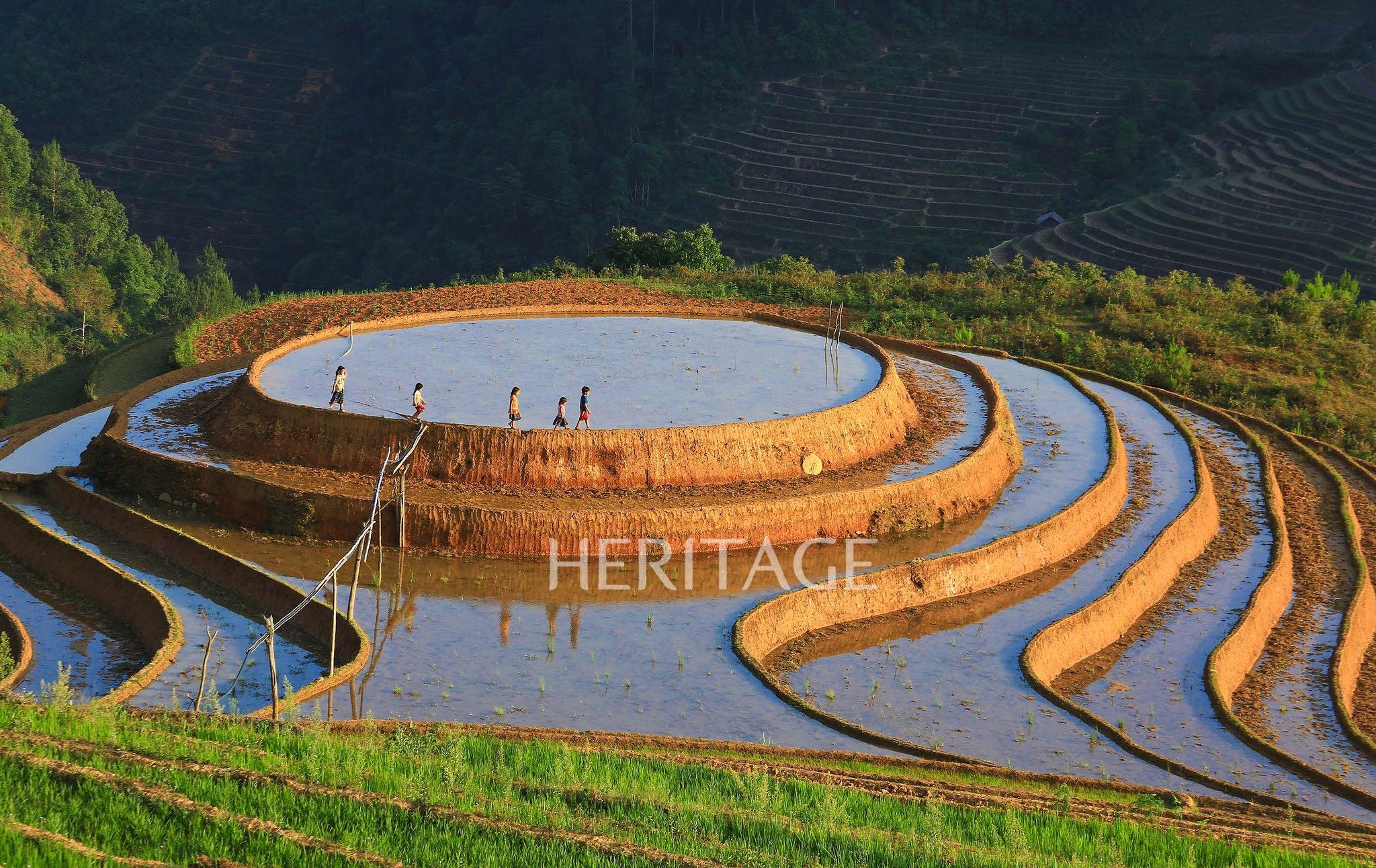
In the high mountainous regions of Northwest Vietnam, only one crop is typically grown per year. When the summer rains begin to fall, the ethnic minority communities start irrigating their fields.
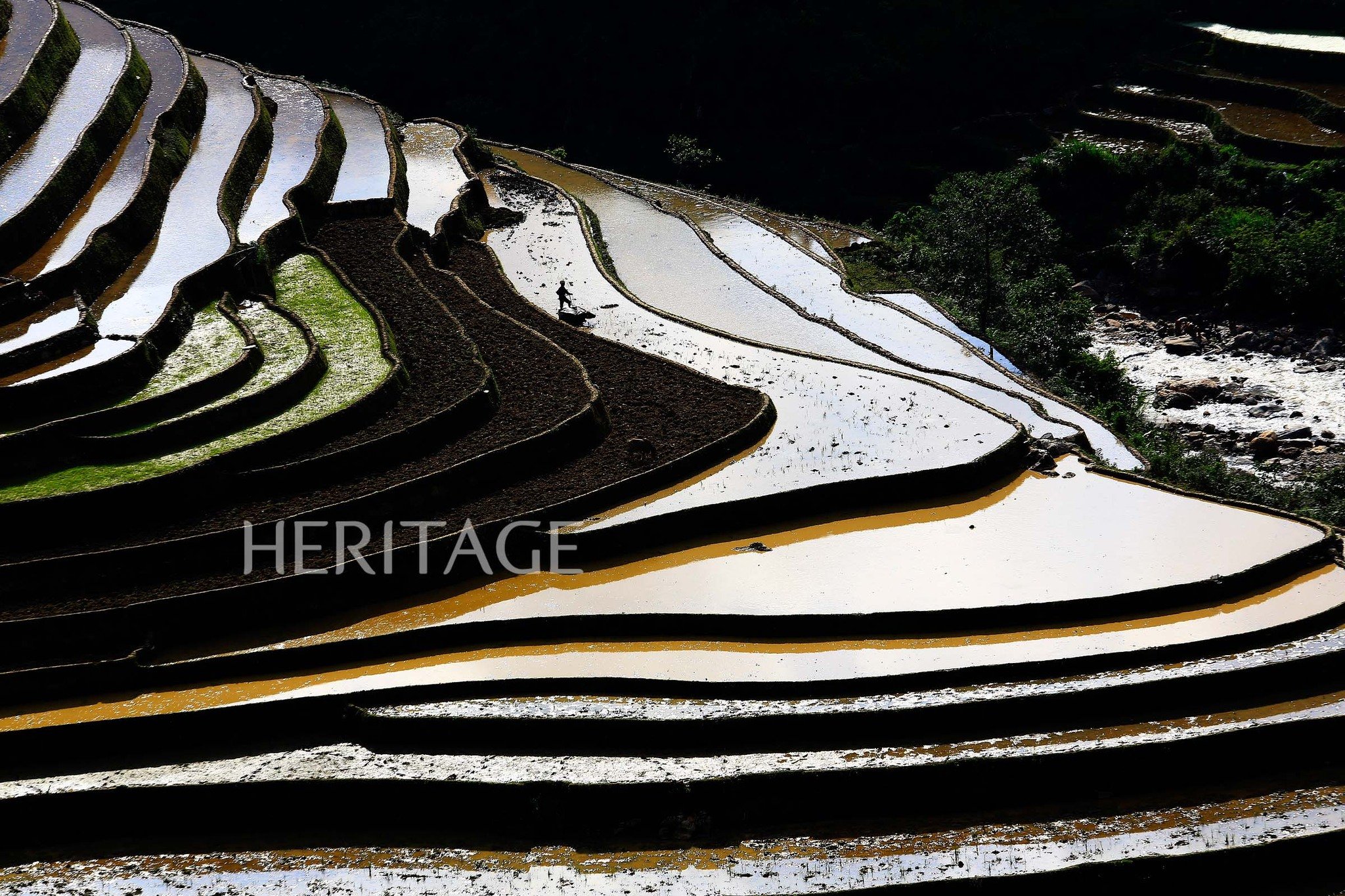
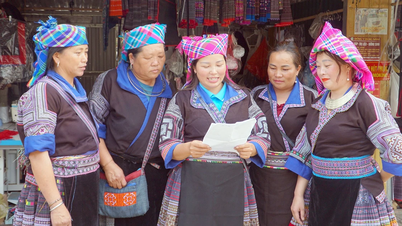
Amidst the majestic mountain scenery, we encounter terraced rice fields shimmering like mirrors, and the small, nimble figures of the highlanders diligently working under the vast sky. All of this creates a multi-dimensional, colorful landscape that is hard to look away from.
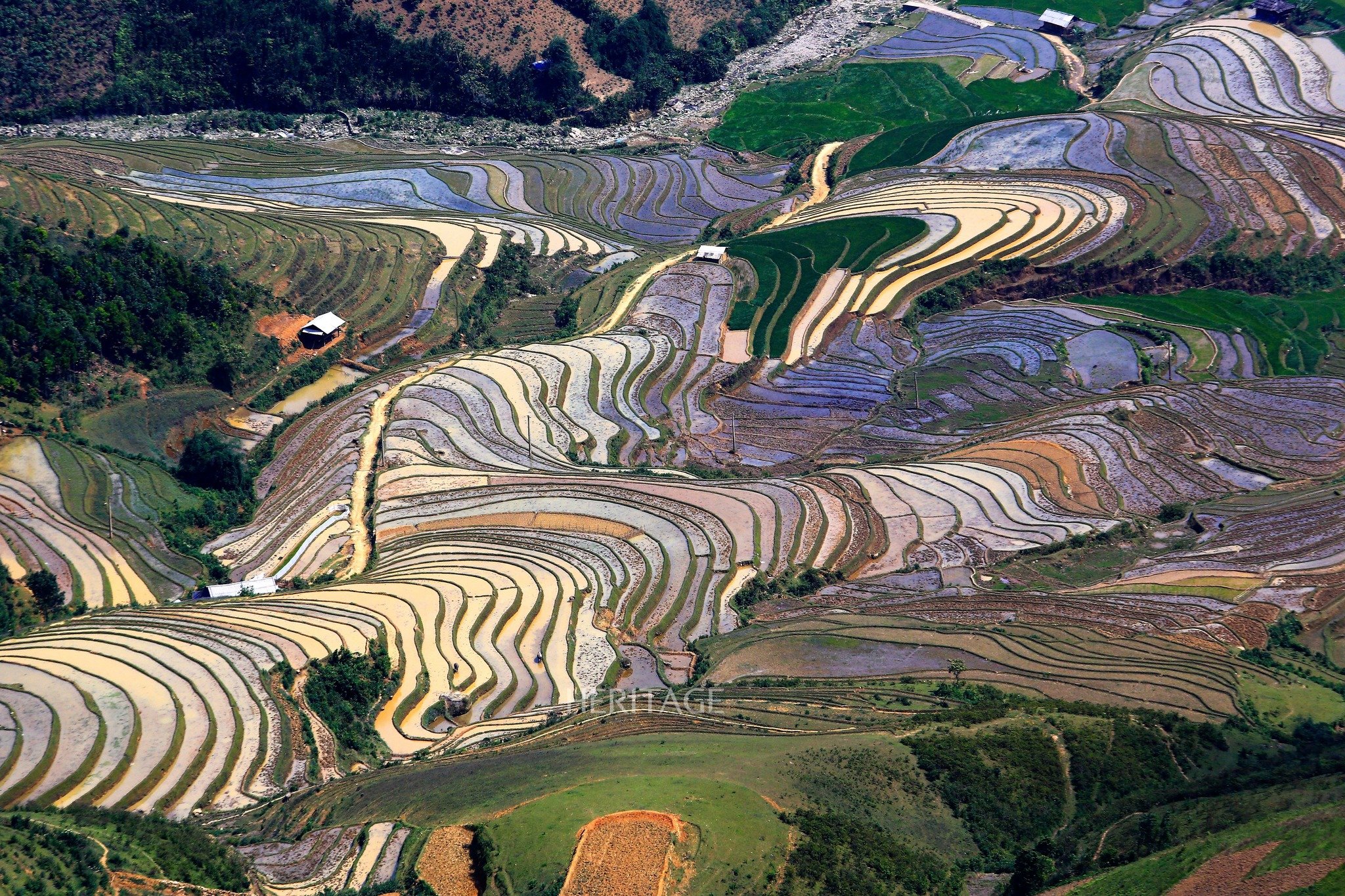
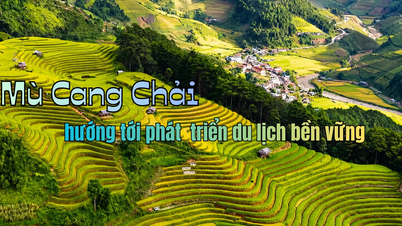
When you think of Mu Cang Chai, what usually comes to mind? It's the image of the stunning golden terraced rice fields during the harvest season. But few people know that Mu Cang Chai also has a breathtakingly beautiful rainy season with its fields overflowing with water.
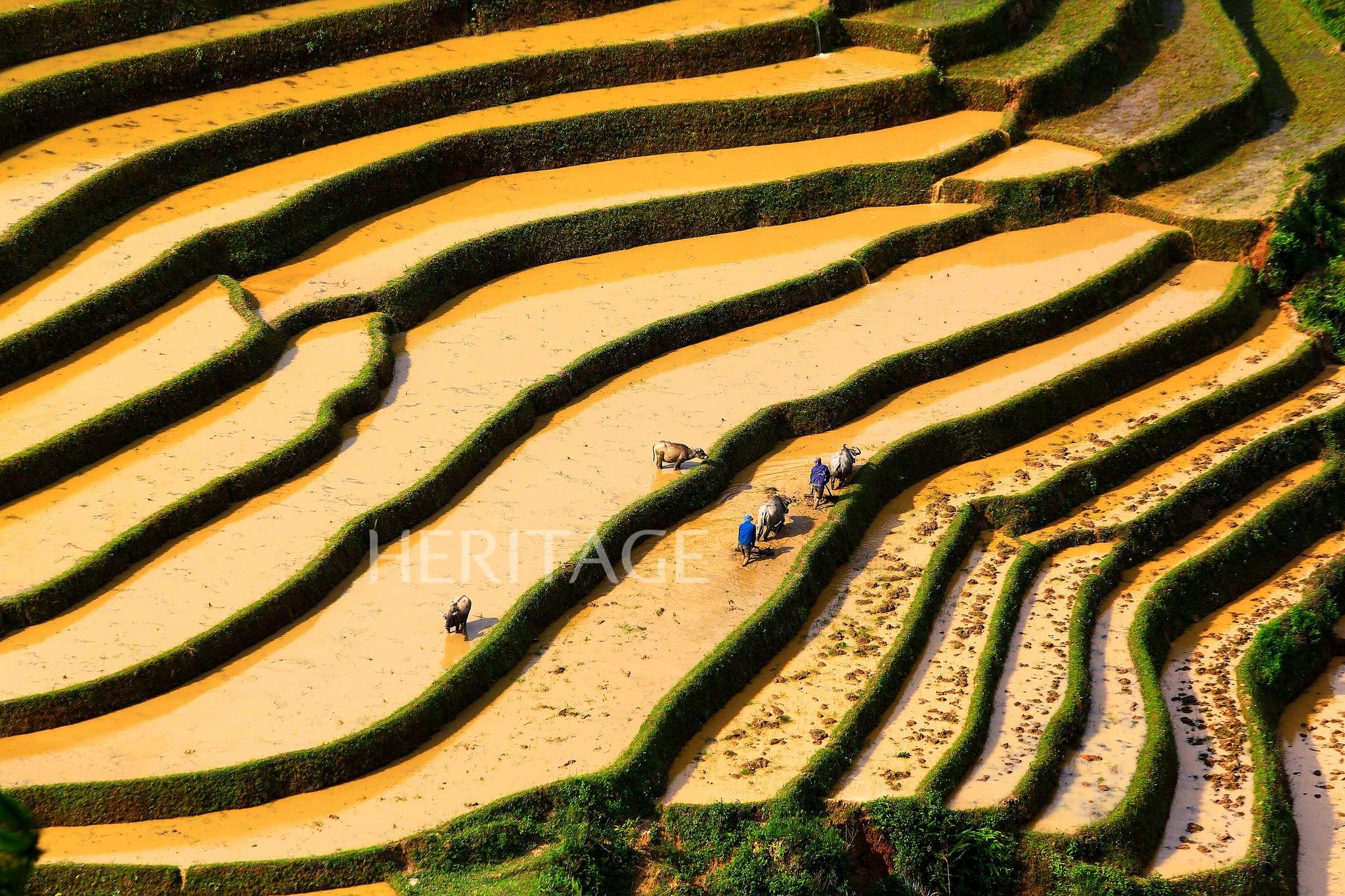
During the rainy season, Mu Cang Chai seems to burst with life; the terraced rice fields, glistening with water, are captivating and mysterious, as if they've donned a new, colorless cloak.
Terraced rice fields, formed and maintained over hundreds of years, represent a method of wet rice cultivation with techniques passed down through generations. They are a product of ingenuity, demonstrating the creativity of ethnic groups in mountainous regions in adapting to the climate, soil, and irrigation conditions.
Heritage Magazine







































































Comment (0)