

Implementing E10 bioethanol fuel nationwide.
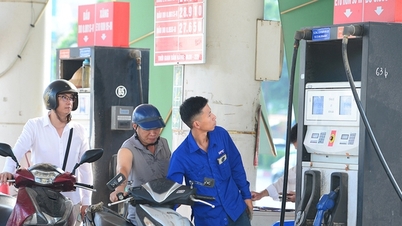
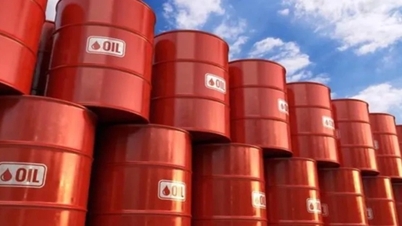
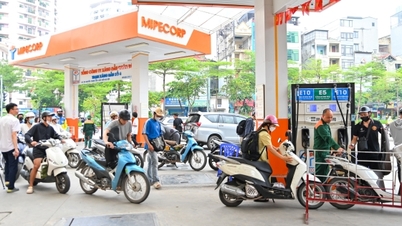
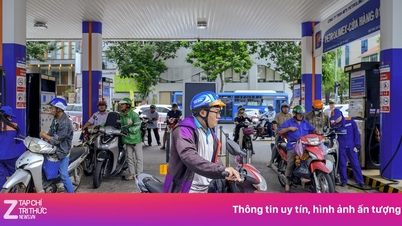
According to Circular No. 50/2025/TT-BCT dated November 7, 2025, which stipulates the roadmap for applying the blending ratio of biofuels with traditional fuels in Vietnam, the nationwide application of E10 gasoline will begin on June 1, 2026.
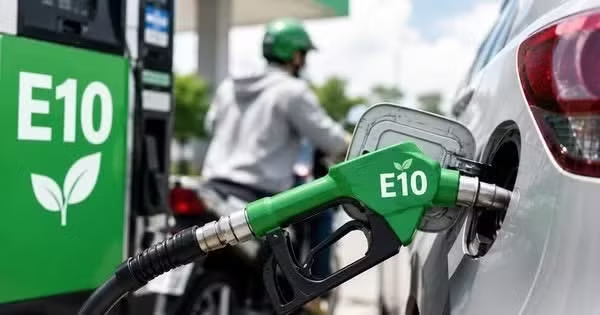
According to Clause 2 of Article 4 of Circular 50/2025/TT-BCT, the blending and mixing of E5RON92 gasoline for use in gasoline engines will continue until December 31, 2030. Therefore, in addition to E10 gasoline, E5RON92 gasoline will still be available on the market until the end of 2030.
New points regarding value-added tax.
The government has just issued Decree 144/2026/ND-CP dated May 5, 2026, amending and supplementing several regulations related to the Value Added Tax (VAT) Law, with many notable points directly impacting businesses, export activities, and the financial sector. The Decree takes effect from June 20, 2026.
One of the notable changes is the expansion of the VAT exemption category to include certain insurance services such as life insurance, health insurance, agricultural insurance, and insurance for fisheries exploitation, benefiting individuals and businesses.
A turning point in the development of billion-dollar Halal tourism and services.
The government has just issued Decree No. 127/2026/ND-CP regulating quality management and policies for the development of Halal products and services, effective from June 1, 2026.

The decree establishes a strict and transparent quality management framework through the standardization of testing, certification, labeling, and mandatory traceability. Synchronizing these standards helps remove technical barriers, protect the rights of Muslim consumers, and create a strong impetus for promoting international trade for Vietnamese export goods.
In particular, the accompanying economic support policy system is a key highlight. The government will provide one-time funding for Halal testing and certification costs for key export businesses, while also supporting resources for trade promotion in key Muslim markets and developing strategies for Halal tourism.
Tighten standards for mineral exports.
Circular No. 11/2026/TT-BXD of the Ministry of Construction, effective from June 1, 2026, stipulates strict regulations on the list, specifications, and technical indicators of construction materials that are permitted for export.
The core of the circular is the standardization of export quality. Minerals such as silica sand, paving stones, ornamental stones, kaolin, feldspar, etc., must all undergo deep processing (sorting, washing, drying, crushing, screening) and meet precise chemical content and geometric size requirements. This helps prevent the export of low-value raw resources, protects domestic mineral resources, and increases the export value for Vietnamese businesses.
Besides technical standards, the legal framework has also been tightened, requiring 100% of exported minerals to have a legal origin (from mining licenses or extraction permits)...
New regulations on penalties in the field of public asset management.
The Ministry of Finance has just issued Circular No. 45/2026/TT-BTC dated April 29, 2026, to amend and supplement regulations guiding the implementation of administrative sanctions in the field of public asset management. This Circular takes effect from June 15, 2026.
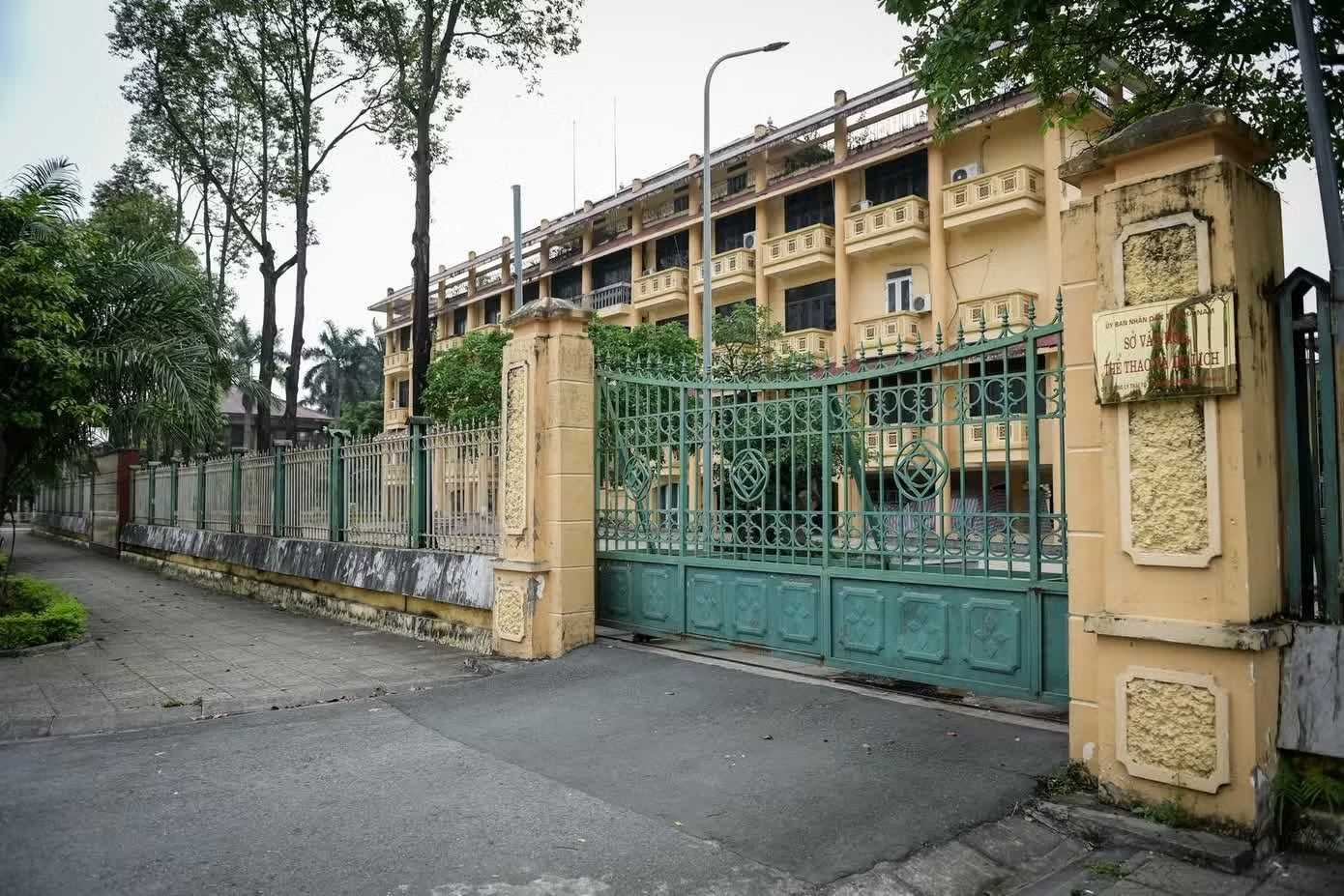
The supplementary circular clarifies how to determine the value of infringing assets as a basis for applying the penalty framework. Specifically, the asset value is calculated based on the remaining value in the accounting books; if this value is zero (=0), the asset value will be calculated at 20% of the original cost. For assets not yet recorded in the books, the authorities will base their calculations on records and documents to determine depreciation and amortization.
In cases where the above methods cannot be applied, the competent authority will establish a Valuation Council operating on the principle of collective decision-making. The Council must conduct surveys based on economic indicators such as market prices (wholesale, retail), prices set by local government agencies, or valuation certificates to arrive at the most accurate conclusions. This strict financial regulation helps optimize the recovery and handling of assets and prevent the loss of public assets.
New financial management mechanism for VNX and VSDC
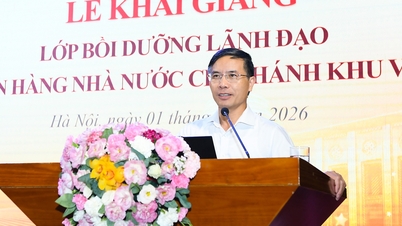
The government has just issued Decree No. 145/2026/ND-CP dated May 5, 2026, stipulating the financial management mechanism, evaluation, and classification of enterprises for the Vietnam Stock Exchange (VNX) and the Vietnam Securities Depository and Clearing Corporation (VSDC). The Decree takes effect from June 22, 2026, and applies starting from the 2026 fiscal year.
The new mechanism focuses on optimizing economic efficiency and increasing transparency in state capital flows. Regarding investment activities, both units are required to clearly identify risks, control conflicts of interest, and report to competent authorities before implementation. Revenue sources are clearly separated and strictly managed according to each specialized business segment. Notably, VSDC has been supplemented with revenue from custody services, settlement of greenhouse gas emission quota transactions, and carbon credits – a proactive step in the green economy trend.
Regarding the evaluation and ranking of enterprises, the mechanism allows for the exclusion of objective impacts from market fluctuations (such as the number of members, transaction volume, or changes in government policy) to accurately reflect core business performance. The Ministry of Finance acts as the representative owner, responsible for comprehensively monitoring investment capital flows in subsidiaries to prevent the loss of public assets.
Source: https://tienphong.vn/nhung-chinh-sach-kinh-te-co-hieu-luc-tu-thang-6-post1847909.tpo


![[Photo] Reception to welcome General Secretary and President To Lam and his wife on their State visit to the Philippines](https://vphoto.vietnam.vn/thumb/1200x675/vietnam/resource/IMAGE/2026/06/01/1780295488620_vna-potal-chieu-dai-chao-mung-tong-bi-thu-chu-tich-nuoc-to-lam-va-phu-nhan-tham-cap-nha-nuoc-toi-philippines-8798060-7855-jpg.webp)

![[Photo] General Secretary and President To Lam and the President of the Philippines hold talks.](https://vphoto.vietnam.vn/thumb/1200x675/vietnam/resource/IMAGE/2026/06/01/1780286997787_anh-man-hinh-2026-06-01-luc-11-09-43.png)



































































Comment (0)