

According to the report assessing the implementation of the Land Law and proposed amendments submitted by the Ho Chi Minh City People's Committee to the Ministry of Agriculture and Environment , the locality has issued 2 resolutions and 23 decisions to concretize the assigned contents under the 2024 Land Law and its implementing decrees. The city has also accelerated the digitization of land data, aiming to complete the synchronization of 100% of land data with the national database by January 2026. Simultaneously, by the end of the first quarter of 2026, the total number of administrative procedures related to land received reached over 226,200, with nearly 180,000 resolved.
One of the first shortcomings is the area of compensation, support, and resettlement when the State reclaims land. According to the Ho Chi Minh City People's Committee, there is currently an inconsistency between the 2024 Land Law and the 2024 Road Law regarding compensation and relocation of technical infrastructure works located within the protected area of transportation infrastructure.
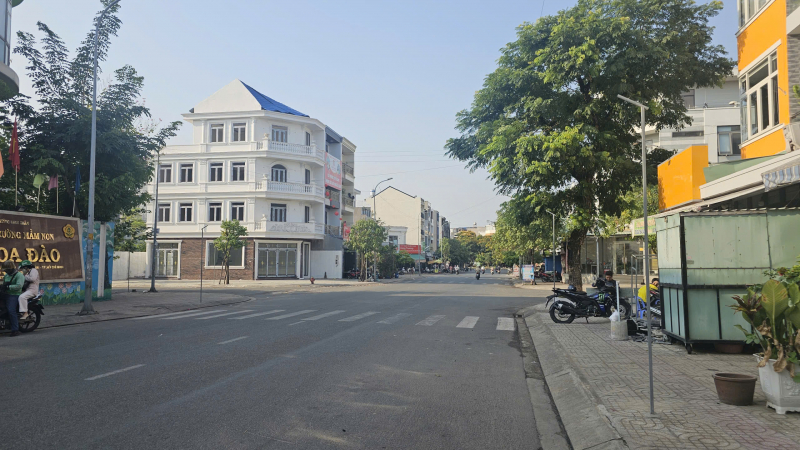
In reality, many power, telecommunications, information technology, and water supply and drainage projects are highly specialized. When included in the current general compensation plan, the compensation unit lacks the expertise to handle them, leading to lengthy processes and numerous additional procedures.
Another obstacle is defining "individuals directly engaged in agricultural production." According to current regulations, those eligible for vocational training and job retraining support after land expropriation must have income from agricultural production. However, the criteria for "having income" currently lack specific guidelines on how to determine, which agency is responsible for verification, or the assessment method. This leads to confusion in application across many localities, potentially resulting in complaints and disputes.
In land acquisition, a complex legal situation has arisen: land users can still exercise their rights to transfer, donate, or inherit land even after a land acquisition notice has been issued but before an official acquisition decision has been made. This leads to difficulties and confusion in the implementation process; it also poses a potential risk of complaints and disputes in practice, requiring research and unified guidance.
To address these difficulties, Ho Chi Minh City has put forward several notable amendment proposals. The city proposes separating the compensation, support, and relocation plan for technical infrastructure from the general compensation plan to create a separate plan. This is because technical infrastructure projects have specialized characteristics and require a unit with sufficient professional capacity to participate in the preparation, appraisal, and implementation.
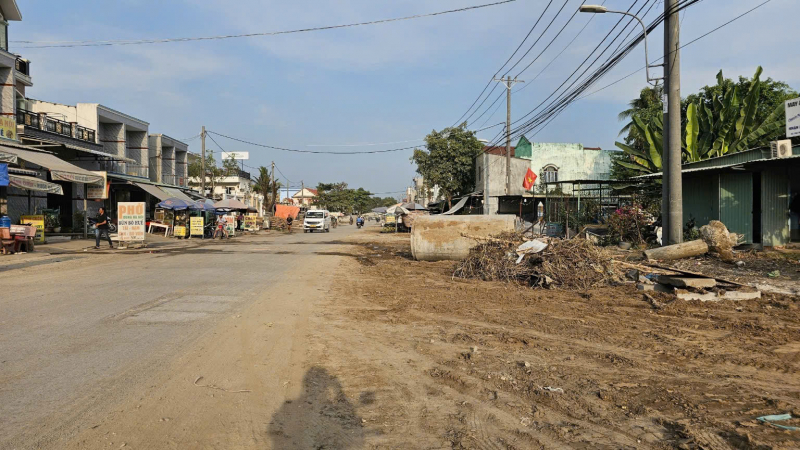
Regarding the regulation defining "individuals directly engaged in agricultural production," instead of requiring proof of income from agricultural production, the city proposes excluding only certain groups such as officials, civil servants, pensioners, and employees with stable salaries. Adopting this approach would reduce verification time, limit disputes, and expedite compensation and land clearance.
Notably, Ho Chi Minh City also proposed adding authority to the Ho Chi Minh City People's Council to decide on specific policies regarding compensation, support, and resettlement for large-scale projects affecting local communities.
One of the issues receiving much attention is the handling of land owned by state-owned enterprises after privatization. In reality, over the years, this has proven to be a complex and protracted problem with a significant impact on the real estate market and land resources.
According to a report from Ho Chi Minh City, thousands of land plots are currently unusable due to the lack of land use plans or plans that do not comply with legal regulations. Many plots that were once used for factories and warehouses are no longer suitable for planning purposes, but their use cannot be changed. As a result, land is "frozen," businesses cannot implement projects, and the State cannot generate revenue.
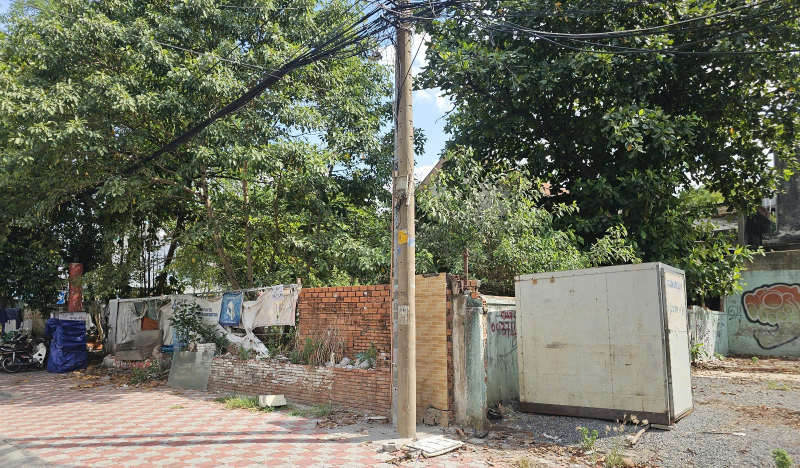
To address this, the city proposed adding a separate provision for handling equitized enterprises during the 2007-2021 period that do not yet have an approved land use plan. Accordingly, enterprises would be allowed to review, declare, and propose a new land use plan within 24 months from the effective date of the amended law.
For land that conforms to planning regulations, businesses have the option of being allocated or leased the land and fulfilling their financial obligations as prescribed. If the land does not conform to planning regulations or is no longer needed, the State will reclaim it. This ensures the principle of managing public assets while unlocking resources that have been stagnant for many years. Because if this group of land is resolved, land resources will be returned to the development cycle, creating significant room for urban economic growth.
Source: https://cand.com.vn/Xa-hoi/nhung-de-xuat-thao-go-kho-khan-trong-thi-hanh-luat-dat-dai-i805115/
![[Image] Pleasant weather helps students enter the 10th grade entrance exam with confidence.](https://vphoto.vietnam.vn/thumb/1200x675/vietnam/resource/IMAGE/2026/05/29/1780034401612_ngay-1-thi-lop-10-minh-duy-8-5009-jpg.webp)



![[Photo] Ba Lang An Lighthouse - the "eye of the sea" amidst the "rock museum" of Quang Ngai province.](https://vphoto.vietnam.vn/thumb/1200x675/vietnam/resource/IMAGE/2026/05/29/1780038698840_anh-man-hinh-2026-05-29-luc-14-10-42.png)









































































Comment (0)