

Eating plenty of seafood, exercising regularly, practicing meditation... will help keep the brain sharp and healthy, and prevent age-related diseases.
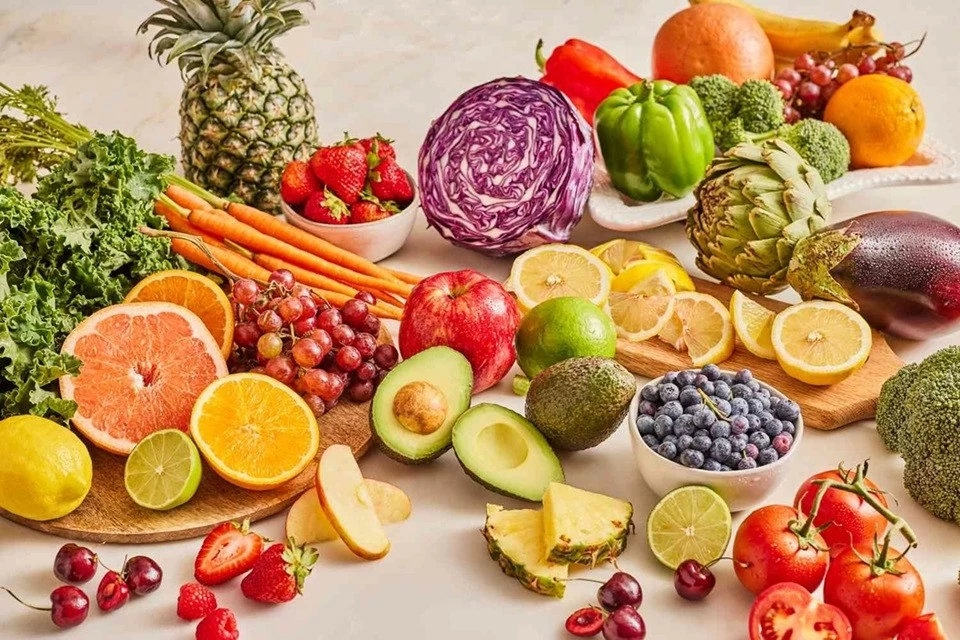 |
| Increasing your intake of fruits and vegetables can help protect your brain from oxidative damage. (Source: Getty Images) |
Eat plenty of seafood.
Fish and shellfish provide many nutrients, including the omega-3 fatty acid DHA, which promotes brain function, supports improved memory and cognition in adults, and helps with better eye and brain development in children.
Therefore, you should eat 2-3 servings of seafood (4 ounces, about 113g) per week. Fatty fish such as salmon, tuna, sardines, and mackerel are quite rich in omega-3s.
If you don't eat fish, you can get omega-3s from chia seeds, flax seeds, hemp seeds, and walnuts.
However, because omega-3s are plant-based and in the form of alpha linoleic acid (ALA), which the body then has to convert to DHA, you need to eat these foods more frequently to get the same benefits as eating seafood.
Exercise regularly
Exercise, and especially outdoor activities in nature, helps develop new nerve cells and is beneficial for the survival of existing nerve cells, while also playing a role in learning, memory, and cognitive development.
Exercise not only improves your brain function but also prevents several diseases such as dementia, Alzheimer's, and Parkinson's.
Exercise is also associated with improved mood, reduced anxiety, and decreased depression. This activity affects the endocannabinoid system, which helps regulate a range of psychological and physiological functions.
To reap the benefits of exercise, try to move your body for about 30 minutes most days. This could be walking, dancing, or gardening.
Meditation
We know that meditation can be an effective stress-reduction method for many people, but the benefits of meditation for the brain extend far beyond stress management. Through four meditation sessions, you can improve your learning ability, memory, concentration, and many other benefits.
Kelly Page, a health coach and meditation teacher in the US, says: "We have 60,000 to 80,000 thoughts a day. It's easy to get lost in them and completely lose sight of what's in front of you."
Research indicates that practicing meditation regularly can reduce the amygdala in your brain, the area that stores fear and anxiety.
So if you're looking for a bit more clarity and calmness, try meditation."
Fill the plate with colorful foods.
One of the best ways to consume more antioxidants is to increase your intake of fruits and vegetables. Antioxidants have been shown to protect the brain from oxidative damage.
One of the top delicious foods for brain health is wild blueberries. Not only do they have twice the amount of health-beneficial antioxidants compared to regular blueberries, but regular consumption has been shown to improve memory and slow brain aging in adults. They also help improve mood and reduce depression in some teenagers.
A study in the European Journal of Nutrition found that older adults who added wild blueberries to their daily diet for three months made fewer errors on memory tests.
Beetroot is also notable for its ability to help increase blood flow to the brain, contributing to a healthy and sharp mind.
Prioritize mental and emotional health.
Self-care plays a crucial role in your brain health, especially as we age. Happier people tend to have healthier brains in old age.
Self-care can seem different to each person and may vary depending on the stage of life you are in.
Simple actions like going outside for fresh air every day, practicing deep breathing exercises, using time off from work, and socializing with friends in person are a great start.
Source: https://baoquocte.vn/nhung-viec-nen-lam-de-duy-tri-suc-khoe-nao-bo-281300.html

![[Photo] First session of the 14th Congress of the Vietnam Trade Union](https://vphoto.vietnam.vn/thumb/1200x675/vietnam/resource/IMAGE/2026/06/03/1780465947883_ndo_br_img-3852-jpg.webp)

![[Photo] General Secretary and President To Lam presides over a meeting with the Central Organizing Committee.](https://vphoto.vietnam.vn/thumb/1200x675/vietnam/resource/IMAGE/2026/06/03/1780482764658_a1-bnd-4741-3342-jpg.webp)
![[Photo] Secretary of the National Assembly Party Committee, Chairman of the National Assembly presides over the meeting of the Standing Committee and Executive Committee of the National Assembly Party Committee.](https://vphoto.vietnam.vn/thumb/1200x675/vietnam/resource/IMAGE/2026/06/03/1780480353201_ndo_br_bnd-2585-jpg.webp)























































![[Video] Sunset at Lap An Lagoon – Where the sun sets over the fishing nets](https://vphoto.vietnam.vn/thumb/1200x675/vietnam/resource/IMAGE/2026/05/31/1780192137701_beach-landscape-sea-water-nature-grass-745871-pxhere-com.jpeg)




































Comment (0)