

Over the past period, ministries, sectors, and localities have actively and diligently implemented the tasks outlined in Resolution 57-NQ/TW. As of September 23rd, ministries, sectors, and localities have focused on four main pillars: creating a synchronized ecosystem for development, establishing a conducive legal environment, building a solid infrastructure and data foundation, and promoting digital transformation and the development of an innovation ecosystem.
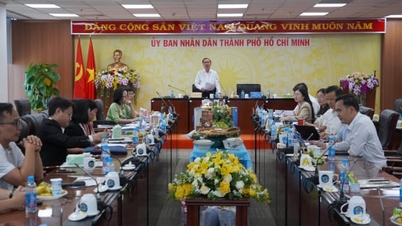
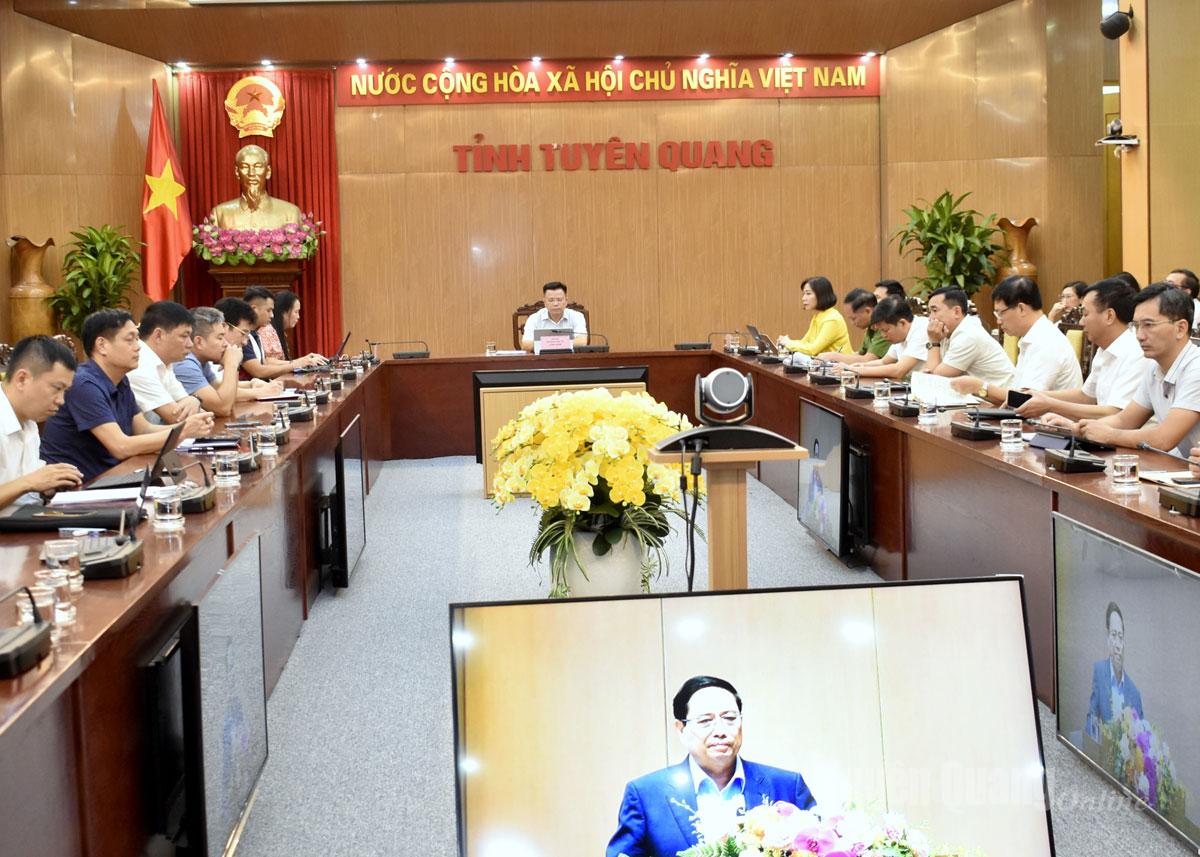 |
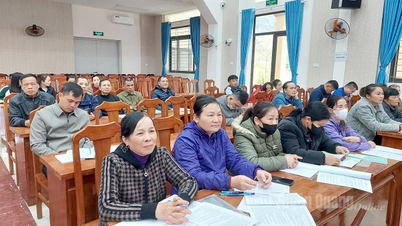
| Delegates attending the meeting at the Tuyen Quang province location. |
From July 1st to August 28th alone, the National Public Service Portal received 7.5 million applications and processed 2.6 million online payment transactions worth 1.5 trillion VND. The deployment of VNeID has reached over 65 million accounts and integrated 48 utilities, expanding the strategic communication channel between citizens and the government. Alongside this, digital infrastructure has made significant progress, with Vietnam's mobile and fixed-line internet speeds ranking 18th and 13th globally , respectively. Many localities prioritize investment in upgrading infrastructure at the commune level and effectively operate Public Administrative Service Centers, ensuring convenient and smooth service for citizens.
In Tuyen Quang province, 95.57% of administrative procedures are now conducted online, and the community-based digital technology team is proving effective. However, the province still faces challenges regarding telecommunications infrastructure, equipment, data interoperability, and technological human resources. The province requests continued support from the Government in terms of mechanisms, resources, training, and ensuring data interoperability to successfully achieve its digital transformation goals.
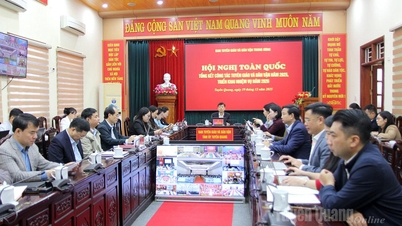
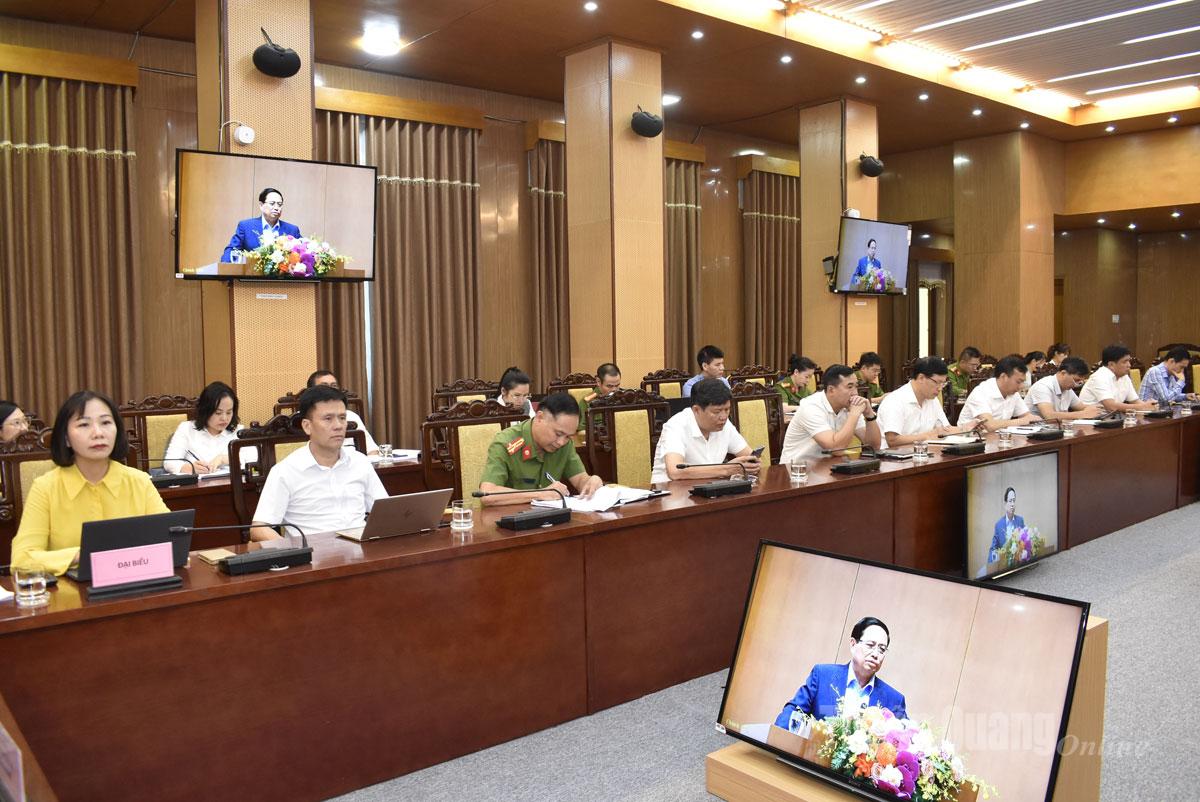 |
| Delegates attending the meeting at the Tuyen Quang province venue. |
At the meeting, delegates focused on discussing and analyzing achievements, identifying shortcomings, especially bottlenecks in infrastructure and online public services. They also proposed solutions to address these issues, such as: promoting research and commercialization of key technologies like artificial intelligence, semiconductors, and new materials; emphasizing training and improving digital skills for officials; encouraging innovation and sustainable development of the digital economy and society, creating a foundation for the 2026-2030 period. In particular, ministries, sectors, and localities are determined to implement 459 tasks related to science, technology development, innovation, and digital transformation in the remaining months of 2025, including 96 tasks with a completion deadline in September 2025.
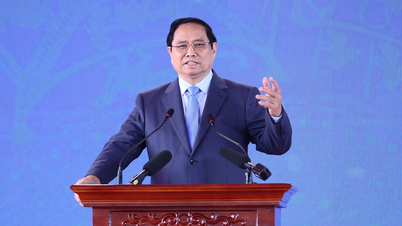
Concluding the meeting, Prime Minister Pham Minh Chinh emphasized that in the remaining months of the year, ministries, sectors, and localities must strive to overcome the large volume of work. Therefore, the highest requirement is decisive and synchronized action from the central to the grassroots level, especially promoting the responsibility of the leaders. The Prime Minister requested that ministries, sectors, and localities continue to focus on building and perfecting institutions, removing legal bottlenecks, and prioritizing resources for strategic projects. At the same time, they should promote research and commercialization of key technologies such as AI, semiconductors, new materials, and effectively implement online public services, develop digital infrastructure and the national data ecosystem. Simultaneously, attention should be paid to training and improving digital skills for officials, civil servants, and workers, encouraging innovation, promoting a sustainable digital economy and digital society, and creating a solid foundation for the new development phase from 2026 to 2030.
Ly Thinh
Source: https://baotuyenquang.com.vn/thoi-su-chinh-polit/tin-tuc/202509/no-luc-uu-tien-nguon-luc-phat-trien-khoa-hoc-cong-nghe-doi-moi-sang-tao-chuyen-doi-so-va-de-an-06-4a7391e/
![[Photo] Prime Minister Pham Minh Chinh attends the Conference on the Implementation of Tasks for 2026 of the Industry and Trade Sector](/_next/image?url=https%3A%2F%2Fvphoto.vietnam.vn%2Fthumb%2F1200x675%2Fvietnam%2Fresource%2FIMAGE%2F2025%2F12%2F19%2F1766159500458_ndo_br_shared31-jpg.webp&w=3840&q=75)
























































































Comment (0)