

Reluctantly accepting the losses.
Farmers are the ones who directly invest in buying fertilizers to care for their crops. In reality, some farmers have had to suffer losses due to poor-quality fertilizers.
Ms. Nguyen Thi Hoai, from Nghia Trung ward, Gia Nghia city, shared that her family has 5 sao (approximately 0.5 hectares) of land planted with coffee and pepper for over 20 years. Previously, she often bought fertilizer from dealers. Sometimes, due to financial difficulties, she had to buy fertilizer on credit, only paying at the end of the harvest season when she had the money.
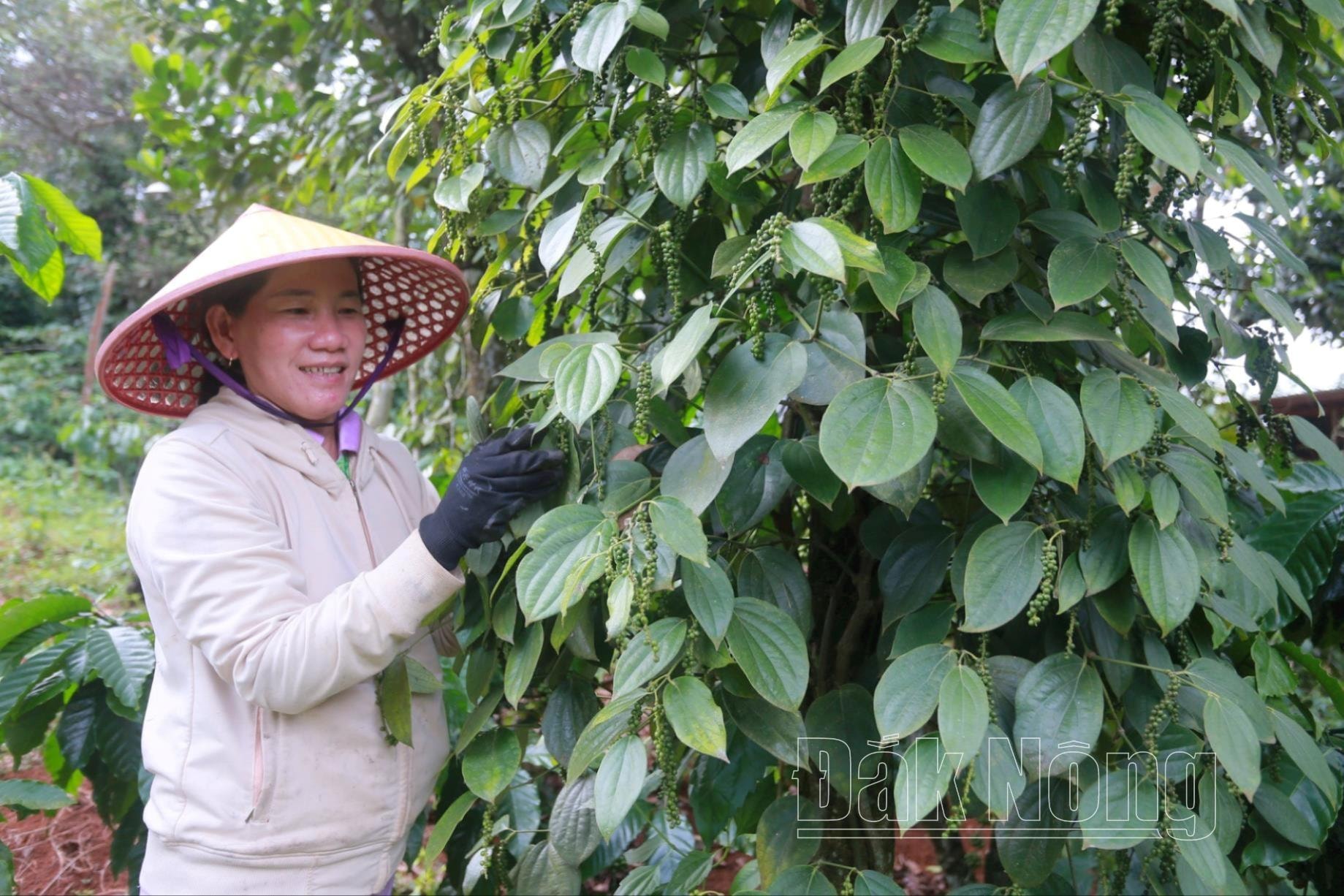
“Whenever I have the money to pay immediately when buying fertilizer, the plants grow well. However, there are times when I don't have money and have to buy on credit. They sell me fertilizers that look the same on the packaging as before, but when I apply them to the plants, they don't grow well. Sometimes, during the rainy season, I use fertilizer for coffee and pepper plants for a whole month, but it dissolves very little, or doesn't dissolve at all. At those times, I suspect the fertilizer is fake or of poor quality, but it's difficult to say for sure because I lack the knowledge. I just have to accept the loss,” Ms. Hoai recounted.
The frustration of farmers like Ms. Hoai over the quality of fertilizer is also a common problem for many others. Ms. Vu Thi Nguyet, from Dak R'moan commune, Gia Nghia city, shared that a few years ago she bought several tons of fertilizer to fertilize her coffee plants. Despite watering frequently, the fertilizer didn't dissolve. As a result, the plants didn't thrive but instead turned yellow. The soil around the base of the coffee plants became dry and hard.
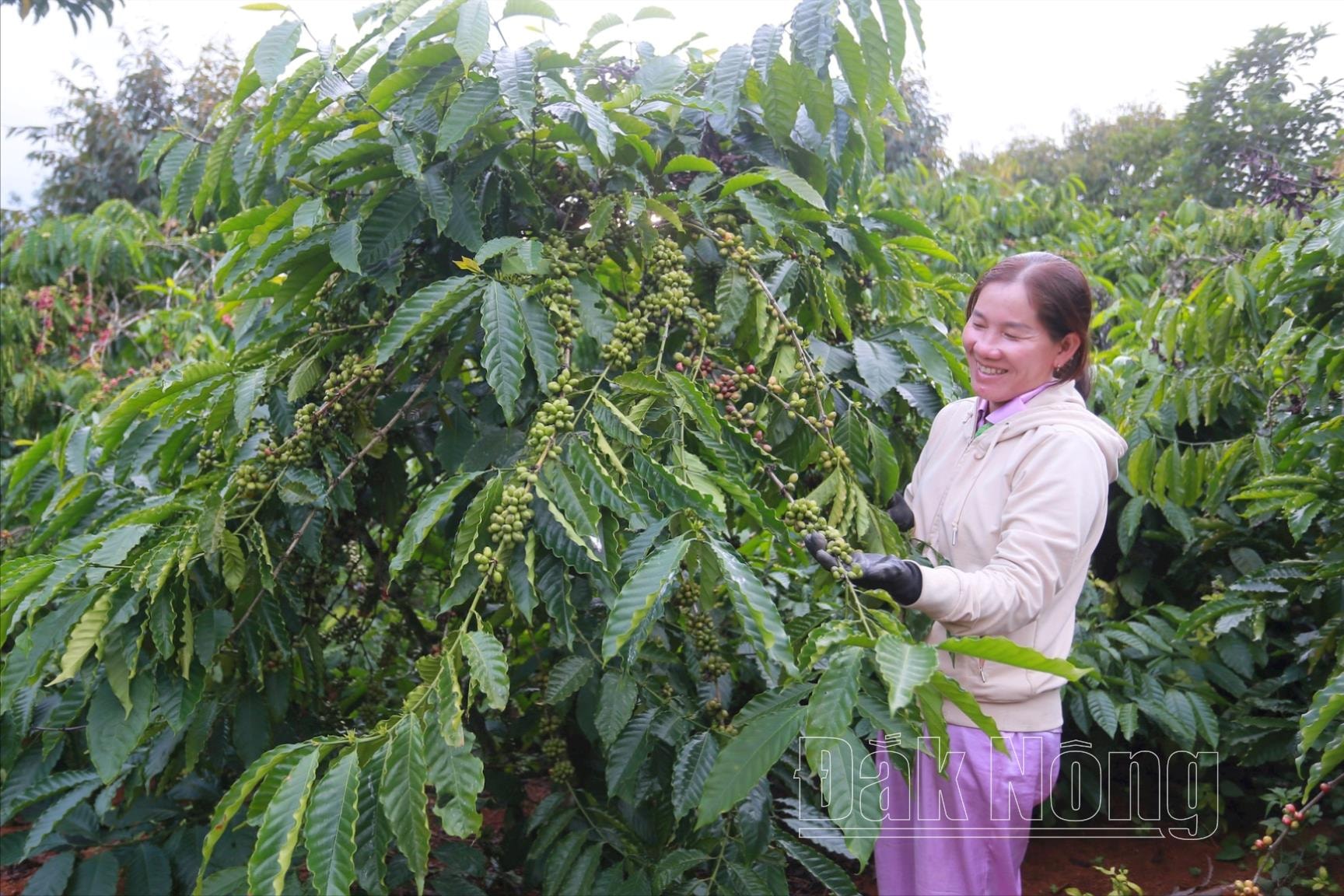
"Farmers have limited knowledge, so I wasn't sure if it was due to the fertilizer or something else. Besides, I couldn't afford to have the fertilizer tested. I also didn't think about reporting it to the authorities, so I just ignored it. At that time, I just had to accept the loss and learn from the experience for next time," Ms. Nguyet shared.
According to farmers, most low-quality fertilizers often have unclear information on their packaging, such as ingredients, content, quality certificates, addresses, and phone numbers.
These types of fertilizers are often sold on the market at lower prices than genuine products. They easily attract the attention of farmers, especially those with low incomes.
In agricultural production, fertilizers play a vital role in increasing crop yields and product quality. Substandard fertilizers seriously affect crops and products, the health of producers and consumers, as well as the environment (soil, water, air, etc.).
However, not all farmers have enough information and knowledge to distinguish between quality fertilizers and poor-quality, harmful fertilizers.
Farmers need to equip themselves with knowledge and proactively fight against challenges.
Farmers play a crucial role as an information channel for detecting and, together with authorities, preventing the use of substandard fertilizers. Therefore, farmers need to have their awareness and knowledge about how to identify quality fertilizers improved.
Over the years, the Dak Nong Farmers' Association has actively coordinated with specialized agencies to promote awareness and provide knowledge to farmers.
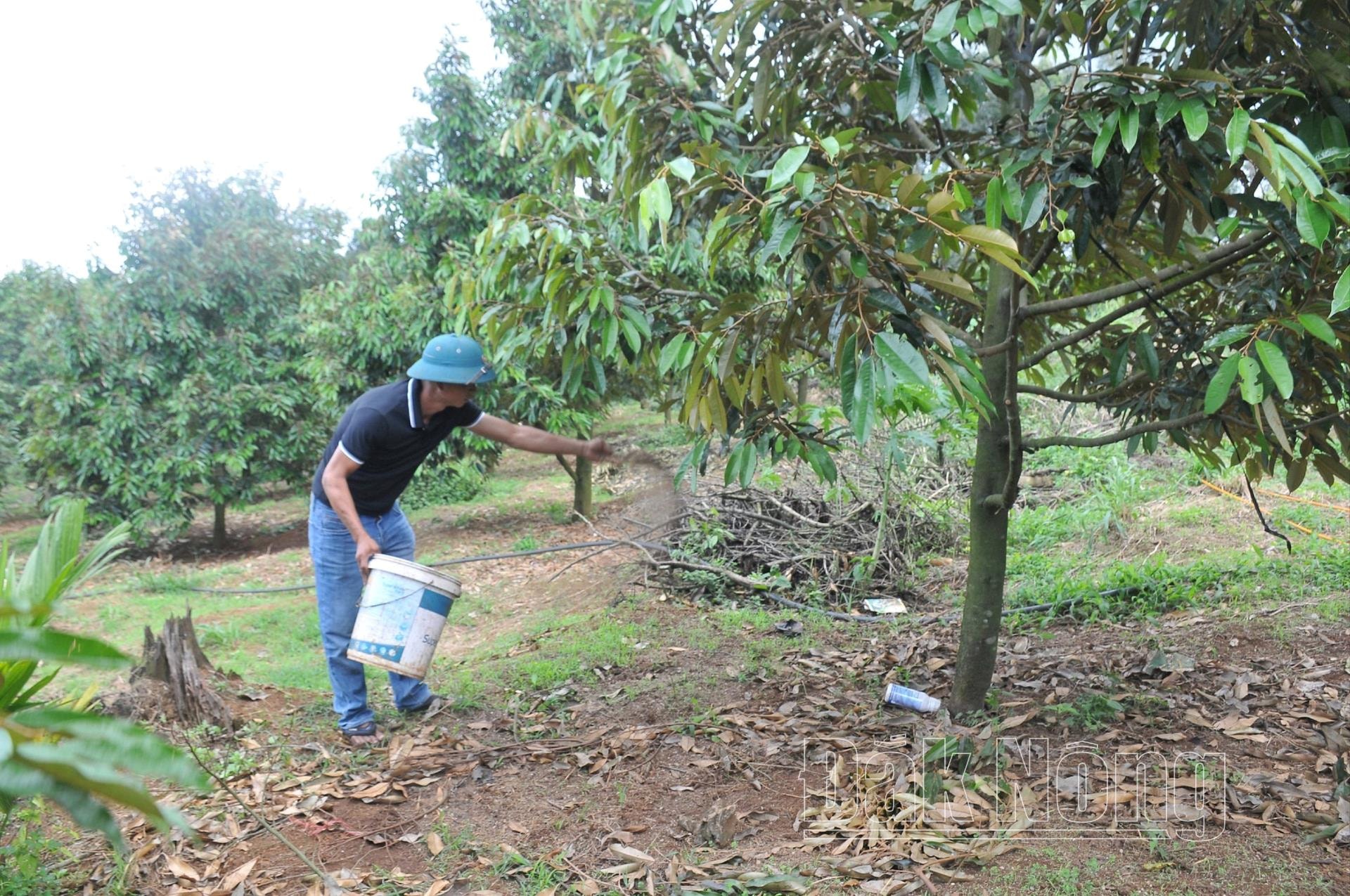
Ms. Nguyen Thi Hoai shared: “After receiving knowledge and experience from the Farmers' Association on farming techniques and how to identify fertilizer quality, I have been able to grow coffee and pepper effectively. I only go to reputable companies and dealers and buy fertilizers from units that are rated as having good quality.”
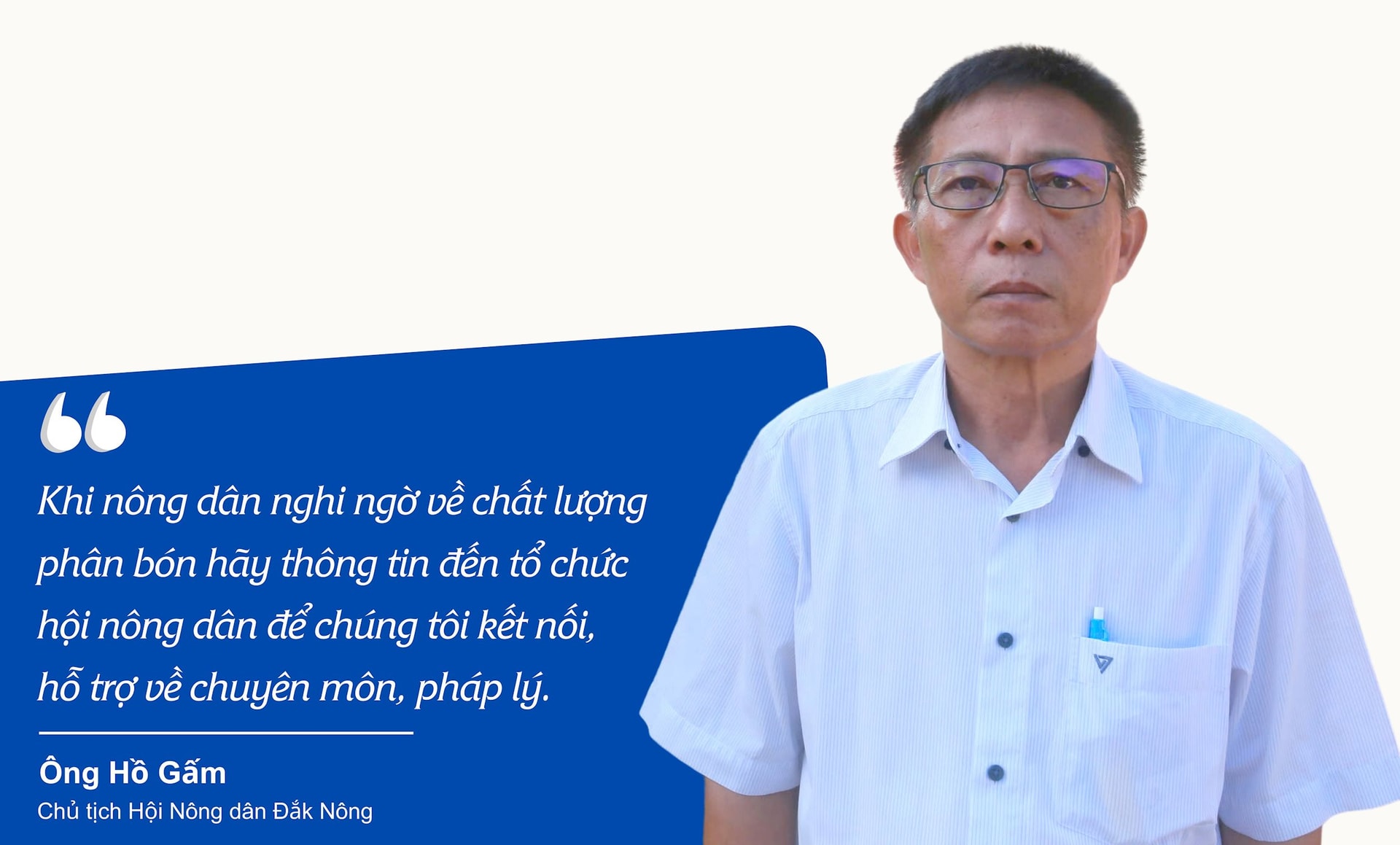
According to Mr. Ho Gam, Chairman of the Dak Nong Farmers' Association, substandard and even counterfeit fertilizers are quite common, causing losses for farmers.
In recent years, the Provincial Department of Agriculture and Rural Development has observed that the management of fertilizers by relevant sectors and the government has become stricter and more effective. In fact, the authorities have tightened regulations, so most dealers and companies now comply and adhere to them.
Of course, it's inevitable that some people will act carelessly and recklessly, without considering the consequences. In some cases, the police and market enforcement agencies will discover and penalize them.
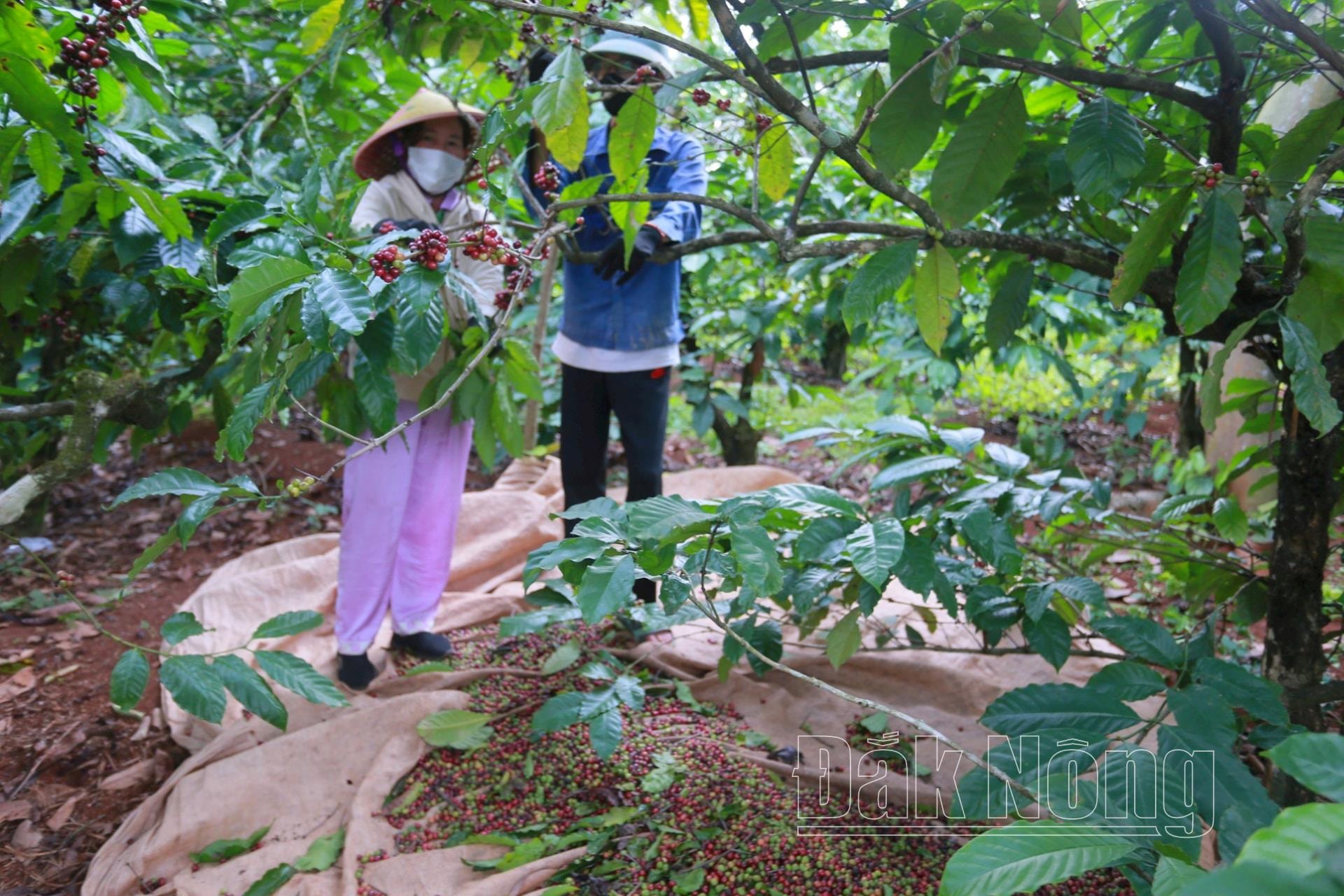
Mr. Ho Gam shared: “With the development of information technology, there are now many online sales channels. However, no one can guarantee the quality of agricultural supplies that farmers buy online, as it is very difficult to determine their origin. Counterfeit fertilizers thrive partly because people buy them online. In Dak Nong, there is a fertilizer company or dealer every 5km. Dak Nong already has Duc Giang Chemical Company Limited – Dak Nong supplying over 200,000 tons of fertilizer per year. Farmers should go to reputable dealers and companies to buy fertilizer, and should not buy online.”
According to Mr. Gam, if farmers want to produce well and sell their products at good prices, they should participate in collective economic organizations such as cooperatives, production groups, professional associations, etc., to have their production organized in a systematic way.
By participating in the collective economy, farmers can buy and sell together, and receive the transfer of scientific and technological advancements. This allows them to gain more knowledge about production and reduce the use of low-quality materials.
Mr. Ho Gam stated that fertilizer companies' products must undergo quality testing and be certified by relevant authorities. The company must also make an initial commitment to provide farmers with advance fertilizer payments.
If the fertilizer is found to be of substandard quality, farmers will not receive their share of the profits. If crop yields are reduced, the company will be responsible for compensating the farmers.
"We deliver all the cooperation agreement documents to each farmer's association branch in the villages and hamlets. Then, farmers register to buy the fertilizers before we deliver them. The companies working here don't charge for transportation costs based on distance; they charge a flat rate," Mr. Ho Gam said.
Over the past period, the Dak Nong Farmers' Association has invited experts to provide technical guidance on growing durian, coffee, pepper, macadamia nuts, mulberry, etc. Fertilizer suppliers have partnered with farmers, committing to stable input and output for them.
Besides the support of all levels of government, sectors, and localities, farmers must wisely choose products, select where to buy fertilizers, and organize production together.
Farmers need to proactively fight for and actively provide information about fertilizer quality… to help protect their own interests, while also protecting public health and the environment.
Close cooperation between farmers, authorities, and relevant organizations is crucial to preventing the use of substandard fertilizers and promoting agricultural development.
Source: https://baodaknong.vn/nong-dan-dak-nong-va-nhung-ngam-ngui-voi-phan-bon-233865.html


![[Photo] Prime Minister Pham Minh Chinh attends the Conference on the Implementation of Tasks for 2026 of the Industry and Trade Sector](/_next/image?url=https%3A%2F%2Fvphoto.vietnam.vn%2Fthumb%2F1200x675%2Fvietnam%2Fresource%2FIMAGE%2F2025%2F12%2F19%2F1766159500458_ndo_br_shared31-jpg.webp&w=3840&q=75)






























































Comment (0)