

In the context of artificial intelligence (AI) and digital transformation profoundly changing how people work, manage, and connect with each other, the story of women's roles in leadership is once again being raised with many new reflections. Beyond professional competence and technological adaptability, today's female leaders are expected to uphold human values, empathy, and human connection in an increasingly digitized world .
This is also one of the key focuses of the program, with professional discussions on the topic "Empathetic Leadership in the Age of AI".
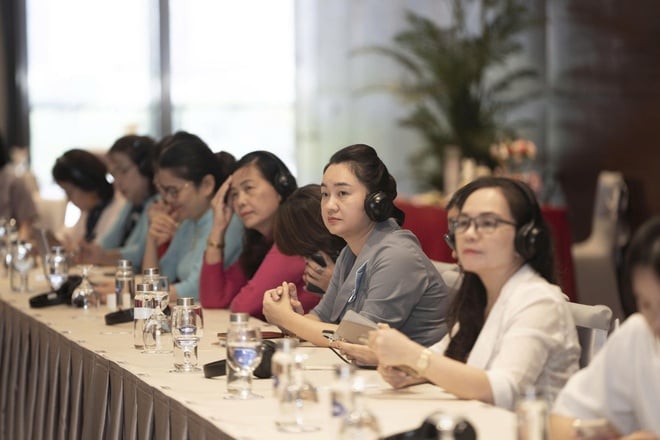

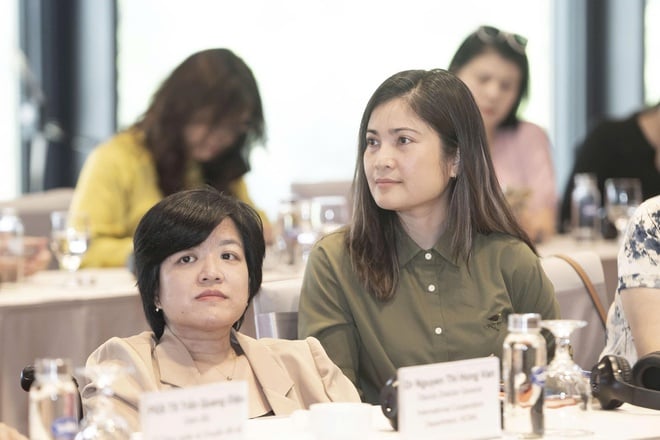
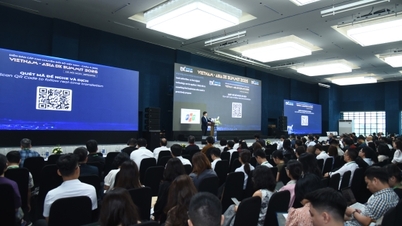
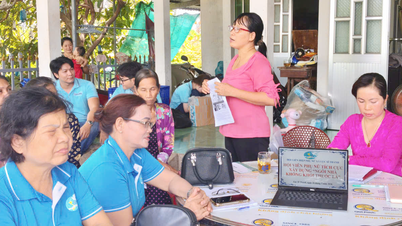
Delegates attending the program
In her opening remarks, Ms. Nguyen Thi Thuc Hanh, former Editor-in-Chief of Vietnam Women's Newspaper, former Head of the Committee for Supporting Women's Economic Development (Central Committee of the Vietnam Women's Union), and former WIJL 3 participant, stated: Drawing on controversial examples from around the world such as Gabi, the "robot monk" in South Korea, or billionaire Elon Musk's predictions about the post-labor future, the program raises significant questions about the role of humans in the age of AI.
"AI is not just a technology story. AI is raising very big questions about people, organizational culture, and leadership capabilities in the new era," Ms. Nguyen Thi Thuc Hanh stated.
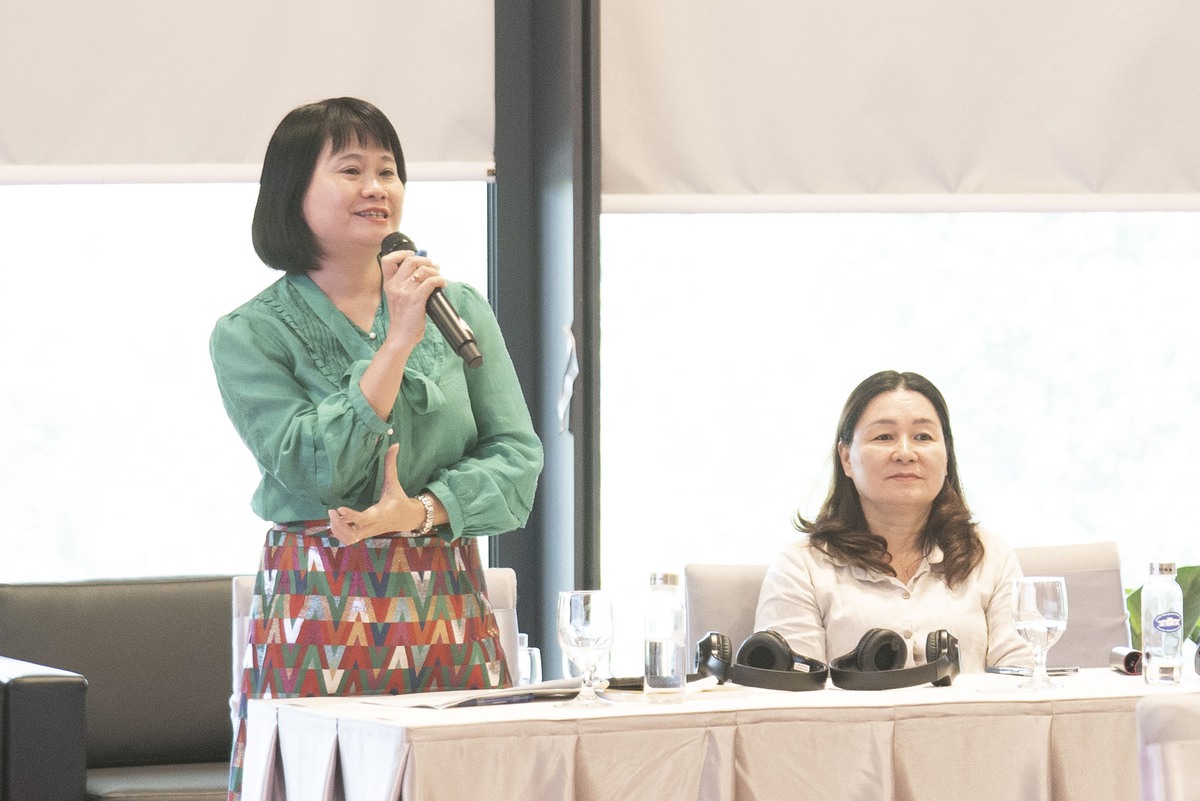
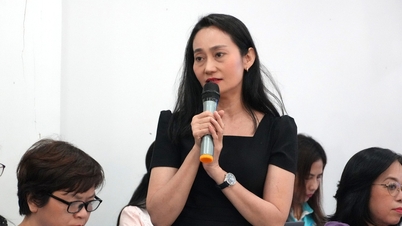
Ms. Nguyen Thi Thuc Hanh, former Editor-in-Chief of Vietnam Women's Newspaper, former Head of the Committee for Supporting Women's Economic Development (Central Committee of the Vietnam Women's Union), and former WIJL 3 participant, connected experts and guests participating in the program.
Sharing perspectives on empathetic leadership in the AI era: From a human and cultural viewpoint, according to Professor Tran Quang Dieu, Director of the Center for Technology and Digital Transformation, Ho Chi Minh National Academy of Politics , in the context of machines increasingly replacing many jobs, what makes a leader different is not their ability to process data or their response speed, but rather their capacity to understand people, build trust, and maintain a positive organizational culture.
The algorithmic society accelerates operational speed but also creates pressure to eliminate the workforce. This, in turn, creates opportunities for digital inequality such as unequal access to digital data, computing power, AI, and the digital divide.
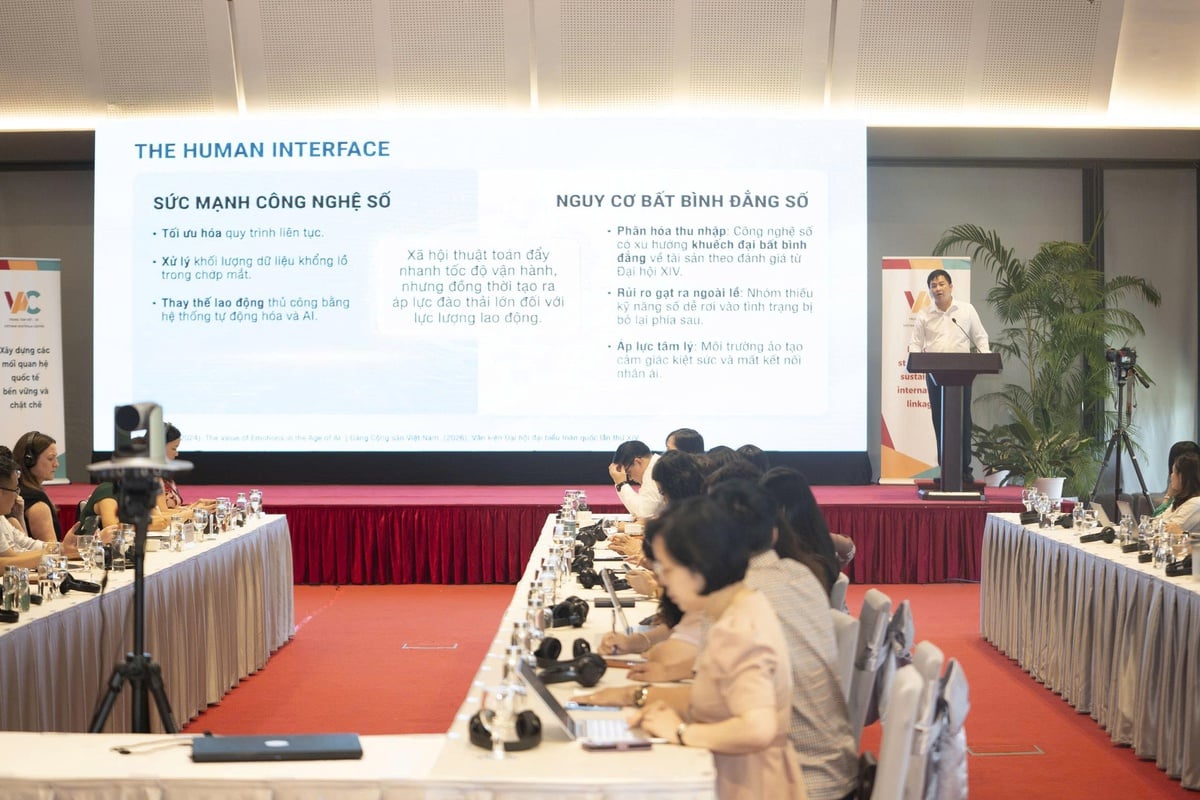
Associate Professor Dr. Tran Quang Dieu, Director of the Center for Technology and Digital Transformation, Ho Chi Minh National Academy of Politics, presented the topic "Empathetic Leadership in the AI Era: From a Human and Cultural Perspective".
Associate Professor Tran Quang Dieu cited: Although technological connectivity is increasing, human connection and empathy are declining alarmingly. According to research data, the global emotional intelligence (EQ) index has decreased by 5.54% since 2019; only about 27% of employees feel that their leaders truly care about them as human beings; 14% of staff have received professional training in empathy, and as many as 37% of senior leaders do not believe in the essential role of empathy in the workplace.
From there, Associate Professor Dr. Tran Quang Dieu stated that empathetic leaders in the AI age are those who use data to support their decisions but whose decisions are based on ethics and compassion; who care about mental health and holistic development; and who listen to, understand, and support multi-generational employees. Associate Professor Dr. Tran Quang Dieu emphasized that AI can analyze emotions but cannot truly share pain or joy. Empathy does not exist independently but must go hand in hand with responsibility and avoid creating reverse pressure on leaders.
Regarding the opportunities and risks of AI/digital transformation for women in leadership roles, Dr. Elise Stephenson, Deputy Director of the Global Institute for Women's Leadership at the Australian National University, highlighted the inequalities of AI such as: biased training data, lack of diversity in AI development and deployment teams, lack of gender equality and expertise on women's rights in AI development; lack of gender equality in AI ownership and in leadership/decision-making positions related to AI, lack of gender equality in funding and decision-making related to AI; lack of AI governance from a women's rights perspective, and inadequate legal regulations…
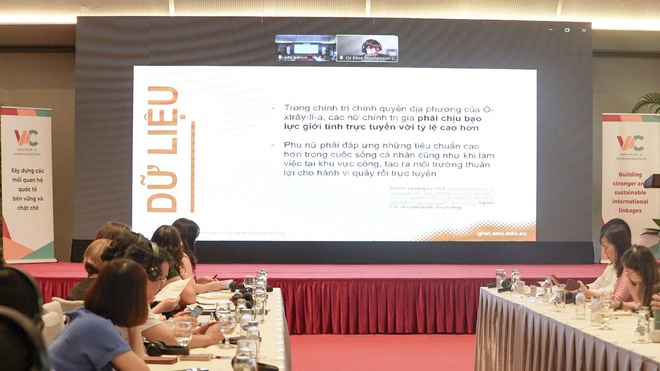
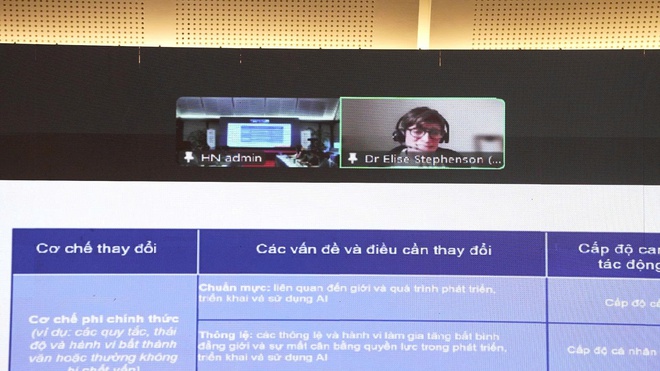
Dr. Elise Stephenson, Deputy Director of the Global Institute for Women's Leadership at the Australian National University, presented on the topic "Opportunities and Risks of AI/Digital Transformation for Women in Leadership Roles".
These inequalities can lead to AI amplifying existing inequalities and biases; perpetuating and strengthening gender biases and power imbalances; women lacking systemic control and autonomy over the development, deployment, and use of AI; and economic inequality and missed opportunities to benefit economically from the AI wave across all genders, and missed opportunities for women to contribute to the development, deployment, and use of AI.
Based on this reality, Dr. Elise Stephenson outlined several ways to transform the AI era, such as focusing on enhancing education, training, and employment for women in skill-based fields related to AI development and deployment to build a female AI workforce; addressing workplace inequality in AI-related fields to improve recruitment and retention; expanding the scope of expertise in AI development to promote the genuine participation of experts in ethics, women's rights, and gender equality; encouraging and supporting women's ownership of AI and promoting gender equality in entrepreneurship; encouraging and supporting gender equality shifts in existing power and decision-making roles in AI ownership and entrepreneurship; and ensuring gender equality in funding and decision-making related to AI development and deployment.
Discussions from Australia indicate that AI opens up many opportunities for women to access knowledge, improve work efficiency, and expand their leadership influence; but at the same time, it also poses numerous challenges regarding the digital divide, the pressure to adapt, and the risk of increased inequality if appropriate support policies are not in place.
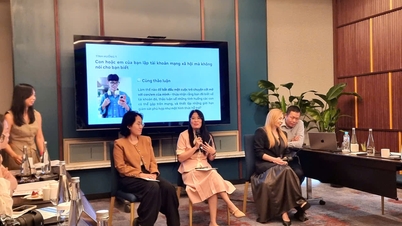
Within the framework of the program, during the roundtable discussion on the topic "Empathetic Leadership in Practice: Lessons from Vietnam and Australia in the Context of Digital Transformation and AI," speakers and guests unanimously agreed that as technology advances, the role of empathy becomes increasingly important. AI may replace many technical skills, but it cannot replace the ability to listen, share, inspire, or connect with people—qualities that define humanistic leadership.
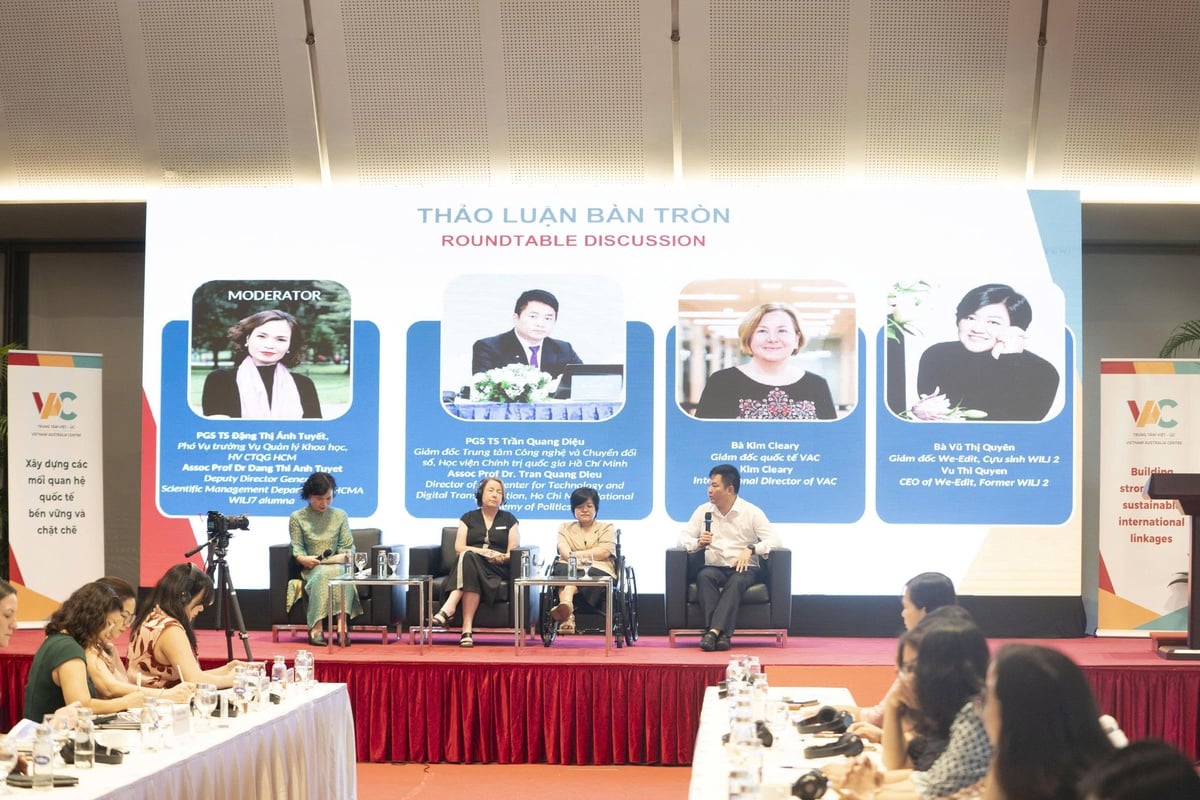
Associate Professor Tran Quang Dieu, Ho Chi Minh National Academy of Politics; Ms. Kim Cleary, International Director of VAC; Ms. Vu Thi Quyen, We-Edit, WILJ 2 alumnus; and Associate Professor Dang Thi Anh Tuyet, Deputy Director of the Science Management Department, Ho Chi Minh National Academy of Politics, WILJ 7 alumnus, participated in the discussion.
Spreading value through sustainable connections.
Beyond professional exchange sessions, the program also provided space for WILJ alumni to share their future networking initiatives. From meaningful community-based projects to ideas for building knowledge-sharing and career support models, the alumni demonstrated a desire to maintain a long-term learning and mutual support community.
According to the organizers, in addition to enhancing leadership skills, WILJ also opens up "an inspiring international learning space and a network of dynamic, influential female leaders across various fields." These connections are creating lasting value for the program. Because after each course, what remains is not just knowledge, but also the companionship among women who share the aspiration to create positive change for society.

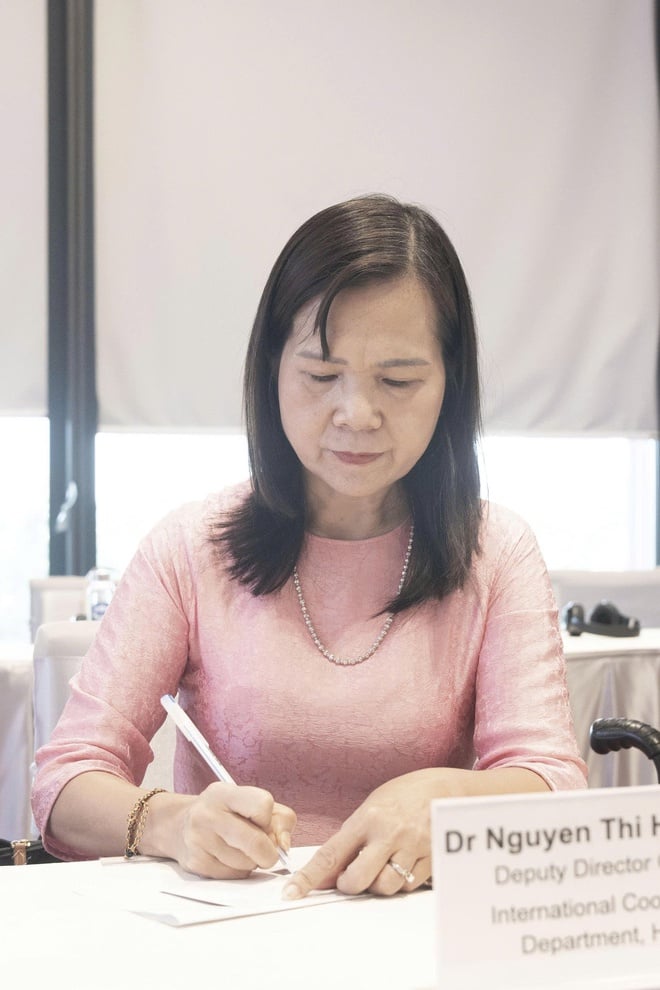

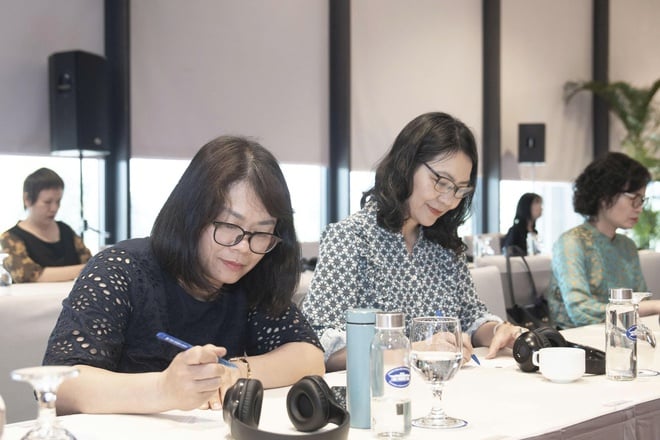
The delegates wrote cards, sending messages of love.
In an era of rapidly evolving AI, where technology can transform the way people live and work, the message that WILJ conveys seems more meaningful than ever: the leadership capacity of the future will not only be measured by the ability to adapt to technology, but also by empathy, humanity, and the ability to connect with people. And it is these female leaders who possess this spirit who will contribute to creating a more inclusive, sustainable, and humane future.
Source: https://phunuvietnam.vn/nu-lanh-dao-nhan-van-thau-cam-trong-thoi-dai-ai-238260527153627878.htm



![[Photo] Standing Committee member of the Party Central Committee Tran Cam Tu working with the Central Inspection Committee](https://vphoto.vietnam.vn/thumb/1200x675/vietnam/resource/IMAGE/2026/05/28/1779969579668_ndo_br_bnd-2495-jpg.webp)





















































































Comment (0)