

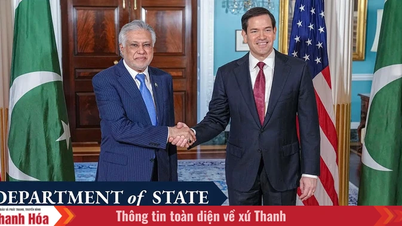
According to Tasnim and ISNA news agencies, two days after conveying the latest US message to Iran during negotiations, Pakistani Interior Minister Syed Mohsin Naqvi held another meeting with Iranian Foreign Minister Abbas Araqchi in Tehran.
ISNA said Naqvi played a mediating role in seeking a diplomatic solution to end the war and narrow the differences between the two sides.
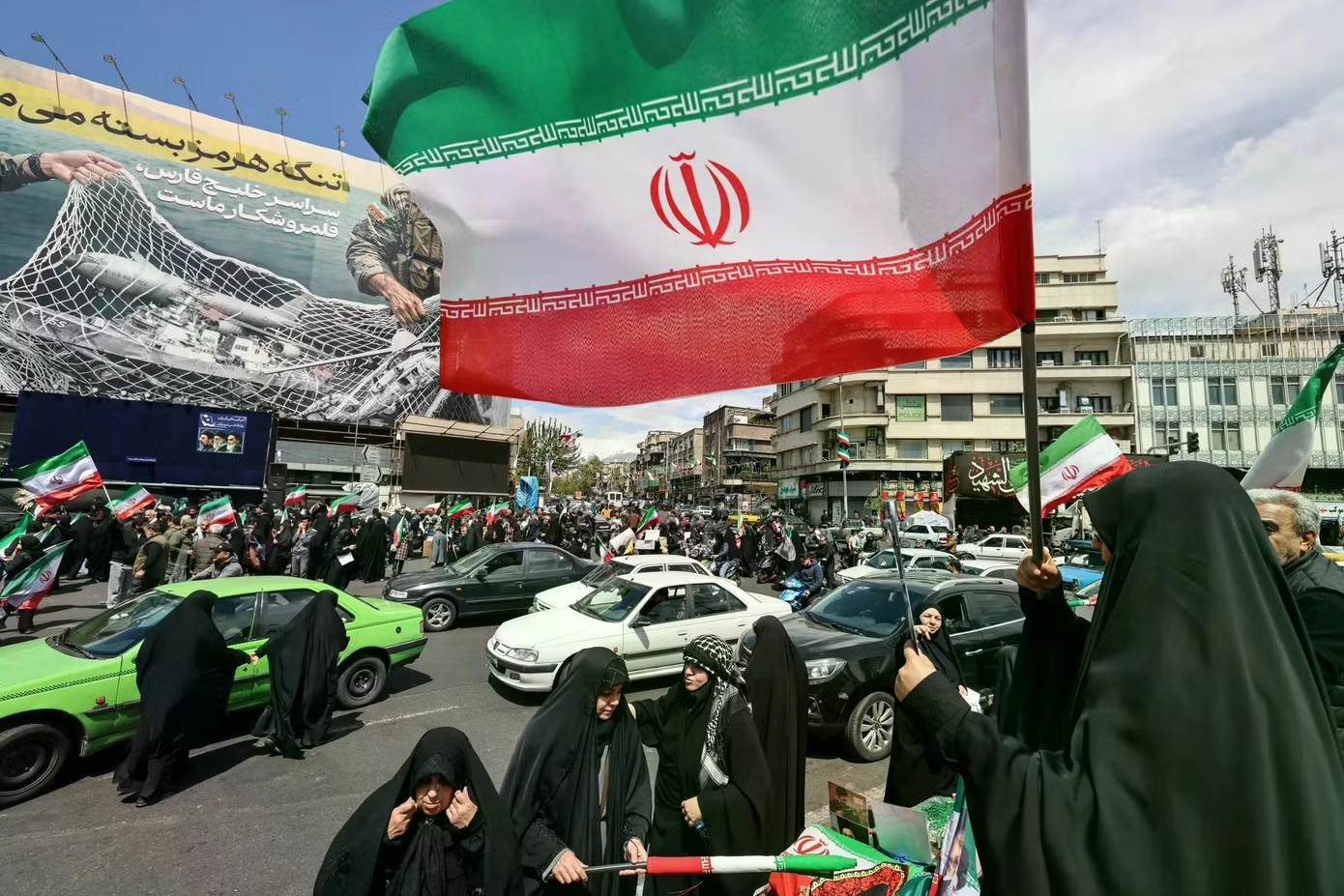
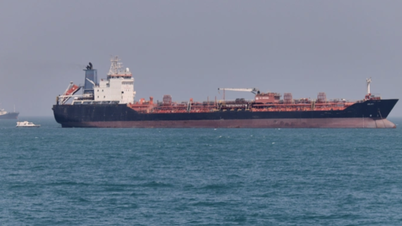
Earlier on Thursday (May 21), US Secretary of State Marco Rubio said there had been "some positive signs" in the negotiations, but that an agreement would be difficult to reach if Tehran implemented a toll system in the Strait of Hormuz – a strategic shipping lane where Iran has largely restricted shipping since hostilities broke out on February 28.
A senior Iranian source told Reuters that the gap between the two sides has narrowed considerably, although uranium enrichment and control of the Strait of Hormuz remain the biggest obstacles.
Uranium and the Strait
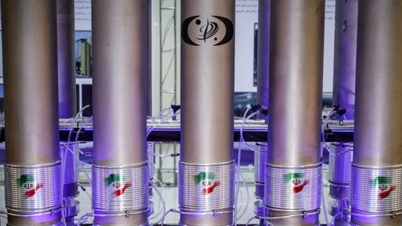
President Donald Trump said the U.S. would eventually seize Iran's stockpile of highly enriched uranium, which Washington claims is being used to build nuclear weapons, although Tehran insists it is for peaceful purposes only.
"We're going to get it. We don't need it, and we don't want to keep it, but we're not going to let Iran continue to possess it," Trump said at the White House.
Before President Trump made the above statement, Reuters , citing two senior Iranian sources, reported that Iran's Supreme Leader Ayatollah Mojtaba Khamenei had issued a directive that uranium would not be allowed to be exported abroad.
Trump also strongly opposed Tehran's plan to impose fees on ships passing through the Strait of Hormuz.
"We want this route to be open and free. This is an international shipping lane," Trump emphasized.
Tehran sent its latest proposal to Washington earlier this week, but the terms are believed to remain unchanged from its previous position, including demands for control of the Strait of Hormuz, war reparations, the lifting of sanctions, the release of frozen assets, and the withdrawal of US troops from the region.
Global energy shock
The International Energy Agency (IEA) warns that the conflict has created the world's most severe energy shock to date. The agency says that high fuel demand during the summer, coupled with supply shortages from the Middle East, could push the oil market into "red zone" in July and August.
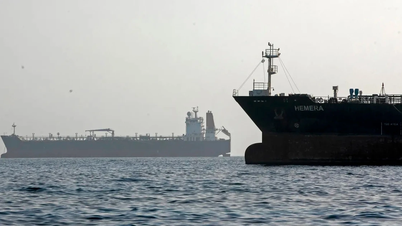
Shipping traffic through the Strait of Hormuz has dropped sharply from the 125-140 vessels per day before the war. Iran has stated it will gradually reopen the waterway to friendly nations that comply with conditions set by Tehran, which may include charging fees.
Foreign Minister Rubio warned that if Iran continues to pursue this plan, all diplomatic efforts will become "impossible," calling it a "threat to the world" and "completely illegal."
Source: https://tienphong.vn/pakistan-tim-kiem-buoc-dot-pha-trong-cac-cuoc-dam-phan-hoa-binh-my-iran-post1845473.tpo

![[Photo] Ba Lang An Lighthouse - the "eye of the sea" amidst the "rock museum" of Quang Ngai province.](https://vphoto.vietnam.vn/thumb/1200x675/vietnam/resource/IMAGE/2026/05/29/1780038698840_anh-man-hinh-2026-05-29-luc-14-10-42.png)
![[Image] Pleasant weather helps students enter the 10th grade entrance exam with confidence.](https://vphoto.vietnam.vn/thumb/1200x675/vietnam/resource/IMAGE/2026/05/29/1780034401612_ngay-1-thi-lop-10-minh-duy-8-5009-jpg.webp)







































































Comment (0)