

Contrary to many NATO allies, the Netherlands is switching to the Israeli-made PULS (Precision and Multipurpose Launch System) instead of the well-known American HIMARS multiple rocket launcher system.
HIMARS - a symbol of modern warfare.
The HIMARS highly mobile artillery missile system is a 6x6 truck-mounted assembly of six M31 GMRL 227mm GPS-guided missiles capable of hitting targets up to 50 miles (80.4 km) away with accuracy comparable to air strikes.
The 17-ton M142 variant is a more transportable "sibling" to the 26.5-ton M270 MLRS, carrying two of the same type of missile launchers. The M142 can also launch one MGM-140 ATACMS tactical ballistic missile with a range of 190 miles (305.7 km).
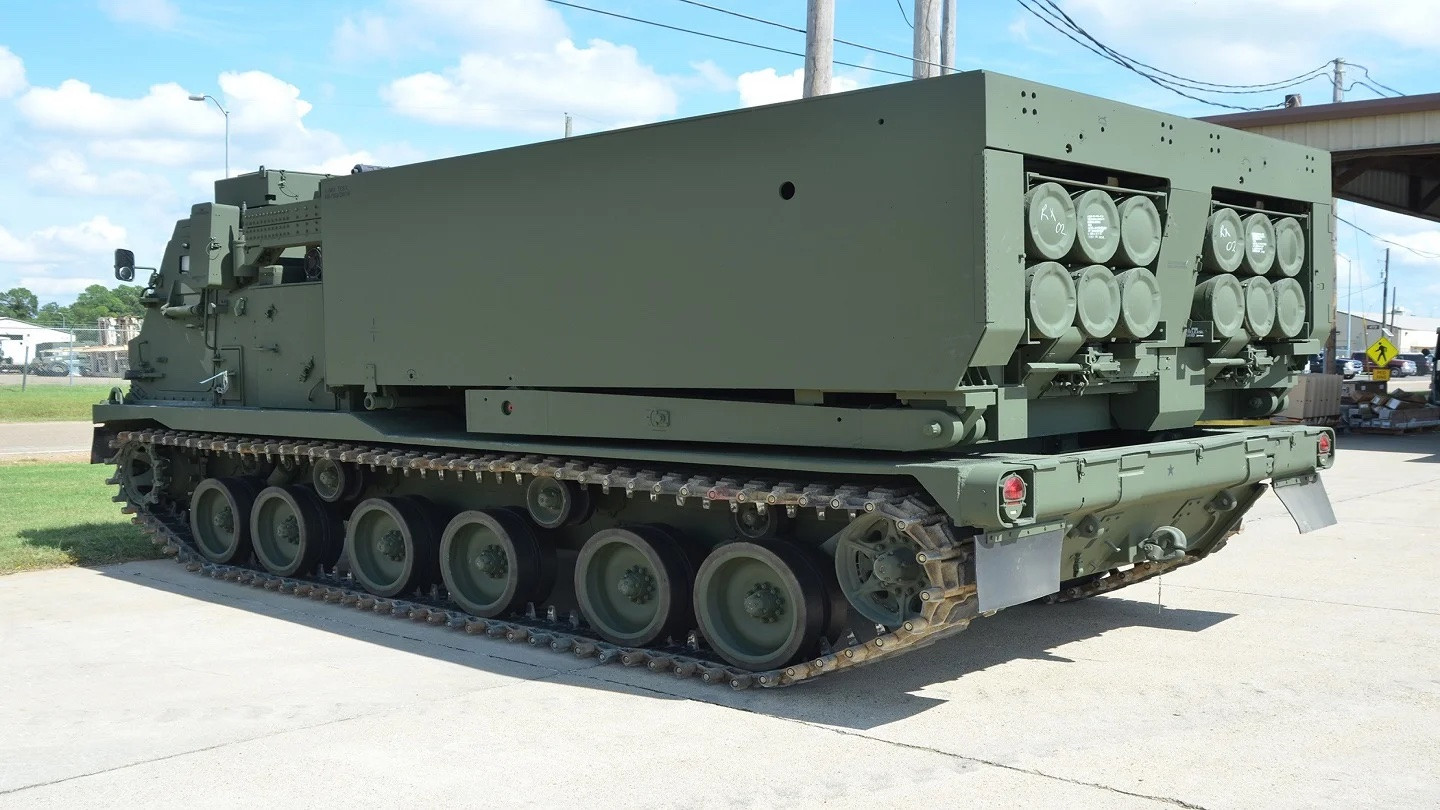
Since 2022, the US has delivered at least 38 HIMARS systems to Ukraine, equipped with GMRLS missiles instead of ATACMS missiles. The initial successes of HIMARS on the battlefield have brought Washington a series of new orders including Australia (20), Estonia (6), Latvia (6), Lithuania (8) and Poland with the option to purchase up to 486 systems. Previously, only Taiwan (China) and Romania possessed this rocket artillery system.
Ignoring a widely used and battle-tested system might not be an easy option, given its similarities to the M270 HIMARS systems currently used by NATO allies. In fact, the Netherlands also possesses nine M270 systems, meaning they are more familiar with the system.
In February, the US agreed to sell the Netherlands 20 M142 HIMARS missile systems, 77 loaded launchers, ATACMS missiles, and 17 support vehicles for $670 million. However, Israel is offering 20 PULS systems for $133 million, one-fifth the price of the US system, including missiles and rockets for combat and training use.
A versatile alternative solution
The Netherlands is not the only NATO country operating PULS systems; earlier in January, Denmark finalized an order for eight of these systems, along with Accular-122 missiles, worth $70 million. In addition, Germany is also considering equipping its military with this rocket artillery system. The increased use of a shared system by more allied nations could facilitate maintenance, training, and ammunition production.
PULS can be considered a more feature-rich alternative to HIMARS, offering similar capabilities at a lower cost. The default PULS configuration includes two missile launchers compared to one for HIMARS. After firing, the launchers can be replaced in under 10 minutes.
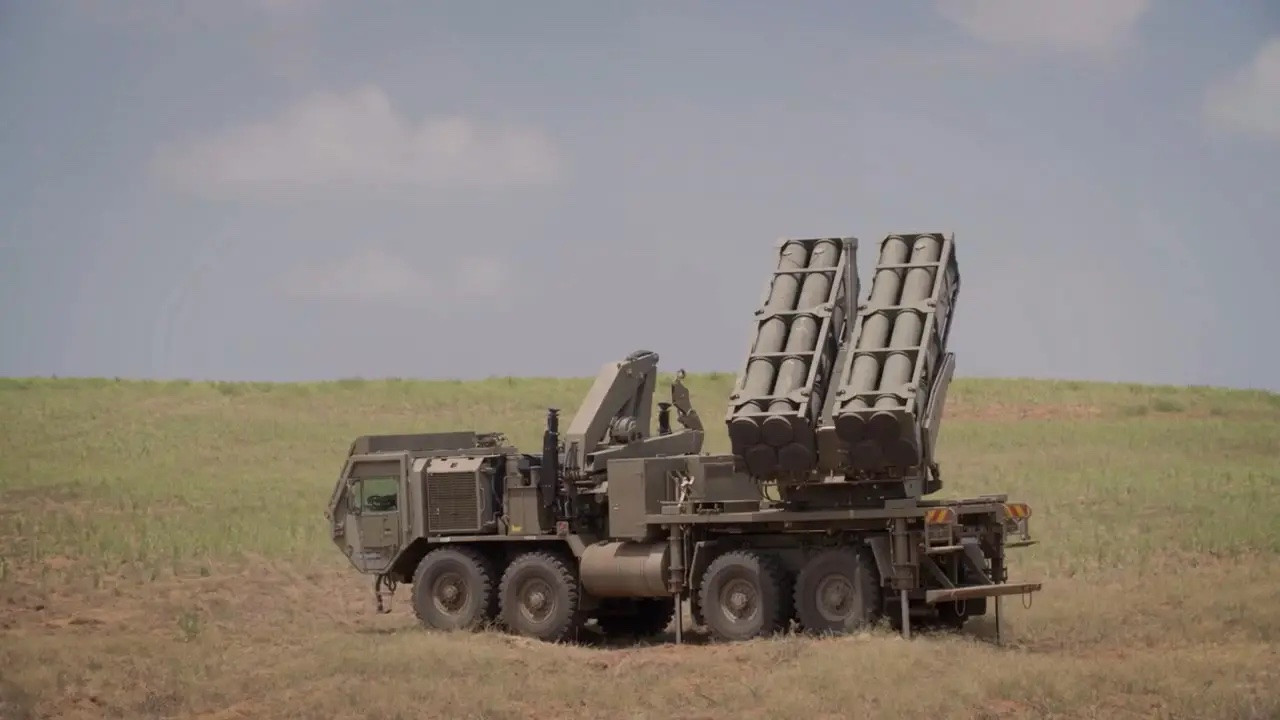
Unlike HIMARS, PULS can be bolted onto a variety of vehicles, opening up the possibility of utilizing vehicles already in the customer's inventory. The system's predecessor is the IMI (Israel Military Industries) Lynx 6x6 rocket launcher truck. The artillery unit of the Israel Defense Forces operates PULS on Oshkosh 8x8 HEMTT trucks under the designation Lahav (blade).
Furthermore, PULS can be fitted with six different types of guided and unguided ammunition. At the rear, the system can be fitted with two sealed compartments, each containing 18 122mm rockets, the global "standard" caliber for the Soviet-made BM-21 Grad multiple rocket launcher. Grad rockets are inexpensive and have a range of up to 25 miles (40.2 km).
Easily upgrade range and firepower.
The operating crew can switch to using the Israeli-made Accular-122 GPS-guided missile, also known as Romach (spearhead), produced in 2017 for the customized M270 Menatetz launchers.
This type of munition has a shorter range, about 22 miles, but an average error of only 5-10 meters, making it a potential mini-HIMARS version for minimizing civilian risk. The missile will leave the launch platform within 1 minute of launch and is available in fragmentation and armor-piercing warhead versions.
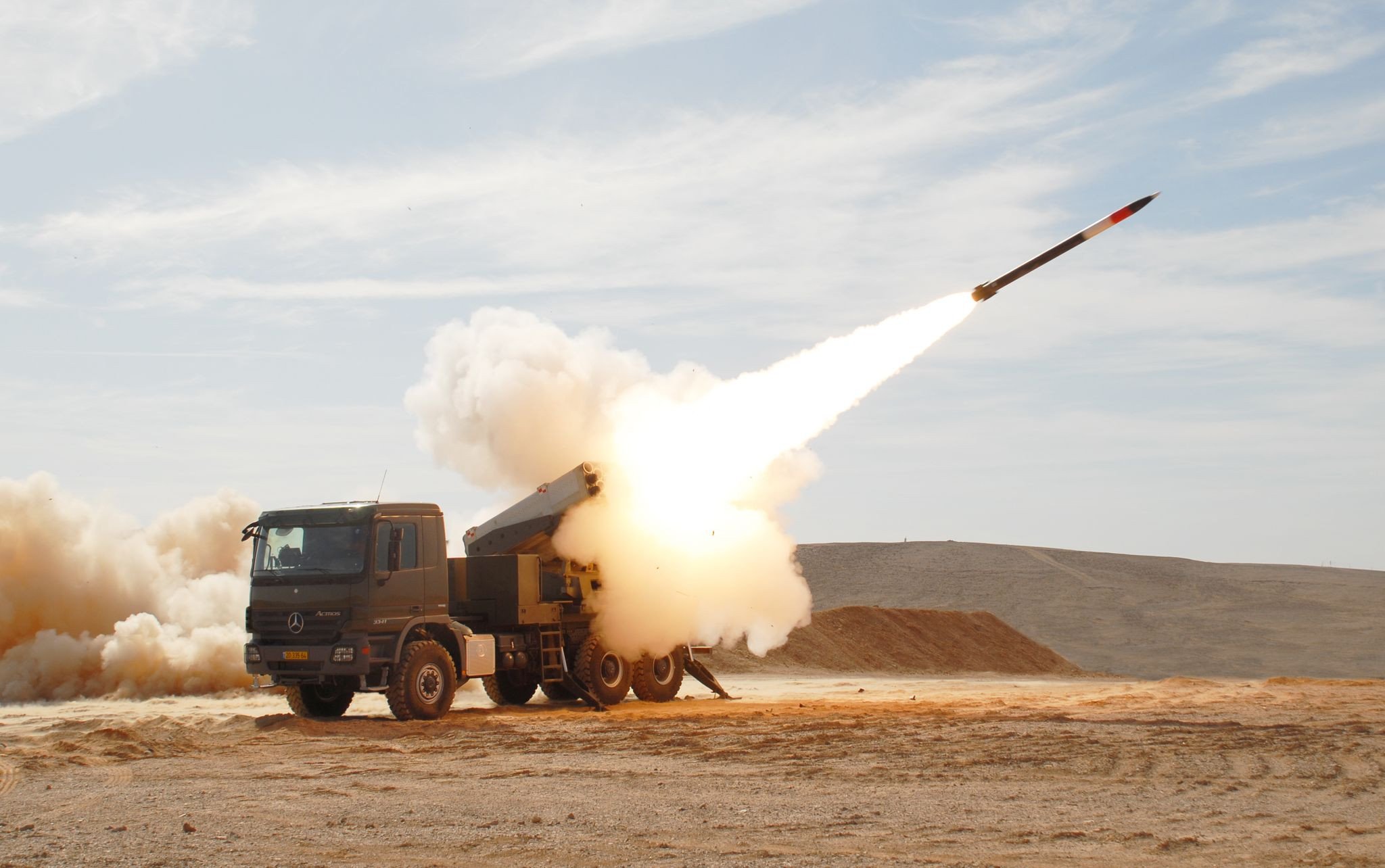
Firepower can be increased with replacement launchers, each containing 13 160 mm missiles (26 in total) from the Israeli LAR-160 missile system. In this configuration, the PULS has a range of 28 miles, and 25 miles with the guided Accular-160 version.
To engage targets at greater distances, PULS can be fitted with two launchers, each containing four 306mm EXTRA guided missiles with a range of 93 miles. HIMARS will also achieve this range in the next few years with the GMLRS-ER 227mm variant, which is entering mass production this year.
At even greater range, PULS can launch the Predator Hawk tactical ballistic missile with a range of 186 miles, comparable to the US ATACMS missile. This missile can hit its target at maximum range in 8 minutes (average speed Mach 1.8) with a 308-pound warhead. Both the EXTRA and Predator HAWK missiles have an accuracy of approximately 10 meters.
The Delilah subsonic cruise missile is also a potential warhead that can be launched from this system, although it flies lower and slower, with a maximum range of 155 miles, but with greater accuracy. However, Israel does not appear to have exported the Delilah to date.
For comparison, PULS can launch eight 300mm missiles compared to six 227mm missiles of HIMARS, or it can carry four tactical missiles instead of one compared to the American system.
Compared to Soviet-era artillery systems, PULS is similarly effective to the BM-21, BM-27, and BM-30 missile systems, as well as the older OTR-21 Tochka missile family.
(According to PopularMechanics)
Source
![[Photo] Prime Minister Pham Minh Chinh presides over a meeting on private sector economic development.](/_next/image?url=https%3A%2F%2Fvphoto.vietnam.vn%2Fthumb%2F1200x675%2Fvietnam%2Fresource%2FIMAGE%2F2025%2F12%2F20%2F1766237501876_thiet-ke-chua-co-ten-40-png.webp&w=3840&q=75)






























































































Comment (0)