

 |
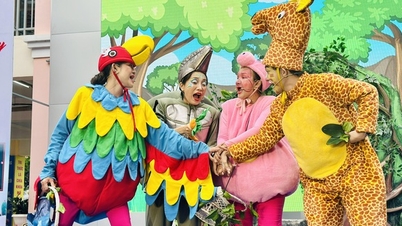
| Artists and actors from the Dong Nai Arts Theatre perform online. Photo: My Ny |
With over 325 years of formation and development, Dong Nai is gradually affirming the role of culture as an important endogenous resource, contributing to the creation of a civilized, modern, and happy city in the new era.
Unleashing resources from a rich history and culture.
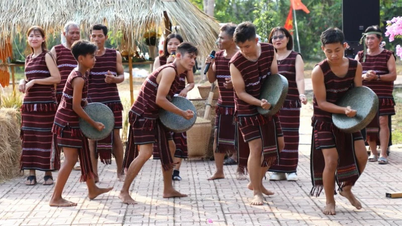
Dong Nai is a land of opportunity. Here, various ethnic groups coexist, creating a diverse and rich cultural landscape. Over the years, Party committees and authorities at all levels in the province have consistently focused on, led, and directed the development of the cultural sector. The historical and traditional cultural values of the nation, and the culture of the land and people of Dong Nai, have been preserved and promoted. This forms a solid foundation for the province to build a cultural development strategy linked to urbanization and integration.
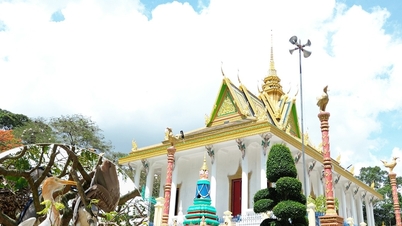
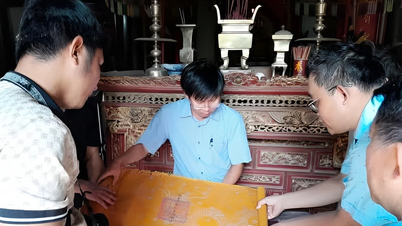
According to Provincial Party Committee member and Director of the Department of Culture, Sports and Tourism, Le Thi Ngoc Loan: “The province currently has 121 classified relics, along with nearly 1,500 relics that have been inventoried. Many prominent relics such as Tran Bien Temple of Literature, the temple and tomb of Nguyen Huu Canh (Tran Bien ward), the Eastern South Vietnam Regional Party Committee Base (Tri An commune), the Central Committee Base of the Southern Region (Phu Ly commune), the Headquarters of the Southern Vietnam Liberation Army (Ta Thiet Base, Loc Thanh commune)… are important cultural and historical sites of the Eastern South Vietnam region.”
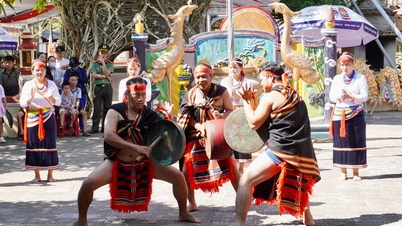
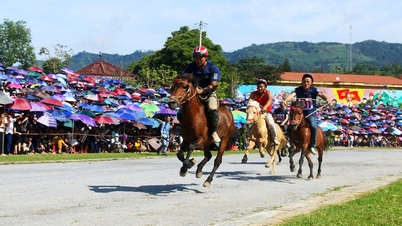
In the period 2020-2025 alone, Dong Nai province allocated over 161 billion VND for the restoration and preservation of historical relics. Annually, the province maintains over 100 traditional festivals, reflecting the rich religious life of its ethnic communities. Notably, the system of cultural institutions from the provincial to the grassroots level has been invested in, built, and put into use, effectively promoting their operation. The movement for national unity in building a cultured life continues to spread widely, with over 90% of residential areas and more than 95% of households achieving cultural standards, creating a healthy and humane living environment.
According to Master Tran Quang Toai, Chairman of the Dong Nai Provincial Historical Science Association: In the process of Dong Nai becoming a centrally-governed city, cultural development needs to be placed on par with economic development. This spirit has been clearly affirmed by the Politburo in Resolution No. 80 on the development of Vietnamese culture.
In practical terms, Mr. Tran Quang Toai emphasized: "Dong Nai possesses diverse cultural resources, which, if properly identified and exploited, will become an important driving force for sustainable urban development. This includes focusing on classifying heritage groups such as: the Dong Nai River heritage associated with the history of land reclamation and expansion; industrial heritage associated with the Bien Hoa Industrial Zone – the cradle of the Southern working class before 1975; and a system of revolutionary historical heritage rich in educational and traditional values."
Driving force for rapid and sustainable development.
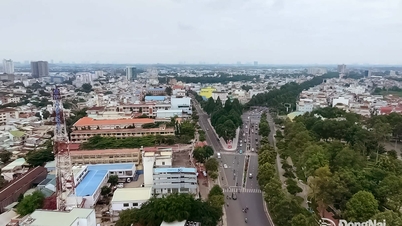
According to Master Tran Quang Toai, Dong Nai is developing urban areas, including the Long Thanh Airport city. Under the Law on Cultural Heritage, the cultural sector needs to proactively propose and ensure that archaeological work precedes development to preserve heritage values. In addition, researching and classifying Pho Island, a region rich in historical sites and unique festivals, is also considered a necessary direction, contributing to the formation of distinctive cultural and tourism products, and elevating Dong Nai's position on its journey to becoming a centrally-governed city.
People's Artist Giang Manh Ha, Chairman of the Dong Nai Literature and Arts Association, said: Dong Nai becoming a centrally-governed city opens up great opportunities for all fields, including culture and arts. For artists and writers in particular, this is a new milestone, creating strong motivation to create more new works and promote the image of Dong Nai to friends in the region and the world. "Culture is not only a spiritual foundation but also a 'soft power' that helps Dong Nai shape its identity. When its stature and position change with specific mechanisms, it will help culture and arts develop synchronously with socio-economic development," Mr. Ha shared.
To ensure the cultural sector develops comprehensively and sustainably, Dong Nai needs to focus on building and developing culture and sports in a modern and synchronized manner, promoting traditional values associated with human development and fostering sustainable socio-economic development. Emphasis should be placed on building a healthy cultural environment and developing the people of Dong Nai comprehensively, with rich identity, compassion, creativity, and integration.
According to Ms. Le Thi Ngoc Loan, in the coming period, the sector will continue to build, upgrade, and improve the system of cultural and sports facilities from the provincial to the grassroots level, meeting the needs of the people for cultural enjoyment and physical training. It will also preserve, restore, and promote the value of historical sites, scenic spots, and tangible and intangible cultural heritage; develop traditional craft villages in conjunction with traditional education, develop tourism, and build local cultural identity.
In addition, Dong Nai continues to develop its cultural industry, promote artistic creation activities, and create creative spaces for artists. It is extensively implementing the "National Movement for Unity in Building a Culturally Rich Life"; and simultaneously increasing investment in the construction of large-scale cultural and sports facilities to meet the requirements for organizing national, regional, and international cultural and sports events.
Currently, the province has 93 out of 95 communes and wards that have established comprehensive service centers; 1,703 out of 1,775 villages, hamlets, and neighborhoods have cultural houses (reaching 95.9%); and there are 16 ethnic cultural houses.
My Ny
Source: https://baodongnai.com.vn/van-hoa/202604/phat-trien-toan-dien-van-hoa-con-nguoi-ong-nai-ac7328d/





























































Comment (0)