

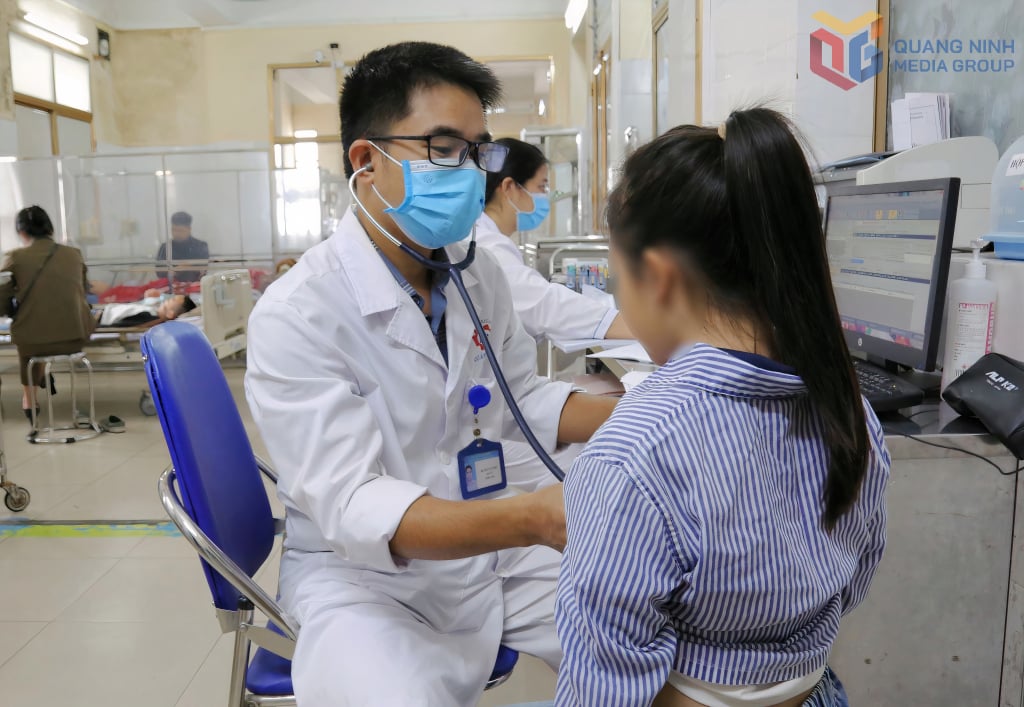
According to experts, precocious puberty is defined as girls showing signs of puberty before the age of 8, and boys before the age of 9. Common manifestations include breast development and early menstruation in girls; testicular and penile enlargement and voice changes in boys; and unusually rapid height growth compared to their peers.
Many factors contribute to this condition. Nutrition plays a crucial role: Children who consume too much processed food, foods containing growth hormones, and foods high in protein and fat are more likely to experience early puberty. In addition, being overweight or obese is a common cause, as excess fat affects the endocrine system. Furthermore, living environments with many chemicals and endocrine disruptors in plastics, cosmetics, etc., also negatively impact early puberty in children.
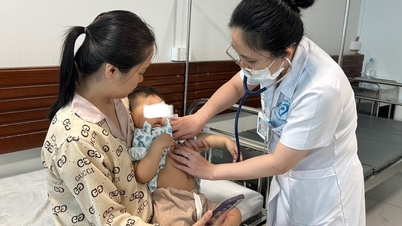
For example, eight-year-old NND (residing in Ha Long ward) often felt pain in her chest area when touched. Worried about their daughter's health, her parents took her to the Provincial General Hospital for examination. After examination, it was determined that D. had developed breasts, but lacked pubic and armpit hair and menstruation. Therefore, to make an accurate diagnosis, the doctor ordered endocrine tests, X-rays, and a brain MRI. Based on these criteria, D. was diagnosed with precocious puberty. Although surprised by the diagnosis, the family felt fortunate that their daughter received timely examination and an accurate diagnosis.
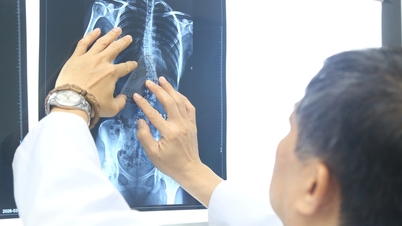
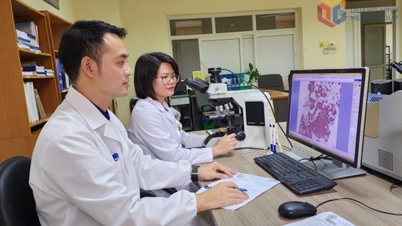
The Pediatrics Department of the Provincial General Hospital is currently monitoring, managing, and treating over 20 children with precocious puberty, mostly girls. Their initial symptoms often include chest pain and significantly taller stature compared to their peers. For accurate diagnosis, children are typically prescribed X-rays of the left wrist to determine bone age, blood tests to check hormone levels, ultrasounds of the uterus and adnexa, and ultrasounds of the testes and adrenal glands. Depending on the results, a cranial MRI may be performed to determine the cause.
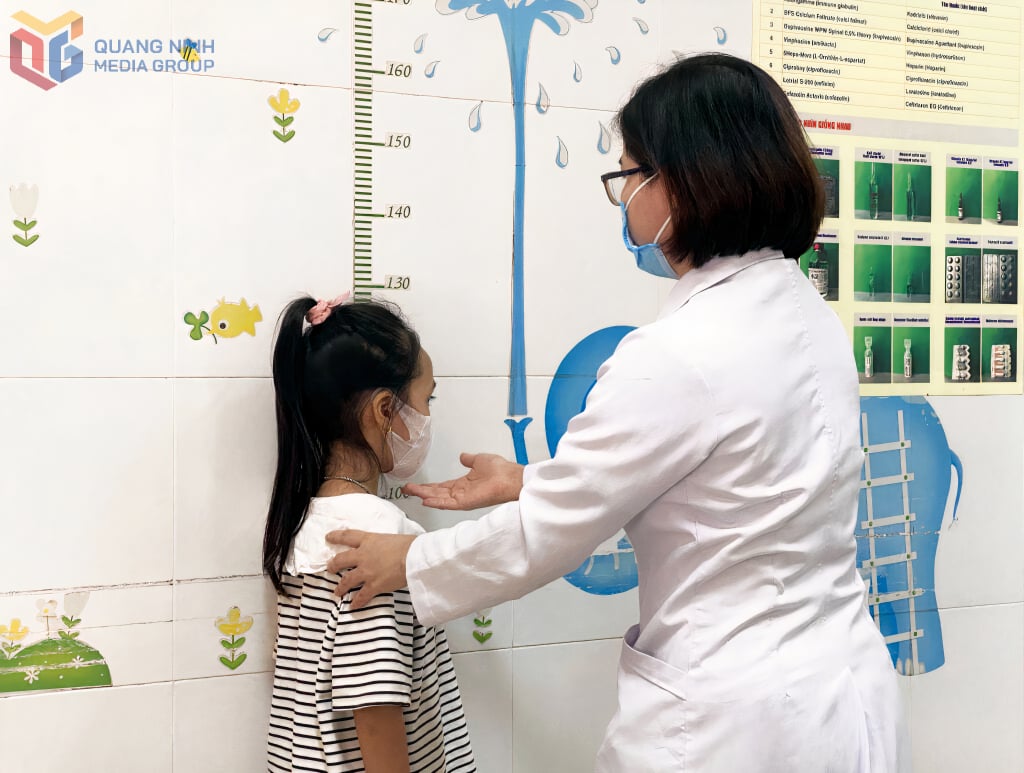
At the Provincial Obstetrics and Pediatrics Hospital, there are currently over 30 children being treated for precocious puberty. Every month, through examinations and treatments, doctors record new cases, mostly girls.
Dr. Nguyen Thi Lan Linh, from the Department of Respiratory - Cardiovascular - Digestive - Neurological Diseases (Provincial Obstetrics and Pediatrics Hospital), stated: Precocious puberty in children can stem from many causes. These include pathological conditions such as tumors in the ovaries, adrenal glands, pituitary gland, brain, central nervous system diseases, and rare genetic syndromes; and lifestyle and environmental factors such as an unbalanced diet, overweight or obesity, exposure to chemicals, and psychological stress. To prevent this, parents should ensure their children have a balanced diet and limit their weight, restricting foods with excessive amounts of certain nutrients; and also avoid exposing children to inappropriate cultural content for their age.
Currently, the primary treatment for precocious puberty in children is hormone injections to slow down growth rate, puberty, and secondary sexual development. Proper hormone injections can slow down precocious puberty and allow children to still achieve their final height according to their parents' genetics. Psychological and physiological stress is also reduced, helping children develop appropriately for their age. Treatment should be carried out at specialized medical facilities to ensure safety and effectiveness.
Furthermore, raising parental awareness and preventing and early detecting precocious puberty in children not only helps protect their health and psychology but also contributes to building a healthy, well-rounded younger generation and sustainably improving the quality of the population.
Source: https://baoquangninh.vn/phong-tranh-day-thi-som-o-tre-em-3378201.html

![[Photo] Da Nang: A sea of people respectfully paying homage to the Bodhisattva Avalokiteshvara.](https://vphoto.vietnam.vn/thumb/1200x675/vietnam/resource/IMAGE/2026/04/06/1775454198203_ndo_br_lh24-jpg.webp)


![[Photo] National Assembly Chairman Tran Thanh Man takes the oath of office](https://vphoto.vietnam.vn/thumb/1200x675/vietnam/resource/IMAGE/2026/04/06/1775453300886_ndo_br_1-2229-jpg.webp)

























![[Photo] Sidewalks in Vung Tau ward are now more spacious.](https://vphoto.vietnam.vn/thumb/1200x675/vietnam/resource/IMAGE/2026/04/06/1775455388046_5-6796-jpg.webp)





































































Comment (0)