

According to the Ho Chi Minh City Department of Tourism , recent tourist behavior has undergone many changes, such as: booking services online in advance, cashless travel, and a preference for digital experiences (virtual reality - VR, augmented reality - AR). These changes pose a challenge for the city's tourism industry, requiring it to transform and adapt.
The Smart Tourism Development Project in Ho Chi Minh City for the period 2020-2025, with a vision to 2030, clearly defines that the city will focus on building a smart tourism system aimed at key objectives including convenience for tourists, smart destinations, and a smart business ecosystem. The city currently has 366 tourism resources updated on Google Earth and Google Maps. These products are also available on e-commerce platforms such as Shopee and Traveloka for tourists to explore and refer to. Applications such as high-tech 3D scanning to recreate parts of Ho Chi Minh City from above and interactive 3D/360 smart maps of Ho Chi Minh City have shown positive results.
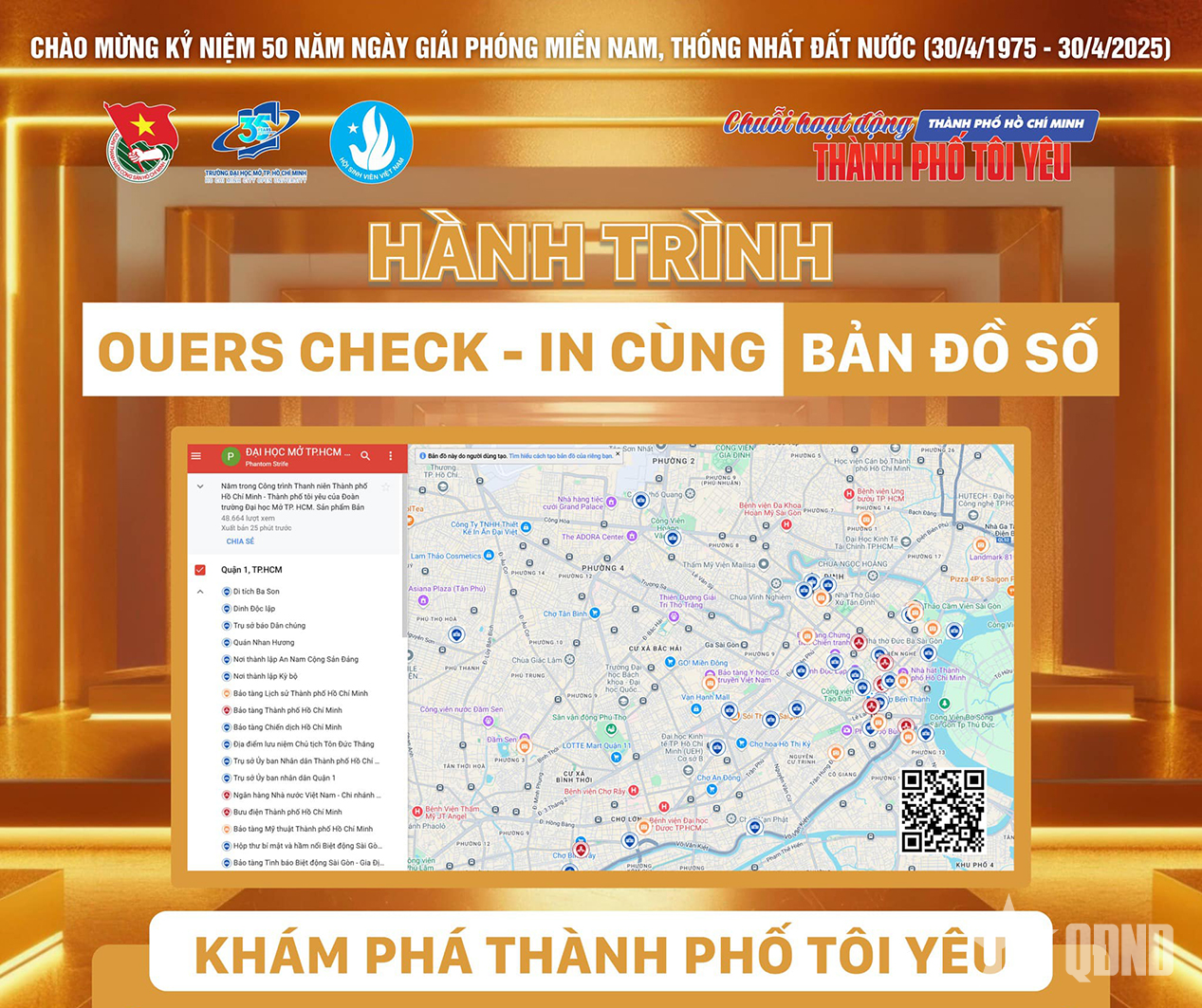
This digital map of Ho Chi Minh City was created to commemorate the 50th anniversary of the liberation of Southern Vietnam and the reunification of the country. |
At the famous Southern Vietnam Women's Museum – the city's first digital museum – smart museum 3D/360 technology is currently being applied to virtual reality tours and intelligent interaction. At other museums such as the Ho Chi Minh City Museum and the Ho Chi Minh City Museum of Fine Arts, "Storytelling Boxes" with narrated explanations about the destination in a friendly and lively way are helping visitors better understand the location, historical periods, and historical figures.
In addition, popular applications currently used in travel, accommodation, and entertainment businesses include: 360-degree photo booth applications, voice-controlled central control systems, smartphone-based systems, integrated hotel management software, and sales integration on OTA channels… all of which are providing tourists with attractive and exciting experiences.
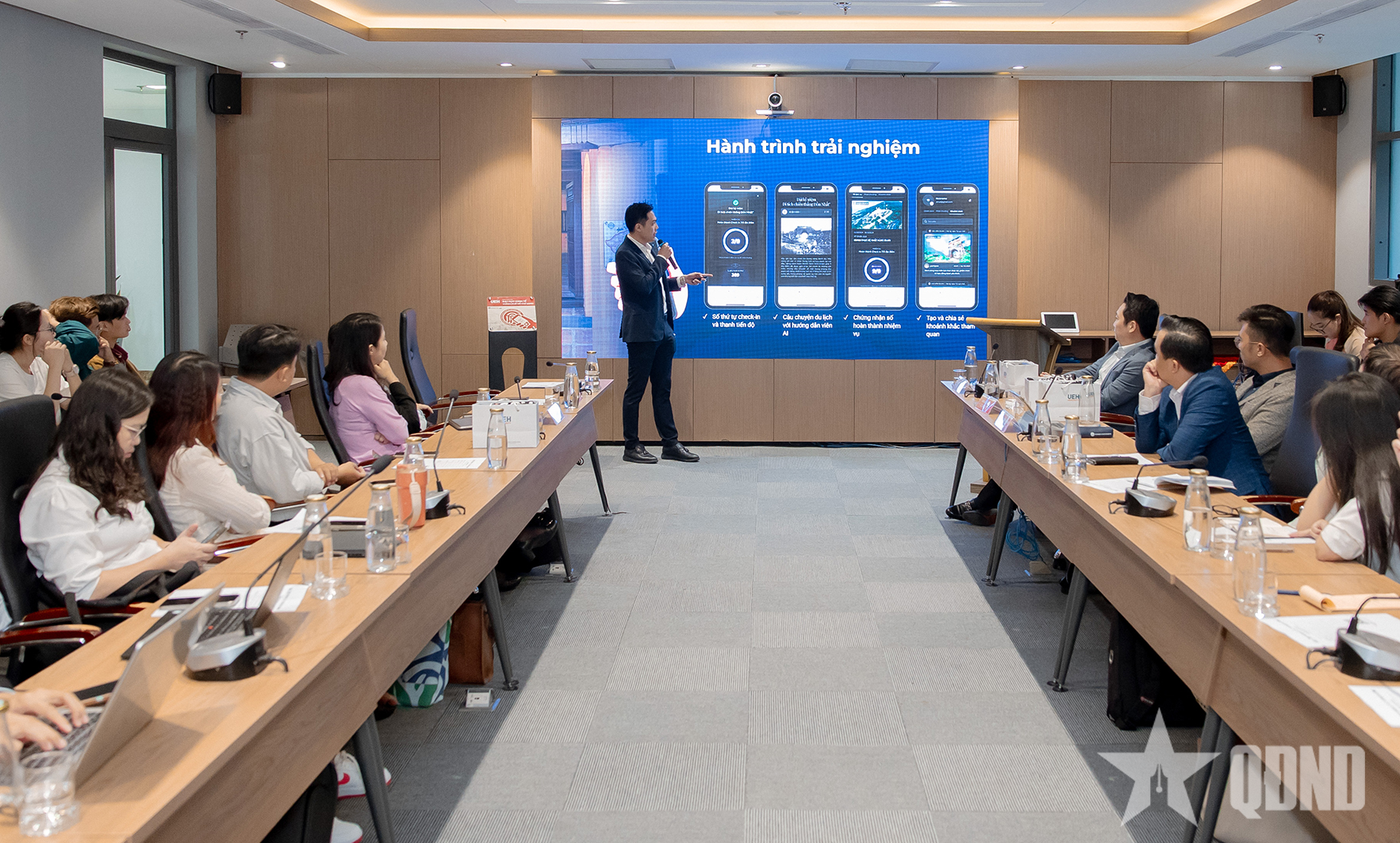
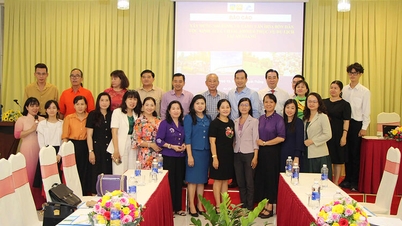
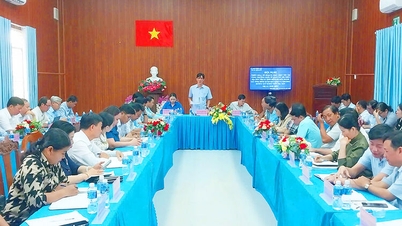
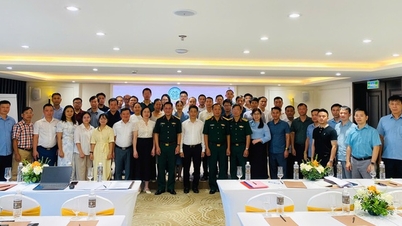
A view of the workshop on Physical Technology in Tourism organized by the University of Economics Ho Chi Minh City. |
According to Mr. Nguyen Huy, General Director of Phygital Labs Joint Stock Company, the groundbreaking new solution for interactive tourism experiences is the smart check-in station system. The system operates based on NFC technology (Near Field Communication), allowing for the authentication of tours, tracking data, and monitoring traffic in real time. The system integrates many modern features, creating memorable travel moments, providing AI (artificial intelligence) guides, optimizing revenue for businesses, and supplying data for sustainable development planning.
According to Mr. Nguyen Huy, the system's implementation offers numerous outstanding benefits, including the ability to monitor tourist flow, manage crowds in real time, and flexibly adjust to trends. Simultaneously, it enhances customer interaction by providing a fast and personalized check-in experience based on AI. This system has already been implemented at many prominent tourist destinations such as: Hue Imperial Citadel, Hai Van Pass, SunWorld Ba Den peak (Tay Ninh), SunWorld Fansipan (Lao Cai), etc.
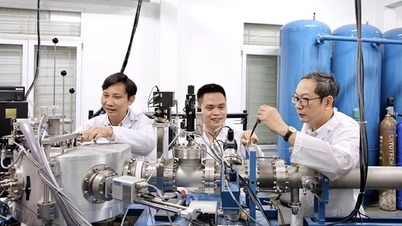
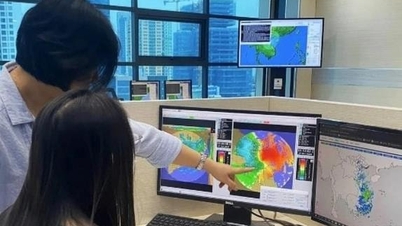
Researching the benefits of digital technology in tourism. |
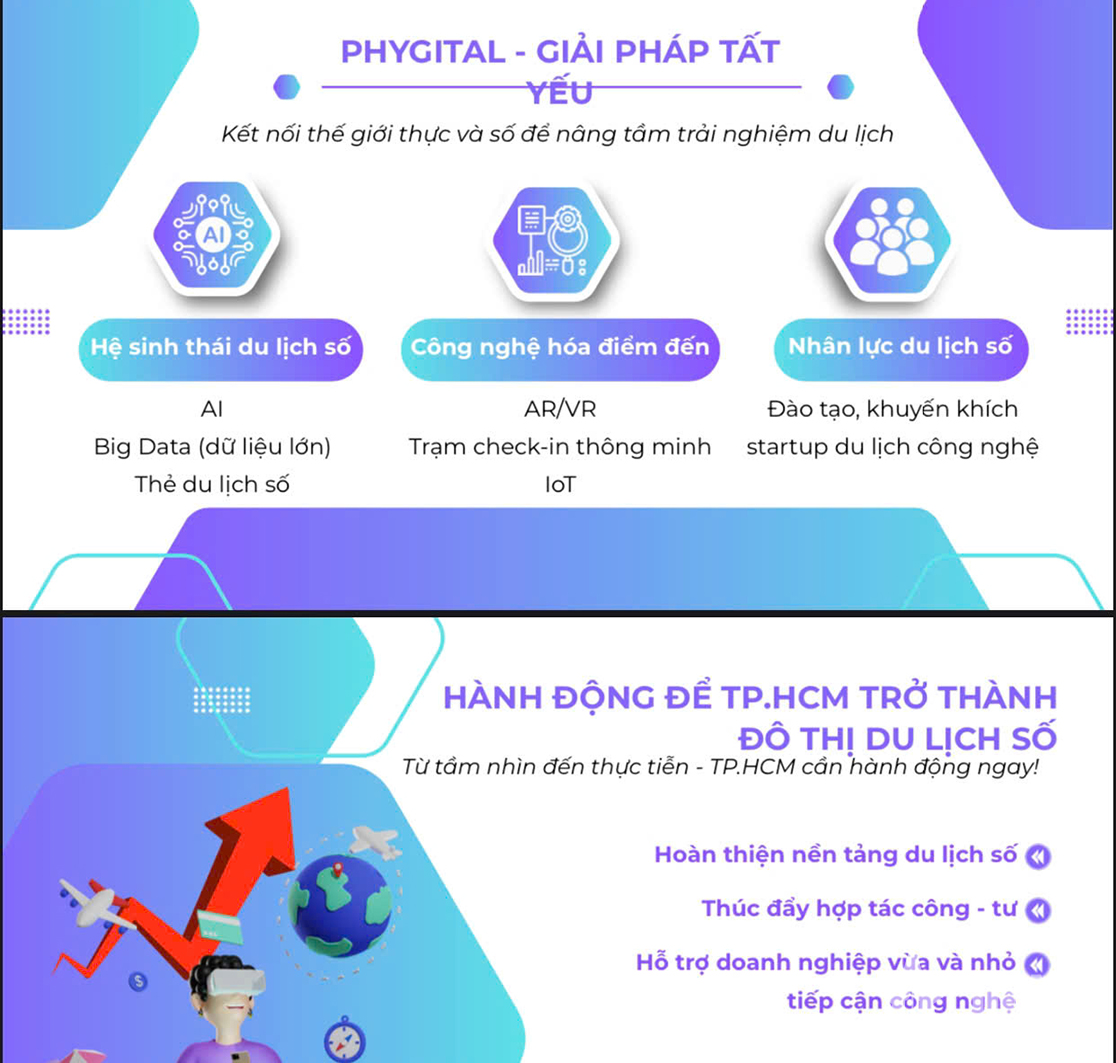
In Ho Chi Minh City, the tourism industry has effectively implemented comprehensive and synchronized digital transformation solutions in management, administration, and practical application to promoting and attracting domestic and international tourists. The city has revamped its electronic publications to help tourists easily search for and access information in the digital environment. The application of advanced technologies such as Big Data, AI, and digital travel cards will contribute to creating a smart tourism ecosystem for the city.
According to Le Truong Hien Hoa, Deputy Director of the Ho Chi Minh City Department of Tourism: "Physical technology has become an essential element in the development of the tourism industry. Digital applications will provide destination information, online booking and payment, connecting digital experiences with real-world services. Many restaurants, hotels, and attractions in the city are using QR codes to provide information or make payments, creating a seamless connection between the digital and physical worlds. Furthermore, digital technology is also a platform for travel businesses to enhance customer experience, from online tour booking and cashless payments to 24/7 chatbot support that helps personalize services better."
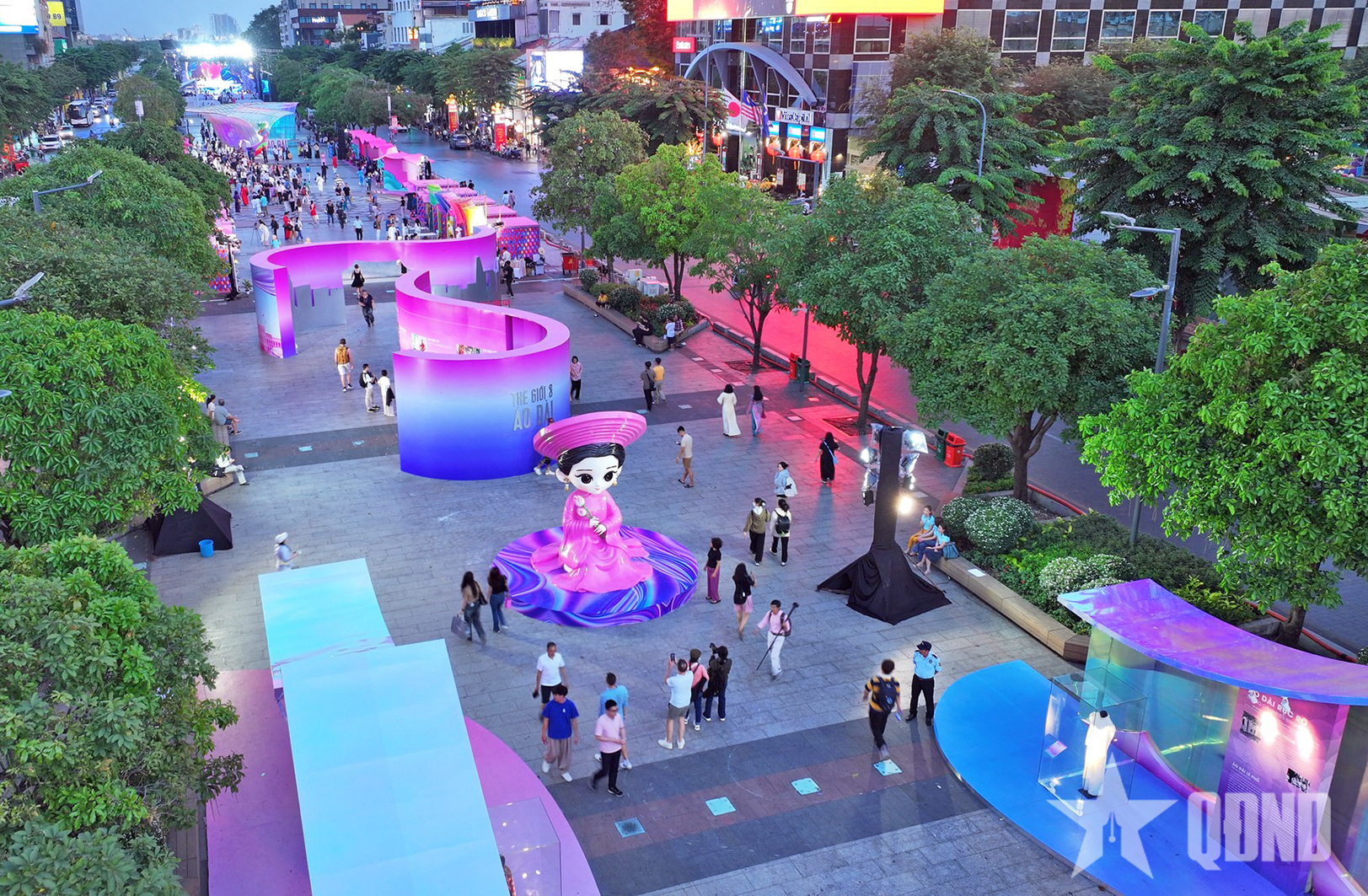
The Ho Chi Minh City Ao Dai Festival 2025 area features many virtual reality interactive zones. Photo: Xuan Hieu |
The application of digital technology also promotes training and support for technology-based tourism startups, aiming to develop high-quality human resources. Regarding this issue, according to Associate Professor Bui Quang Hung, Deputy Director of the University of Economics Ho Chi Minh City, the university is committed to collaborating with businesses, the government, and the learning community in researching, training, and implementing technological applications in practice, with the goal of building a modern, sustainable, and highly competitive digital tourism ecosystem for the whole country in general and Ho Chi Minh City in particular.
Source: https://baoangiang.com.vn/phygital-va-su-chuyen-doi-so-trong-nganh-du-lich-a417096.html
![[Image] Hanoi's urban life under the challenge of a "scorching hot" environment](https://vphoto.vietnam.vn/thumb/1200x675/vietnam/resource/IMAGE/2026/05/25/1779706979265_nang-nong-t5-2026-minh-duy-7-4636-jpg.webp)




![[Image] Close-up view of the interchange connecting the two expressways and Long Thanh Airport.](https://vphoto.vietnam.vn/thumb/1200x675/vietnam/resource/IMAGE/2026/05/25/1779703378210_ndo_br_z7863716673926-224453a31600126cce10622af6290afd-4549-jpg.webp)







































































Comment (0)