

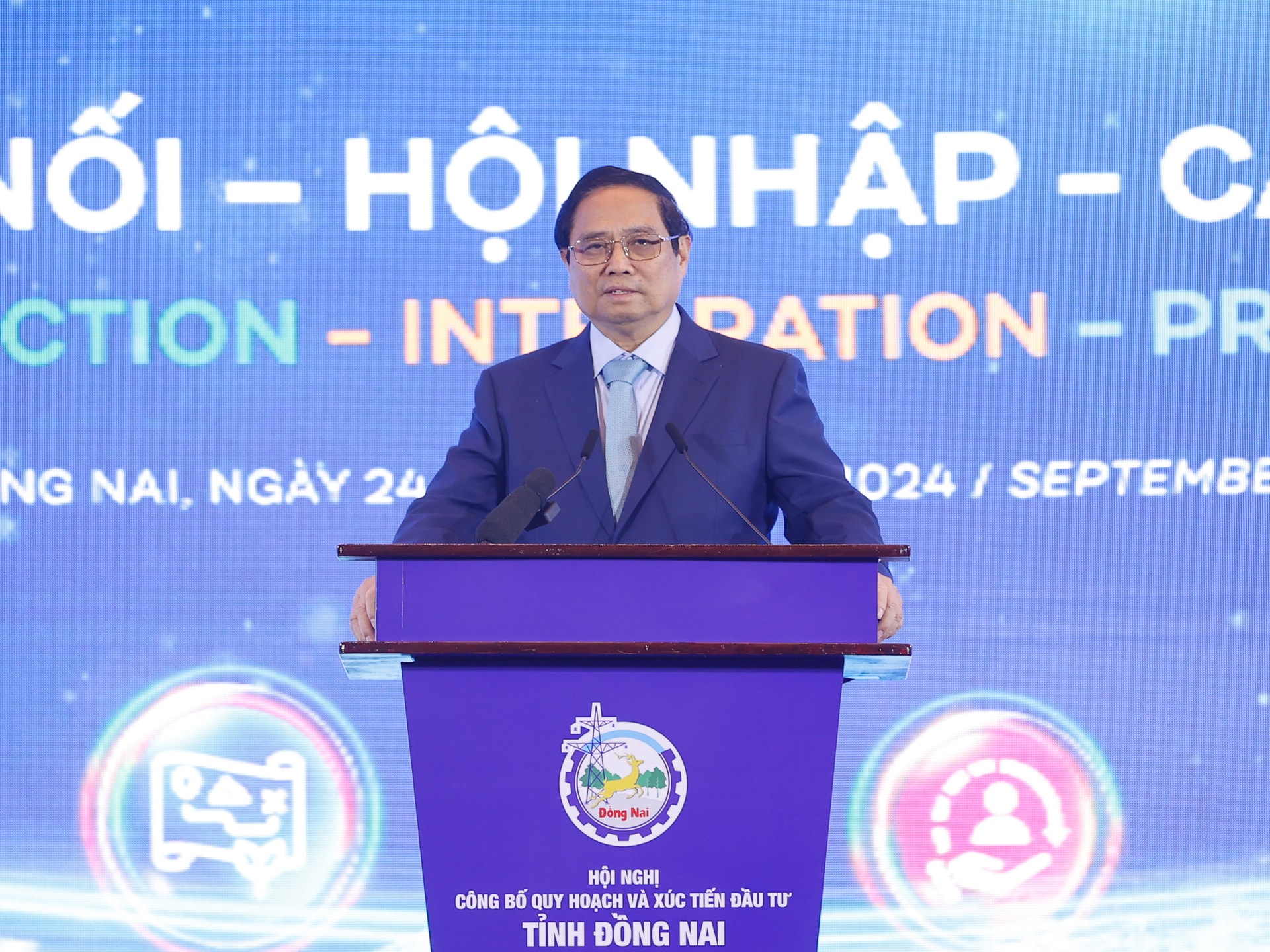
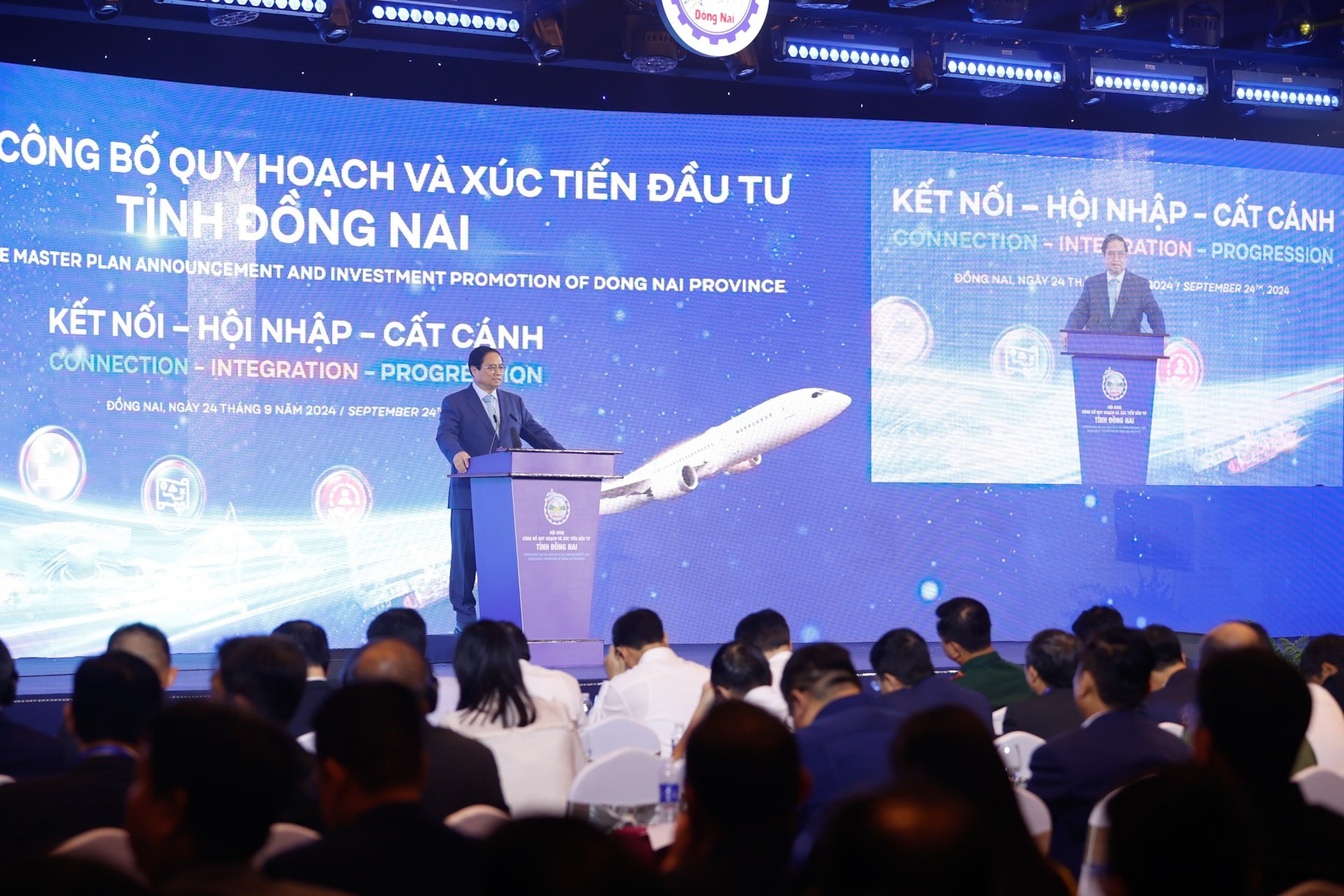
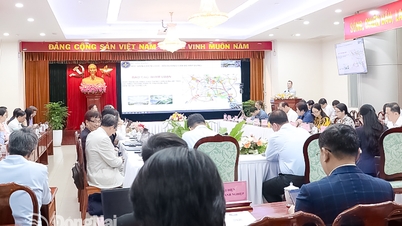
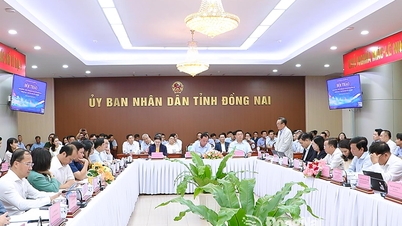
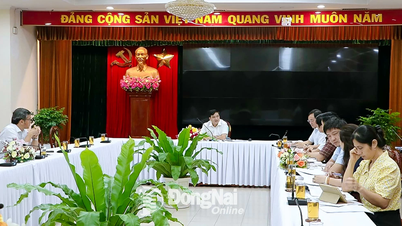
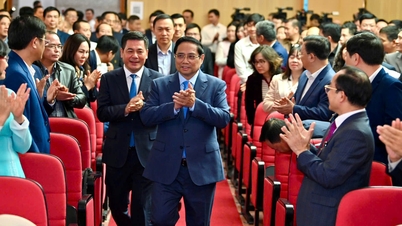
On the morning of September 24th, during his working visit to Dong Nai province, Prime Minister Pham Minh Chinh attended the conference to announce the planning for the period 2021-2030, with a vision to 2050, and to promote investment in Dong Nai province.
Attending the conference were leaders from ministries, central agencies, Dong Nai province and some localities; representatives of international organizations, partners, investors, and domestic and foreign businesses.
This is an important forum, a good opportunity for domestic and foreign partners, businesses, and investors to directly engage in dialogue with provincial leaders, to understand and grasp the thinking, vision, new development space, potential, strengths, opportunities, and specific projects of Dong Nai; at the same time, leaders of central ministries and agencies can offer opinions and suggestions on development orientation and solutions to promote cooperation and enhance investment attraction in the province.
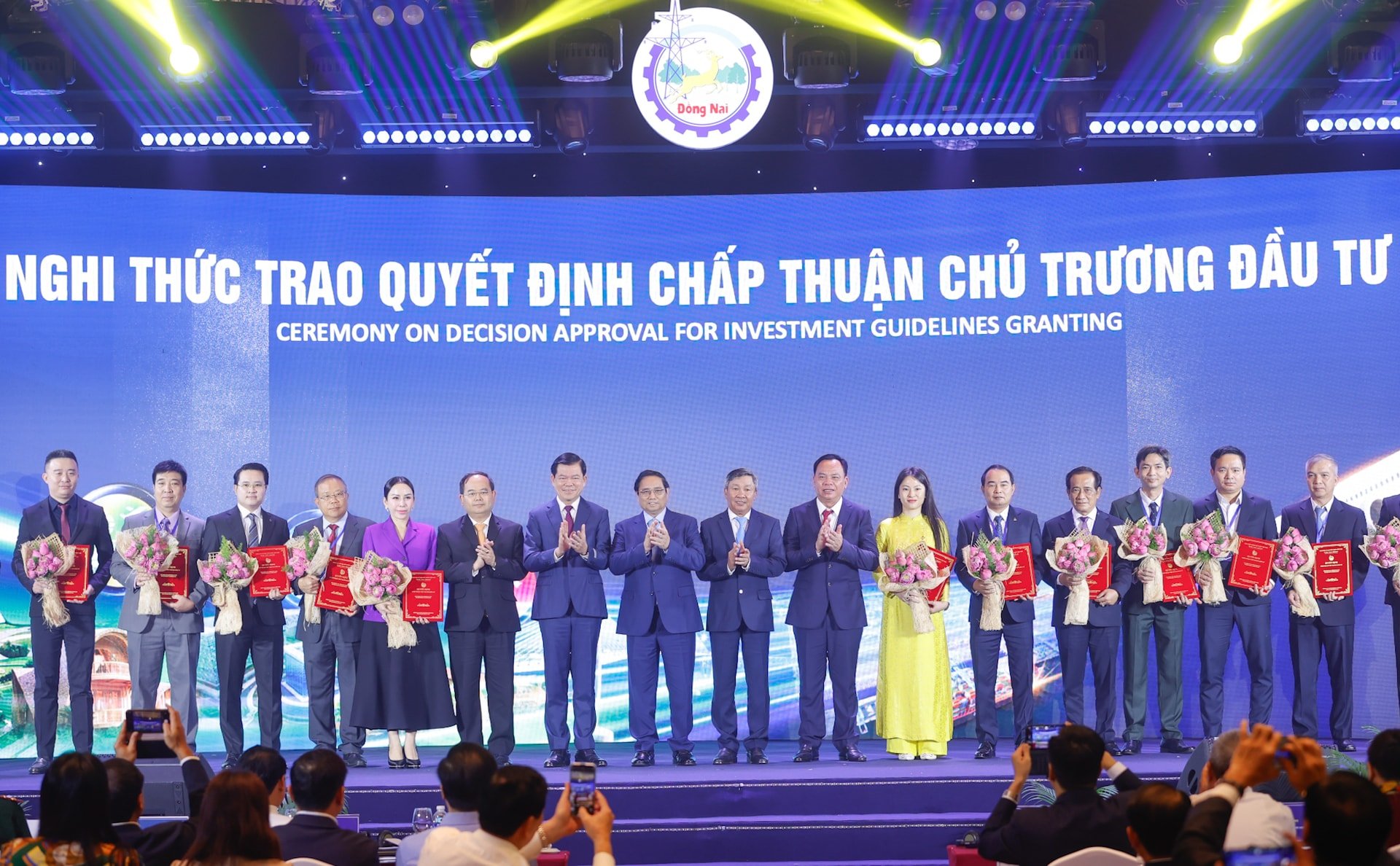
17 projects with a total investment of 155,000 billion VND.
At the conference, Dong Nai province issued investment registration certificates and decisions approving investment policies for 17 projects with a total investment capital of VND 155,000 billion (USD 6.2 billion).
Analyzing the potential and advantages of Dong Nai, opinions at the conference assessed that the province, with an area of 5,863 km2, is the second largest in the Southeast region, has a strategically important geographical location in the Southern key economic region, and is one of the leading dynamic development areas in the country.
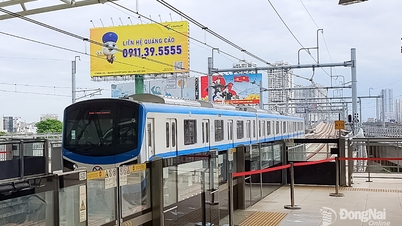
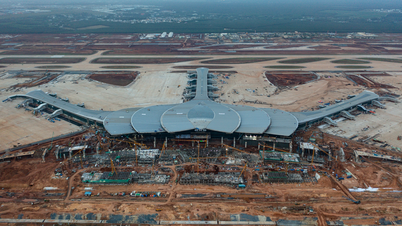
Dong Nai serves as a gateway connecting the Southeast region with the Central Highlands and the Central Coast; it is a crucial link in regional connectivity through multimodal transport: road, rail, waterway, and especially Long Thanh International Airport.
Dong Nai has a large area of land planted with perennial industrial crops and fruit trees, over 190,000 hectares; it leads the country in animal feed production and industrial-scale livestock farming.
Dong Nai has the highest number of industrial parks in the country, earning it the title of industrial capital (32 industrial parks and 36 industrial clusters); it attracts a large amount of FDI (nearly 2,000 active projects, with a total investment capital of nearly 37 billion USD), and has the largest manufacturing and processing industry in the country.
Dong Nai has strengths in tourism development, especially ecotourism and cultural tourism associated with the conservation and promotion of heritage values; it is the "Green Lung" of the Southeast region with the Dong Nai Biosphere Reserve covering an area of 756,000 hectares and home to many rare species of flora and fauna.
With its large population, Dong Nai has an abundant labor force for economic development. The province has 3.3 million inhabitants, accounting for 3.2% of the country's population and ranking 5th nationwide (1.9 million workers).
Dong Nai is a land with a long history and rich culture in the South; its formation and development are closely linked to many generations of talented and distinguished individuals.
Dong Nai has many unique traditional crafts (such as pottery, traditional handicrafts, agricultural product processing, brick and tile production, bronze casting, and cast iron casting); it also has many historical and cultural relics and natural heritage sites.
Over the years, Dong Nai has achieved a relatively high economic growth rate, with a strong increase in the size of its economy, reaching 7.08% in the 2015-2020 period and 6.69% in the 2021-2023 period. Dong Nai has consistently maintained its position among the top 10 localities with the highest budget revenue in the country.
The province's economic structure continues to shift in a positive direction, gradually increasing the proportion of the industrial and service sectors and decreasing the proportion of agriculture, forestry, and fisheries. In 2016, agriculture, forestry, and fisheries accounted for 11.7%; industry and construction accounted for 58.3%; and the service sector accounted for 22.2%. By 2023, these figures had decreased to 9.2%, 60.5%, and 22.5%, respectively.
The industrial park system has developed strongly, attracting many large foreign investment projects (32 industrial parks and 36 industrial clusters, with over 84% of the area occupied; over 40 countries and territories have invested in the province with a total capital of 37 billion USD).
Dong Nai is a major export center for products such as footwear, textiles, wood products, computers, electronic products and components; on the other hand, it also primarily exports agricultural products such as processed rubber latex, coffee, peanuts, and cashews.
Dong Nai province has achieved the new rural standard; 11 out of 11 districts and 120 out of 120 communes have achieved the new rural standard; one district (Xuan Loc) and 106 communes have achieved the advanced new rural standard, including 30 communes that have achieved the model new rural standard.
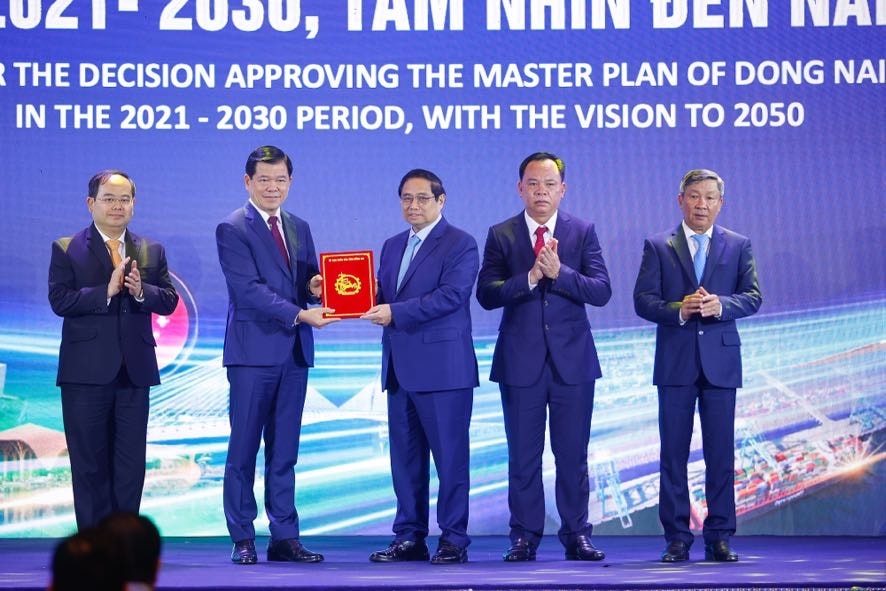
The Dong Nai provincial planning is a 'product of intellectual ingenuity'.
Speaking at the conference, Prime Minister Pham Minh Chinh highly appreciated Dong Nai province and the Ministry of Planning and Investment, as well as other agencies, localities, and partners for their meticulous preparation of the conference, which combined "2 in 1" content: announcing the Dong Nai Provincial Planning and promoting investment.
Spending time analyzing planning work, the Prime Minister emphasized that planning plays a very important role, creating great opportunities, having long-term impacts, and serving as a crucial driving force in development.
Planning must be proactive, realistic, feasible, and able to leverage the unique potential, outstanding opportunities, and competitive advantages of each region and locality.
Since the beginning of the 13th National Congress term, this work has received focused investment and been accelerated; to date, the preparation, appraisal, and approval of 110 out of 111 planning documents have been completed.
Planning plays a leading and guiding role, helping to ensure development is on the right track, rapid, sustainable, comprehensive, and inclusive; it helps to effectively exploit and utilize space: land, water-sea, and underground space; planning must have innovative and groundbreaking thinking, a strategic vision, and be holistic, inclusive, and comprehensive; planning must be one step ahead, while also ensuring a systematic, interconnected, and progressive approach; in the implementation process, good consultants are essential for good planning, good planning leads to good projects, and good projects lead to good investment, creating new opportunities and new value.
Planning must adhere closely to the Party's guidelines and policies, the State's laws; closely follow the practical situation of the locality, region, area, and the world, especially the potential and strengths of the locality; and closely follow the needs and aspirations of the people.
The Prime Minister pointed out three important factors and principles in planning work: Always placing people at the center, as the subject, resource, and driving force; not sacrificing social justice, progress, and environmental protection for mere growth; recognizing that resources originate from mindset, driving force from innovation, and strength from businesses and the people; and aligning with the development trends of industries, sectors, regions, the country, the region, and the world.
In addition, the five tasks of planning include: Identifying and developing unique potential, outstanding opportunities, and competitive advantages to effectively exploit for rapid and sustainable development; identifying contradictions, existing problems, limitations, and challenges to propose solutions and overcome them; building a prioritized list of projects and programs to attract investment, promote trade, and boost socio-economic development; and mobilizing resources for implementation (State, society, public-private partnerships, domestic and foreign).
Further analyzing the unique potential, outstanding opportunities, and competitive advantages of Dong Nai, the Prime Minister emphasized that Dong Nai has a strategic position in terms of socio-economic development and national security; a population of over 3 million people, abundant human resources, a young population with many aspirations; is an important transportation hub with all five modes of transport; is located in the key economic region of the Southeast; has a glorious cultural, historical, and revolutionary tradition; and possesses diverse natural advantages suitable for green, sustainable, and comprehensive development.
Regarding the results achieved so far, the Prime Minister assessed that Dong Nai has basically achieved the socio-economic development goals and targets set out in a very difficult context, especially the severe impact of the COVID-19 pandemic on an industrial province with a large population. In the first months of 2024, the province has recovered and developed relatively comprehensively.
On behalf of the Government, the Prime Minister acknowledged, commended, and congratulated the significant achievements that the Party Committee, government, military, and people of Dong Nai province have made in the past period. This also serves as a basis for consolidating and strengthening the confidence of businesses and investors.
Furthermore, the scale of Dong Nai's economy is still not commensurate with its potential, advantages, and strategic geographical location; the quality of growth, the results of administrative reforms, competitiveness, the development of specialized industrial zones, and the proportion of trained workers need to be further improved.
The Prime Minister assessed that the Dong Nai Provincial Planning had been meticulously prepared, systematic, and scientific; it identified the viewpoint, vision, and key development goals, as well as breakthroughs; and it included solutions, preferential policies, and resources for implementing the plan in the coming period.
"This is the culmination of the intelligence of Dong Nai, its scientists, businesses, people, and the entire country; a good plan for 'connecting, integrating, and taking off'," the Prime Minister assessed.
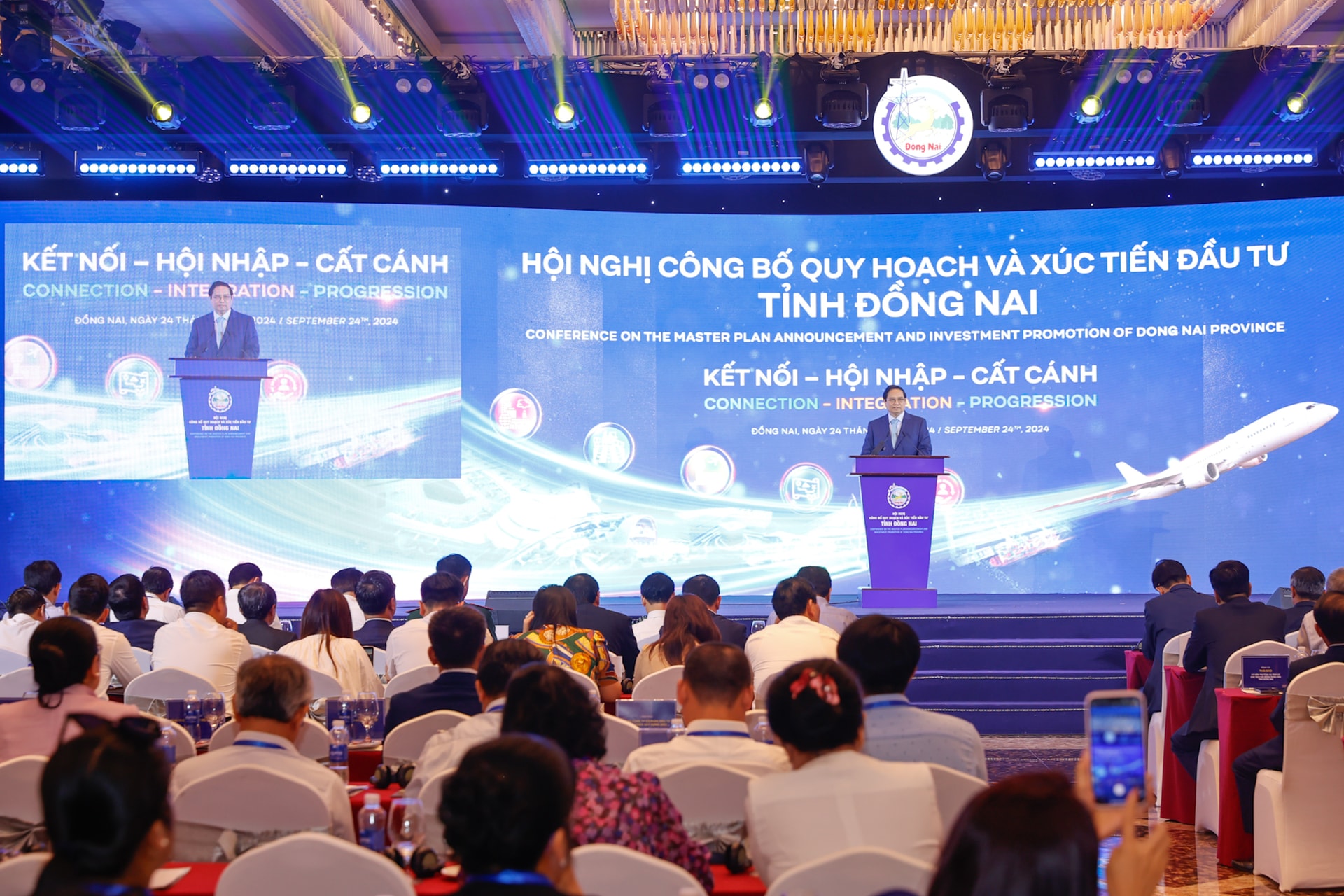
Maximizing the efficiency of Long Thanh International Airport.
The Prime Minister stated that, in order to realize the Plan, Dong Nai needs to focus on implementing "1 key priority, 2 areas of enhancement, and 3 breakthroughs".
"One focus": Mobilizing and effectively utilizing all legitimate resources to promote traditional growth drivers (investment, exports, consumption); making breakthroughs in new growth drivers (green economy, digital economy, circular economy, sharing economy, knowledge economy...).
"Two enhancements" include: Enhancing investment and developing human resources (improving public education, training high-quality human resources, nurturing talent, ensuring social security); and strengthening regional, domestic, and international connectivity through transportation systems, production systems, and supply chains, and market connections.
"Three breakthroughs" include: a breakthrough in developing a synchronized strategic infrastructure system (in transportation, climate change response, digital infrastructure, healthcare, education, social services, etc.); a breakthrough in promoting science and technology, innovation, entrepreneurship, applying the achievements of the 4th industrial revolution, developing businesses, creating jobs, and ensuring stable and sustainable livelihoods for the people; and a breakthrough in training and attracting high-quality talent and human resources, reforming administration, and improving the investment and business environment.
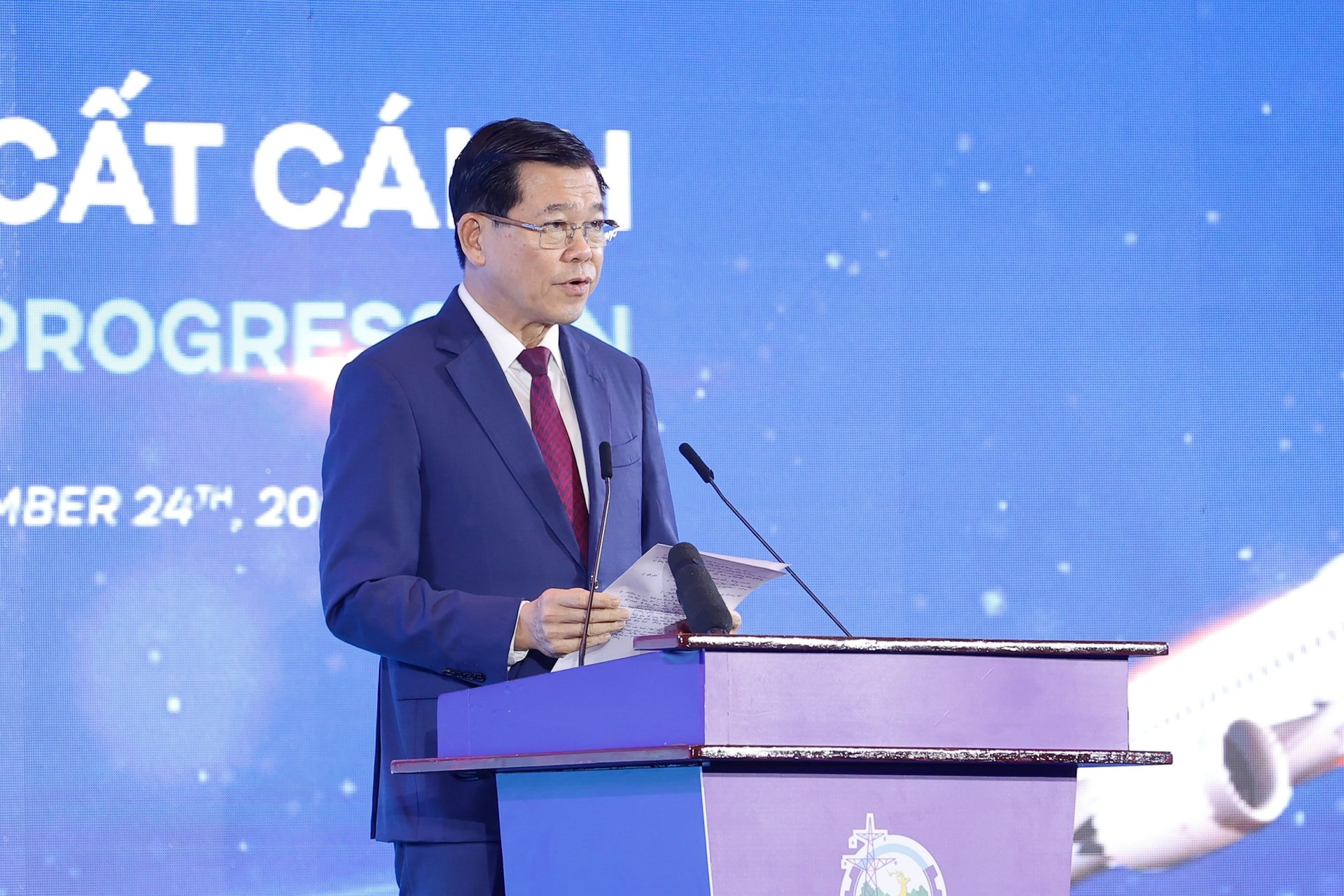
Regarding tasks and solutions, the Prime Minister requested Dong Nai province to develop a specific plan for implementing the Master Plan, ensuring compliance and consistency in its implementation; and aligning it with the national master plan, regional plans, and sectoral plans.
Continuously innovate thinking and development vision, exploit and promote historical and cultural traditions; strengthen public-private partnerships, using public investment to lead private investment; do a good job of land clearance, and continue to promote investment in strategic infrastructure, especially transportation, urban, health, education, social infrastructure, and climate change adaptation.
Effectively leverage the province's three key economic zones, allocating resources for synchronized and efficient spatial development. Develop key industries and high-tech industries, transforming industrial parks towards green, digital, and circular approaches.
Strengthening regional, national, and international linkages, promoting Dong Nai's role and position as one of the important trade centers of the Southeast region; exploiting Long Thanh International Airport and Bien Hoa dual-use airport as driving forces to develop services into an important economic sector.
Promote administrative procedure reform and improve the investment and business environment; strive to further improve ranking indicators such as PAPI, PCI, etc.; prepare well-planned investment projects to attract investors, especially large and potential investors.
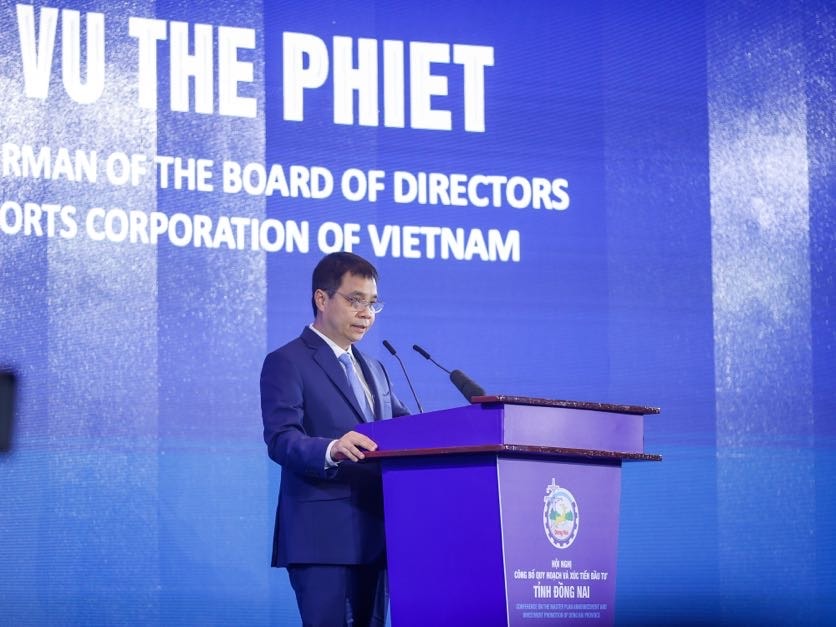
To achieve harmonious development among economy, culture, society, and environment; to strengthen environmental and natural protection, conserve biodiversity, and proactively prevent and mitigate natural disasters and adapt to climate change. To establish biodiversity corridors; to protect biodiversity conservation sites. To strengthen forest planting, protection, and management, and to pay attention to protecting biosphere reserves.
In particular, the Prime Minister requested that the province widely disseminate and thoroughly explain the plan so that everyone understands and grasps it, thereby supporting the plan, following the plan, monitoring its implementation, and benefiting from it in the spirit of "The people know - The people discuss - The people do - The people benefit".
Regarding the tasks of localities in the Southeast region, the Prime Minister requested continued effective implementation of Resolution No. 24-NQ/TW dated October 7, 2022, of the Politburo on socio-economic development and ensuring national defense and security in the Southeast region until 2030, with a vision to 2045.
United in purpose, with mutual support, they will work together to solve inter-provincial and inter-regional problems, and effectively implement the regional plan. They will also research the establishment of funds and mechanisms to support inter-provincial and inter-regional projects. The Prime Minister expects the provinces and cities in the region to promote self-reliance and self-improvement, overcoming limitations and surpassing themselves to achieve development.
Regarding central ministries and agencies, the Prime Minister requested continued monitoring and effective coordination in the implementation of the Dong Nai provincial planning; working with localities throughout the region to leverage combined strengths in effectively implementing the plan; and regularly summarizing, drawing lessons learned, and supplementing and adjusting the plan as appropriate.
Dong Nai has solid foundations for remarkable development.
Regarding investment promotion activities, The Prime Minister expressed his sincere gratitude and welcomed the businesses and investors who have chosen Dong Nai province for investment; he expressed his confidence and hope that the projects will be successfully implemented and bring practical results.
The Prime Minister urged businesses and investors to uphold their mission, build long-term, sustainable business strategies, fulfill investment commitments and cooperation agreements, and adhere to the orientations and priorities set out in the provincial planning.
Pioneering in innovation, green transformation, digital transformation, technology transfer, application of smart management methods; training high-quality human resources.
Providing advisory opinions to state agencies on administrative procedure reform, improving the investment and business environment, and reducing compliance costs. Adhering to the law, practicing good business ethics and culture, fulfilling social responsibility, ensuring the livelihoods of workers, and social security.
The Prime Minister urged the business community, investors, and all ministries, sectors, and leaders at all levels of Dong Nai province to promote the spirit of "three together": (i) "together listening and understanding"; (ii) "together sharing vision and action"; (iii) "together working, together winning, together enjoying and together developing"; "not saying no, not saying it's difficult, not saying yes without doing it," what is said must be done, commitments must be fulfilled, and implementation must yield tangible, measurable, and quantifiable results; creating new momentum and impetus for development, opening up new opportunities and new values for the locality and beneficiaries.
"The State is committed to always protecting the legitimate rights and interests of investors, and will not criminalize economic and civil relations, but anyone who violates the law, such as producing counterfeit goods, manipulating the market, or evading taxes, must be dealt with," the Prime Minister emphasized.
The Prime Minister affirmed that the position and role of Dong Nai province are increasingly being asserted in the overall development strategy of the country, serving as an important link in the Southeast region, and as a growth pole for the region and the entire country.
The Prime Minister emphasized that Dong Nai possesses solid foundations that need to be seized and leveraged for outstanding development: these include the spirit of great unity, a glorious cultural and historical tradition, a clean and strong Party organization, the support of the people, the foundation of internal capacity, the determination to overcome limitations and strive for progress, and the support of international friends and partners, businesses, and localities.
The Prime Minister conveyed the following message to Dong Nai: "What is said must be done, what is started must be achieved, what is discussed must be thoroughly understood; with determination and unity of purpose, overcome challenges and bring warmth to the people; compete with the entire region, and constantly strive to be a pioneer."
According to the Dong Nai Provincial Planning, the overall goal is that by 2030, Dong Nai will become a civilized, modern, and high-growth province, surpassing the high-income threshold and ranking among the top provinces nationwide. The economy will develop dynamically and lead in the development of aviation, high-tech industries, science and technology, and innovation. The economic and social infrastructure system and urban system will develop synchronously, modernly, intelligently, sustainably, and with a rich identity, particularly the development of airport cities and world-class ecological cities. Cultural identity will be preserved and promoted; the ecological environment will be protected and adapted to climate change; and national defense and security will be firmly ensured.
By 2050, Dong Nai strives to become a centrally-governed city, a leader in high-tech industrial development, with a synchronous, smart, and modern infrastructure system; an international trade, tourism, and service center linked to world-class cities; a hub for intellectuals and talents; focusing on green and circular economies; and achieving a net-zero emission target. All social sectors will develop harmoniously; people will enjoy prosperous and happy lives; and national defense, security, and social order will be firmly ensured.
The development orientations and priorities according to the Dong Nai Provincial Planning include:
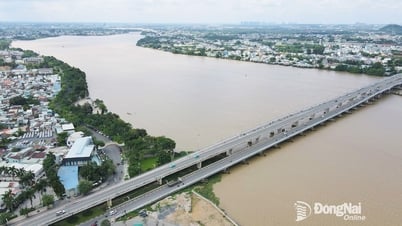
- 3 dynamic regions: (1) Western urban-service-industrial dynamic region (with the core being the chain of urban areas along the Dong Nai River: Bien Hoa-Long Thanh-Nhon Trach); (2) Eastern industrial-agricultural-service development dynamic region (with the core being Long Khanh city); (3) Northern agricultural-tourism-ecological development dynamic region (with the core being the Dinh Quan-Tan Phu urban pair).
- 3 belts: (1) Belt 4; (2) National Highway 56 - Provincial Road 762 belt; (3) Dong Nai-Ba Ria Vung Tau connecting belt.
- 6 corridors: (1) Dong Nai River corridor; (2) Bien Hoa-Vung Tau Expressway and National Highway 51 corridor; (3) Ho Chi Minh City-Long Thanh-Phan Thiet Expressway corridor; (4) National Highway 1 and North-South railway corridor; (5) National Highway 20 and Dau Giay-Tan Phu Expressway corridor; (6) Ben Luc-Long Thanh Expressway corridor.
- 6 pillars of development: (1) Developing the industrial sector towards becoming a modern industrial center of the whole country; (2) Developing urban tourism and services, especially industrial support services; (3) High-efficiency and sustainable agriculture; (4) Building Long Thanh airport as the focus to develop an airport city worthy of the region; (5) Developing digital economy, green economy, circular economy, contributing to achieving the net zero goal by 2050; (6) Developing high-quality human resources and emerging industries.
Source: https://baotainguyenmoitruong.vn/thu-tuong-quy-hoach-tinh-giup-dong-nai-ket-noi-hoi-nhap-va-cat-canh-380543.html

![[Photo] Prime Minister Pham Minh Chinh attends the Conference on the Implementation of Tasks for 2026 of the Industry and Trade Sector](/_next/image?url=https%3A%2F%2Fvphoto.vietnam.vn%2Fthumb%2F1200x675%2Fvietnam%2Fresource%2FIMAGE%2F2025%2F12%2F19%2F1766159500458_ndo_br_shared31-jpg.webp&w=3840&q=75)


















































Comment (0)