

Kinhtedothi - The policies outlined in Conclusion No. 127-KL/TW dated February 28, 2025, of the Politburo and the Secretariat of the Central Committee "on conducting research and proposing further restructuring of the political system's organizational apparatus" are very correct, necessary, timely, and appropriate to the current conditions.
According to Associate Professor Bui Thi An, former National Assembly representative and President of the Hanoi Women Intellectuals Association, Conclusion No. 127-KL/TW dated February 28, 2025, of the Politburo and the Secretariat of the Central Committee "on conducting research and proposing further restructuring of the political system's organizational apparatus," which includes the policy of researching and orienting the merger of some provincial-level units, eliminating district-level organizations, and merging some commune-level units; implementing a two-tiered local model (party organization, government, and mass organizations) to ensure efficiency, effectiveness, and efficiency, is entirely appropriate to current conditions.
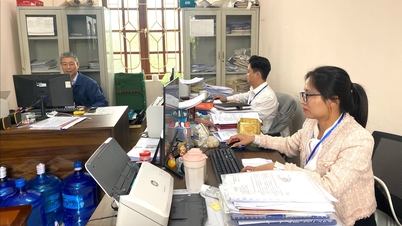
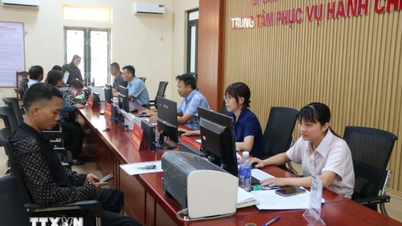
Enhancing the responsibility and competence of commune-level officials.
According to Associate Professor Bui Thi An, through the development process, we are now in a modern stage with the Fourth Industrial Revolution. Socio- economic conditions and infrastructure are completely different from before, so it can be said that Conclusion No. 127-KL/TW is entirely appropriate, allowing us to both organize the merger and streamline the apparatus while still effectively implementing tasks, policies, and guidelines.
“Previously, the country lacked the conditions to implement this work due to low economic conditions, the absence of the Fourth Industrial Revolution, and the underdeveloped internet and telephone networks. Therefore, we still had to maintain a three-tiered local government model and a four-tiered national government model. Furthermore, research from other countries shows that a two-tiered local government model is entirely appropriate and effective. Therefore, at this time, eliminating intermediate levels and merging provinces based on population size, area, and careful consideration of national master plans, regional plans, local plans, socio-economic development strategies, sectoral development, expanding development space, leveraging comparative advantages, meeting the development requirements of each locality, and the requirements and orientations of the new development phase... is appropriate. The restructuring still ensures the effectiveness of work, that policies reach the people, and achieves the goals and requirements of national development.” "The lives of the people and serving the people should be at the center," Associate Professor Dr. Bui Thi An stated.
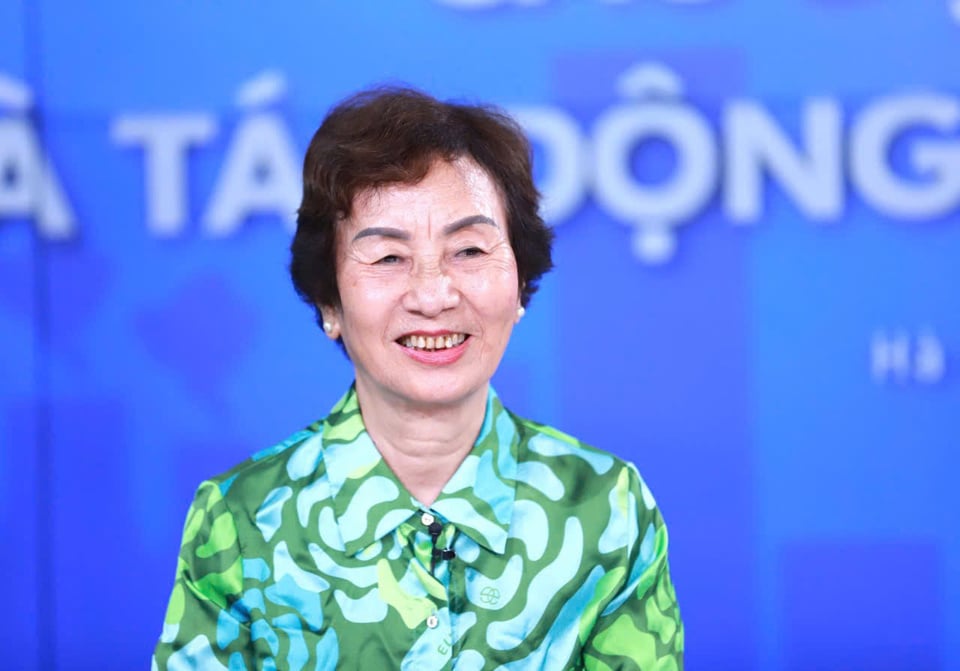
The elimination of district-level administrative units not only reduces the number of intermediate-level civil servants and eases the burden on the budget, but also promotes streamlining and thorough administrative reform. As a result, work is handled more quickly, economically, and efficiently. The people are the biggest beneficiaries, as all government activities are aimed at serving the people and improving their material and spiritual well-being. Therefore, the people have high expectations for this revolution.
Associate Professor Bui Thi An believes that the primary goal of the government is to serve the people, and since the commune level is the closest to the people, this is also an opportunity for the commune-level government apparatus to operate more effectively. Therefore, solutions are needed to continue raising awareness of responsibility, innovating thinking, and improving the qualifications and skills of commune-level officials and civil servants.
“With a two-tiered local government system, there will no longer be a situation where communes ‘wait for reports’ from the district level. Instead, they must independently resolve and take responsibility for certain issues, even those beyond their previous ‘scope.’ Therefore, it is clear that commune officials need to improve not only their skills but also their sense of responsibility, and need to learn and cultivate more. It can be affirmed that preparing the team of commune-level officials, including the selection and placement of these officials to take over the work after the elimination of the intermediate level, is an extremely important issue in the coming period, as this is the level closest to the people. Only then can we contribute to achieving the goal of reducing inconvenience for the people and ensuring that work continues smoothly, guaranteeing an efficient, effective, and effective system as required by the Politburo,” said Associate Professor Dr. Bui Thi An.
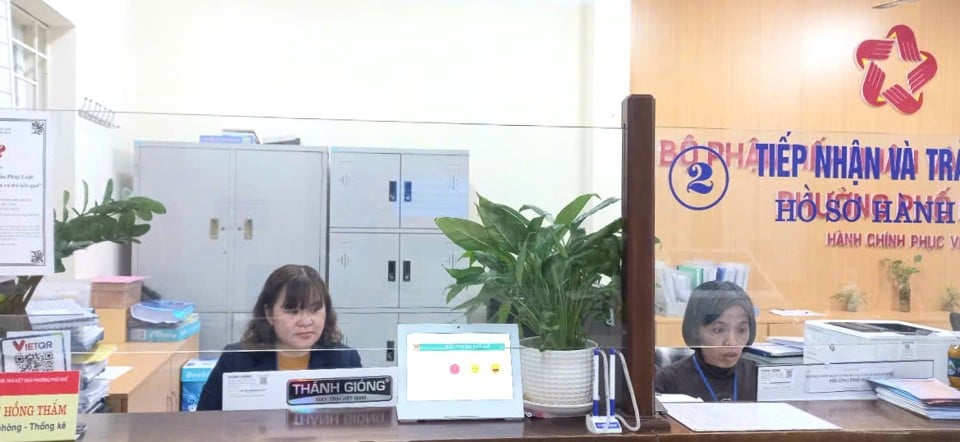
Emphasize the monitoring and post-monitoring stages.
The people are eagerly awaiting and expecting that this revolution in the organizational structure of the political system will create momentum for the country's progress. Strengthening organizational streamlining, building, perfecting, and improving the efficiency and effectiveness of the political system to meet the country's requirements and tasks, in accordance with the spirit of Conclusion No. 127-KL/TW of the Politburo and the Secretariat, is an important task that needs to be done.
Associate Professor Bui Thi An stated that the commune-level government is the most grassroots government, closest to the people, and directly addresses issues related to the rights and interests of the people. Granting additional authority and power must be linked to the responsibility of officials. Inspection and supervision must be strengthened, especially the supervision by the people. Close coordination between all levels, sectors, and departments is necessary to create the most open and favorable environment for citizens and businesses.
“During this period, the people greatly welcomed Conclusion No. 127-KL/TW dated February 28, 2025, of the Politburo and the Secretariat, which outlined specific progress, plans, deadlines, and a determination to implement them, thus gradually increasing public trust. However, to effectively implement the civil servant system at all levels of local government according to the set goals, the supervisory mechanism plays a very important role. Supervision and monitoring of the civil servant team are essential to ensure that all work is carried out consistently; if we assign personnel without supervision and post-supervision, it will be difficult to achieve the goals of mergers, streamlining, and reducing intermediate steps,” said Associate Professor Dr. Bui Thi An. At the same time, it was noted that revolutionary movements aimed at streamlining the apparatus and building a lean, strong, efficient, and effective political system are currently taking place from the central to local levels, including Hanoi. With the decisive leadership of the Party, the involvement of ministries, sectors, and localities, and the consensus of the people, the task of streamlining the apparatus will be carried out scientifically, systematically, and with guaranteed effectiveness and efficiency.
Source: https://kinhtedothi.vn/ket-luan-so-127-kl-tw-quyet-dinh-dung-dan-va-can-thiet-gop-phan-khoi-thong-nguon-luc-de-phat-trien.html
![[Photo] Prime Minister Pham Minh Chinh attends the Conference on the Implementation of Tasks for 2026 of the Industry and Trade Sector](/_next/image?url=https%3A%2F%2Fvphoto.vietnam.vn%2Fthumb%2F1200x675%2Fvietnam%2Fresource%2FIMAGE%2F2025%2F12%2F19%2F1766159500458_ndo_br_shared31-jpg.webp&w=3840&q=75)









































































Comment (0)