

- Unlocking the tourism potential of traditional Chinese pastries.
- Connecting generations through a love of traditional Vietnamese cakes.
- The vibrant colors of traditional Southern Vietnamese cakes converge in Vinh My.
- Traditional cakes need more "cultural stories."
Although imported from abroad, radish cake has undergone continuous adaptations and become a shared dish in the Southern region, blessed with abundant natural resources. Originally, radish cake consists only of radishes that have been grated or finely chopped, rinsed several times, squeezed dry, and then mixed with rice flour and peanuts before being steamed. Variations include adding pork or, more simply, just rice flour and radish.
 Traditional Chinese steamed radish cake.
When introduced to the Southern region of Vietnam, with its abundant produce, steamed rice cakes with added fillings of pork belly, dried shrimp, and Chinese sausage made the dish even more distinctive. Especially when fried with eggs and served with lettuce and a sweet and sour fish sauce dip with plenty of red chili, it becomes even more appealing. This is also a difference, replacing the soy sauce dipping sauce used in the traditional Chinese way of eating.
This is steamed radish cake, although there is another type of cake also called radish cake, but it doesn't use radish in its ingredients. The main ingredients of the filling are minced meat and finely chopped shrimp stir-fried with shredded cassava, all wrapped in a soft, thin pastry shell skillfully steamed. This cake is deeply rooted in Southern Vietnamese culture ; although easy to make, it requires a secret technique for mixing the batter and steaming the cake so that the shell is thin, soft, yet pliable enough to hold the filling without breaking and to create the shape of a folded cake.
 The process of coating the radish cake crust at Thien Ly restaurant, Bac Lieu ward.
Radish cakes, with their soft white crust, reveal a pinkish-orange filling and are garnished with a touch of green from the fried shallots, which prevents the cakes from sticking together and enhances their aroma. The finished radish cakes are served with lettuce, blanched bean sprouts, herbs, cilantro, a sprinkle of fragrant fried shallots, and a sweet and sour fish sauce dressing – all combined to create a refreshing and light meal.
Thanks to this, radish cake has become one of the delicious dishes, and there are well-known shops like Thien Ly radish cake shop (Bac Lieu ward).
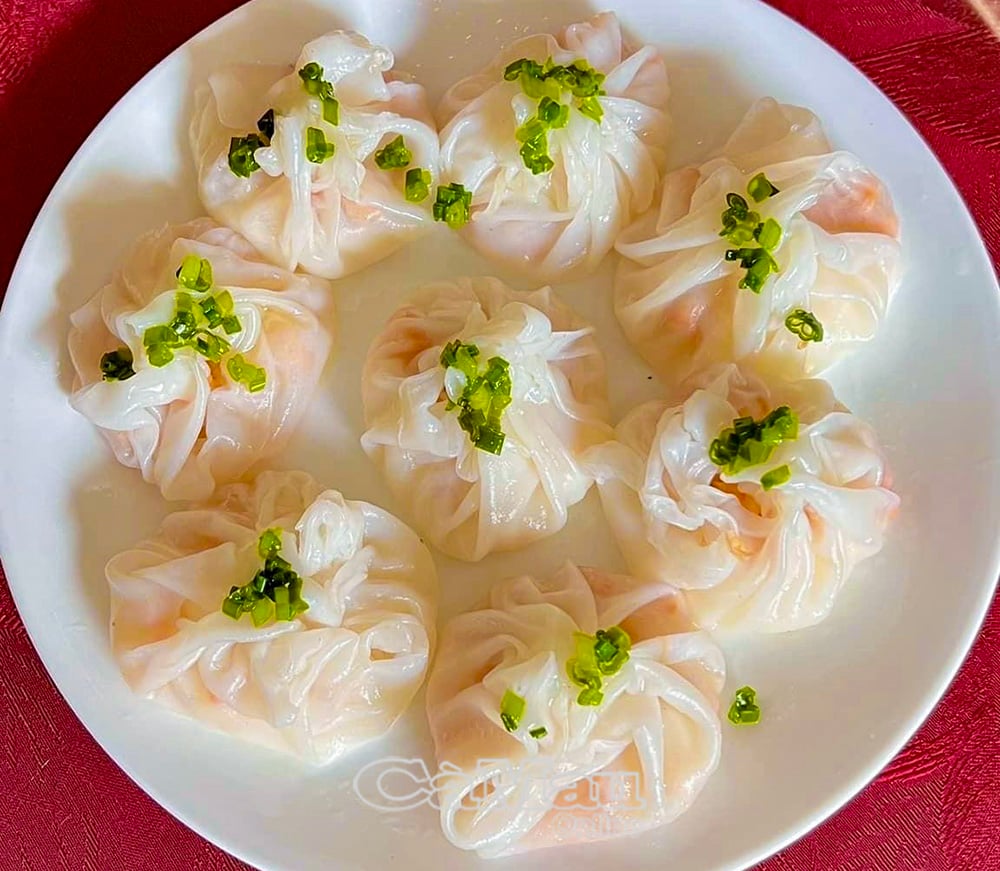 Radish cakes with stir-fried shrimp and meat filling are delicious and appealing.
 Radish cakes are served with vegetables and sweet and sour fish sauce.
When visiting Ca Mau to experience its cuisine , it would be a shame if tourists didn't try this delicious and traditional folk cake. The generosity and abundance of the land and people are subtly and carefully expressed in this cake, whether eaten as a light snack or a full meal, satisfying the tastes of diners.
Lu Kiet Tuong
Source: https://baocamau.vn/thanh-mat-banh-cu-cai-a129236.html
![[Image] Pleasant weather helps students enter the 10th grade entrance exam with confidence.](https://vphoto.vietnam.vn/thumb/1200x675/vietnam/resource/IMAGE/2026/05/29/1780034401612_ngay-1-thi-lop-10-minh-duy-8-5009-jpg.webp)
![[Photo] Ba Lang An Lighthouse - the "eye of the sea" amidst the "rock museum" of Quang Ngai province.](https://vphoto.vietnam.vn/thumb/1200x675/vietnam/resource/IMAGE/2026/05/29/1780038698840_anh-man-hinh-2026-05-29-luc-14-10-42.png)

























































































Comment (0)